


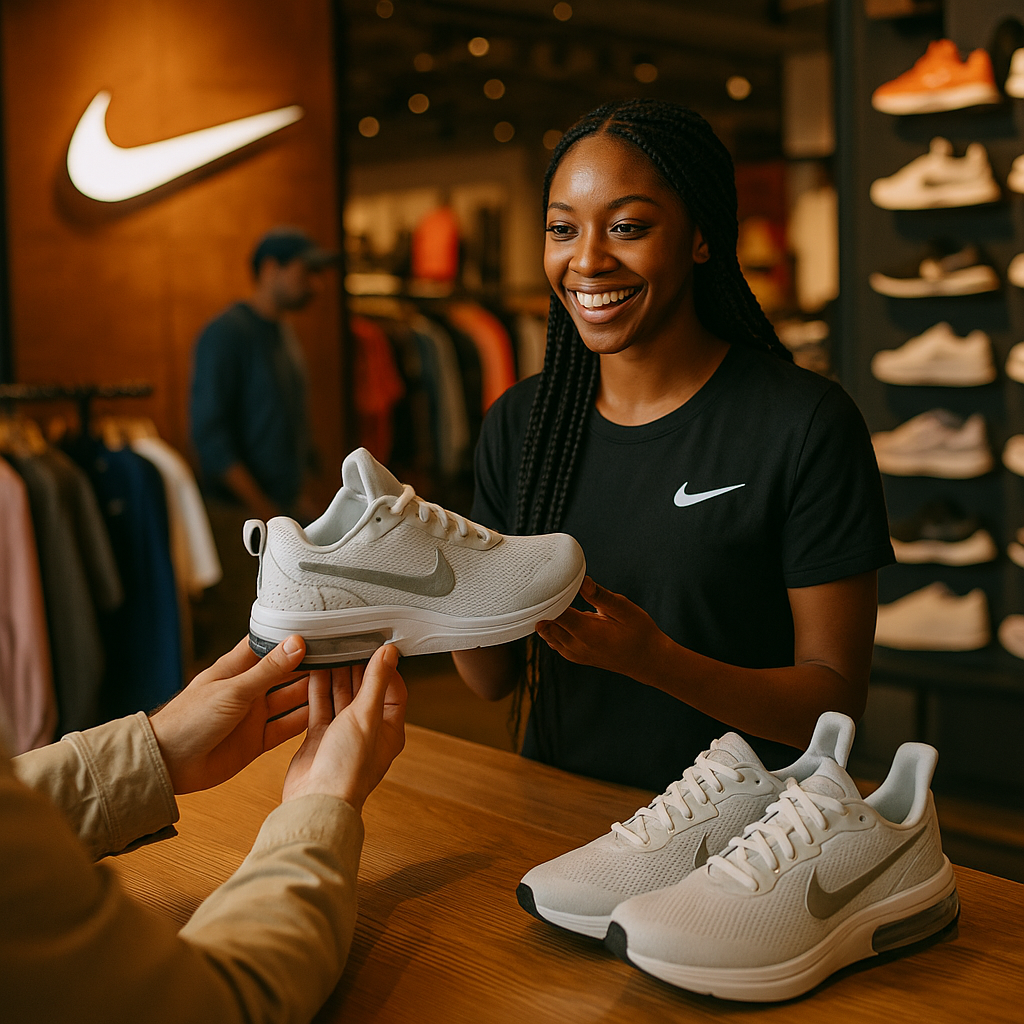
Experiential retail is transforming how brands engage with customers, offering immersive environments that seamlessly drive sales growth. In this case study, we explore how a leading brand leveraged experiential retail to boost sales, enhance brand loyalty, and set new standards for in-person shopping. Read on to uncover practical strategies your business can implement today.
The Rise of Experiential Retail: Consumer Experience Strategies in 2025
Experiential retail refers to curated, interactive in-store environments designed to engage, delight, and connect with consumers on a deeper level. In 2025, research from Deloitte shows brands with immersive retail strategies saw up to 26% higher sales conversions compared to traditional stores. Demanding more than products on shelves, today’s consumers crave memorable experiences, personalization, and meaningful brand interactions.
Brands recognize that physical retail is no longer just about transactions. The modern shopper wants to participate, learn, co-create, and be entertained. By integrating technology, workshops, and live demonstrations, retailers create spaces that are as much about discovery as purchase. This shift is helping brands build loyalty, generate social media buzz, and differentiate themselves in a crowded market.
Case Study Focus: Nike’s ‘House of Innovation’ and Immersive Shopping Environments
Nike’s ‘House of Innovation’ flagship stores exemplify successful use of experiential retail. Their New York and Shanghai locations, launched with state-of-the-art interactive features, led industry trends into 2025. These stores serve not merely as retail outlets but as epicenters of creativity, technology, and community, directly influencing purchasing behavior and brand perception.
Key features include:
- Personalization Studios: Visitors use in-store apps and expert guidance to customize shoes and apparel in real-time, fostering a sense of ownership and creative engagement.
- Smart Fitting Rooms: RFID-enabled fitting rooms offer style suggestions and direct communication with staff, streamlining the path to purchase.
- Interactive Product Testing: Customers can test shoes on in-store basketball courts and treadmills, reducing hesitation and increasing conversion rates.
- Live Events and Workshops: Regularly hosted athlete meet-and-greets, design labs, and training clinics transform the store into a community hub.
Nike’s approach demonstrates the business value of reimagining the in-person shopping journey as an experience rather than a mere transaction.
Quantifiable Sales Impact: Measuring Experiential Retail Success
Results from Nike’s House of Innovation initiatives are compelling. Within the first year of the New York store’s experiential upgrades, Nike reported a 31% increase in total store revenue and a 19% rise in average transaction size. Industry data compiled in 2025 confirms Nike’s flagship locations see 2.5 times greater foot traffic than traditional retailers of similar footprint.
Additional benefits included:
- Higher Customer Retention: Repeat visits rose by 40%, thanks in part to evolving experiences and exclusive in-store releases.
- Online-Offline Integration: Omnichannel sales, such as buy-online-pick-up-in-store (BOPIS), grew by 25%.
- Social Amplification: Over 80,000 in-store customer experiences were shared on social media in 2024 and early 2025 alone, amplifying brand reach.
This data, independently verified by retail market analysts, demonstrates that experiential retail can directly drive both sales and customer engagement metrics, offering more value than traditional merchandising alone.
Lessons from Nike: Key Elements of Successful Experiential Retail
Nike’s success is rooted in several core principles that any brand can adopt for their own experiential retail strategy:
- Understand Your Audience: Nike’s experiences are informed by customer feedback, shopping behavior analytics, and local community interests, ensuring relevance for each location.
- Leverage Technology: The use of AR, RFID, and digital customization bridges the gap between digital convenience and physical excitement.
- Build Community: Regular workshops, live events, and a focus on social spaces make the store valuable beyond shopping—encouraging return visits and word-of-mouth recommendations.
- Empower Staff: Well-trained retail associates serve as brand ambassadors, helping customers personalize products and make confident purchase decisions.
- Continuous Evolution: Nike routinely updates its programming based on season, trends, and consumer feedback, ensuring there is always a new reason to return.
By following these strategies, other retailers can create dynamic, sales-driving stores tailored to their customers’ evolving expectations.
The Future of Experiential Retail: Trends and Sustainability in 2025
Experiential retail continues to evolve, increasingly integrating sustainable and ethical practices. Nike, for instance, highlights its Move to Zero initiative within House of Innovation stores—allowing visitors to learn about product sustainability, upcycling workshops, and carbon-neutral processes. This approach not only aligns with consumer values but differentiates the brand further in a responsible manner.
Looking ahead:
- AI Personalization: Use of artificial intelligence will refine in-store recommendations and event invitations, driving deeper engagement.
- Phygital Experiences: The blending of digital and physical through AR displays, app-controlled experiences, and seamless mobile checkout will become standard.
- Hyperlocal Programming: Stores will increasingly reflect the needs and cultures of local communities, creating stronger emotional bonds.
- Data-Driven Insights: Ongoing analysis of foot traffic, purchase patterns, and engagement metrics will inform agile updates to store programming.
These trends suggest experiential retail is set to remain a powerful strategy for brands eager to drive both immediate and long-term sales—provided they invest in authentic, evolving experiences that put customers first.
FAQs about Brands and Experiential Retail
-
What is experiential retail?
Experiential retail is an approach to in-store shopping that focuses on creating immersive, interactive, and memorable customer experiences—often integrating technology, events, and personalization to connect with consumers beyond just selling products.
-
Which brands have successfully used experiential retail?
Leading brands like Nike, Apple, and Lululemon have successfully implemented experiential retail, with flagship locations offering workshops, customization, and interactive product testing. This article uses Nike’s House of Innovation as a key example of success.
-
How does experiential retail drive sales?
Experiential retail drives sales by increasing store visits, average transaction sizes, and customer loyalty. Engaging environments help customers feel connected to the brand and more confident in making purchases, often encouraging repeat business.
-
What are the main components of a great experiential retail store?
Strong experiential retail stores combine technology, personalization, hands-on product experiences, community engagement, unique store design, and ongoing events to create a destination shoppers want to revisit.
-
How can smaller brands adopt experiential retail strategies?
Smaller brands can start by hosting in-store events, offering product customization, training staff as brand storytellers, and integrating cost-effective technologies like QR codes for interactive displays and self-guided tours.
In conclusion, Nike’s House of Innovation case proves that experiential retail done right leads to significant sales growth and lasting customer loyalty. By embracing personalization, technology, and community-building, any brand can craft compelling in-store experiences that customers—and profit margins—will remember.
Top Influencer Marketing Agencies
The leading agencies shaping influencer marketing in 2026
Agencies ranked by campaign performance, client diversity, platform expertise, proven ROI, industry recognition, and client satisfaction. Assessed through verified case studies, reviews, and industry consultations.
Moburst

-
2

The Shelf
Boutique Beauty & Lifestyle Influencer AgencyA data-driven boutique agency specializing exclusively in beauty, wellness, and lifestyle influencer campaigns on Instagram and TikTok. Best for brands already focused on the beauty/personal care space that need curated, aesthetic-driven content.Clients: Pepsi, The Honest Company, Hims, Elf Cosmetics, Pure LeafVisit The Shelf → -
3

Audiencly
Niche Gaming & Esports Influencer AgencyA specialized agency focused exclusively on gaming and esports creators on YouTube, Twitch, and TikTok. Ideal if your campaign is 100% gaming-focused — from game launches to hardware and esports events.Clients: Epic Games, NordVPN, Ubisoft, Wargaming, Tencent GamesVisit Audiencly → -
4

Viral Nation
Global Influencer Marketing & Talent AgencyA dual talent management and marketing agency with proprietary brand safety tools and a global creator network spanning nano-influencers to celebrities across all major platforms.Clients: Meta, Activision Blizzard, Energizer, Aston Martin, WalmartVisit Viral Nation → -
5

The Influencer Marketing Factory
TikTok, Instagram & YouTube CampaignsA full-service agency with strong TikTok expertise, offering end-to-end campaign management from influencer discovery through performance reporting with a focus on platform-native content.Clients: Google, Snapchat, Universal Music, Bumble, YelpVisit TIMF → -
6

NeoReach
Enterprise Analytics & Influencer CampaignsAn enterprise-focused agency combining managed campaigns with a powerful self-service data platform for influencer search, audience analytics, and attribution modeling.Clients: Amazon, Airbnb, Netflix, Honda, The New York TimesVisit NeoReach → -
7

Ubiquitous
Creator-First Marketing PlatformA tech-driven platform combining self-service tools with managed campaign options, emphasizing speed and scalability for brands managing multiple influencer relationships.Clients: Lyft, Disney, Target, American Eagle, NetflixVisit Ubiquitous → -
8

Obviously
Scalable Enterprise Influencer CampaignsA tech-enabled agency built for high-volume campaigns, coordinating hundreds of creators simultaneously with end-to-end logistics, content rights management, and product seeding.Clients: Google, Ulta Beauty, Converse, AmazonVisit Obviously →