


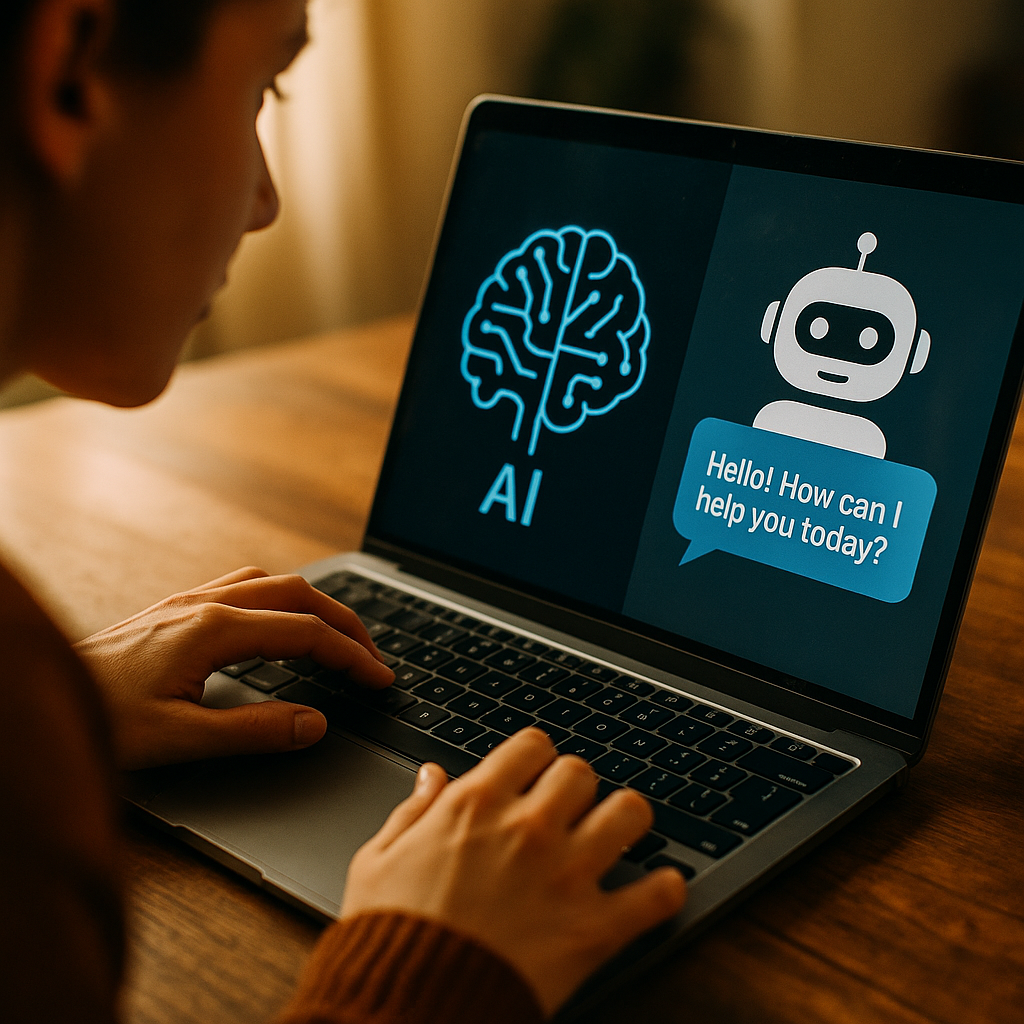
Using AI to personalize chatbot responses based on user emotion is revolutionizing digital customer experiences. Today’s consumers crave meaningful, human-like conversations, and emotional intelligence in chatbots is key. How exactly are businesses using advanced AI to recognize and respond to emotions—and why is this the next frontier in automated customer service?
Understanding Emotion Recognition in AI Chatbots
Emotion recognition, also known as affective computing, allows chatbots to interpret cues from users such as tone, word choice, and conversation flow. Advanced AI leverages natural language processing (NLP) combined with sentiment analysis to gauge anger, joy, frustration, or confusion in real-time. For example, if a user types, “I’m really disappointed with this service,” the chatbot identifies negative sentiment, prompting an empathetic response instead of a generic reply.
This evolution in AI chatbot technology transforms mere information delivery into conversational support. According to a 2025 CX Insights Report, over 70% of consumers now expect digital channels to recognize and adapt to their emotional state. The ability to sense user emotion is thus critical for brands striving to personalize at scale and build lasting loyalty.
Enhancing Customer Interaction With Personalized Chatbot Messaging
Personalization goes beyond addressing users by name. Modern AI-powered chatbots use emotion detection to tailor the tone, urgency, and content of their messages. If a user is identified as happy, the bot may use a friendly, upbeat tone and even share tips or upsell products. Conversely, for frustrated or upset users, the bot slows down, offers apologies, and prioritizes resolution.
This contextual response ensures users feel heard and valued during each interaction, which research shows leads to higher satisfaction and conversion rates. By integrating real-time emotional cues, businesses prevent common friction points—from misunderstood requests to tone-deaf up-selling—making the digital experience feel genuinely human.
Techniques for Detecting User Emotion in Live Conversations
How exactly do chatbots pick up on emotions? Leading AI platforms employ a range of proven techniques:
- Sentiment Analysis: Evaluates positive, negative, or neutral sentiment from user text using pre-trained machine learning models.
- Natural Language Understanding (NLU): Goes deeper, detecting nuanced emotions such as frustration, excitement, or sarcasm through patterns in language.
- Behavioral Analytics: Monitors speed of typing, frequency of messages, and punctuation to infer heightened emotions like impatience or anger.
- Contextual Memory: Remembers prior interactions to provide emotionally consistent responses over time.
In 2025, tech leaders also experiment with multimodal emotion detection—analyzing not just what users type, but also voice pitch and facial expressions on platforms where video chat is supported. This multimodal approach brings chatbots even closer to real human understanding, especially in healthcare, e-commerce, and financial services.
Improving Customer Satisfaction With Emotion-Driven Dialogue
Empirical data shows that emotionally personalized chatbot responses improve key CX metrics:
- First-Contact Resolution: Bots that tune into user frustration prioritize swift handoff to human agents or offer deeper troubleshooting, reducing repeated contacts.
- Customer Retention: Users feeling recognized and understood are 60% more likely to stay loyal to a brand, according to the 2025 Chatbot & AI Report.
- Net Promoter Scores: Personalized, empathetic interactions boost customer recommendation rates, directly influencing brand growth.
Businesses adopting AI-powered emotional intelligence in their chat strategies report up to 40% reduction in escalation rates. By continually training algorithms with diverse, real-world data, these chatbots improve their emotional accuracy over time, further increasing user trust and reliance on digital self-service channels.
Protecting Privacy When Using Emotion Recognition in Chatbots
As chatbots gather and process emotional data, brands must balance personalization with privacy. Responsible use of AI requires:
- Transparency: Users should be informed how their data—including emotional cues—will be used.
- Minimal Data Collection: Only gather the necessary information for personalization, avoiding overreach.
- Data Security: Use robust encryption and limit access to emotional analytics, protecting sensitive insights.
- User Control: Enable users to opt out or adjust emotional data processing at any time.
Complying with global privacy standards is non-negotiable. Leading brands have found that being transparent about AI and opting for ethical data practices fosters user trust—an essential currency in the era of emotionally intelligent chatbots.
The Future of AI Personalization: Emotional Intelligence at Scale
The integration of AI-powered emotion recognition in chatbots is only beginning. In 2025, real-time emotional feedback is being incorporated into not just customer support, but also onboarding, e-learning, and digital health advice. Future advancements are expected to:
- Increase Multilingual Emotional Understanding: Enable nuanced emotion detection across languages and cultures.
- Expand Multimodal Sensing: Combine text, voice, and facial analysis for richer context.
- Deliver Omnichannel Consistency: Ensure emotion-aware conversations across live chat, messaging, email, and even virtual reality interfaces.
- Drive Hyper-Personalization: Seamlessly blend emotion-based responses with deep user profiles for tailor-made engagement.
Organizations investing in AI and emotional intelligence today are poised to lead tomorrow’s digital experience landscape—delivering support that feels both efficient and profoundly human.
Emotionally intelligent AI chatbots have quickly become essential for businesses aiming to provide superior, personalized service. Harnessing advanced emotion recognition and privacy-safe personalization not only boosts customer satisfaction, but also builds long-term loyalty. The takeaway? Emotionally aware chatbots are pivotal for brands determined to lead in the digital age.
FAQs: Using AI to Personalize Chatbot Responses Based on User Emotion
- How do AI chatbots detect user emotions?
They use a combination of sentiment analysis, natural language understanding, behavioral analytics, and sometimes voice or facial cues to infer emotional states from user interactions. - Is emotion recognition by chatbots accurate?
While no tool is perfect, recent advances in AI and access to larger training datasets have led to emotion detection models that achieve accuracy rates above 80% for text-based sentiment in 2025. - How does emotional personalization improve customer experiences?
By adjusting responses to user emotions, chatbots show empathy, resolve issues faster, and create more meaningful digital relationships, boosting satisfaction and loyalty. - What about user privacy when processing emotional data?
Responsible providers ensure transparency, minimal data collection, strong encryption, and user control to protect privacy when analyzing emotions in chat. - Can AI chatbots recognize emotions in multiple languages?
Yes. Multilingual AI models in 2025 can analyze emotional tone in dozens of global languages, making personalization effective for international audiences.
Top Influencer Marketing Agencies
The leading agencies shaping influencer marketing in 2026
Agencies ranked by campaign performance, client diversity, platform expertise, proven ROI, industry recognition, and client satisfaction. Assessed through verified case studies, reviews, and industry consultations.
Moburst

-
2

The Shelf
Boutique Beauty & Lifestyle Influencer AgencyA data-driven boutique agency specializing exclusively in beauty, wellness, and lifestyle influencer campaigns on Instagram and TikTok. Best for brands already focused on the beauty/personal care space that need curated, aesthetic-driven content.Clients: Pepsi, The Honest Company, Hims, Elf Cosmetics, Pure LeafVisit The Shelf → -
3

Audiencly
Niche Gaming & Esports Influencer AgencyA specialized agency focused exclusively on gaming and esports creators on YouTube, Twitch, and TikTok. Ideal if your campaign is 100% gaming-focused — from game launches to hardware and esports events.Clients: Epic Games, NordVPN, Ubisoft, Wargaming, Tencent GamesVisit Audiencly → -
4

Viral Nation
Global Influencer Marketing & Talent AgencyA dual talent management and marketing agency with proprietary brand safety tools and a global creator network spanning nano-influencers to celebrities across all major platforms.Clients: Meta, Activision Blizzard, Energizer, Aston Martin, WalmartVisit Viral Nation → -
5

The Influencer Marketing Factory
TikTok, Instagram & YouTube CampaignsA full-service agency with strong TikTok expertise, offering end-to-end campaign management from influencer discovery through performance reporting with a focus on platform-native content.Clients: Google, Snapchat, Universal Music, Bumble, YelpVisit TIMF → -
6

NeoReach
Enterprise Analytics & Influencer CampaignsAn enterprise-focused agency combining managed campaigns with a powerful self-service data platform for influencer search, audience analytics, and attribution modeling.Clients: Amazon, Airbnb, Netflix, Honda, The New York TimesVisit NeoReach → -
7

Ubiquitous
Creator-First Marketing PlatformA tech-driven platform combining self-service tools with managed campaign options, emphasizing speed and scalability for brands managing multiple influencer relationships.Clients: Lyft, Disney, Target, American Eagle, NetflixVisit Ubiquitous → -
8

Obviously
Scalable Enterprise Influencer CampaignsA tech-enabled agency built for high-volume campaigns, coordinating hundreds of creators simultaneously with end-to-end logistics, content rights management, and product seeding.Clients: Google, Ulta Beauty, Converse, AmazonVisit Obviously →