


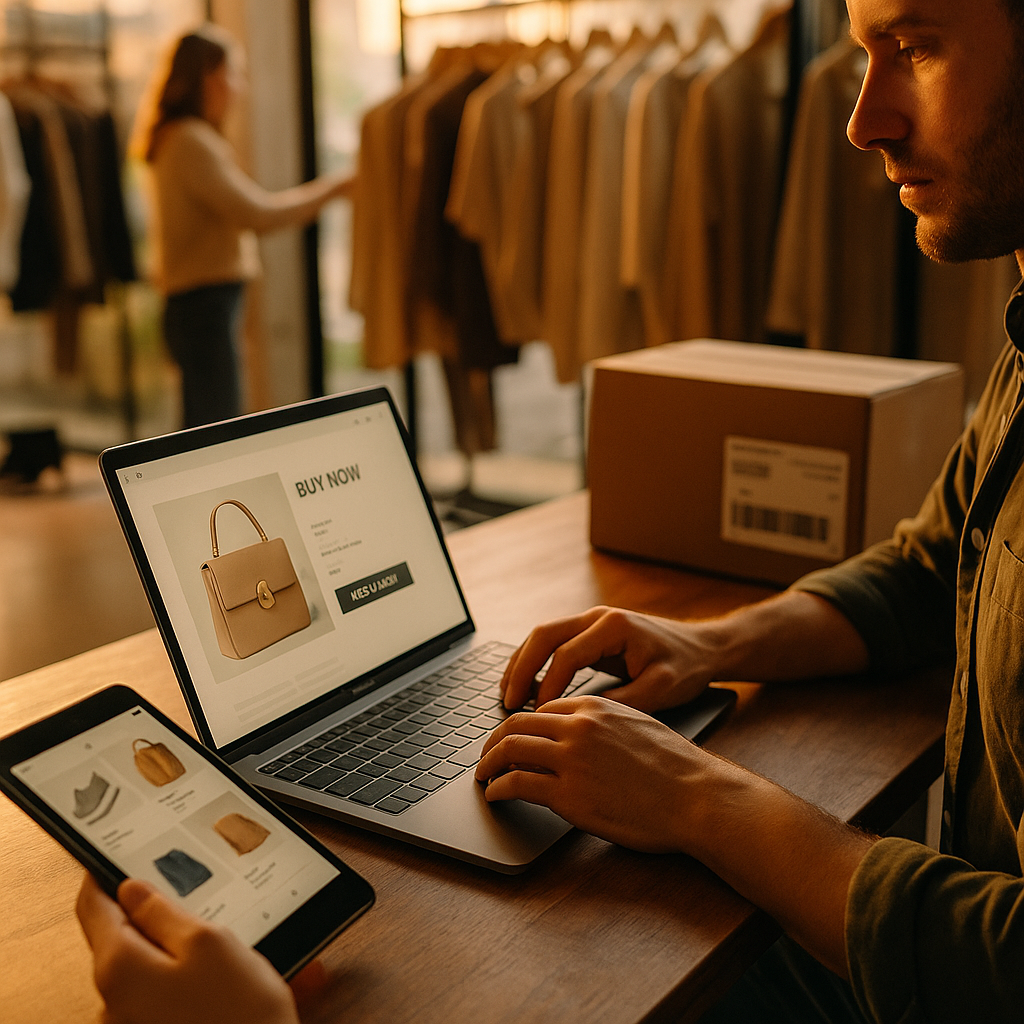
The rise of headless e-commerce is transforming how omnichannel retail brands engage with customers, offering powerful flexibility and improved performance. As more businesses seek to unify online and offline experiences, headless architecture is rapidly becoming essential. Discover how this technology is reshaping the future of retail and gain insight into its top benefits for your omnichannel strategy.
The Evolution of Retail: Why Omnichannel Commerce Demands Flexibility
For years, retailers struggled to deliver consistent experiences across all channels — web, mobile, social, and physical stores. Traditional e-commerce platforms provided all-in-one, tightly coupled systems that imposed design, feature, and integration limitations. Modern consumers, however, expect seamless transitions between devices and touchpoints as they browse, buy, and interact with brands.
According to a 2024 Shopify Plus report, 78% of shoppers use more than one channel before making a purchase. This push for greater customer experience (CX) consistency highlights the inadequacy of monolithic e-commerce platforms. Retailers who can quickly adapt to new trends and technologies across touchpoints have a clear competitive advantage. Enter headless e-commerce—a future-proof solution designed precisely for this level of agility and innovation.
What Is Headless E-commerce? Understanding Headless Architecture
Headless e-commerce is an approach that decouples the front-end presentation layer (what shoppers see and interact with) from the back-end commerce engine (where business logic, data, and processes live). Instead of a single platform controlling everything, APIs bridge the two, enabling separate development and deployment of each side.
This separation empowers brands to create unique, tailored experiences across any channel: web apps, native mobile apps, smart devices, kiosks, and beyond. Developers can quickly deploy new front end experiences or features without disrupting the underlying back end. Retailers, in turn, can respond to new market trends, technologies, or customer expectations in record time.
For omnichannel retail, this means limitless flexibility. Whether launching a new loyalty app, integrating with third-party marketplaces, or enabling social commerce, headless architecture allows for faster delivery at scale.
Benefits of Headless Commerce for Omnichannel Retail Success
The shift to headless e-commerce brings a suite of powerful benefits to retailers who want to lead in an omnichannel world:
- Unmatched Flexibility: Customize front-end experiences independently from the back end to suit each channel and audience.
- Faster Time-to-Market: Launch new features, interfaces, or entire channels quickly, without overhauling your commerce engine.
- Personalization at Scale: Target user journeys with tailored content and design, leveraging customer data across all touchpoints.
- Improved Performance: Lighter, decoupled front ends often load faster and deliver better user experiences, improving conversion rates.
- Technology Agility: Integrate best-of-breed tools, APIs, and microservices to support everything from AI recommendations to voice commerce.
- Future-proofing Investments: Adapt to emerging channels (AR/VR, wearable tech, IoT) with less friction, ensuring long-term competitiveness.
For omnichannel strategies especially, headless e-commerce provides the backbone for seamless, consistent, and innovative shopping experiences wherever your customers engage.
Implementing Headless E-commerce: Key Considerations for Retailers
Embracing headless architecture requires strategic planning. While its flexibility is a decisive strength, it can also introduce new complexity if managed carelessly. Retailers should consider the following when transitioning:
- Clear Goals and Use Cases: Identify which touchpoints or experiences will benefit most from a headless approach to maximize ROI.
- Robust API Management: Reliable, well-documented APIs are essential for integrating the front end with the back end and third parties.
- Team Expertise and Structure: Headless projects thrive when cross-functional teams (designers, developers, marketers) collaborate closely.
- Vendor Selection: Choose back-end and API solutions with proven security, scalability, and support for your industry vertical.
- Content Management: Plan for headless CMS adoption to streamline omnichannel content personalization and delivery.
Recent Forrester surveys show that more than 60% of enterprise retailers in 2025 plan to invest in developer resources and API-first technology to support their omnichannel ambitions. The right implementation partner and a phased rollout often yield the lowest risk and highest impact.
Real-World Examples: Headless E-commerce in Action
Several leading retail brands have already capitalized on headless commerce to drive omnichannel success:
- Adidas: Leveraged headless architecture to streamline its online stores, accelerating page loads and delivering mobile-first, localized experiences globally.
- Burberry: Created a headless framework that unifies in-store and online shopping, allowing rapid deployment of new features across web and app channels.
- GAP: Used a headless setup to synchronize inventory, customer data, and personalized promotions, empowering seamless transitions between ecommerce and brick-and-mortar locations.
The measurable results? Improved conversion rates, increased customer loyalty, and operational efficiencies that set these brands apart in fiercely competitive retail markets.
Future Trends: How Headless Commerce Will Shape Omnichannel Retail
Looking ahead, headless e-commerce is poised to become the standard for innovative, customer-centric retail. In 2025, expect further convergence of digital and physical channels, with AI-driven personalization, AR/VR shopping, and voice-activated commerce rapidly emerging as mainstream experiences.
Retailers equipped with a headless foundation will outpace rivals in delivering these new features to market. Gartner predicts that by the end of 2025, over 65% of established retailers will deploy headless or composable commerce systems to power their omnichannel initiatives. Early adopters will continue to lead with unmatched agility, seamless experiences, and elevated brand loyalty.
Conclusion: Headless E-commerce Unlocks Omnichannel Potential
In 2025, headless e-commerce offers omnichannel retail brands the technology edge needed to meet and exceed evolving customer expectations. By decoupling front and back ends, retailers gain flexibility, speed, and future-readiness. Embrace headless to create unified, high-performance experiences—and secure your competitive advantage in the modern retail landscape.
FAQs About Headless E-commerce for Omnichannel Retail
-
What is headless e-commerce?
Headless e-commerce decouples the front-end interface from the back-end commerce system, allowing retailers to create custom experiences across multiple channels using APIs. -
How does headless commerce benefit omnichannel retail?
It enables consistent, high-performance customer experiences across web, mobile, in-store touchpoints, and new digital channels by supporting rapid development and integration. -
Is headless e-commerce suitable for small retailers?
While often used by enterprises, modern headless solutions are increasingly accessible for small and midsize retailers seeking growth through omnichannel strategies. -
What are the main challenges in adopting headless commerce?
Headless introduces complexity in development, requires strong API management, and demands greater cross-team collaboration. Choosing the right technology and partners is crucial. -
How does headless commerce support future trends?
Headless architecture makes it easier to add channels—like voice, AR/VR, and IoT—by allowing you to build and connect new experiences without replatforming your back end.
Top Influencer Marketing Agencies
The leading agencies shaping influencer marketing in 2026
Agencies ranked by campaign performance, client diversity, platform expertise, proven ROI, industry recognition, and client satisfaction. Assessed through verified case studies, reviews, and industry consultations.
Moburst

-
2

The Shelf
Boutique Beauty & Lifestyle Influencer AgencyA data-driven boutique agency specializing exclusively in beauty, wellness, and lifestyle influencer campaigns on Instagram and TikTok. Best for brands already focused on the beauty/personal care space that need curated, aesthetic-driven content.Clients: Pepsi, The Honest Company, Hims, Elf Cosmetics, Pure LeafVisit The Shelf → -
3

Audiencly
Niche Gaming & Esports Influencer AgencyA specialized agency focused exclusively on gaming and esports creators on YouTube, Twitch, and TikTok. Ideal if your campaign is 100% gaming-focused — from game launches to hardware and esports events.Clients: Epic Games, NordVPN, Ubisoft, Wargaming, Tencent GamesVisit Audiencly → -
4

Viral Nation
Global Influencer Marketing & Talent AgencyA dual talent management and marketing agency with proprietary brand safety tools and a global creator network spanning nano-influencers to celebrities across all major platforms.Clients: Meta, Activision Blizzard, Energizer, Aston Martin, WalmartVisit Viral Nation → -
5

The Influencer Marketing Factory
TikTok, Instagram & YouTube CampaignsA full-service agency with strong TikTok expertise, offering end-to-end campaign management from influencer discovery through performance reporting with a focus on platform-native content.Clients: Google, Snapchat, Universal Music, Bumble, YelpVisit TIMF → -
6

NeoReach
Enterprise Analytics & Influencer CampaignsAn enterprise-focused agency combining managed campaigns with a powerful self-service data platform for influencer search, audience analytics, and attribution modeling.Clients: Amazon, Airbnb, Netflix, Honda, The New York TimesVisit NeoReach → -
7

Ubiquitous
Creator-First Marketing PlatformA tech-driven platform combining self-service tools with managed campaign options, emphasizing speed and scalability for brands managing multiple influencer relationships.Clients: Lyft, Disney, Target, American Eagle, NetflixVisit Ubiquitous → -
8

Obviously
Scalable Enterprise Influencer CampaignsA tech-enabled agency built for high-volume campaigns, coordinating hundreds of creators simultaneously with end-to-end logistics, content rights management, and product seeding.Clients: Google, Ulta Beauty, Converse, AmazonVisit Obviously →