


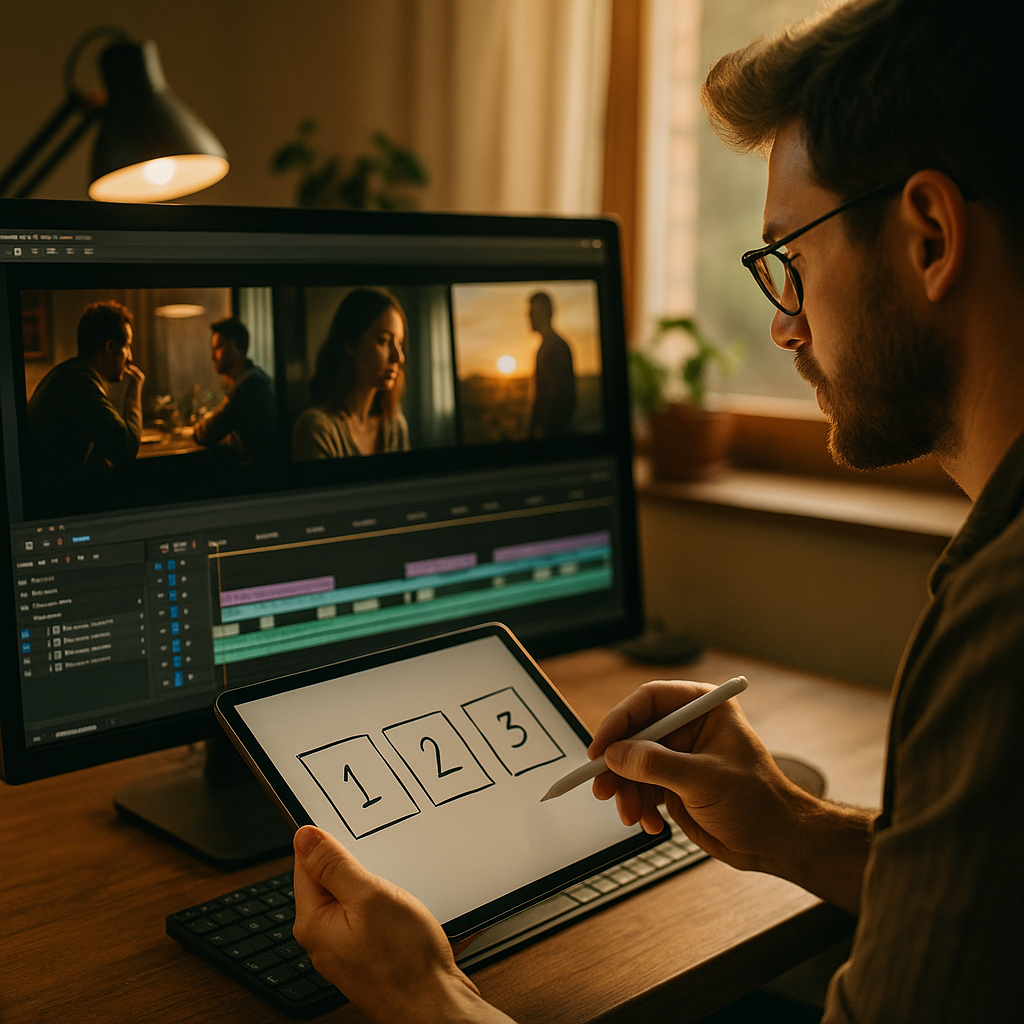
Learning how to build multi-scene creator concepts is essential for digital storytellers, game designers, and content marketers in 2025. This guide explores proven strategies to conceptualize, organize, and execute engaging multi-scene projects. Whether you’re developing interactive media or learning tools, these methods will help you create richer, more immersive experiences. Ready to level up your creative process?
Understanding Multi-Scene Creator Concepts
Multi-scene creator concepts refer to the frameworks and methods used to organize and develop projects that unfold over several distinct scenes. These can include interactive games, digital storytelling, educational modules, and even marketing campaigns leveraging visual narratives.
According to a 2024 Statista report, 67% of users prefer experiences with dynamic, scene-based progression over linear content. Multi-scene concepts allow creators to:
- Guide users through branching narratives or learning paths
- Enhance engagement by varying visuals and interactivity
- Increase retention through memorable storytelling or gamified elements
To implement these concepts effectively, creators must understand both the technical and creative demands involved in plotting scene transitions, dependencies, and user choices.
Planning a Multi-Scene Project: Structure and Storyboarding
Effective multi-scene project planning is rooted in detailed structure and storyboarding. Use wireframes or digital planning tools to map out every scene’s function, content, and relationship to others.
- Define the Core Concept: Specify objectives. Are you educating, entertaining, or persuading? Pinpoint your project’s purpose early.
- Segment the Journey: Break the user journey into logical, progressive scenes. Each should serve a clear role in advancing your narrative or learning goal.
- Create a Scene Map: Visualize scene flow using diagrams. Indicate possible user choices or transitions to set the groundwork for interactivity.
- Draft Scene Outlines: Outline content, visuals, and required interactions scene by scene.
Thorough planning minimizes confusion later in development and ensures your multi-scene creator concept remains coherent and audience-focused.
Choosing the Right Tools for Multi-Scene Creation
Selecting the ideal tools is crucial for implementing multi-scene creator concepts efficiently in 2025. Options now include specialized no-code platforms, traditional development environments, and hybrid systems that blend visual design with scripting abilities.
- No-Code Platforms: Tools like StoryLab or SceneForge empower non-developers to build multi-scene flows via intuitive interfaces.
- Game Engines: Unreal Engine and Unity remain popular for advanced interactive projects needing robust scene and asset management.
- Web Frameworks: JavaScript frameworks (like React or Vue) can power complex, multi-scene web applications with dynamic routing and state handling.
Consider project complexity, team skills, and scalability when selecting your toolkit. Many platforms now offer template libraries, version control, and collaborative features to streamline multi-scene workflows.
Designing Engaging Scene Transitions and Interactivity
Seamless scene transitions and interactive elements are the foundation of user engagement within any multi-scene creator concept. Effective transition design enhances immersion and narrative flow, preventing user confusion or fatigue.
- Visual Continuity: Use consistent design elements to help users understand where they are and where they’re going next.
- Feedback and Animation: Subtle animations or progress indicators provide immediate feedback and reinforce cause-and-effect.
- User Choice Integration: Offer branching paths based on user actions to personalize the journey and increase replay value.
- Accessibility: Ensure navigation and transitions are accessible to all users, including those relying on assistive technology.
Incorporating modern UI/UX best practices—such as micro-interactions or adaptive layouts—boosts both usability and engagement across different devices and platforms.
Testing, Optimizing, and Evolving Your Multi-Scene Experiences
Once your multi-scene project is functional, rigorous testing and analysis are vital for ongoing success. Digital experience experts recommend the following workflow for 2025:
- Usability Testing: Recruit target users to navigate the full multi-scene pathway. Gather pain points and positive feedback related to flow, comprehension, and engagement.
- Performance Analysis: Use analytics to track drop-off rates between scenes, time spent per scene, and common user paths.
- Iterative Optimization: Apply insights to streamline transitions, clarify instructions, and fine-tune content. Repeat testing cycles to maintain high quality as you expand the project.
- A/B Testing: Experiment with alternate scene structures, layouts, or interactive options to identify what resonates most with users.
By committing to EEAT-aligned optimization, you not only improve user satisfaction and retention but also boost your content’s ranking potential and authority in your niche.
Enhancing Collaboration and Efficiency in Multi-Scene Creation
Modern multi-scene creator concepts often require seamless teamwork across different specialties: writers, designers, developers, and project managers. In 2025, leveraging collaborative platforms and agile methodologies is more important than ever.
- Real-Time Collaboration: Use cloud-based tools for simultaneous editing, transparent feedback, and instant updates across your scene map and assets.
- Version Control: Track changes in scripts, imagery, and interactions to ensure consistency and easy rollbacks if needed.
- Agile Sprints: Break complex projects into manageable sprints, assigning scenes or features to cross-functional teams for faster delivery.
- Automated Testing: Implement tools that run test cases on all scenes, catching bugs early and reducing manual QA overhead.
Effective collaboration not only streamlines production but also encourages creative synergy, leading to more innovative and polished multi-scene outputs.
FAQs: Building Multi-Scene Creator Concepts
-
What is a multi-scene creator concept?
A multi-scene creator concept is a structured approach for organizing digital content, narratives, or projects into sequential or branching scenes, allowing for engaging, interactive user journeys.
-
Which industries benefit most from multi-scene creation?
Industries such as gaming, e-learning, marketing, UX design, and publishing harness multi-scene concepts to improve engagement, retention, and learning outcomes.
-
Do I need programming skills to build multi-scene projects?
Not always. Modern no-code platforms allow non-developers to create complex multi-scene experiences, though custom scripting provides greater flexibility for advanced projects.
-
How do I keep users engaged across multiple scenes?
Employ varied visuals, interactive elements, meaningful choices, and seamless transitions. Monitor analytics to detect drop-offs and optimize scene design accordingly.
-
How important is accessibility in multi-scene projects?
Accessibility is crucial. Designing for diverse abilities ensures all users can enjoy your content, broadening your reach and compliance with ethical and legal standards.
To sum up, mastering how to build multi-scene creator concepts empowers you to deliver captivating, well-structured interactive experiences. By emphasizing robust planning, tool selection, UX design, and collaboration, you’ll elevate your digital projects and meet evolving user expectations in 2025.
Top Influencer Marketing Agencies
The leading agencies shaping influencer marketing in 2026
Agencies ranked by campaign performance, client diversity, platform expertise, proven ROI, industry recognition, and client satisfaction. Assessed through verified case studies, reviews, and industry consultations.
Moburst

-
2

The Shelf
Boutique Beauty & Lifestyle Influencer AgencyA data-driven boutique agency specializing exclusively in beauty, wellness, and lifestyle influencer campaigns on Instagram and TikTok. Best for brands already focused on the beauty/personal care space that need curated, aesthetic-driven content.Clients: Pepsi, The Honest Company, Hims, Elf Cosmetics, Pure LeafVisit The Shelf → -
3

Audiencly
Niche Gaming & Esports Influencer AgencyA specialized agency focused exclusively on gaming and esports creators on YouTube, Twitch, and TikTok. Ideal if your campaign is 100% gaming-focused — from game launches to hardware and esports events.Clients: Epic Games, NordVPN, Ubisoft, Wargaming, Tencent GamesVisit Audiencly → -
4

Viral Nation
Global Influencer Marketing & Talent AgencyA dual talent management and marketing agency with proprietary brand safety tools and a global creator network spanning nano-influencers to celebrities across all major platforms.Clients: Meta, Activision Blizzard, Energizer, Aston Martin, WalmartVisit Viral Nation → -
5

The Influencer Marketing Factory
TikTok, Instagram & YouTube CampaignsA full-service agency with strong TikTok expertise, offering end-to-end campaign management from influencer discovery through performance reporting with a focus on platform-native content.Clients: Google, Snapchat, Universal Music, Bumble, YelpVisit TIMF → -
6

NeoReach
Enterprise Analytics & Influencer CampaignsAn enterprise-focused agency combining managed campaigns with a powerful self-service data platform for influencer search, audience analytics, and attribution modeling.Clients: Amazon, Airbnb, Netflix, Honda, The New York TimesVisit NeoReach → -
7

Ubiquitous
Creator-First Marketing PlatformA tech-driven platform combining self-service tools with managed campaign options, emphasizing speed and scalability for brands managing multiple influencer relationships.Clients: Lyft, Disney, Target, American Eagle, NetflixVisit Ubiquitous → -
8

Obviously
Scalable Enterprise Influencer CampaignsA tech-enabled agency built for high-volume campaigns, coordinating hundreds of creators simultaneously with end-to-end logistics, content rights management, and product seeding.Clients: Google, Ulta Beauty, Converse, AmazonVisit Obviously →