


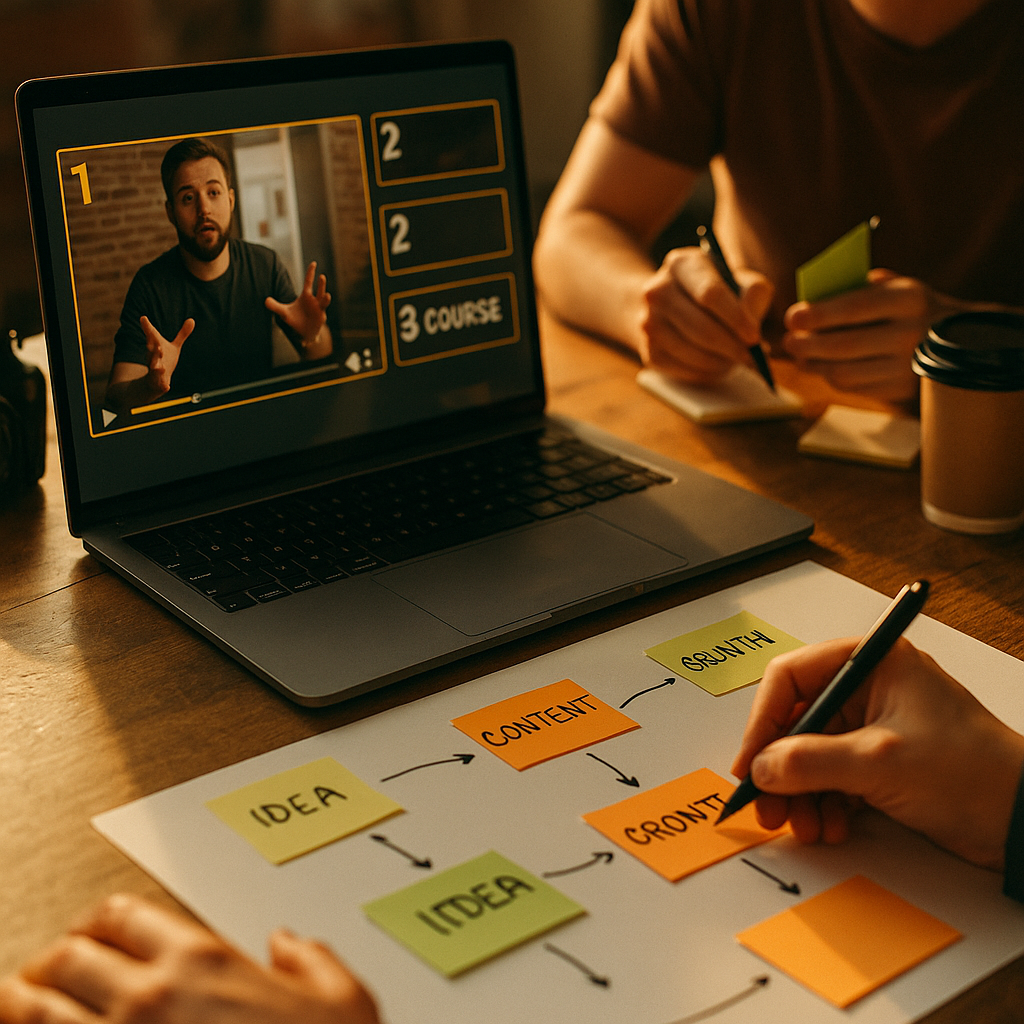
Learning how to build multi-stage creator concepts can dramatically accelerate your growth and impact as a digital creator. Developing layered content strategies not only fuels engagement but also future-proofs your online presence. In 2025, effective creators rely on advanced, multi-stage approaches—are you ready to master this essential skill?
What Are Multi-Stage Creator Concepts?
Multi-stage creator concepts involve designing content strategies that unfold over several phases or steps, rather than relying on single pieces of content. These concepts encourage sustained audience engagement, enable iterative testing, and help creators deepen their brand story. Leveraging a phased approach supports stronger relationships with audiences and increases opportunities for monetization, collaboration, and growth.
In today’s crowded digital landscape, single content hits rarely spark enduring success. According to a 2025 Statista report, 83% of viral campaigns now utilize multi-stage strategies, highlighting their effectiveness. By shifting from standalone posts to interconnected content series or campaigns, creators can maximize reach and relevance.
Key Benefits of Multi-Stage Content Strategies
Before you learn how to design these strategies, you need to be clear on their advantages. Multi-stage creator concepts allow you to:
- Build Anticipation: Sequenced releases create a sense of story progression and suspense, making audiences more likely to return for updates.
- Optimize with Data: Staged approaches let you gather insights at each phase, enabling data-driven improvements as you go.
- Increase Interaction: Audiences can participate in ongoing discussions, polls, or challenges tied to the series, deepening engagement.
- Monetize Effectively: Tiered campaigns naturally introduce monetization options like exclusive early access, premium content drops, or brand partnerships.
- Enhance Brand Authority: Thoughtfully structured series position you as a dedicated, strategic creator with depth and professionalism.
Planning Your Multi-Stage Creator Projects
Effective multi-stage creator concepts require strategic planning. Here’s how to develop a plan that aligns with your goals and audience:
- Clarify Your End Goal: What do you want to achieve—audience growth, brand deals, course sales, or something else?
- Define Each Stage: Break your project into logical segments. For instance, a YouTube documentary might have teaser trailers, behind-the-scenes vlogs, and the main premiere.
- Map Content Formats: Decide which platforms and formats (videos, podcasts, social posts, blog articles) suit each stage best.
- Determine Feedback Loops: Plan how you’ll gather and respond to audience input. This could include polls, comments, or AMAs (Ask Me Anything sessions).
- Set a Timeline: A consistent schedule keeps your audience engaged and builds momentum.
Remember to research your audience’s preferences at this stage. Tools like Google Trends or CreatorIQ can provide valuable insights to inform your plan.
Best Practices for Execution and Engagement
Implementation is where your multi-stage creator concepts come to life. Stick to these best practices for optimal results:
- Maintain Cohesion: Ensure that each stage connects logically and stylistically, reinforcing your overarching message.
- Preview Upcoming Stages: End each phase with a teaser or call-to-action for the next, nudging audiences to stay tuned.
- Encourage User Participation: Invite discussion, debates, or user submissions related to each stage to deepen involvement.
- Leverage Cross-Promotion: Share stage updates across all channels—newsletters, stories, shorts, and forums—to maximize reach.
- Track Performance Metrics: Use analytics suites to monitor viewership, retention, comments, and shares for ongoing improvements.
Successful multi-stage content blends storytelling, community-building, and transparency. Regularly celebrate milestones and publicly thank your contributors and audience.
Leveraging Tools and Technology in 2025
Modern creators have access to an unprecedented set of digital tools that make building multi-stage creator concepts easier and more effective. In 2025, consider integrating the following resources into your creative workflow:
- AI Content Planners: Platforms like Jasper or ContentBot allow you to automate content outlines and get suggestions for stage progression.
- Engagement Dashboards: Advanced platforms aggregate data from multiple sources, helping you spot audience drop-off points and content peaks.
- Interactive Video Suites: Services such as Eko offer choose-your-own-adventure tools to add interactivity within series.
- Community Platforms: Private Discord servers or Substack communities enable exclusive multi-stage launches for superfans.
- Collaboration Hubs: Tools like Notion or Miro facilitate multi-creator series coordination, script sharing, and ideation in real time.
Embracing new technologies not only streamlines your process but can serve as a differentiator, setting you apart in the competitive creator economy.
Common Pitfalls and How to Avoid Them
While mastering how to build multi-stage creator concepts offers huge potential, be aware of these frequent mistakes:
- Lack of Direction: Beginning without a clear end goal leads to fragmented content and disengaged audiences. Always map your journey in advance.
- Ineffective Communication: If your audience doesn’t understand how stages connect, they may lose interest. Recap and preview clearly in every piece.
- Burnout: Multi-stage projects can be demanding. Build in rest periods or collaborate to share the workload.
- Neglecting Feedback: Ignoring signals from your audience can cause you to miss red flags or new opportunities. Monitor comments and listen actively.
- Over-Reliance on Trends: While trends are useful, don’t let them overshadow your unique value and story. Stay authentic at every stage.
Following these guidelines helps ensure your efforts pay off in sustainable audience growth and creator satisfaction.
Conclusion: Building Your Multi-Stage Creator Legacy
Successfully learning how to build multi-stage creator concepts transforms your digital creation process. By designing layered, data-driven campaigns, you ensure stronger engagement and set yourself up for long-term growth. Start with strategic planning, leverage modern tools, and iterate based on audience feedback—the path to creator mastery begins now.
FAQs: Multi-Stage Creator Concepts
-
What is a multi-stage creator concept?
A multi-stage creator concept is a strategic approach where content is planned and released in phases, allowing creators to tell deeper stories, build anticipation, and better engage audiences over time. -
Why are multi-stage campaigns effective in 2025?
Audiences now expect richer, more interactive content experiences. Multi-stage campaigns cater to this demand, leading to increased engagement, loyalty, and monetization opportunities in a crowded creator economy. -
Which platforms support multi-stage content best?
YouTube, TikTok Series, Instagram, Substack, and Discord are popular for creators due to their built-in tools for content sequencing, community engagement, and analytics. -
How do I measure the success of my multi-stage concept?
Track retention rates, repeat engagement, conversion rates for monetized stages, and qualitative user feedback to assess whether each phase meets your objectives. -
Is multi-stage content suitable for solo creators?
Absolutely. Even solo creators can benefit by planning manageable series, using automation tools, and involving their audience, ensuring consistent engagement without overwhelming workloads.
Top Influencer Marketing Agencies
The leading agencies shaping influencer marketing in 2026
Agencies ranked by campaign performance, client diversity, platform expertise, proven ROI, industry recognition, and client satisfaction. Assessed through verified case studies, reviews, and industry consultations.
Moburst

-
2

The Shelf
Boutique Beauty & Lifestyle Influencer AgencyA data-driven boutique agency specializing exclusively in beauty, wellness, and lifestyle influencer campaigns on Instagram and TikTok. Best for brands already focused on the beauty/personal care space that need curated, aesthetic-driven content.Clients: Pepsi, The Honest Company, Hims, Elf Cosmetics, Pure LeafVisit The Shelf → -
3

Audiencly
Niche Gaming & Esports Influencer AgencyA specialized agency focused exclusively on gaming and esports creators on YouTube, Twitch, and TikTok. Ideal if your campaign is 100% gaming-focused — from game launches to hardware and esports events.Clients: Epic Games, NordVPN, Ubisoft, Wargaming, Tencent GamesVisit Audiencly → -
4

Viral Nation
Global Influencer Marketing & Talent AgencyA dual talent management and marketing agency with proprietary brand safety tools and a global creator network spanning nano-influencers to celebrities across all major platforms.Clients: Meta, Activision Blizzard, Energizer, Aston Martin, WalmartVisit Viral Nation → -
5

The Influencer Marketing Factory
TikTok, Instagram & YouTube CampaignsA full-service agency with strong TikTok expertise, offering end-to-end campaign management from influencer discovery through performance reporting with a focus on platform-native content.Clients: Google, Snapchat, Universal Music, Bumble, YelpVisit TIMF → -
6

NeoReach
Enterprise Analytics & Influencer CampaignsAn enterprise-focused agency combining managed campaigns with a powerful self-service data platform for influencer search, audience analytics, and attribution modeling.Clients: Amazon, Airbnb, Netflix, Honda, The New York TimesVisit NeoReach → -
7

Ubiquitous
Creator-First Marketing PlatformA tech-driven platform combining self-service tools with managed campaign options, emphasizing speed and scalability for brands managing multiple influencer relationships.Clients: Lyft, Disney, Target, American Eagle, NetflixVisit Ubiquitous → -
8

Obviously
Scalable Enterprise Influencer CampaignsA tech-enabled agency built for high-volume campaigns, coordinating hundreds of creators simultaneously with end-to-end logistics, content rights management, and product seeding.Clients: Google, Ulta Beauty, Converse, AmazonVisit Obviously →