


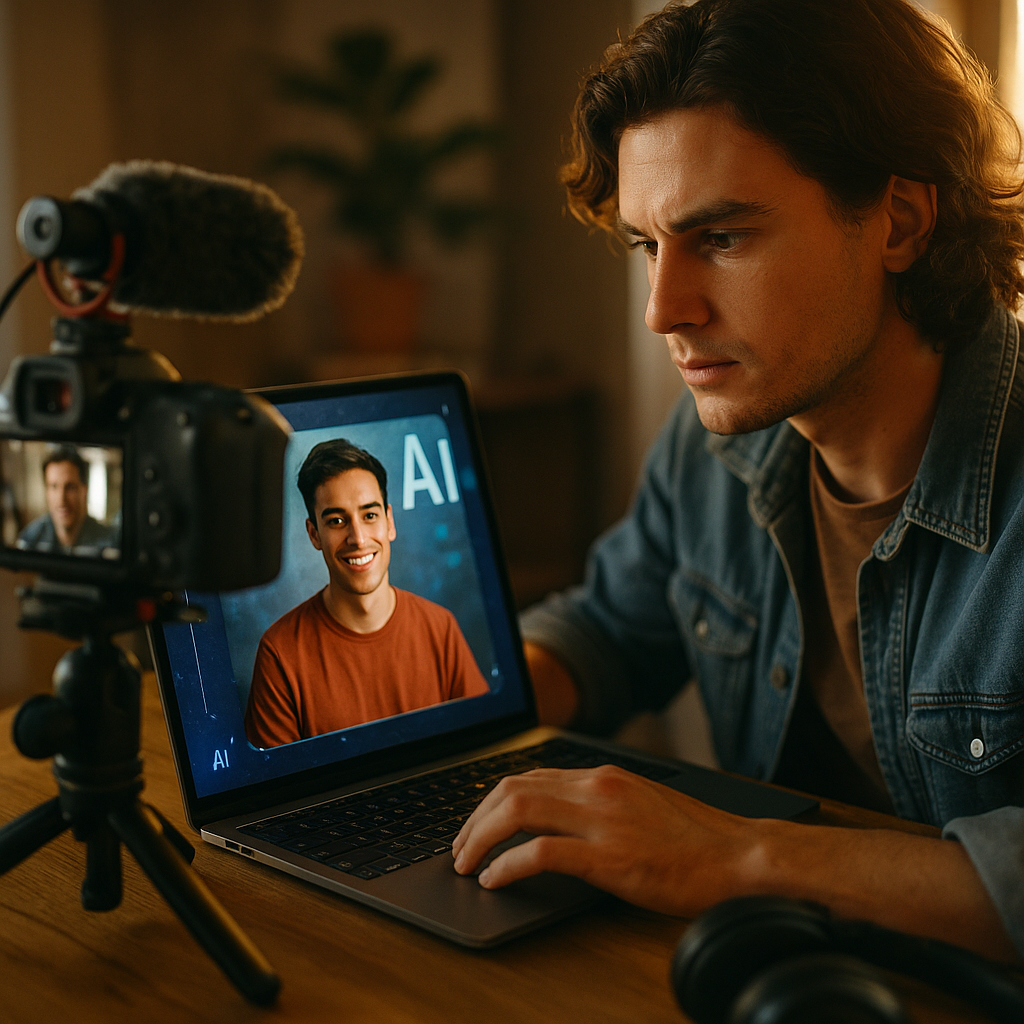
AI tools that score creator authenticity are transforming the digital landscape in 2025, empowering brands and platforms to distinguish genuine content from artificial posts and misleading personas. As the appetite for trustworthy content grows, the ability to assess the real voice behind the message is essential. Curious how these tools work and why they matter? Read on for key insights and strategies.
Understanding Creator Authenticity in 2025
In an era overloaded with digital content, authenticity stands out as a critical factor for audience trust and engagement. Creator authenticity refers to the genuine, transparent communication of a creator’s ideas, beliefs, and expertise. Brands, consumers, and platforms increasingly demand proof that an influencer or content producer is honest and relatable, not merely following trends or, worse, leveraging AI-generated fakery.
A 2024 Statista survey reported that 83% of internet users preferred to engage with authentic creators over influencers lacking transparency. This paradigm shift is why authenticity scoring has grown integral to content strategies, channel selection, and partnership decisions across both business and creative ecosystems.
How AI Tools Analyze and Score Creator Authenticity
AI-driven platforms harness advanced natural language processing (NLP), behavioral analysis, and deep learning to evaluate authenticity across multiple data points. These AI authenticity scoring tools analyze factors such as linguistic patterns, posting history, sentiment, transparency of disclosures, and consistency with personal branding.
- Content Analysis: AI evaluates vocabulary richness, emotional range, and the alignment between a creator’s claimed niche and their posting topics.
- Behavioral Patterns: Anomalies—such as sudden spikes in followers or inconsistent posting times—might trigger authenticity red flags.
- Engagement Quality: Genuine engagement is assessed through comment analysis, repeat interaction metrics, and audience sentiment scoring.
Platforms like AuthentiView, CredAI, and VeritiFy now set industry standards by cross-referencing web-wide presence with real-word activity, bringing robust transparency to both brands and creators.
Benefits of Implementing Authenticity Scoring for Brands and Platforms
Integrating authenticity detection software provides substantial benefits for businesses, agencies, and content management platforms. For brands seeking to avoid PR risks and maximize ROI, knowing a creator’s authenticity score enables smarter collaborations and more effective influencer campaigns.
- Reduced Risk: Brands mitigate the threat of partnering with fraudulent or AI-generated personas, ensuring campaigns resonate with genuine audiences.
- Enhanced Trust: Platforms integrating AI tools can spot manipulation tactics, building both brand and audience trust.
- Optimized ROI: Marketers benefit from actionable insights, selecting creators whose voices deliver true impact and engagement.
Moreover, creators gain feedback on their online presence, enabling authenticity-driven growth and fostering loyal communities.
Key Technologies Powering AI Creator Authenticity Tools
The backbone of AI authenticity scoring lies in a sophisticated convergence of machine learning and real-time data analysis. Let’s break down the essential technologies fueling this innovation:
- Natural Language Processing: NLP models dissect textual subtleties, identifying original tones versus formulaic or plagiarized content.
- Behavioral Analytics: Machine learning algorithms study patterns across time, identifying consistency or potential manipulation in online behavior.
- AI-Powered Image/Video Verification: Computer vision technology reviews multimedia posts for manipulated visuals or misleading metadata.
- Network Analysis: Graph-based algorithms map interactions between creators to validate legitimate connection versus suspicious bot networks.
Pioneering companies are already embedding these modules into enterprise CRM software and influencer matching platforms, making authenticity scores as standard as follower counts or engagement rates.
Practical Challenges of AI Authenticity Scoring
While AI tools offer significant strengths, challenges of creator authenticity analysis persist. False positives—where genuine creators are flagged—can erode trust in scoring platforms. Privacy issues are also a concern, especially when analyzing private message patterns or real identities.
Furthermore, as AI-generated content grows more sophisticated, differentiating between authentic voices and highly realistic synthetic personalities becomes increasingly complex. Ongoing innovation and transparent policies are essential for credibility, accuracy, and compliance with evolving regulations.
Leading solution providers like VeritiFy increasingly invite human moderators to partner with AI, achieving balance between tech efficiency and nuanced, context-aware review.
Choosing the Right AI Authenticity Tool in 2025
Selecting effective AI-driven authenticity platforms involves evaluating more than scoring accuracy. Businesses are encouraged to assess:
- Transparency of algorithms and scoring criteria
- Regulatory compliance and responsible data usage
- Integration with existing marketing and analytics tools
- Customer support and feedback mechanisms for score disputes
Trusted AI solutions should also provide regular updates, learning from newly identified manipulation tactics and ensuring their scoring remains relevant in a rapidly evolving social media landscape.
AI tools that score creator authenticity are vital for building trust, combating digital deception, and driving meaningful engagement in 2025. Reliable AI analysis empowers brands, platforms, and creators to foster genuine online relationships—raising the standard for digital influence and transparency.
FAQs: AI Tools That Score Creator Authenticity
-
What is creator authenticity and why is it important?
Creator authenticity refers to a creator’s transparency, consistency, and credibility in content production. It’s vital because authentic creators attract loyal, engaged audiences and offer brands reliable collaboration.
-
How do AI tools measure authenticity?
AI tools use algorithms that assess linguistic cues, content consistency, engagement patterns, and even network connections, scoring creators based on evidence of genuine, original behavior versus inauthentic tactics.
-
Are authenticity scores always accurate?
While highly advanced in 2025, AI authenticity scoring tools can produce false positives or negatives. Pairing automated analysis with occasional human moderation helps maximize fairness and reliability.
-
Can creators improve their authenticity scores?
Yes. Creators can focus on transparent disclosure, consistent messaging, authentic engagement, and regularly updating their audience on personal and professional growth to boost their scores.
-
Is my data safe when using these platforms?
Reputable AI authenticity platforms comply with global privacy standards and clearly disclose data handling practices. Brands and creators should review each tool’s privacy policy before integration.
Top Influencer Marketing Agencies
The leading agencies shaping influencer marketing in 2026
Agencies ranked by campaign performance, client diversity, platform expertise, proven ROI, industry recognition, and client satisfaction. Assessed through verified case studies, reviews, and industry consultations.
Moburst

-
2

The Shelf
Boutique Beauty & Lifestyle Influencer AgencyA data-driven boutique agency specializing exclusively in beauty, wellness, and lifestyle influencer campaigns on Instagram and TikTok. Best for brands already focused on the beauty/personal care space that need curated, aesthetic-driven content.Clients: Pepsi, The Honest Company, Hims, Elf Cosmetics, Pure LeafVisit The Shelf → -
3

Audiencly
Niche Gaming & Esports Influencer AgencyA specialized agency focused exclusively on gaming and esports creators on YouTube, Twitch, and TikTok. Ideal if your campaign is 100% gaming-focused — from game launches to hardware and esports events.Clients: Epic Games, NordVPN, Ubisoft, Wargaming, Tencent GamesVisit Audiencly → -
4

Viral Nation
Global Influencer Marketing & Talent AgencyA dual talent management and marketing agency with proprietary brand safety tools and a global creator network spanning nano-influencers to celebrities across all major platforms.Clients: Meta, Activision Blizzard, Energizer, Aston Martin, WalmartVisit Viral Nation → -
5

The Influencer Marketing Factory
TikTok, Instagram & YouTube CampaignsA full-service agency with strong TikTok expertise, offering end-to-end campaign management from influencer discovery through performance reporting with a focus on platform-native content.Clients: Google, Snapchat, Universal Music, Bumble, YelpVisit TIMF → -
6

NeoReach
Enterprise Analytics & Influencer CampaignsAn enterprise-focused agency combining managed campaigns with a powerful self-service data platform for influencer search, audience analytics, and attribution modeling.Clients: Amazon, Airbnb, Netflix, Honda, The New York TimesVisit NeoReach → -
7

Ubiquitous
Creator-First Marketing PlatformA tech-driven platform combining self-service tools with managed campaign options, emphasizing speed and scalability for brands managing multiple influencer relationships.Clients: Lyft, Disney, Target, American Eagle, NetflixVisit Ubiquitous → -
8

Obviously
Scalable Enterprise Influencer CampaignsA tech-enabled agency built for high-volume campaigns, coordinating hundreds of creators simultaneously with end-to-end logistics, content rights management, and product seeding.Clients: Google, Ulta Beauty, Converse, AmazonVisit Obviously →