


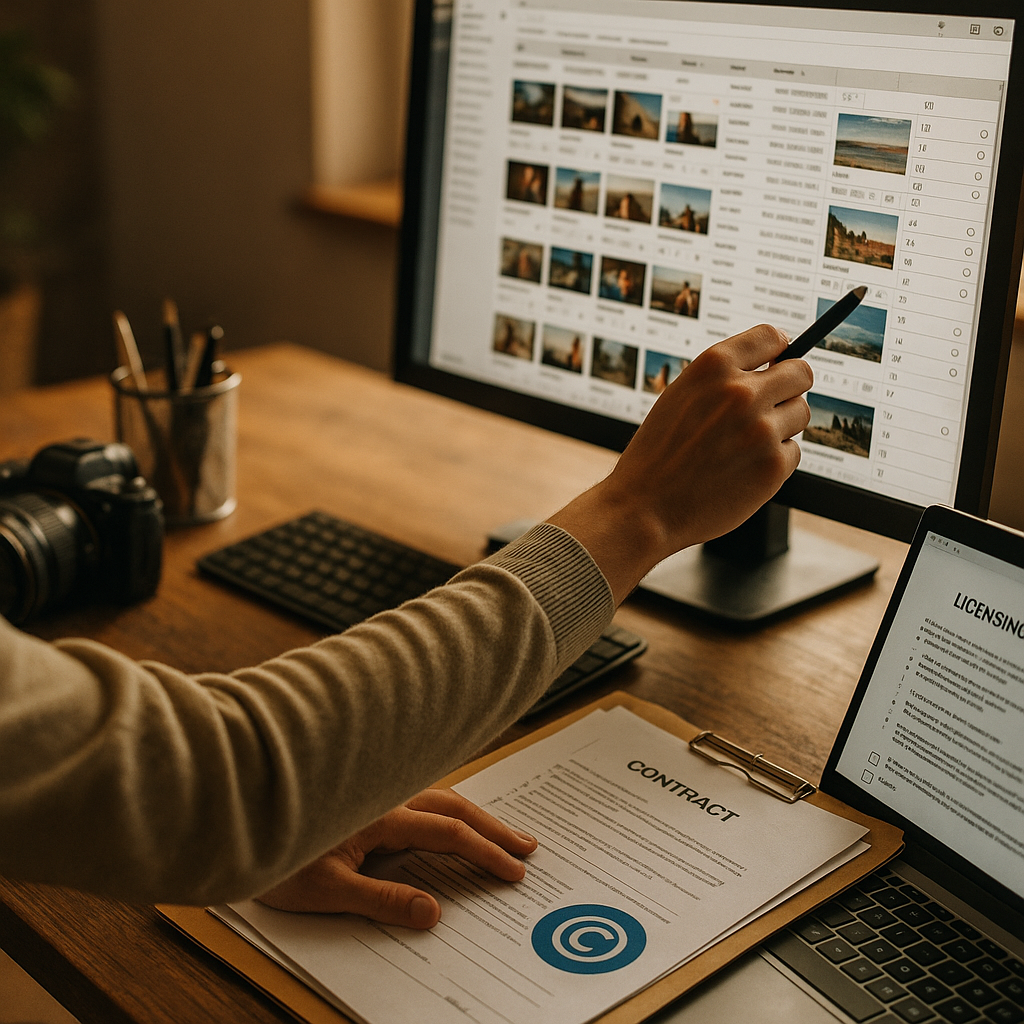
Managing intellectual property can be daunting for creatives, but tools to organize creator rights and licensing now make the process far simpler. These solutions empower artists, designers, writers, and musicians to protect, share, and monetize their work efficiently. Read on to discover how modern platforms and resources can safeguard your content and streamline your licensing workflow.
Understanding Digital Creator Rights Management
Digital creator rights management (DRM) is the foundation for protecting your work online. As more creators publish content across multiple platforms, tracking who can use, sell, or share digital assets is crucial. DRM tools automate the identification, cataloging, and enforcement of licenses, ensuring creators retain control. Whether you produce images, music, or written content, adopting DRM tools is vital for protecting your intellectual property and maximizing royalty income.
Recent surveys from industry leaders show that over 76% of creators experience unauthorized use of their content online. This highlights the importance of robust DRM systems for both new and established creators.
Essential Features in Licensing Management Platforms
An effective licensing management platform goes beyond basic tracking. Look for solutions that offer the following key capabilities:
- Automated rights tracking: Tagging content with ownership and license data at upload reduces manual errors.
- Customizable licensing frameworks: Support for exclusive, non-exclusive, and royalty-free licenses simplifies contract creation.
- Third-party distribution integration: Automated detection of unauthorized content use across partner networks.
- Revenue analytics: Clear dashboards display licensing deals, royalties due, and contract terms.
- Easy renewal/expiration alerts: Never miss critical contract deadlines with automated reminders.
Choosing a platform with these features not only keeps your assets organized but also enhances your professional credibility with clients and collaborators.
Best Tools To Organize Creator Rights and Licensing in 2025
With an expanding market, several outstanding tools now address the complex needs of creative professionals. The most popular rights management tools for 2025 offer comprehensive solutions tailored to different content types:
- RightsCloud: This platform stands out for large teams and agencies, offering automated contract creation, robust tagging, and bulk rights management across massive media libraries.
- Pixsy: Widely used by photographers and visual artists, Pixsy uses AI to detect image misuse and facilitate licensing claims globally.
- Syncly: Musicians and producers favor Syncly, which automates music licensing, offers direct-to-brand pitch tools, and tracks royalty payments in real time.
- Licensor: Designed for influencers and independent creators, Licensor provides customizable contracts, digital watermarking, and payment tracking for social media content.
- Copyright Clearance Center (CCC): The CCC portal suits publishers and academic writers needing advanced copyright, permissions, and collective management tools.
Each solution offers demo versions, and many provide integrations with content marketplaces and project management tools, streamlining every stage of your licensing process.
How Blockchain Is Transforming Creative Rights Organization
Blockchain technology is rapidly gaining ground as a powerful asset in creative rights management. Its decentralized ledger provides a tamper-proof record of ownership, license terms, and transfer history. Here’s how blockchain tools like Binded and Po.et are reshaping rights organization:
- Transparent ownership records: Immutable logs make it easy to prove provenance and trace prior licenses.
- Smart contracts: Instantly automate royalty payouts, license renewals, and third-party access with secure, self-executing agreements.
- Piracy prevention: Cross-platform interoperability ensures creators can enforce their rights wherever work is shared or sold.
Leading platforms are integrating blockchain-based solutions with traditional rights management, creating a powerful hybrid system for creative industries in 2025.
Best Practices for Setting Up Your Rights Organization Toolkit
Efficient rights organization demands both the right tools and a disciplined workflow. Successful creators consistently apply the following creator rights organization best practices:
- Centralize your content catalog: Maintain a single, secure repository to track every work and its associated licenses.
- Standardize file labeling and metadata: Use clear, consistent naming conventions and tag files upon creation.
- Regularly audit active licenses: Review permissions and fees to prevent under- or over-licensing and to catch expired contracts.
- Educate collaborators: Establish clear onboarding processes for anyone handling or distributing your content.
- Backup regularly: Ensure all contracts, assets, and records are duplicated off-site or in secure cloud storage.
Implementing these strategies enhances your operational efficiency and reduces the legal risks associated with disorganized rights management.
Integrating Rights Organization with Your Business Workflow
Seamless integration of rights management platforms into your daily business workflow ensures consistency and reliability. Many tools are designed for compatibility with popular project management systems such as Asana, Trello, and Dropbox. Key benefits of tight integration include:
- Automated contract generation whenever new projects or collaborations begin
- Centralized client communication for rights approvals and renewals
- Reduction in administrative overhead as notifications and recordkeeping run automatically
- Streamlined invoicing and royalty tracking for recurring licensing
Adopting an integrated approach lets you spend less time on paperwork and more time on your creative pursuits.
Conclusion
With the right tools to organize creator rights and licensing, you can protect your work, simplify contracts, and boost revenue. Invest in modern solutions and best practices to streamline your creative business—because your content deserves the highest level of protection and professionalism.
FAQs: Tools To Organize Creator Rights And Licensing
-
What is a rights management tool?
A rights management tool is software that helps creators track, enforce, and monetize intellectual property by managing licenses, contracts, and distribution permissions centrally. -
Can these tools help prevent copyright infringement?
Yes, most platforms use tracking technology, watermarking, and monitoring to detect and address unauthorized use of your content across digital platforms. -
Are there free tools available?
Some platforms offer limited free plans or trials, but paid versions usually provide deeper features like advanced analytics, third-party monitoring, and legal support. -
How does blockchain improve rights management?
Blockchain creates a transparent, tamper-proof record of ownership and contracts, automating royalties and safeguarding creator rights across multiple platforms. -
Do artists and musicians need different tools?
Often, yes. Certain platforms are tailored to particular content types—photographers, writers, musicians, and designers each benefit from specialized licensing and rights tracking solutions. -
How can I get started with rights management?
Begin by cataloging your assets, standardizing file metadata, and choosing a management tool that supports your creative field and scale of work.
Top Influencer Marketing Agencies
The leading agencies shaping influencer marketing in 2026
Agencies ranked by campaign performance, client diversity, platform expertise, proven ROI, industry recognition, and client satisfaction. Assessed through verified case studies, reviews, and industry consultations.
Moburst

-
2

The Shelf
Boutique Beauty & Lifestyle Influencer AgencyA data-driven boutique agency specializing exclusively in beauty, wellness, and lifestyle influencer campaigns on Instagram and TikTok. Best for brands already focused on the beauty/personal care space that need curated, aesthetic-driven content.Clients: Pepsi, The Honest Company, Hims, Elf Cosmetics, Pure LeafVisit The Shelf → -
3

Audiencly
Niche Gaming & Esports Influencer AgencyA specialized agency focused exclusively on gaming and esports creators on YouTube, Twitch, and TikTok. Ideal if your campaign is 100% gaming-focused — from game launches to hardware and esports events.Clients: Epic Games, NordVPN, Ubisoft, Wargaming, Tencent GamesVisit Audiencly → -
4

Viral Nation
Global Influencer Marketing & Talent AgencyA dual talent management and marketing agency with proprietary brand safety tools and a global creator network spanning nano-influencers to celebrities across all major platforms.Clients: Meta, Activision Blizzard, Energizer, Aston Martin, WalmartVisit Viral Nation → -
5

The Influencer Marketing Factory
TikTok, Instagram & YouTube CampaignsA full-service agency with strong TikTok expertise, offering end-to-end campaign management from influencer discovery through performance reporting with a focus on platform-native content.Clients: Google, Snapchat, Universal Music, Bumble, YelpVisit TIMF → -
6

NeoReach
Enterprise Analytics & Influencer CampaignsAn enterprise-focused agency combining managed campaigns with a powerful self-service data platform for influencer search, audience analytics, and attribution modeling.Clients: Amazon, Airbnb, Netflix, Honda, The New York TimesVisit NeoReach → -
7

Ubiquitous
Creator-First Marketing PlatformA tech-driven platform combining self-service tools with managed campaign options, emphasizing speed and scalability for brands managing multiple influencer relationships.Clients: Lyft, Disney, Target, American Eagle, NetflixVisit Ubiquitous → -
8

Obviously
Scalable Enterprise Influencer CampaignsA tech-enabled agency built for high-volume campaigns, coordinating hundreds of creators simultaneously with end-to-end logistics, content rights management, and product seeding.Clients: Google, Ulta Beauty, Converse, AmazonVisit Obviously →