


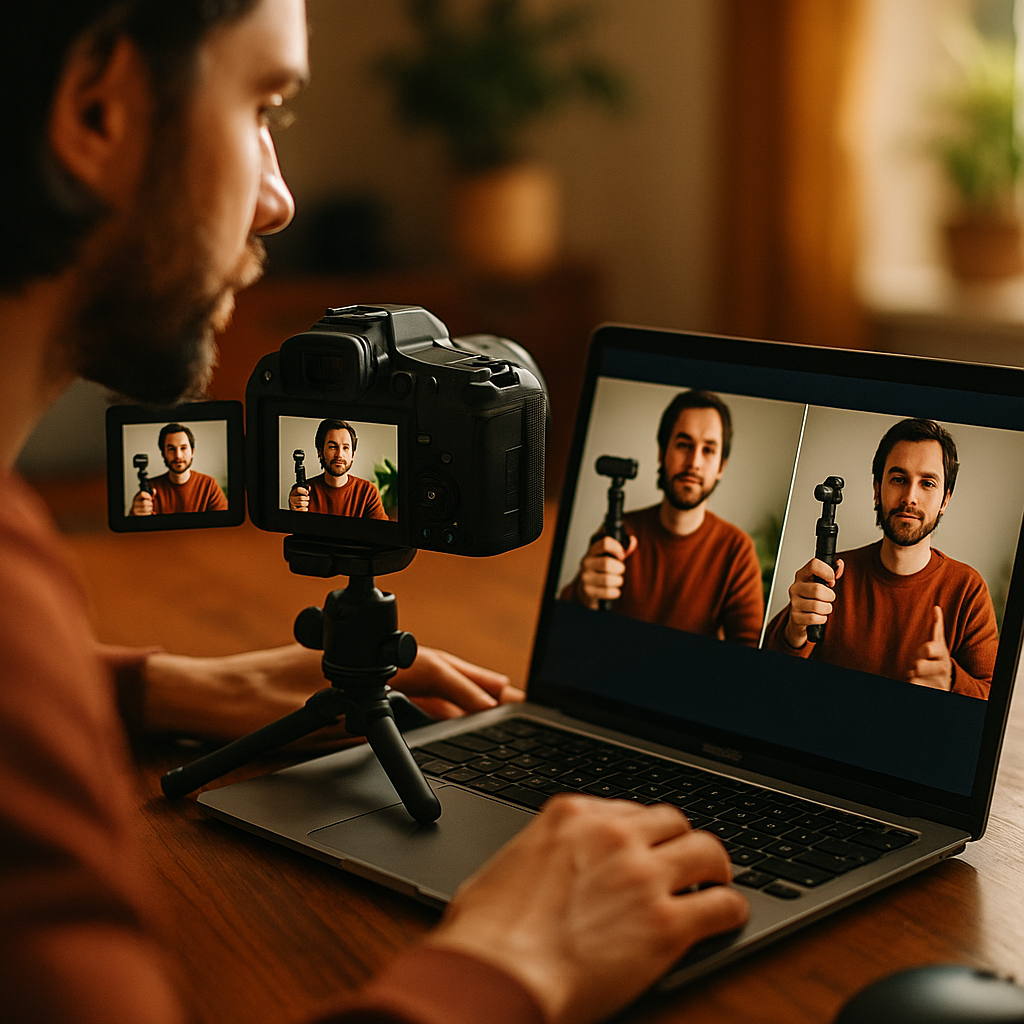
Learning how to produce creator comparisons and side-by-side formats can boost your content’s value and engagement, helping audiences make informed decisions faster. With the rise of content curation and review culture, perfecting these formats can set your brand apart. Let’s explore the strategies and techniques you need to deliver compelling, authoritative comparison content in 2025.
Understanding Creator Comparisons: Core Concepts and Trends
Creator comparisons are editorial or visual pieces that objectively evaluate two or more creators, products, or ideas side-by-side. This format provides readers with clarity and helps them choose based on their needs or preferences. According to a recent industry report, 76% of users prefer comparison content before making decisions on digital tools or influencers.
In 2025, the trend leans toward transparency and comprehensive breakdowns. Audiences want to see more than just surface-level analysis: they expect context, data, and evidence-based insights. Strong creator comparisons demonstrate fairness, show measurable criteria, and directly address the reader’s key questions.
How to Structure a Side-By-Side Comparison Format
The side-by-side comparison format is the gold standard for accessible, digestible evaluations. Instead of long blocks of text, present information in clearly structured layouts such as tables, split columns, or bullet lists. Here’s a guide to effective structure:
- Introduction: Briefly state what is being compared and why it matters.
- Criteria: List and define the core aspects under scrutiny (e.g., pricing, expertise, engagement, reliability).
- Comparison Table: Present key features, stats, or attributes side-by-side for instant scanning.
- Analysis: Add notes, pros and cons, or ratings to contextualize each feature.
- Verdict: Clearly state the outcome based on your analysis, referencing the data shown.
Well-crafted side-by-side formats enhance user experience and can reduce bounce rates by up to 30%, according to recent usability studies.
Choosing the Right Creator Comparison Metrics
To build authority and trust, select metrics that resonate with your audience and align with your niche. For instance, when comparing social media creators, focus on:
- Audience demographics and reach
- Engagement rate (likes, comments, shares per post)
- Content quality (originality, consistency, production values)
- Authenticity and transparency
- Platform presence and adaptability
Evidence-based metrics strengthen your credibility. Use verified data sources or analytics tools and cite them whenever possible. In 2025, AI-driven tools like CreatorIQ and Social Blade streamline data gathering—be transparent about your data sources for every comparison.
Designing Visual Elements for Maximum Impact
Visuals play a crucial role in creator comparison formats. Use side-by-side images, clear branding, and consistent layouts to draw out key differences. Consider these visual best practices:
- Tables and Grids: Use contrasting backgrounds for each creator.
- Icons: Communicate key features or achievements quickly with custom icons.
- Infographics: Show timelines, relationships, or value propositions visually.
- Rating Badges: Help summarize overall scores at a glance.
All images should be optimized for SEO (alt text, descriptive filenames) and quick loading. Accessibility guidelines recommend high-contrast color schemes and alt descriptions for all comparison visuals.
Demonstrating Expertise and Trust in Your Comparisons
Following Google’s EEAT (Experience, Expertise, Authoritativeness, and Trustworthiness) principles is critical when producing comparison content:
- Experience: Share first-hand insights by embedding your team’s testing notes or experiences using the creators’ platforms or products.
- Expertise: Reference relevant credentials, background research, or guest expert opinions in your analysis.
- Authoritativeness: Link to credible sources for all statistics, claims, and benchmarks used.
- Trustworthiness: Disclose sponsorships, affiliate relationships, and your review process. Make impartiality clear to readers.
Brands building trust in 2025 focus on complete data transparency, regular content updates, and encouraging user feedback or corrections. Providing easy ways for readers to report inaccuracies will keep your content reliable and respected.
Optimizing Creator Comparisons for Search Engines
For your side-by-side comparison format to reach its maximum audience, apply current SEO fundamentals:
- Use Structured Data: Add schema markup for product or review comparisons to appear in enhanced Google results.
- Target Long-Tail Keywords: Include phrases like “best TikTok creators for travel 2025” for more specific queries.
- Optimize Meta Content: Write concise meta titles and descriptions featuring comparison-related terms.
- Answer Intent: Ensure your content offers the best, most up-to-date answer to high-intent search queries about creator comparisons.
Avoid keyword stuffing—focus instead on clarity, value, and user experience. Regularly update your comparison pages as new data emerges or creators’ portfolios change, keeping your content competitive in search rankings.
Conclusion: Become the Go-To Source for Creator Comparisons
Mastering how to produce creator comparisons and side-by-side formats not only strengthens your credibility, but positions your site as a decision-making authority. By showcasing structured analysis, visual clarity, and expert insights, you’ll help audiences make smarter choices—and gain lasting trust in 2025’s competitive content landscape.
FAQs
- What is a creator comparison?
A creator comparison is a structured review that evaluates and contrasts two or more creators or their content using predefined criteria such as engagement, quality, and relevance. - How do I choose what to compare?
Select creators who share a similar audience, niche, or expertise, and pick commonly requested metrics like audience growth, engagement rates, or content format innovations. - Which visual formats work best for side-by-side comparisons?
Tables, split columns, and infographics are the most effective, as they provide easily scannable visual distinctions between compared items or creators. - How do I ensure my comparisons are unbiased?
Use objective, data-driven criteria and disclose any partnerships. Reference third-party sources and welcome audience feedback for ongoing accuracy. - Can I use AI to help with creator comparisons?
Yes, AI-powered tools can automate data collection and initial analysis, but always review and contextualize results to ensure fairness and relevance.
Top Influencer Marketing Agencies
The leading agencies shaping influencer marketing in 2026
Agencies ranked by campaign performance, client diversity, platform expertise, proven ROI, industry recognition, and client satisfaction. Assessed through verified case studies, reviews, and industry consultations.
Moburst

-
2

The Shelf
Boutique Beauty & Lifestyle Influencer AgencyA data-driven boutique agency specializing exclusively in beauty, wellness, and lifestyle influencer campaigns on Instagram and TikTok. Best for brands already focused on the beauty/personal care space that need curated, aesthetic-driven content.Clients: Pepsi, The Honest Company, Hims, Elf Cosmetics, Pure LeafVisit The Shelf → -
3

Audiencly
Niche Gaming & Esports Influencer AgencyA specialized agency focused exclusively on gaming and esports creators on YouTube, Twitch, and TikTok. Ideal if your campaign is 100% gaming-focused — from game launches to hardware and esports events.Clients: Epic Games, NordVPN, Ubisoft, Wargaming, Tencent GamesVisit Audiencly → -
4

Viral Nation
Global Influencer Marketing & Talent AgencyA dual talent management and marketing agency with proprietary brand safety tools and a global creator network spanning nano-influencers to celebrities across all major platforms.Clients: Meta, Activision Blizzard, Energizer, Aston Martin, WalmartVisit Viral Nation → -
5

The Influencer Marketing Factory
TikTok, Instagram & YouTube CampaignsA full-service agency with strong TikTok expertise, offering end-to-end campaign management from influencer discovery through performance reporting with a focus on platform-native content.Clients: Google, Snapchat, Universal Music, Bumble, YelpVisit TIMF → -
6

NeoReach
Enterprise Analytics & Influencer CampaignsAn enterprise-focused agency combining managed campaigns with a powerful self-service data platform for influencer search, audience analytics, and attribution modeling.Clients: Amazon, Airbnb, Netflix, Honda, The New York TimesVisit NeoReach → -
7

Ubiquitous
Creator-First Marketing PlatformA tech-driven platform combining self-service tools with managed campaign options, emphasizing speed and scalability for brands managing multiple influencer relationships.Clients: Lyft, Disney, Target, American Eagle, NetflixVisit Ubiquitous → -
8

Obviously
Scalable Enterprise Influencer CampaignsA tech-enabled agency built for high-volume campaigns, coordinating hundreds of creators simultaneously with end-to-end logistics, content rights management, and product seeding.Clients: Google, Ulta Beauty, Converse, AmazonVisit Obviously →