


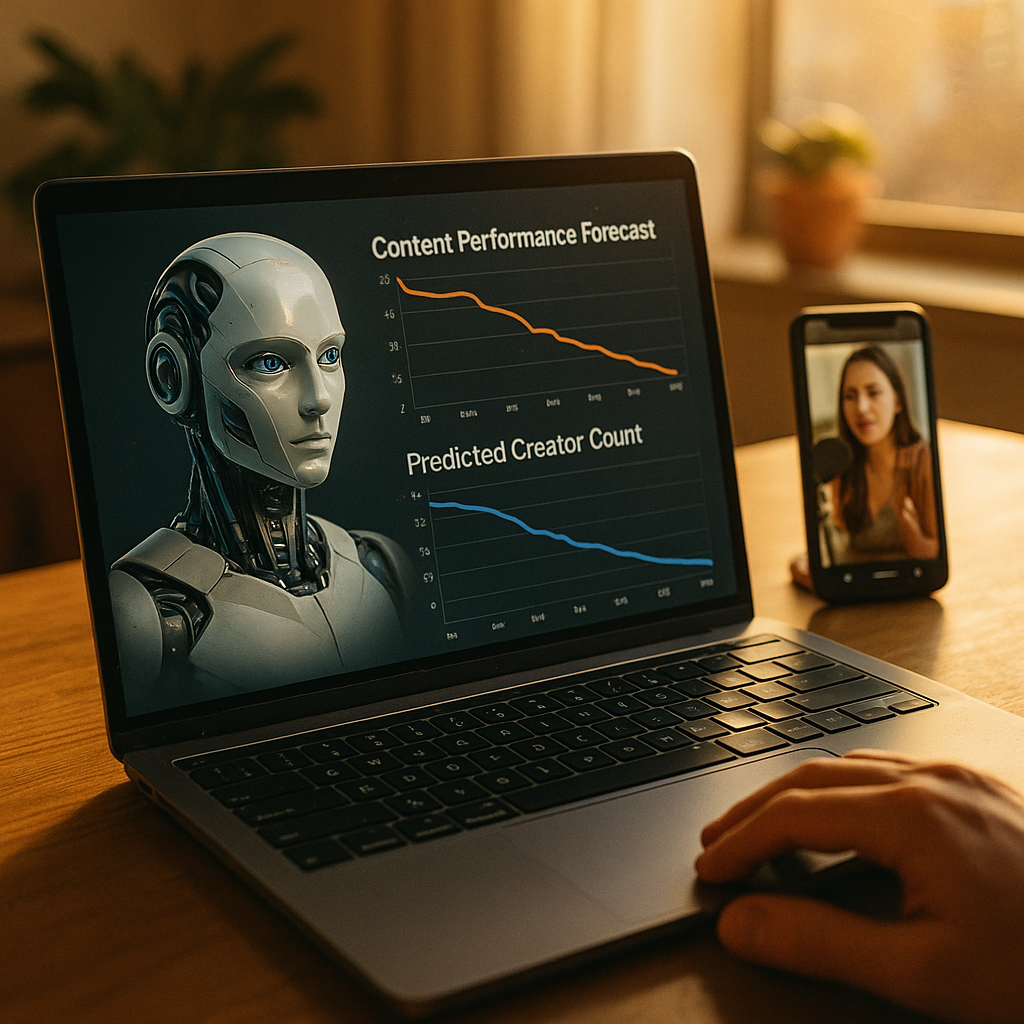
AI tools that predict creator content drop-off have revolutionized how brands, agencies, and platforms understand and retain top talent. Leveraging machine learning and advanced analytics, these solutions identify risk factors and forecast when creators might decrease output or leave entirely. Why is this predictive power essential for both business success and creator satisfaction? Let’s dig in and find out.
Understanding Creator Content Drop-Off Prediction
Predicting when a creator might reduce or stop producing content—commonly known as content drop-off—is increasingly valuable in today’s creator economy. AI-driven platforms analyze creator activity, engagement metrics, and behavioral patterns to flag early warning signs. By forecasting content drop-off, businesses can address potential burnout, scheduling issues, or waning interest before creators disengage, maintaining a vibrant and productive creator community.
According to a 2025 Social Platforms Insights Report, up to 37% of creators experience significant drops in output without intervention. Proactively identifying these moments with AI not only helps retain creators but also ensures consistent, high-quality content delivery for audiences and brands alike.
How AI Tools Identify Drop-Off Patterns in Digital Creators
Modern AI-powered creator analytics tools employ multiple data sources to spot subtle shifts in creator behavior. Key technologies include:
- Machine Learning Algorithms: These sift through content upload frequency, engagement rates, and community interactions to detect anomalies.
- Natural Language Processing (NLP): NLP examines the sentiment of communication—like captions or posts—to gauge motivation or fatigue.
- Time Series Forecasting: AI analyzes individual creator histories alongside platform trends, revealing when a drop-off may be imminent.
By continuously monitoring creator activity, these tools provide real-time alerts and actionable insights. For example, a sudden dip in engagement or negative sentiment in comments might prompt a platform or brand manager to offer outreach or support.
Why Predicting Content Drop-Off Matters for Brands and Agencies
Creator retention strategies are integral to any brand or agency reliant on influencer marketing or sponsored content. Consistent content output drives audience growth, engagement, and campaign success. Here’s how predictive AI tools elevate retention efforts:
- Early Intervention: Notifying managers when a creator risks drop-off enables timely support, collaboration, or incentives.
- Campaign Continuity: Anticipating which creators might disengage helps brands plan backups and avoid campaign disruptions.
- Relationship Management: Brands strengthen partnerships by showing attentiveness to creators’ needs and challenges, boosting loyalty.
Ultimately, AI-powered creator analytics lead to more effective and sustainable working relationships. In 2025, 81% of leading influencer agencies report improved retention from using predictive drop-off tools, according to Creator Economy Benchmarking Group data.
Enhancing Creator Wellbeing With Predictive AI Solutions
Caring for creator mental health is critical in reducing content drop-off. AI detection of fatigue, burnout, or negative feedback loops empowers platforms to take creator-centric actions:
- Personalized Support: Automated check-ins, mental health resources, or flexible scheduling can be offered at the first sign of creator stress.
- Content Strategy Adjustments: Suggesting lighter workloads or content diversification keeps creators inspired while reducing pressure.
- Community Building: Platforms can foster peer support and positive feedback, helping creators feel valued and understood.
Prioritizing creator wellbeing not only minimizes content drop-off but also elevates content quality and community trust. As the creator economy matures, platforms treating creators as long-term partners see both retention and creative innovation rise.
Evaluating the Performance of AI Creator Drop-Off Tools
How can brands and platforms measure the effectiveness of these tools? Benchmarks include:
- Accuracy of Predictions: Correlate AI alerts with actual drop-off events to fine-tune models.
- Reduction in Drop-Off Rates: Compare historical creator retention before and after tool implementation.
- Creator Feedback: Survey creators on their satisfaction with platform support and their creative longevity.
- Business Outcomes: Track engagement, revenue, or campaign success rates tied to sustained creator output.
EEAT best practices recommend transparent communication about AI usage and continuous improvement through feedback. Responsible use of predictive analytics ensures fair treatment and visibility for creators, building trust throughout the ecosystem.
Best Practices for Integrating AI Prediction Tools in 2025
To maximize the impact of AI content drop-off prediction, brands and platforms should:
- Clearly inform creators about data usage and privacy safeguards.
- Combine AI alerts with human support, blending automation and empathy.
- Regularly update prediction models to reflect evolving trends and feedback.
- Align interventions with individual creator goals and aspirations, not just platform KPIs.
Stakeholders adopting these best practices report higher satisfaction scores among creators and see measurable retention gains, confirming that predictive AI is an investment with far-reaching, positive repercussions.
FAQs: AI Tools That Predict Creator Content Drop-Off
-
How do AI tools predict content drop-off?
AI tools analyze data such as posting frequency, engagement rates, and sentiment in content to forecast when a creator may reduce output or disengage. -
Why is predicting drop-off important for brands?
Forecasting creator drop-off allows brands to sustain campaign momentum, reduce disruptions, and proactively support their creator partnerships. -
Can creators opt out of monitoring?
Most reputable platforms allow creators to adjust their data-sharing preferences and offer transparent communication about AI monitoring practices. -
Do these tools replace human managers?
No. Predictive AI supplements but does not replace human relationships. Best results come from combining insights with human understanding. -
Are these predictions always accurate?
While reported accuracy is rising, predictions are not perfect—continuous model training and creator input improve reliability over time.
AI tools that predict creator content drop-off are reshaping the creator economy in 2025 by offering proactive insights and support. Leveraging these platforms, brands and agencies can retain their talent, sustain quality output, and foster creator wellbeing for lasting success.
Top Influencer Marketing Agencies
The leading agencies shaping influencer marketing in 2026
Agencies ranked by campaign performance, client diversity, platform expertise, proven ROI, industry recognition, and client satisfaction. Assessed through verified case studies, reviews, and industry consultations.
Moburst

-
2

The Shelf
Boutique Beauty & Lifestyle Influencer AgencyA data-driven boutique agency specializing exclusively in beauty, wellness, and lifestyle influencer campaigns on Instagram and TikTok. Best for brands already focused on the beauty/personal care space that need curated, aesthetic-driven content.Clients: Pepsi, The Honest Company, Hims, Elf Cosmetics, Pure LeafVisit The Shelf → -
3

Audiencly
Niche Gaming & Esports Influencer AgencyA specialized agency focused exclusively on gaming and esports creators on YouTube, Twitch, and TikTok. Ideal if your campaign is 100% gaming-focused — from game launches to hardware and esports events.Clients: Epic Games, NordVPN, Ubisoft, Wargaming, Tencent GamesVisit Audiencly → -
4

Viral Nation
Global Influencer Marketing & Talent AgencyA dual talent management and marketing agency with proprietary brand safety tools and a global creator network spanning nano-influencers to celebrities across all major platforms.Clients: Meta, Activision Blizzard, Energizer, Aston Martin, WalmartVisit Viral Nation → -
5

The Influencer Marketing Factory
TikTok, Instagram & YouTube CampaignsA full-service agency with strong TikTok expertise, offering end-to-end campaign management from influencer discovery through performance reporting with a focus on platform-native content.Clients: Google, Snapchat, Universal Music, Bumble, YelpVisit TIMF → -
6

NeoReach
Enterprise Analytics & Influencer CampaignsAn enterprise-focused agency combining managed campaigns with a powerful self-service data platform for influencer search, audience analytics, and attribution modeling.Clients: Amazon, Airbnb, Netflix, Honda, The New York TimesVisit NeoReach → -
7

Ubiquitous
Creator-First Marketing PlatformA tech-driven platform combining self-service tools with managed campaign options, emphasizing speed and scalability for brands managing multiple influencer relationships.Clients: Lyft, Disney, Target, American Eagle, NetflixVisit Ubiquitous → -
8

Obviously
Scalable Enterprise Influencer CampaignsA tech-enabled agency built for high-volume campaigns, coordinating hundreds of creators simultaneously with end-to-end logistics, content rights management, and product seeding.Clients: Google, Ulta Beauty, Converse, AmazonVisit Obviously →