


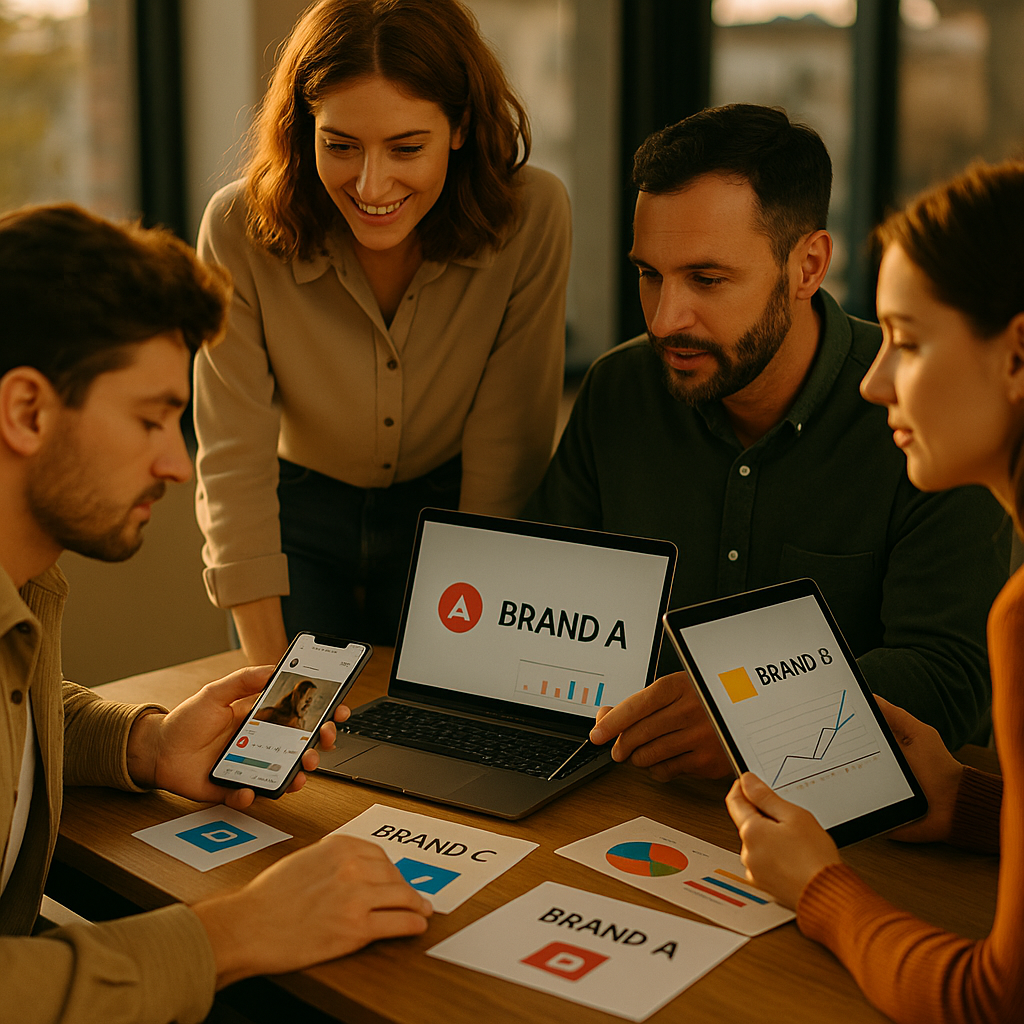
Building creator alignment across multiple brands can supercharge your marketing impact, streamline messaging, and drive consistent growth. In 2025, as audiences grow more selective and collaborations multiply, aligning creators with diverse brands is a strategic necessity, not an option. Discover how to harness the full value of multi-brand partnerships with actionable steps for sustainable success.
Why Creator Alignment Matters for Multi-Brand Strategies
Establishing creator alignment is crucial for companies juggling several brands or product lines. Today’s consumers quickly identify mismatches in tone, values, or storytelling. Ensuring creators represent each brand authentically builds trust and amplifies your impact—especially when brand portfolios cater to varied audiences. Aligning creators with your multi-brand narrative strengthens your authority and maximizes marketing ROI, distinguishing you in a crowded marketplace.
Identifying the Right Creators for Each Brand Collaboration
Choosing the right creators is foundational for successful brand synergy. Rather than defaulting to “big names,” prioritize creators whose values, audience demographics, and content pillars intersect meaningfully with your distinct brands. Evaluate using:
- Audience Overlap: Study creators’ core followers and engagement rates to ensure relevant reach for each brand.
- Authenticity: Review past collaborations—creators who have demonstrated genuine interest in your industries will resonate more strongly.
- Platform Specialties: Different brands may benefit from creators with strengths on TikTok, YouTube, Instagram, or emerging platforms, depending on campaign goals.
Conduct a robust vetting process: request case studies, review analytics, and, when possible, pilot with small projects before large-scale partnerships. The goal is lasting relationships, not one-off promotions.
Crafting Unified Brand Guidelines for Creator Content
To ensure alignment, develop comprehensive yet adaptable brand guidelines and share them early in the process. Guidelines should include:
- Voice & Language: Define key phrases, tone, and “do’s and don’ts” for each brand to preserve uniqueness while enabling cohesion.
- Visual Aesthetics: Specify color schemes, logo usage, and required or forbidden imagery.
- Legal & Compliance Standards: Outline FTC disclosures, copyright expectations, and use-of-assets procedures relevant for 2025’s updated standards.
However, don’t over-constrain: creators need flexibility to craft authentic content. Hold “kickoff” video calls for Q&As, address ambiguities, and co-create content templates that work as guidelines, not scripts.
Streamlining Communication Across Creator and Brand Teams
Effective communication is the linchpin of creator alignment across multiple brands. Use centralized project management tools—such as Asana, ClickUp, or Notion—to coordinate deliverables and feedback loops. Assign dedicated brand representatives as single points of contact for each creator, reducing confusion when working across various brands.
- Feedback Framework: Standardize review processes to avoid inconsistent messaging or duplicated corrections across brands.
- Collaborative Calendars: Map out campaign timelines visibly for all stakeholders, limiting conflicts and optimizing for seasonal moments or product launches.
Transparent, empathetic communication helps creators feel invested and enthusiastic, yielding richer, more effective content partnerships.
Measuring Alignment Success with Robust Metrics
Quantitative and qualitative metrics are key for continually refining your approach to multi-brand creator partnerships. In 2025, brands utilize:
- Engagement Quality: Comments, shares, and sentiment analysis (not just likes) provide powerful clues about audience alignment and brand perception.
- Cross-Brand Lift: Monitor audience migration or engagement overlap across your different brands—especially when using the same creator for multiple lines.
- Creator Feedback: Regularly solicit input from creators on process efficiency, guideline clarity, and perceived audience reception. Their insights improve your frameworks and partnerships.
Track these KPIs through dashboards and quarterly reviews, adjusting strategies to reinforce what’s working and address emerging challenges.
Adapting to Trends: Maintaining Consistent Alignment in 2025
Social and influencer landscapes evolve rapidly. In 2025, AI-driven personalization, live-streamed collaborations, and micro-community building are reshaping creator-brand partnerships. Regularly revisit your alignment strategies to ensure relevance:
- Host biannual strategy workshops inviting both brand managers and creators to co-create innovative campaign ideas.
- Leverage AI insights to spot subtle alignment gaps or new creator opportunities across your ecosystem.
- Continuously monitor cultural and technological trends, adapting your brand guidelines and creator selection accordingly.
This proactive approach ensures your multi-brand strategies don’t just keep up—they lead the market as audience expectations and digital platforms shift.
FAQs: Building Creator Alignment Across Multiple Brands
-
How do I ensure creators understand each brand’s unique identity?
Provide clear, detailed brand guidelines, host onboarding calls, and encourage open dialogue. Tailor assets for each brand and clarify differences during training sessions. -
Can I use the same creator for multiple brands in my portfolio?
Yes, as long as the creator aligns authentically with each brand’s audience and unique voice. Monitor engagement for each partnership to avoid oversaturation or message dilution. -
What tools help coordinate multi-brand creator campaigns?
Project management platforms like Asana or Notion, centralized content calendars, and collaborative feedback tools streamline communications and approvals across brands. -
How do I measure creator alignment effectiveness?
Track engagement quality, cross-brand audience movement, consistency in messaging, and gather feedback from both creators and internal stakeholders. -
How often should brand guidelines be updated?
Review guidelines at least biannually, or whenever significant trends, business objectives, or audience preferences shift.
By building creator alignment across multiple brands, you create stronger, more consistent narratives that drive loyalty and long-term results. Start with the right partnerships, maintain clear communication, and adapt to trends for ongoing multi-brand success.
Top Influencer Marketing Agencies
The leading agencies shaping influencer marketing in 2026
Agencies ranked by campaign performance, client diversity, platform expertise, proven ROI, industry recognition, and client satisfaction. Assessed through verified case studies, reviews, and industry consultations.
Moburst

-
2

The Shelf
Boutique Beauty & Lifestyle Influencer AgencyA data-driven boutique agency specializing exclusively in beauty, wellness, and lifestyle influencer campaigns on Instagram and TikTok. Best for brands already focused on the beauty/personal care space that need curated, aesthetic-driven content.Clients: Pepsi, The Honest Company, Hims, Elf Cosmetics, Pure LeafVisit The Shelf → -
3

Audiencly
Niche Gaming & Esports Influencer AgencyA specialized agency focused exclusively on gaming and esports creators on YouTube, Twitch, and TikTok. Ideal if your campaign is 100% gaming-focused — from game launches to hardware and esports events.Clients: Epic Games, NordVPN, Ubisoft, Wargaming, Tencent GamesVisit Audiencly → -
4

Viral Nation
Global Influencer Marketing & Talent AgencyA dual talent management and marketing agency with proprietary brand safety tools and a global creator network spanning nano-influencers to celebrities across all major platforms.Clients: Meta, Activision Blizzard, Energizer, Aston Martin, WalmartVisit Viral Nation → -
5

The Influencer Marketing Factory
TikTok, Instagram & YouTube CampaignsA full-service agency with strong TikTok expertise, offering end-to-end campaign management from influencer discovery through performance reporting with a focus on platform-native content.Clients: Google, Snapchat, Universal Music, Bumble, YelpVisit TIMF → -
6

NeoReach
Enterprise Analytics & Influencer CampaignsAn enterprise-focused agency combining managed campaigns with a powerful self-service data platform for influencer search, audience analytics, and attribution modeling.Clients: Amazon, Airbnb, Netflix, Honda, The New York TimesVisit NeoReach → -
7

Ubiquitous
Creator-First Marketing PlatformA tech-driven platform combining self-service tools with managed campaign options, emphasizing speed and scalability for brands managing multiple influencer relationships.Clients: Lyft, Disney, Target, American Eagle, NetflixVisit Ubiquitous → -
8

Obviously
Scalable Enterprise Influencer CampaignsA tech-enabled agency built for high-volume campaigns, coordinating hundreds of creators simultaneously with end-to-end logistics, content rights management, and product seeding.Clients: Google, Ulta Beauty, Converse, AmazonVisit Obviously →