


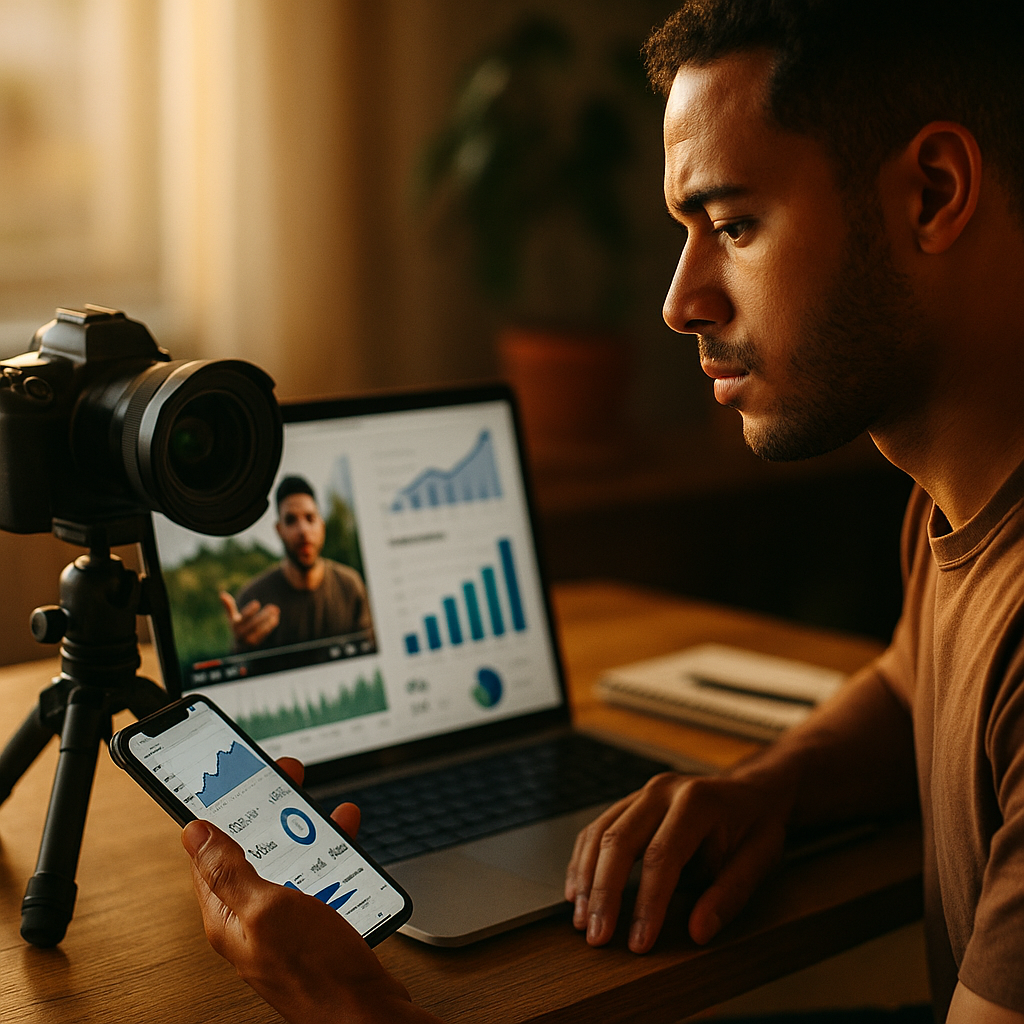
Tools for creator video performance forecasting have become invaluable in helping content creators anticipate how their videos will perform before they even hit publish. With constantly changing algorithms and audience behavior, accurate forecasting is crucial to growing and monetizing a channel. Discover how these tools empower you to outsmart the competition and master your video content strategy.
Unlocking Video Insights: How Video Analytics Tools Transform Forecasting
Reliable video analytics tools form the backbone of performance forecasting for creators. These platforms aggregate data from your social video channels—such as YouTube, Instagram, and TikTok—offering actionable insights about current trends, demographic engagement, and watch-time patterns.
Popular solutions like TubeBuddy, vidIQ, and Social Blade integrate directly with your channel, presenting real-time metrics and historic data trends. According to a 2025 survey by CreatorUp, over 77% of successful video creators use dedicated analytics tools to guide content planning.
- Predictive Metrics: Forecasts using machine learning models to suggest likely range of views, likes, and shares.
- Heatmaps and Engagement Graphs: Visualize where your audience rewinds or drops off, enabling precise topic and length optimization.
- Trend Spotting and Benchmarking: Identify rising content types or tags in your niche for maximum reach potential.
By interpreting this data, creators can make informed predictions, resulting in smarter uploads and higher ROI.
AI Video Forecasting Platforms: Predicting Virality with Precision
AI-powered video forecasting platforms have revolutionized how creators approach both short and long-form video content. Leveraging deep learning, these platforms crunch variables including upload time, thumbnail style, audience history, and keyword usage to predict future performance.
Platforms such as Tubular Intelligence, LatelyAI, and Sprout Social’s video modules equip creators with:
- Predictive Scoring: AI assigns each draft video a “viral probability score” based on millions of comparable videos and analytic factors.
- Automated Optimization Suggestions: Machine learning generates tailored recommendations—such as optimal title tweaks or tag additions—to maximize predicted reach.
- Cross-Platform Forecasting: See how a video might perform across YouTube Shorts versus TikTok, allowing for smarter cross-promotion.
This AI-backed precision enables micro-influencers and large creators alike to reduce guesswork and iterate rapidly.
Audience and Trend Analysis: Deep Dive into Viewer Behavior
Strong audience and trend analysis tools dissect your viewers’ evolving preferences, crucial for accurate performance forecasting. Understanding not just past engagement but emerging audience behavior helps creators stay ahead of algorithm shifts and content fatigue.
Tools like Google Trends, Vidooly, and CrowdTangle reveal insights such as:
- Keyword Surge Detection: Find topics that are starting to trend within your demographic or location.
- Sentiment Analysis: AI scans comments and engagement to measure audience mood, helping anticipate reception to planned videos.
- Retention and Demographics: Discover the exact moments audiences leave, and which age or geography segments drive watch-time, refining future forecasting.
Keeping a pulse on trends and evolving audience patterns lets creators adjust concepts before production, increasing the odds of creating the next viral hit.
Competitor Benchmarking Tools: Stay Ahead With Performance Comparisons
Competitor benchmarking tools ensure you never operate in a vacuum. By analyzing both direct competitors and trending creators in your niche, you can gauge what’s working, set realistic benchmarks, and discover white space for risk-free innovation.
Solutions like Socialinsider and YouTube Studio’s competitive tabs enable features such as:
- Performance Gaps: See exactly where your video engagement lags behind competing channels (likes, comments, completion rates).
- Content Calendar Insights: Track competitor upload frequency, posting times, and video formats with the highest views per minute.
- Hashtag Effectiveness: Uncover which tags and CTAs are driving top-quartile results for your niche, guiding your own strategy.
Understanding your competition’s wins and misses keeps your forecasting grounded in real, up-to-date data—not assumptions.
Practical Workflow: Integrating Creator Video Performance Forecasting Tools
Maximizing these creator video performance forecasting tools requires more than just access—it’s about integration. Successful creators blend analytics, AI predictions, and competitor benchmarking into their daily workflow:
- Research and Ideation: Use trend analysis to brainstorm topics with high predicted value.
- Draft and Optimize: AI video forecasting platforms score content and recommend tweaks before publishing.
- Post-Publish Refinement: Analytics dashboards monitor real-time performance. Insights feed into subsequent uploads, closing the learning loop.
- Quarterly Benchmarking: Use competitor analysis to update your content strategy against top-performing channels.
By systematically leveraging forecasting tools at each stage, creators minimize risk and maximize their hit rate.
Real-World Results: Case Study Highlights in 2025
Recent case studies underline the impact of using performance forecasting tools:
- Fitness Creators: By integrating Tubular Intelligence, one creator achieved a 120% year-on-year growth in watch hours by following AI-driven optimization.
- Educational Channels: A math education channel utilized competitor benchmarking plus audience retention heatmaps, delivering a 40% increase in average video duration.
- Short-Form Comedy: Leveraging sentiment analysis, a comedian pivoted content tone, driving a 3x spike in shares within two months.
These results replicate across verticals, confirming that systematic forecasting outperforms intuition alone.
In summary, tools for creator video performance forecasting provide creators with science-backed guidance and actionable data to boost views, retention, and revenue. Adopt these solutions, and gain the competitive edge you need for consistent channel growth in the dynamic 2025 digital landscape.
FAQs: Tools for Creator Video Performance Forecasting
-
What are the best tools for creator video performance forecasting?
Top tools include TubeBuddy, vidIQ, Tubular Intelligence, LatelyAI, Socialinsider, and Vidooly. Each specializes in analytics, AI predictions, or competitor benchmarking, so choosing the right mix depends on your platform focus and content goals.
-
Can AI really predict if my video will go viral?
AI platforms use massive datasets and pattern recognition to forecast virality with increasing accuracy, factoring in timing, topic, and audience behavior. While no tool can guarantee a viral hit, AI can significantly boost your odds by fine-tuning your content strategy.
-
Do free forecasting tools provide enough actionable insights?
Free tools offer basic analytics and can identify general trends or average watch-time. However, advanced forecasting—such as predictive scoring and sentiment analysis—typically requires paid solutions for the most actionable, granular insights.
-
How often should I update my forecasting approach?
As platform algorithms and audience interests change rapidly, review and refine your forecasting toolkit at least quarterly. Regular benchmarking against competitors and adopting new features ensures your predictions remain accurate and actionable.
-
Is video performance forecasting only for large creators?
No. Creators of all audience sizes benefit from forecasting tools—smaller channels, in particular, can leapfrog growth plateaus by identifying trends and optimizing content with data-driven confidence.
Top Influencer Marketing Agencies
The leading agencies shaping influencer marketing in 2026
Agencies ranked by campaign performance, client diversity, platform expertise, proven ROI, industry recognition, and client satisfaction. Assessed through verified case studies, reviews, and industry consultations.
Moburst

-
2

The Shelf
Boutique Beauty & Lifestyle Influencer AgencyA data-driven boutique agency specializing exclusively in beauty, wellness, and lifestyle influencer campaigns on Instagram and TikTok. Best for brands already focused on the beauty/personal care space that need curated, aesthetic-driven content.Clients: Pepsi, The Honest Company, Hims, Elf Cosmetics, Pure LeafVisit The Shelf → -
3

Audiencly
Niche Gaming & Esports Influencer AgencyA specialized agency focused exclusively on gaming and esports creators on YouTube, Twitch, and TikTok. Ideal if your campaign is 100% gaming-focused — from game launches to hardware and esports events.Clients: Epic Games, NordVPN, Ubisoft, Wargaming, Tencent GamesVisit Audiencly → -
4

Viral Nation
Global Influencer Marketing & Talent AgencyA dual talent management and marketing agency with proprietary brand safety tools and a global creator network spanning nano-influencers to celebrities across all major platforms.Clients: Meta, Activision Blizzard, Energizer, Aston Martin, WalmartVisit Viral Nation → -
5

The Influencer Marketing Factory
TikTok, Instagram & YouTube CampaignsA full-service agency with strong TikTok expertise, offering end-to-end campaign management from influencer discovery through performance reporting with a focus on platform-native content.Clients: Google, Snapchat, Universal Music, Bumble, YelpVisit TIMF → -
6

NeoReach
Enterprise Analytics & Influencer CampaignsAn enterprise-focused agency combining managed campaigns with a powerful self-service data platform for influencer search, audience analytics, and attribution modeling.Clients: Amazon, Airbnb, Netflix, Honda, The New York TimesVisit NeoReach → -
7

Ubiquitous
Creator-First Marketing PlatformA tech-driven platform combining self-service tools with managed campaign options, emphasizing speed and scalability for brands managing multiple influencer relationships.Clients: Lyft, Disney, Target, American Eagle, NetflixVisit Ubiquitous → -
8

Obviously
Scalable Enterprise Influencer CampaignsA tech-enabled agency built for high-volume campaigns, coordinating hundreds of creators simultaneously with end-to-end logistics, content rights management, and product seeding.Clients: Google, Ulta Beauty, Converse, AmazonVisit Obviously →