


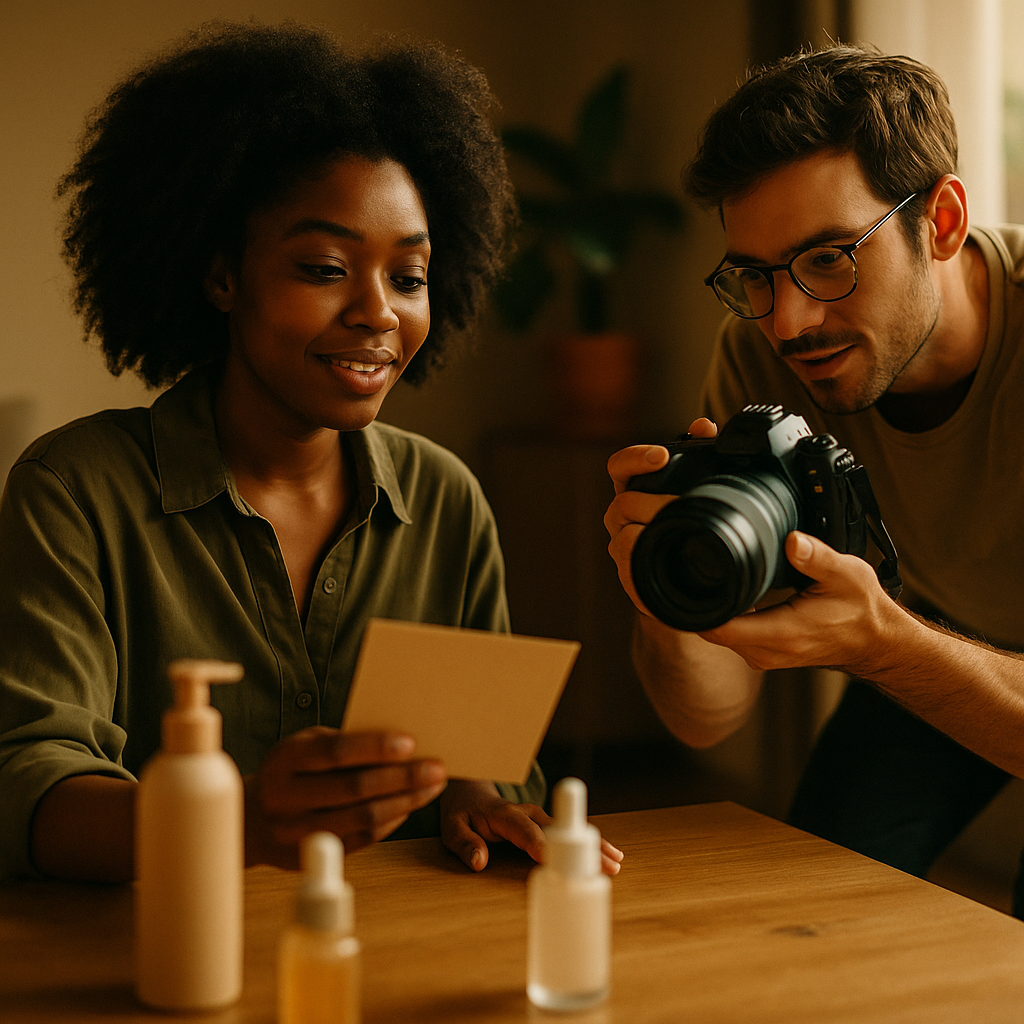
Brands across industries are shifting their strategies, with creators replacing traditional ambassadors as the faces of marketing campaigns in 2025. This evolution is driven by the rise of authentic storytelling and deep audience engagement. But why exactly are creators now preferred over classic brand ambassadors? Let’s explore the reasons behind this powerful transformation.
Creator Partnerships vs. Brand Ambassadors: Key Differences
The terms “creator” and “brand ambassador” were once used interchangeably, but now represent two distinct marketing mindsets. Traditional ambassadors are typically celebrities or public figures contracted for endorsements, often detached from the brand’s core audience. Their influence relies heavily on fame and established image rather than a personal connection to products.
Creators, on the other hand, build unique content on platforms like YouTube, TikTok, and Instagram. Their communities trust their recommendations because creators invest time in authentic storytelling and genuine engagement. In 2025, creators are not just promoting products—they’re integrating them into their daily narratives and user experiences, blurring the line between content and advertising. This fosters a level of authenticity audiences crave from marketing today.
Authenticity: The Cornerstone of Creator Influence
Audiences are more discerning than ever. The rise of authenticity in influencer marketing is clear from a recent Social Media Today survey, which found that 82% of consumers trust recommendations from creators who appear “real” over those from celebrities or paid spokespeople. Creators thrive in this environment by offering:
- Personal stories: Sharing their unfiltered experiences with a brand, often including both the positives and negatives.
- Consistent engagement: Responding to comments, answering questions, and adapting their content to audience feedback.
- Relatable content: Showcasing products in everyday life, rather than staged or glossy ad campaigns.
Brands have realized that this genuine storytelling outperforms scripted endorsements in both reach and conversion rates.
Measurable Impact: Superior ROI from Creator Marketing
Marketers are under greater pressure to demonstrate tangible return on investment (ROI). Unlike traditional ambassadors, whose value is challenging to quantify, creators provide access to detailed analytics across every campaign. In 2025, leading influencer platforms allow brands to track metrics such as:
- Engagement rates (likes, comments, shares)
- Click-through rates and traffic sources
- Conversion rates tied directly to creator content
- Audience demographics and sentiment analysis
A HubSpot study in early 2025 reported that brands working with creators achieved a 40% higher ROI compared to those using traditional ambassadors. This data-driven environment empowers companies to make smarter marketing investments and justify their spend to stakeholders.
Community Building: Creators Drive Loyal Audiences
Beyond sheer numbers, creators foster brand loyalty. Their communities—often built over years—are highly invested in the creator’s opinions and lifestyle. Instead of broadcasting a message to a passive audience, creators:
- Host interactive Q&A sessions and product trials
- Solicit user-generated content and feedback
- Regularly revisit and update sponsored product experiences
This two-way communication establishes a powerful trust factor. According to Statista, 73% of Gen Z consumers reported being more loyal to brands featured by their favorite creators compared to traditional ads or celebrity endorsements. Creators’ ability to nurture engaged micro-communities gives brands access to sustained, organic buzz.
Diversity and Niche Expertise: Expanding Brand Horizons
One of the most compelling advantages of creator partnerships is access to diverse voices and niche expertise. Traditional ambassadors often occupy broad, mainstream spaces. Creators, meanwhile, span a wide spectrum of communities—from vegan chefs and gaming streamers to eco-conscious travelers and financial educators.
This diversity enables brands to:
- Target highly specific segments with hyper-relevant content
- Enhance inclusivity by partnering with underrepresented voices
- Tap into emerging cultural trends and conversations
For example, a beauty brand in 2025 can work with creators specializing in sustainability, skincare for specific skin types, or inclusive product reviews—opening doors to previously untapped markets. Creators’ deep subject-matter knowledge enriches brand campaigns with credible and actionable insights.
Futureproofing: Why Creator Marketing Will Dominate in 2025 and Beyond
The shift towards creators isn’t a fleeting industry fad. Instead, it’s underpinned by long-term changes in consumer behavior and digital content consumption. Today’s audiences demand transparency and relatability—two areas where creators shine.
Add to this the evolving algorithms of digital platforms, which increasingly favor authentic, value-driven content over manufactured ads. As brands adopt AI-powered tools for influencer selection and content analysis, the agility and creativity of creators offer unmatched advantages. The future belongs to those who prioritize genuine connections—not just massive followings.
Conclusion
The reasons creators are replacing traditional ambassadors center on authenticity, measurable impact, and community engagement. In 2025, brands that invest in building genuine creator collaborations unlock loyalty, stronger ROI, and sustainable growth. The path forward is clear: embrace the creator economy or risk being left behind in an evolving digital landscape.
FAQs
-
What makes a creator different from a traditional brand ambassador?
Creators focus on original, audience-first content and ongoing engagement, whereas traditional ambassadors rely on celebrity status and scripted promotions. -
Are creators more effective for ROI compared to traditional ambassadors?
Yes. In 2025, creator campaigns are consistently delivering higher engagement and conversion rates, leading to stronger ROI than traditional endorsement deals. -
Can brands still benefit from working with both creators and traditional ambassadors?
Brands may blend both, but the trend and data indicate that creator-led marketing achieves more authentic and long-lasting consumer relationships. -
How can brands find the right creators for partnerships?
Utilize influencer platforms that offer robust data, audience insights, and authenticity metrics to ensure alignment with brand values and campaign goals. -
Do creators only work with lifestyle or beauty brands?
No. Creators span nearly every industry, including tech, finance, education, sports, and even B2B, offering niche expertise and deep audience trust.
Top Influencer Marketing Agencies
The leading agencies shaping influencer marketing in 2026
Agencies ranked by campaign performance, client diversity, platform expertise, proven ROI, industry recognition, and client satisfaction. Assessed through verified case studies, reviews, and industry consultations.
Moburst

-
2

The Shelf
Boutique Beauty & Lifestyle Influencer AgencyA data-driven boutique agency specializing exclusively in beauty, wellness, and lifestyle influencer campaigns on Instagram and TikTok. Best for brands already focused on the beauty/personal care space that need curated, aesthetic-driven content.Clients: Pepsi, The Honest Company, Hims, Elf Cosmetics, Pure LeafVisit The Shelf → -
3

Audiencly
Niche Gaming & Esports Influencer AgencyA specialized agency focused exclusively on gaming and esports creators on YouTube, Twitch, and TikTok. Ideal if your campaign is 100% gaming-focused — from game launches to hardware and esports events.Clients: Epic Games, NordVPN, Ubisoft, Wargaming, Tencent GamesVisit Audiencly → -
4

Viral Nation
Global Influencer Marketing & Talent AgencyA dual talent management and marketing agency with proprietary brand safety tools and a global creator network spanning nano-influencers to celebrities across all major platforms.Clients: Meta, Activision Blizzard, Energizer, Aston Martin, WalmartVisit Viral Nation → -
5

The Influencer Marketing Factory
TikTok, Instagram & YouTube CampaignsA full-service agency with strong TikTok expertise, offering end-to-end campaign management from influencer discovery through performance reporting with a focus on platform-native content.Clients: Google, Snapchat, Universal Music, Bumble, YelpVisit TIMF → -
6

NeoReach
Enterprise Analytics & Influencer CampaignsAn enterprise-focused agency combining managed campaigns with a powerful self-service data platform for influencer search, audience analytics, and attribution modeling.Clients: Amazon, Airbnb, Netflix, Honda, The New York TimesVisit NeoReach → -
7

Ubiquitous
Creator-First Marketing PlatformA tech-driven platform combining self-service tools with managed campaign options, emphasizing speed and scalability for brands managing multiple influencer relationships.Clients: Lyft, Disney, Target, American Eagle, NetflixVisit Ubiquitous → -
8

Obviously
Scalable Enterprise Influencer CampaignsA tech-enabled agency built for high-volume campaigns, coordinating hundreds of creators simultaneously with end-to-end logistics, content rights management, and product seeding.Clients: Google, Ulta Beauty, Converse, AmazonVisit Obviously →