


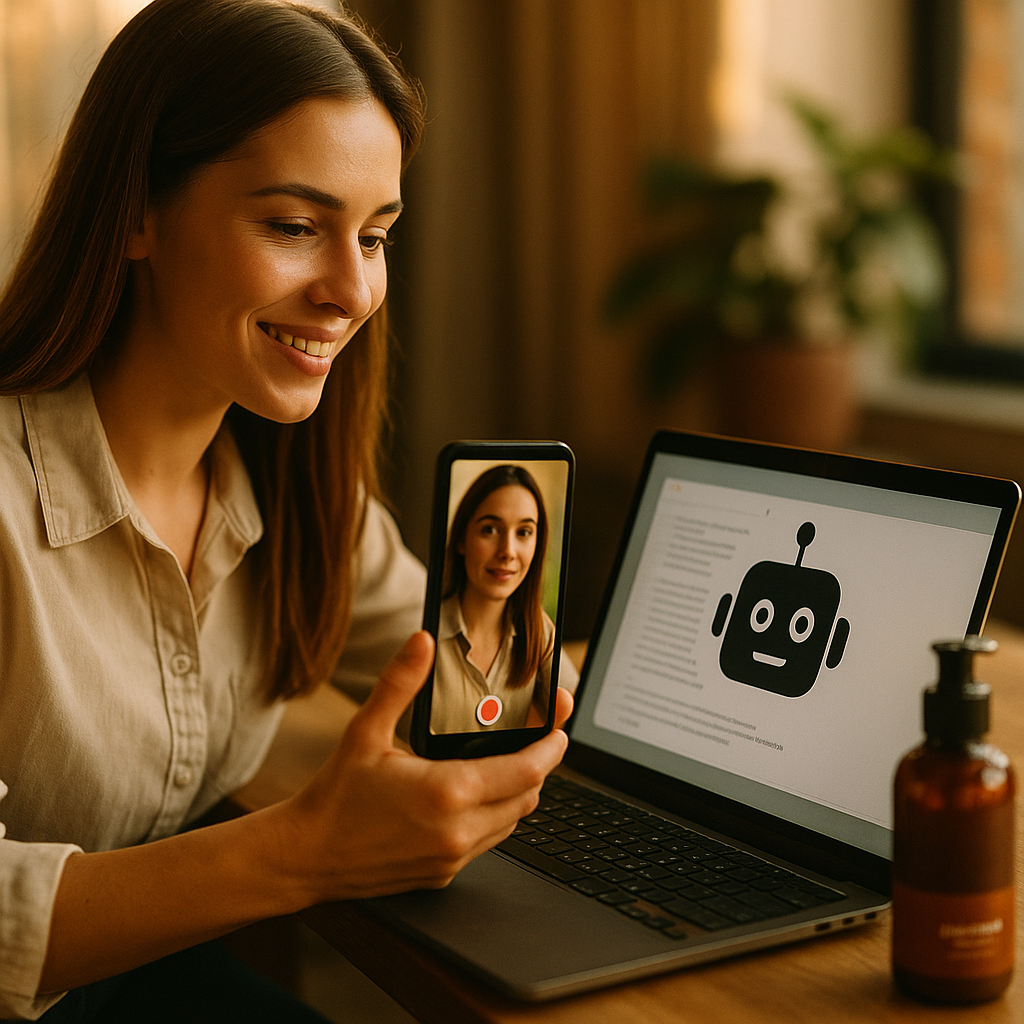
AI tools for scoring creator brand-voice fit are transforming how brands team up with influencers and content creators. These advanced technologies help marketers find the perfect match, ensuring higher engagement and authenticity. But how do these tools really work, and what should brands look for in 2025? Let’s explore why AI-driven voice-fit scoring matters more than ever.
Understanding Brand-Voice Fit: Why Alignment Matters for Brands and Creators
At its core, brand-voice fit describes how well a creator’s style, tone, and messaging align with a brand’s personality and values. As influencer marketing budgets grow—expected to reach $7.5 billion in the U.S. by 2025—alignment becomes crucial. Misaligned voices can erode trust, confuse audiences, and lead to wasted ad spend. When the match is right, campaigns deliver consistent messaging and higher ROI.
Consumers are increasingly discerning. According to a 2025 Edelman study, 66% of Gen Z buyers say authenticity in brand collaborations impacts purchase decisions. Brands must now vet creators beyond surface-level metrics, prioritizing voices that genuinely resonate with their identity. This is where AI steps in, analyzing massive datasets to objectively score fit.
How AI Tools Analyze and Score Creator Brand-Voice Fit
Modern AI brand alignment tools leverage advanced machine learning and natural language processing (NLP) to assess a creator’s style against brand guidelines. These solutions import brand documentation and run content audits on potential partners. Key features include:
- Language Style Matching: AI parses creator communication (captions, videos, blogs) and rates tone, formality, humor, and values against the brand’s.
- Sentiment Analysis: These tools detect underlying sentiment to ensure alignment—whether the brand prefers uplifting, bold, supportive, or authoritative voices.
- Semantic Analysis: AI reviews the frequency of brand-relevant themes and keywords to identify overlap or gaps in messaging priorities.
- Audience Resonance Checks: The technology compares audience reactions and engagement to brand voice expectations, identifying likely fits and red flags.
- Visual Content Analysis: In 2025, many AI tools also review visuals, scanning for style, color, and subject trends that complement the brand’s identity.
Combined, these assessments produce a quantifiable score—often displayed in dashboards—making selection more efficient and less subjective.
Key Benefits of AI-Driven Voice Fit Scoring for Brand Campaigns
The rise of AI-powered influencer matching brings tangible advantages to campaign planning and execution. Brands embracing these technologies see:
- Data-Backed Decision Making: Remove guesswork from creator vetting with transparent, evidence-based scores.
- Reduced Risk: Minimize brand safety concerns by flagging creators whose tone or values might lead to off-brand or controversial messaging.
- Time Savings: Automate what was once a manual, labor-intensive process. AI tools process hundreds of creators in hours instead of weeks.
- Improved Campaign Consistency: Ensure every collaborator delivers coherent and unified messaging across all platforms.
- Increased ROI: Recent surveys—such as Marketing Tech Monitor 2025—show AI-selected partnerships yield up to 27% higher campaign engagement rates.
For creators, AI scoring also means faster feedback loops and clearer guidelines, helping them build trust and long-term brand relationships.
Evaluating the Best AI Tools for Scoring Creator Brand-Voice Fit
The best AI brand matching tools in 2025 combine usability, deep analysis, and robust data security. Here’s what brands and agencies should prioritize:
- Transparency: Top tools explain their scoring logic and allow brands to customize what “fit” means to them, reducing black-box decisions.
- Integration: Leading solutions connect seamlessly with influencer platforms, CRMs, and campaign management suites.
- Ongoing Learning: The strongest AI continuously learns from campaign performance, updating its models to improve future recommendations.
- Ethical Data Practices: Prioritize tools that adhere to privacy standards and prohibit scraping without consent. In 2025, compliance is non-negotiable.
- Human Oversight Controls: While automation accelerates decisions, platforms that keep humans in the loop—enabling final review—yield the best outcomes.
Names like CreatorIQ, Tagger, and Upfluence offer evolving AI-scoring modules and are frequently updated to adapt to changing creator trends. Before investing, always trial the tech with a sample campaign and monitor both qualitative and quantitative results.
Real-World Applications: How Brands and Agencies Use AI for Voice Fit
The adoption of AI-based creator vetting has moved beyond theory to everyday marketing workflows. Consider these real-world examples:
- Global CPG Brands: Companies are using AI scoring to vet hundreds of micro-influencers across regions, ensuring every collaboration—whether for vegan snacks or fitness gear—feels on-brand and relevant.
- Agencies: Leading creative agencies pair AI insights with focus groups, blending quantitative and qualitative feedback for nuanced creator shortlisting.
- Direct-to-Consumer Startups: Fast-growing businesses rely on AI tools to rapidly scan creator databases and secure ideal partnerships before major product launches.
- Content Franchises: Media companies use visual and voice analysis to select online hosts whose persona authentically matches show themes and target demographics.
The results are measurable: streamlined onboarding, improved collaboration, and elevated campaign resonance. As AI models improve, expect use cases to broaden, touching everything from digital ad scripting to customer support avatars.
Future Outlook: Evolving Capabilities and What Brands Should Prepare For
The potential of AI creator-brand alignment will only expand in the coming years. Developers are fusing large language models (LLMs) with emotional intelligence algorithms, allowing for even more nuanced scoring. Expect tools to:
- Provide predictive fit analysis based on emerging cultural trends—helping brands secure creators whose voice will resonate months ahead.
- Incorporate real-time campaign monitoring so brands can course-correct if messaging veers off-brand mid-campaign.
- Facilitate collaborative voice workshops, where AI suggests actionable tweaks to copy and visuals—bridging any remaining fit gaps instantly.
Brands ready to invest now will gain a strategic edge, building creator partnerships that feel genuinely native across every platform, from TikTok to Threads.
In summary, AI tools for scoring creator brand-voice fit offer brands a powerful way to ensure authentic, data-driven collaborations. Successfully leveraging these technologies leads to stronger partnerships, campaign consistency, and higher impact in an increasingly crowded content landscape.
FAQs: AI Tools For Scoring Creator Brand-Voice Fit
-
How do AI tools determine a creator’s brand-voice fit?
AI tools analyze both written and visual content, comparing a creator’s language style, tone, sentiment, and visual identity with brand guidelines. They produce a quantifiable score that helps brands select the most aligned collaborators. -
Are these AI scoring systems accurate?
While no system is flawless, the latest AI models in 2025 use sophisticated algorithms and continually update their models based on feedback and new data, increasing accuracy with each campaign cycle. -
Can brands customize what “fit” means to them?
Yes. Most leading AI solutions let brands define their preferred voice traits and values, ensuring scores reflect unique brand personalities rather than generic benchmarks. -
What are the privacy considerations with these tools?
Compliance with privacy regulations is essential. Brands should use vendors that secure creator data, prohibit unauthorized scraping, and enable opt-out features for creators. -
Will AI replace human judgment in creator selection?
Not entirely. AI quickly narrows the field and offers objective data, but human marketing teams still play a crucial role in final selection and creative guidance.
Top Influencer Marketing Agencies
The leading agencies shaping influencer marketing in 2026
Agencies ranked by campaign performance, client diversity, platform expertise, proven ROI, industry recognition, and client satisfaction. Assessed through verified case studies, reviews, and industry consultations.
Moburst

-
2

The Shelf
Boutique Beauty & Lifestyle Influencer AgencyA data-driven boutique agency specializing exclusively in beauty, wellness, and lifestyle influencer campaigns on Instagram and TikTok. Best for brands already focused on the beauty/personal care space that need curated, aesthetic-driven content.Clients: Pepsi, The Honest Company, Hims, Elf Cosmetics, Pure LeafVisit The Shelf → -
3

Audiencly
Niche Gaming & Esports Influencer AgencyA specialized agency focused exclusively on gaming and esports creators on YouTube, Twitch, and TikTok. Ideal if your campaign is 100% gaming-focused — from game launches to hardware and esports events.Clients: Epic Games, NordVPN, Ubisoft, Wargaming, Tencent GamesVisit Audiencly → -
4

Viral Nation
Global Influencer Marketing & Talent AgencyA dual talent management and marketing agency with proprietary brand safety tools and a global creator network spanning nano-influencers to celebrities across all major platforms.Clients: Meta, Activision Blizzard, Energizer, Aston Martin, WalmartVisit Viral Nation → -
5

The Influencer Marketing Factory
TikTok, Instagram & YouTube CampaignsA full-service agency with strong TikTok expertise, offering end-to-end campaign management from influencer discovery through performance reporting with a focus on platform-native content.Clients: Google, Snapchat, Universal Music, Bumble, YelpVisit TIMF → -
6

NeoReach
Enterprise Analytics & Influencer CampaignsAn enterprise-focused agency combining managed campaigns with a powerful self-service data platform for influencer search, audience analytics, and attribution modeling.Clients: Amazon, Airbnb, Netflix, Honda, The New York TimesVisit NeoReach → -
7

Ubiquitous
Creator-First Marketing PlatformA tech-driven platform combining self-service tools with managed campaign options, emphasizing speed and scalability for brands managing multiple influencer relationships.Clients: Lyft, Disney, Target, American Eagle, NetflixVisit Ubiquitous → -
8

Obviously
Scalable Enterprise Influencer CampaignsA tech-enabled agency built for high-volume campaigns, coordinating hundreds of creators simultaneously with end-to-end logistics, content rights management, and product seeding.Clients: Google, Ulta Beauty, Converse, AmazonVisit Obviously →