


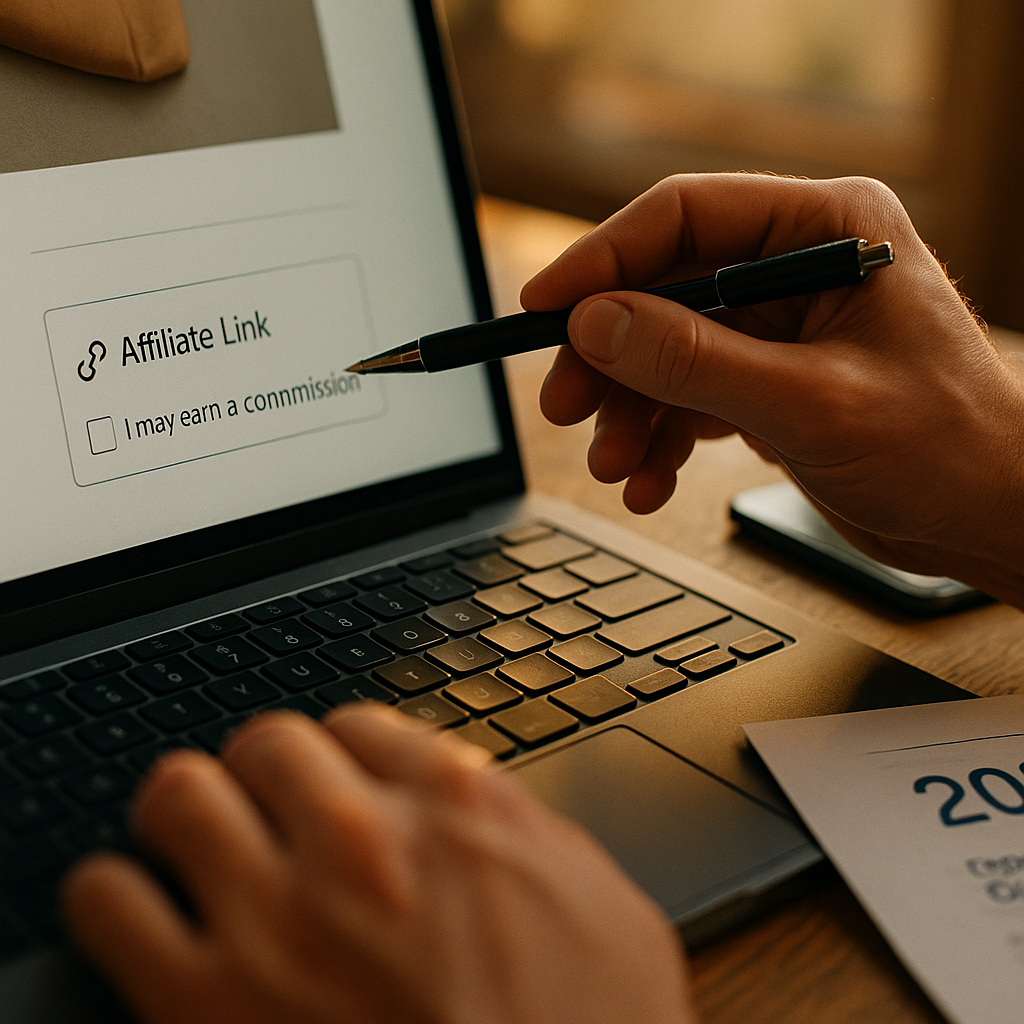
Disclosure rules for affiliate links and giftings are essential for content creators looking to maintain transparency online. Ensuring compliance helps build trust with audiences and avoid fines. In 2025, changes to digital advertising guidelines have made clear disclosures more important than ever. Read on to discover how to navigate these rules confidently and safeguard your reputation as a responsible influencer or marketer.
Why Affiliate Link Disclosure Matters in 2025
Affiliate link disclosure isn’t just a recommendation—it’s a legal requirement in most regions. Authorities like the Federal Trade Commission (FTC) and the UK’s Competition and Markets Authority (CMA) have intensified enforcement since 2020, and in 2025, their focus remains high. Transparent disclosures help audiences make informed decisions about recommended products or services. Proper disclosure also shields you from monetization penalties, lawsuits, or public backlash.
With growing consumer awareness and stricter regulations, not disclosing affiliate relationships can quickly erode trust. Modern audiences research before buying and expect to know when influencers may benefit financially from recommendations. According to a recent Pew Research Center survey in 2025, over 67% of consumers said proper disclosure directly impacts their trust in influencers. Complying with disclosure rules isn’t just about avoiding penalties—it’s about nurturing your long-term credibility.
Understanding Gifting and Sponsored Content Regulations
Giftings—where brands send products for free in exchange for exposure—also fall under disclosure guidelines. If you receive any compensation, including free products, travel, or services, you must clearly inform your audience. In 2025, both the FTC and European authorities define “material connection” broadly to include gifts, regardless of whether a positive review was promised or guaranteed.
Failing to disclose gifted products or sponsored content can mislead audiences and damage your brand’s integrity. Regulators penalize lack of transparency, and social platforms may remove your content for non-compliance. Always use unambiguous language such as “Paid Partnership,” “Gifted,” or “Contains Affiliate Links.” Vague statements or ambiguous tags do not meet current disclosure standards.
How to Make Affiliate Link Disclosures Clear and Conspicuous
Incorporating clear, conspicuous disclosures is key in 2025. Here’s how you can comply across different formats:
- Written content (blogs, articles): Place an affiliate disclosure at the top of the post, before the first affiliate link. Use language such as, “This post contains affiliate links. If you click and make a purchase, I may receive a commission at no extra cost to you.”
- Social media (Instagram, X/Twitter, TikTok): Include #ad, #gifted, or #sponsored at the very start of the caption or visible area. Don’t bury it in a cloud of hashtags or at the end of a post.
- Video content (YouTube, TikTok, Reels): State your disclosure verbally and include it in the description and on-screen text. YouTube’s built-in tools let you flag paid content, but always use your own clear wording as well.
Visual clarity matters. Avoid small fonts or colors that blend into backgrounds. Ensure your disclosures are easy for everyone—including visually impaired users—to recognize. This is not only a best practice but also aligns with evolving accessibility mandates in 2025.
Best Practices for Compliant Affiliate and Gifting Disclosures
To protect your audience and your brand in 2025, integrate these EEAT-aligned best practices into your workflow:
- Be upfront. Disclose affiliate links and gifted products before any recommendation or link, not after.
- Speak plainly. Replace ambiguous terms like “may contain links” with concrete, explicit statements about the relationship.
- Stay updated. Regularly review local and international regulatory updates. Subscribe to guidance from the FTC, CMA, or similar authorities.
- Disclose on every platform. Tailor your disclosures to each platform’s format requirements—followers shouldn’t have to guess.
- Record your compliance. Document your disclosures, updates, and policy reviews to demonstrate effort if questioned by regulators or partners.
These best practices not only meet legal standards, but also show your expertise and trustworthiness to your community, sponsors, and potential partners. In the digital landscape of 2025, those who demonstrate transparency grow faster and face fewer risks.
Common Disclosure Mistakes Influencers and Marketers Make
Even experienced creators may unintentionally fall short of full compliance. Here are the most frequently observed mistakes in 2025 and how to fix them:
- Burying disclosures: Placing notices at the end of long posts or in fine print makes them ineffective. Disclosures should be prominent and immediate.
- Using misleading language: Phrases like “Thanks to Brand X” or “Partnered with” may fail to communicate the nature of the benefit, such as payment or gifting.
- Inconsistent disclosures: Failing to disclose appropriately across all platforms or in every piece of content can confuse audiences and attract regulatory action.
- Not updating practices for new formats: Short-form video, live streams, and stories each require tailored disclosure strategies. As new channels emerge in 2025, adapt your compliance routine for each one.
If you’re unsure about a relationship, err on the side of fully transparent disclosure. When in doubt, more is better—your audience and regulators will appreciate your thoroughness.
What to Do If You Miss a Disclosure
Mistakes happen. If you realize you’ve missed a required disclosure, act promptly:
- Edit the original content to add the correct disclosure language as soon as possible.
- If editing isn’t possible, follow up with a comment or additional post clarifying the missed disclosure.
- Apologize transparently to your audience—openness can help preserve trust.
- Review your content schedule and compliance checklists to strengthen future disclosure routines.
Most authorities—including the FTC—consider intent and corrective action. Demonstrating that you take compliance seriously and act quickly to fix mistakes counts in your favor. It’s also wise to document communications and changes for your own records.
Frequently Asked Questions on Disclosure Rules for Affiliate Links and Giftings
-
Do I have to disclose every affiliate link or only the first one?
Yes. While a general disclosure at the start is helpful, best practice is to clarify near every affiliate link or related section, so readers don’t miss important information. -
Is “#ad” enough as a disclosure for gifted items?
In 2025, authorities recommend more specific tags, such as #gifted or clear phrases like “Gifted by [Brand]”. If you both receive payment and free products, clarify both. -
What if a company gives me a discount but not a free product—do I disclose?
Yes. Reduced pricing, discounts, or any special consideration from a brand counts as a material connection and requires disclosure, under current FTC and international guidance. -
Do disclosures count for podcasts or live streams?
Absolutely. Disclose both verbally at the start and in the episode description or stream chat at intervals, so all audiences are aware, regardless of when they tune in. -
What if my audience “already knows” I use affiliate links?
Do not assume prior knowledge. Each new interaction should include clear disclosure—regulators and platforms require it, no matter your community’s familiarity.
In summary, disclosure rules for affiliate links and giftings are stricter and more vital than ever in 2025. Clear, upfront communication protects your audience, your income, and your online reputation. Make comprehensive, prominent disclosures your standard practice—and you’ll nurture both trust and long-term success.
Top Influencer Marketing Agencies
The leading agencies shaping influencer marketing in 2026
Agencies ranked by campaign performance, client diversity, platform expertise, proven ROI, industry recognition, and client satisfaction. Assessed through verified case studies, reviews, and industry consultations.
Moburst

-
2

The Shelf
Boutique Beauty & Lifestyle Influencer AgencyA data-driven boutique agency specializing exclusively in beauty, wellness, and lifestyle influencer campaigns on Instagram and TikTok. Best for brands already focused on the beauty/personal care space that need curated, aesthetic-driven content.Clients: Pepsi, The Honest Company, Hims, Elf Cosmetics, Pure LeafVisit The Shelf → -
3

Audiencly
Niche Gaming & Esports Influencer AgencyA specialized agency focused exclusively on gaming and esports creators on YouTube, Twitch, and TikTok. Ideal if your campaign is 100% gaming-focused — from game launches to hardware and esports events.Clients: Epic Games, NordVPN, Ubisoft, Wargaming, Tencent GamesVisit Audiencly → -
4

Viral Nation
Global Influencer Marketing & Talent AgencyA dual talent management and marketing agency with proprietary brand safety tools and a global creator network spanning nano-influencers to celebrities across all major platforms.Clients: Meta, Activision Blizzard, Energizer, Aston Martin, WalmartVisit Viral Nation → -
5

The Influencer Marketing Factory
TikTok, Instagram & YouTube CampaignsA full-service agency with strong TikTok expertise, offering end-to-end campaign management from influencer discovery through performance reporting with a focus on platform-native content.Clients: Google, Snapchat, Universal Music, Bumble, YelpVisit TIMF → -
6

NeoReach
Enterprise Analytics & Influencer CampaignsAn enterprise-focused agency combining managed campaigns with a powerful self-service data platform for influencer search, audience analytics, and attribution modeling.Clients: Amazon, Airbnb, Netflix, Honda, The New York TimesVisit NeoReach → -
7

Ubiquitous
Creator-First Marketing PlatformA tech-driven platform combining self-service tools with managed campaign options, emphasizing speed and scalability for brands managing multiple influencer relationships.Clients: Lyft, Disney, Target, American Eagle, NetflixVisit Ubiquitous → -
8

Obviously
Scalable Enterprise Influencer CampaignsA tech-enabled agency built for high-volume campaigns, coordinating hundreds of creators simultaneously with end-to-end logistics, content rights management, and product seeding.Clients: Google, Ulta Beauty, Converse, AmazonVisit Obviously →