


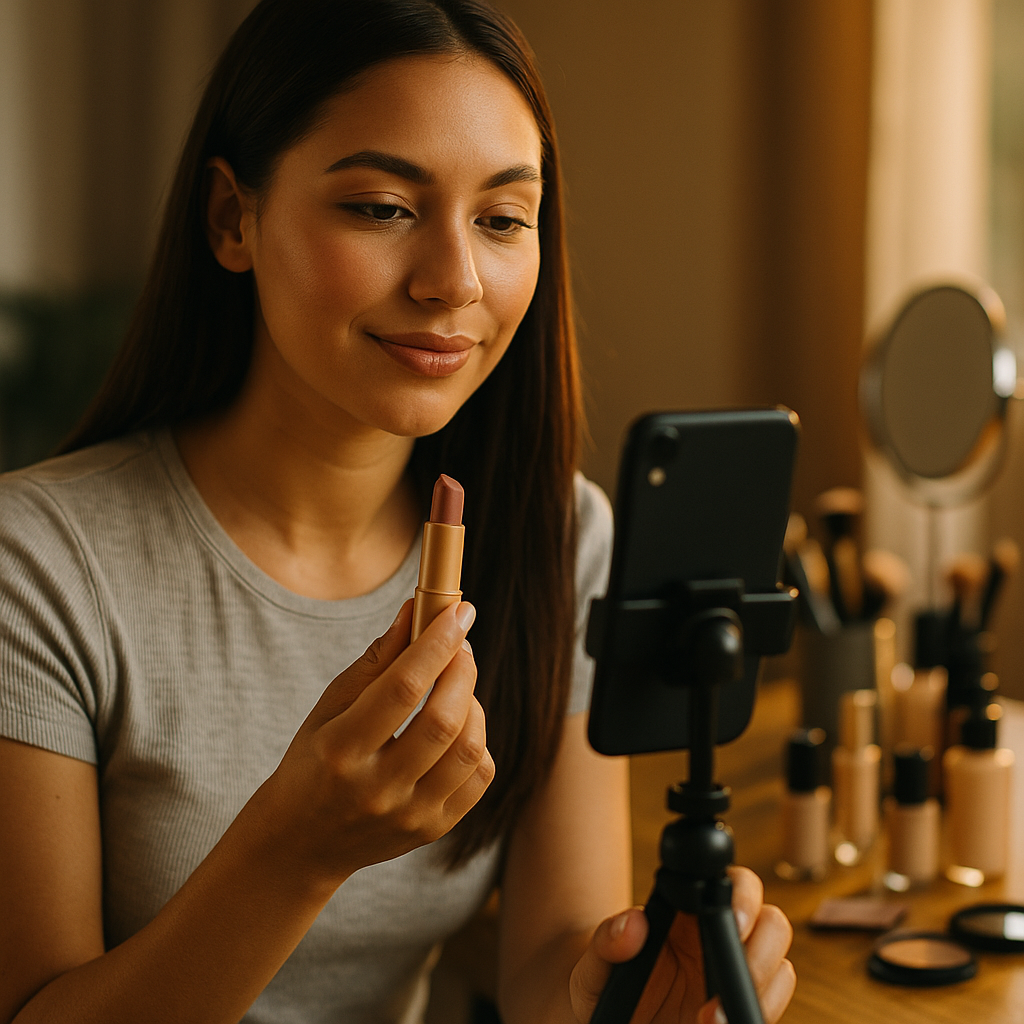
The shift from macro to micro influencers in the beauty industry is transforming how brands reach and resonate with consumers. As audiences seek relatable voices and authentic recommendations, companies are rethinking influencer partnerships more strategically than ever. Why are beauty brands moving away from superstar endorsements and how does this impact your own beauty buying journey?
The Changing Landscape of Beauty Influencer Marketing
Influencer marketing has undergone a dramatic transformation in the beauty industry over the past several years. Once, large-scale macro influencers—those with hundreds of thousands or even millions of followers—dominated the space, charging premium rates for a single post or collaborative campaign. However, savvy beauty brands in 2025 now increasingly turn to micro influencers—content creators with between 10,000 and 100,000 engaged followers—who maintain a smaller but highly loyal audience.
This shift reflects changing consumer preferences. According to a recent survey by Influencer Marketing Hub, over 60% of beauty shoppers now state they trust micro influencer recommendations more than posts from mega-influencers or celebrities. As the beauty market grows ever more crowded, authenticity and real connection have taken center stage, challenging traditional marketing assumptions.
Why Brands Are Choosing Micro Influencers for Beauty Campaigns
The appeal of micro influencers for beauty brands stems largely from their proven ability to drive real engagement. Unlike macro influencers, micro creators tend to foster tight-knit digital communities where followers view them as trusted friends or knowledgeable peers. This results in:
- Higher Engagement Rates: Micro influencers frequently achieve engagement rates of 6–10%, compared to 1–3% for macros, as reported by AspireIQ in early 2025.
- Cost Efficiency: Leveraging several micro influencers is more cost-effective than a single macro influencer post, enabling brands to stretch advertising budgets further and diversify reach.
- Targeted Niches: Micro creators often serve specific niches—like clean beauty, skincare for sensitive skin, or cruelty-free makeup—allowing brands to connect directly with relevant audiences.
As consumers grow increasingly savvy about sponsored content, they look for influencers whose recommendations reflect genuine usage and deep knowledge. Beauty brands reap the rewards of partnering with influencers who sincerely love and use their products, resulting in greater trust and conversion rates.
Authenticity: The Key to Building Consumer Trust
Authenticity lies at the heart of the micro influencer advantage in beauty marketing. Where macro influencers may promote a wide range of brands, micro influencers often focus on select products that align with their personal style and values. This narrower focus fosters credibility among followers and minimizes the risk of audience “influencer fatigue.”
For instance, beauty shoppers in 2025 often report recognizing when product posts feel scripted or impersonal—a common critique of large-scale influencer campaigns. In contrast, micro influencers typically produce detailed, honest reviews and tutorials. They answer direct messages, respond to comments, and maintain dialogue with their audience, deepening loyalty and sustaining purchasing behavior.
The Impact on Beauty Buying Behaviors in 2025
The focus on micro influencers is reshaping not just marketing budgets, but also how customers discover, research, and buy beauty products. Today’s beauty consumers turn to Instagram Reels, TikTok mini-tutorials, and skincare routines from real micro influencers to inform their buying decisions. According to a 2025 Nielsen Beauty Consumer Study, 45% of Gen Z and Millennial shoppers found their most recent favorite product through a micro influencer’s content.
This trend also democratizes beauty marketing. Previously, only those with vast follower counts or industry connections gained access to product launches or sponsorships. Now, brands are scouting diverse voices and everyday beauty lovers, resulting in a wider range of skin tones, hair textures, and beauty needs being represented across campaigns.
For readers considering their next beauty purchase, it’s worth noting that micro influencer content—such as before-and-after photos, authentic product demos, and in-depth ingredient breakdowns—can provide more actionable insights than traditional advertisements or celebrity endorsements.
Choosing the Right Influencer Partnership: What Beauty Brands Need to Know
Beauty brands face the challenge of identifying which creators are a genuine brand fit. Succeeding in the shift from macro to micro influencers requires thoughtful selection strategies centered on:
- Authenticity and Alignment: Selecting influencers whose online persona, values, and aesthetic match the brand’s own mission—whether it’s sustainability, diversity, or innovation.
- Audience Analysis: Using social listening tools and demographic insights to ensure an influencer’s followers align with a campaign’s target market.
- Content Quality and Consistency: Reviewing a creator’s content to ensure high production value, transparent disclosures, and genuine product integration in their posts.
- Long-term Relationships: Building ongoing partnerships, beyond one-off sponsorships, to foster trust and enable authentic storytelling that resonates over time.
Partnering with the right micro influencers also means brands must respect their creative vision and provide support—without overly scripting content. This allows the influencer’s natural voice to shine, further boosting authenticity and effectiveness.
The Future of Influencer Marketing in the Beauty Industry
Looking forward, the balance between macro and micro influencers is likely to continue evolving as technology, regulation, and consumer expectations shift. New social platforms, advances in artificial intelligence, and stricter disclosure rules are empowering both brands and average beauty lovers to become more ethical and resourceful participants in the influencer space.
Micro influencers will remain central to the industry’s growth, serving as bridges between brands and consumers. By prioritizing transparency, diversity, and genuine passion, beauty companies can foster communities and conversations that drive ongoing customer loyalty in 2025 and beyond.
In summary, the shift from macro to micro influencers in the beauty industry highlights the power of authenticity, engagement, and niche expertise. For both brands and consumers, seeking connections with credible, relatable creators is key to shaping the future of beauty marketing in an ever-crowded digital world.
FAQs: Shift from Macro to Micro Influencers in Beauty Industry
-
What is the main difference between macro and micro influencers in beauty?
Macro influencers have very large followings (typically over 100,000), while micro influencers have between 10,000 to 100,000 followers. Micro influencers tend to have more engaged, niche audiences and are seen as more relatable and authentic in their recommendations.
-
Why are beauty brands prioritizing micro influencers in 2025?
Brands are prioritizing micro influencers due to their higher engagement rates, cost effectiveness, targeted niche expertise, and stronger trust with followers. These attributes help brands create genuine connections and improve ROI compared to traditional macro influencer campaigns.
-
How does partnering with micro influencers impact consumer trust?
Micro influencers foster closer relationships with their audiences, frequently sharing personal experiences and honest product reviews. This builds credibility and trust, which directly influences consumer purchasing decisions in the beauty market.
-
What should beauty brands consider when selecting micro influencers?
Brands should assess authenticity, audience alignment, content quality, and the potential for long-term partnerships. It’s crucial to support influencers’ creative freedom while ensuring a good match with the brand’s values and target market.
-
Can macro influencers still be effective in beauty marketing?
Yes, macro influencers can still drive brand awareness and reach large audiences, but micro influencers often deliver more meaningful engagement and conversion—especially for niche campaigns or when building lasting customer trust is a priority.
Top Influencer Marketing Agencies
The leading agencies shaping influencer marketing in 2026
Agencies ranked by campaign performance, client diversity, platform expertise, proven ROI, industry recognition, and client satisfaction. Assessed through verified case studies, reviews, and industry consultations.
Moburst

-
2

The Shelf
Boutique Beauty & Lifestyle Influencer AgencyA data-driven boutique agency specializing exclusively in beauty, wellness, and lifestyle influencer campaigns on Instagram and TikTok. Best for brands already focused on the beauty/personal care space that need curated, aesthetic-driven content.Clients: Pepsi, The Honest Company, Hims, Elf Cosmetics, Pure LeafVisit The Shelf → -
3

Audiencly
Niche Gaming & Esports Influencer AgencyA specialized agency focused exclusively on gaming and esports creators on YouTube, Twitch, and TikTok. Ideal if your campaign is 100% gaming-focused — from game launches to hardware and esports events.Clients: Epic Games, NordVPN, Ubisoft, Wargaming, Tencent GamesVisit Audiencly → -
4

Viral Nation
Global Influencer Marketing & Talent AgencyA dual talent management and marketing agency with proprietary brand safety tools and a global creator network spanning nano-influencers to celebrities across all major platforms.Clients: Meta, Activision Blizzard, Energizer, Aston Martin, WalmartVisit Viral Nation → -
5

The Influencer Marketing Factory
TikTok, Instagram & YouTube CampaignsA full-service agency with strong TikTok expertise, offering end-to-end campaign management from influencer discovery through performance reporting with a focus on platform-native content.Clients: Google, Snapchat, Universal Music, Bumble, YelpVisit TIMF → -
6

NeoReach
Enterprise Analytics & Influencer CampaignsAn enterprise-focused agency combining managed campaigns with a powerful self-service data platform for influencer search, audience analytics, and attribution modeling.Clients: Amazon, Airbnb, Netflix, Honda, The New York TimesVisit NeoReach → -
7

Ubiquitous
Creator-First Marketing PlatformA tech-driven platform combining self-service tools with managed campaign options, emphasizing speed and scalability for brands managing multiple influencer relationships.Clients: Lyft, Disney, Target, American Eagle, NetflixVisit Ubiquitous → -
8

Obviously
Scalable Enterprise Influencer CampaignsA tech-enabled agency built for high-volume campaigns, coordinating hundreds of creators simultaneously with end-to-end logistics, content rights management, and product seeding.Clients: Google, Ulta Beauty, Converse, AmazonVisit Obviously →