


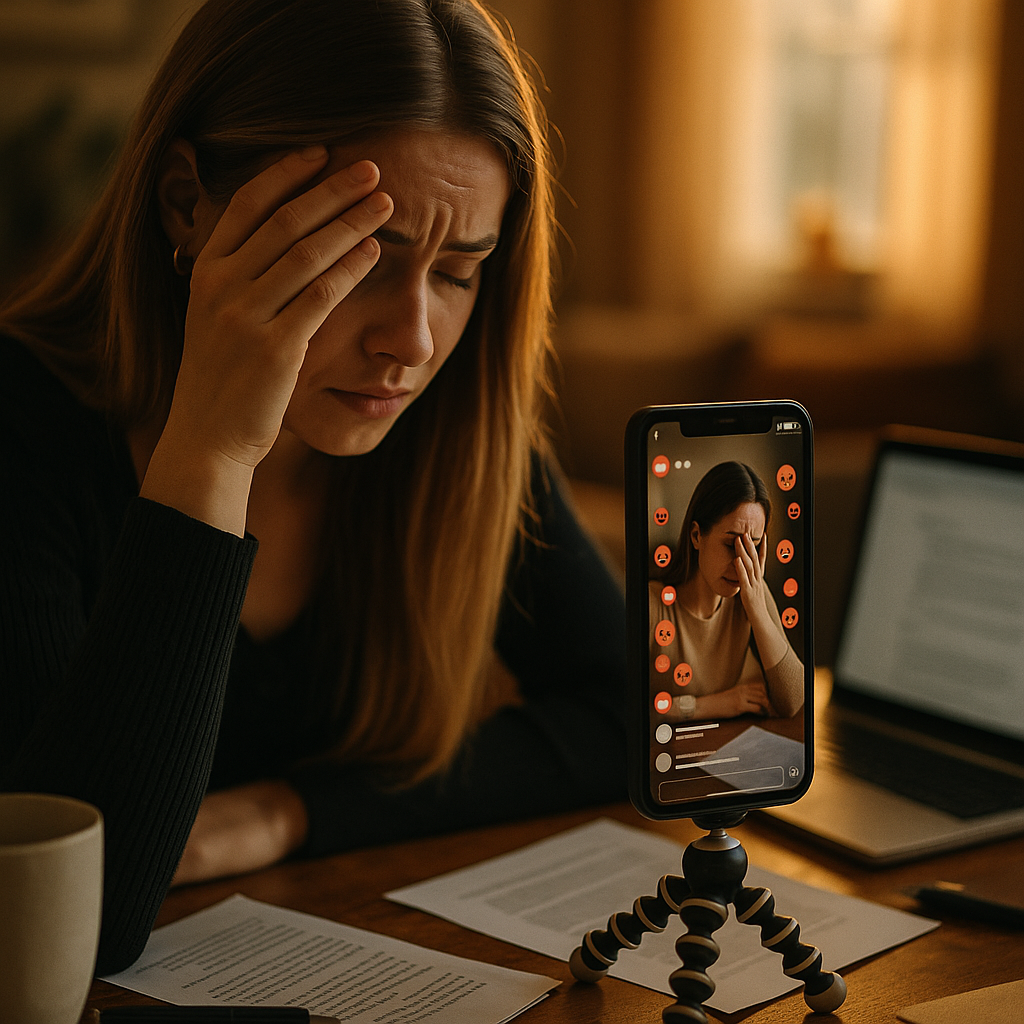
Handling an influencer PR crisis requires swift, strategic action, as public scrutiny can quickly escalate and damage brand reputation. In 2025, with social media amplifying every move, companies must be proactive and transparent when managing these high-stakes situations. Discover expert tactics and real-world strategies to not only survive but rebuild trust during a digital-era influencer PR crisis.
Understanding Influencer PR Crisis Dynamics in 2025
An influencer PR crisis can ignite in minutes and go viral within hours. Factors such as audience trust, instant information sharing, and brand associations raise the stakes. In 2025, over 70% of brands collaborate with influencers, making brands particularly vulnerable to public missteps—from controversial statements to ethical breaches. Recognizing the anatomy of these crises enables companies to respond thoughtfully.
Key elements to monitor include:
- Nature of the incident: Is it a single misstep or part of a broader controversy?
- Influencer’s reach and platform: The impact multiplies with larger audiences and cross-platform visibility.
- Existing relationship dynamics: How closely is your brand tied to the influencer’s persona and values?
An agile, knowledgeable team prepared for rapid escalation is vital; waiting to react can lead to significant backlash.
Building a Proactive Social Media Crisis Plan
A strong influencer marketing crisis management plan is your safety net. The most resilient brands prepare before any issues arise. This includes establishing clear guidelines for influencers on ethics, conduct, and immediate communication protocols.
Companies should also:
- Maintain an updated crisis response contact list, including internal teams and legal advisors
- Define messaging chains and approval workflows for rapid releases
- Set up active monitoring using social listening tools for real-time sentiment analysis
- Establish escalation protocols for high-risk situations
Preparation minimizes confusion and streamlines responses, helping brands maintain composure under pressure.
Effective Communication Strategies for Public Relations Damage Control
Executing timely, authentic public statements is critical for damage control in influencer crises. Begin with an internal alignment—ensure your team has a unified understanding of the situation. Quickly publish a factual, empathetic statement tailored to your brand and audience. Acknowledge the issue, express concern, and outline actionable next steps.
Avoid vague corporate jargon. Instead:
- Offer transparency: Share what you know and what is still being investigated
- Demonstrate accountability: Accept responsibility where appropriate
- Commit to updates: Promise regular communication as new information becomes available
Transparency mitigates rumors and shows stakeholders that the brand values integrity and trust.
Monitoring and Managing Social Media Backlash
Real-time social media reputation management is a must during a crisis. Monitor all channels where the issue is trending. Use social listening platforms to track sentiment, key themes, and influencer commentary.
Respond to key conversations strategically:
- Address critical questions with tailored, fact-based responses
- De-escalate negativity by clarifying misinformation or offering support
- Stay professional and empathetic, focusing on long-term reputation over short-term wins
Assign a dedicated response team to filter out trolling and prioritize genuine stakeholder concerns, ensuring the brand voice remains consistent and constructive.
Collaborating with Influencers to Restore Trust
Brand-influencer crisis collaboration is essential to rebuilding credibility. Post-crisis, engage the impacted influencer(s) privately to discuss the situation, expectations, and cooperative next steps. Decide together if a co-authored apology, an educational content piece, or joint initiatives are appropriate.
Where suitable, empower the influencer to address their community authentically. Equip them with accurate information and a clear understanding of your brand’s values. If partnerships end, issue a clear statement outlining the rationale, emphasizing your brand’s ethical stance.
Consider running social good campaigns that tangibly address criticisms—actions speak louder than words and help re-establish trust.
Learning and Evolving: Preventing Future PR Mishaps
After an influencer PR crisis, run a full debrief. Review what occurred, assess where policies or workflows failed, and gather feedback from all teams. Regularly update influencer vetting criteria and crisis guidelines, making use of new technologies and industry standards.
Implement ongoing training in crisis communication and social responsibility for your influencer partners. Encourage a culture of openness—mistakes should lead to learning, not just damage control. This proactive approach fortifies your brand and prepares you for future challenges.
FAQs: Handling an Influencer PR Crisis
-
What’s the first step when facing an influencer PR crisis?
Gather all facts immediately, align your internal team, and assess the crisis scope. Rapidly inform stakeholders with a short, empathetic holding statement while preparing a detailed response. -
How can brands reduce backlash on social media?
Monitor trends using social listening, respond promptly and empathetically, and address misinformation with accurate updates. Avoid automated replies—personalized communication resonates better with audiences. -
Should brands publicly end partnerships with problematic influencers?
If the influencer’s actions conflict with your brand values, a public, well-explained disengagement maintains your brand’s integrity. Be transparent about your decision and reinforce your company’s standards. -
What role do crisis simulations play in preparation?
Crisis simulations prepare your team for real-time decision-making and identify weak points in your existing plan. They build confidence and improve response speeds during high-pressure situations. -
How long does reputation recovery take post-crisis?
Recovery timelines vary based on crisis severity, brand response, and public sentiment. Consistent, transparent follow-up and proactive engagement often accelerate the process and rebuild audience trust.
Handling an influencer PR crisis effectively hinges on swift action, transparency, and ongoing learning. Building a robust crisis management plan and fostering trusted partnerships helps shield your brand while enabling quick recovery. Prioritize preparation and open communication to turn crisis moments into opportunities for stronger public trust.
Top Influencer Marketing Agencies
The leading agencies shaping influencer marketing in 2026
Agencies ranked by campaign performance, client diversity, platform expertise, proven ROI, industry recognition, and client satisfaction. Assessed through verified case studies, reviews, and industry consultations.
Moburst

-
2

The Shelf
Boutique Beauty & Lifestyle Influencer AgencyA data-driven boutique agency specializing exclusively in beauty, wellness, and lifestyle influencer campaigns on Instagram and TikTok. Best for brands already focused on the beauty/personal care space that need curated, aesthetic-driven content.Clients: Pepsi, The Honest Company, Hims, Elf Cosmetics, Pure LeafVisit The Shelf → -
3

Audiencly
Niche Gaming & Esports Influencer AgencyA specialized agency focused exclusively on gaming and esports creators on YouTube, Twitch, and TikTok. Ideal if your campaign is 100% gaming-focused — from game launches to hardware and esports events.Clients: Epic Games, NordVPN, Ubisoft, Wargaming, Tencent GamesVisit Audiencly → -
4

Viral Nation
Global Influencer Marketing & Talent AgencyA dual talent management and marketing agency with proprietary brand safety tools and a global creator network spanning nano-influencers to celebrities across all major platforms.Clients: Meta, Activision Blizzard, Energizer, Aston Martin, WalmartVisit Viral Nation → -
5

The Influencer Marketing Factory
TikTok, Instagram & YouTube CampaignsA full-service agency with strong TikTok expertise, offering end-to-end campaign management from influencer discovery through performance reporting with a focus on platform-native content.Clients: Google, Snapchat, Universal Music, Bumble, YelpVisit TIMF → -
6

NeoReach
Enterprise Analytics & Influencer CampaignsAn enterprise-focused agency combining managed campaigns with a powerful self-service data platform for influencer search, audience analytics, and attribution modeling.Clients: Amazon, Airbnb, Netflix, Honda, The New York TimesVisit NeoReach → -
7

Ubiquitous
Creator-First Marketing PlatformA tech-driven platform combining self-service tools with managed campaign options, emphasizing speed and scalability for brands managing multiple influencer relationships.Clients: Lyft, Disney, Target, American Eagle, NetflixVisit Ubiquitous → -
8

Obviously
Scalable Enterprise Influencer CampaignsA tech-enabled agency built for high-volume campaigns, coordinating hundreds of creators simultaneously with end-to-end logistics, content rights management, and product seeding.Clients: Google, Ulta Beauty, Converse, AmazonVisit Obviously →