


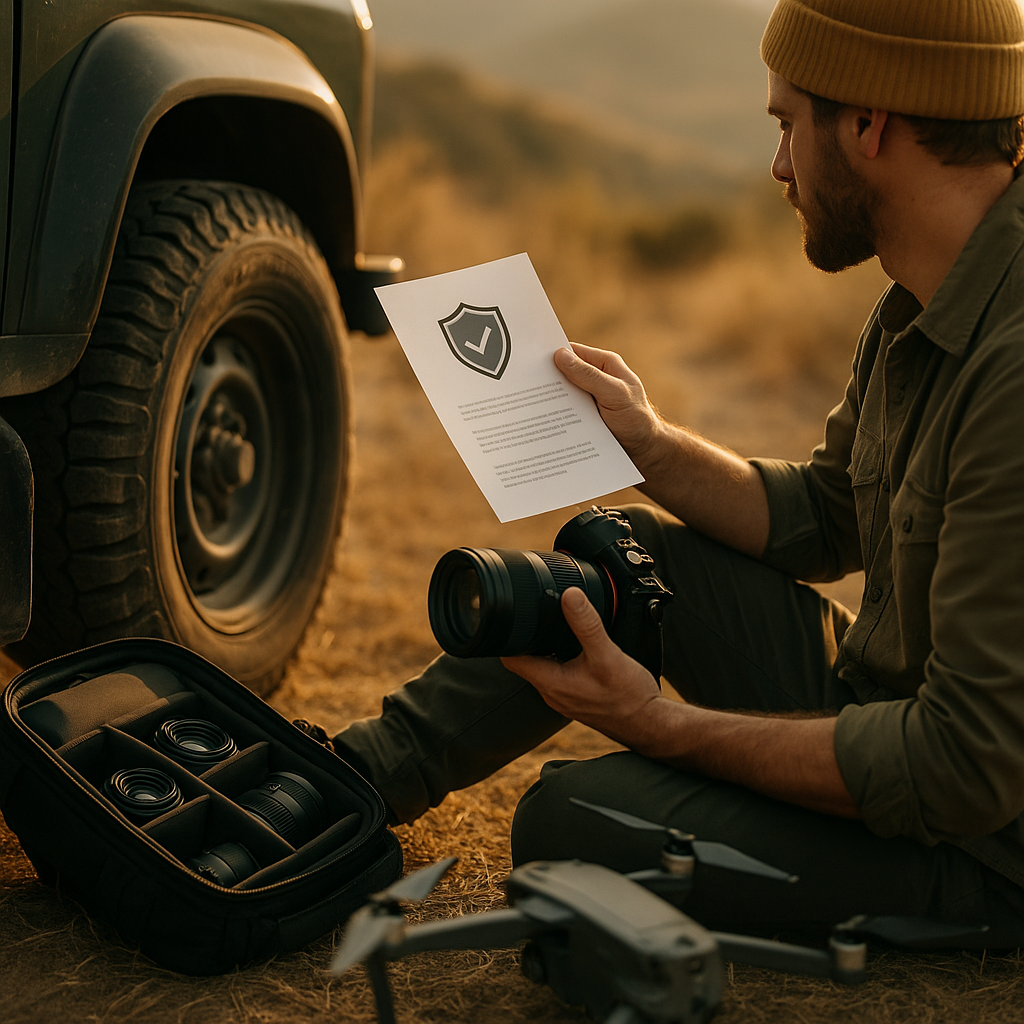
Understanding insurance requirements for high-risk adventure content is essential, whether you’re a content creator, production house, or brand. Accidents and liabilities can happen during extreme filming, and adequate coverage is non-negotiable. From thrill-seeking YouTubers to major streaming productions, every stakeholder must know how to protect their team and business. Here’s how to navigate insurance in the world of adventure content.
What Is High-Risk Adventure Content?
High-risk adventure content refers to video or photo productions involving activities with a higher chance of bodily injury, property damage, or legal claims. Examples include:
- Climbing, mountaineering, or alpine filming
- Skydiving, BASE jumping, or wingsuit flights
- Water-based stunts such as white-water rafting or big-wave surfing
- Motor sports, off-road racing, or BMX stunts
- Backcountry skiing, snowboarding, or snowmobiling
This content is inherently riskier due to unpredictable environments and activity-based hazards. As a result, standard media or production insurance policies often exclude such stunts, requiring specialized coverage tailored to these scenarios.
Essential Coverage: Types of Adventure Content Insurance
Insurers recognize the unique risks of adventure filmmaking and offer tailored policies. Here are the primary forms of insurance required for high-risk adventure content production:
- General Liability Insurance: This is the foundation, protecting against injury or property damage claims from third parties. Most venues and partners require proof of this coverage.
- Participant Accident Insurance: Covers crew, cast, and contributors engaged in high-risk activities. Standard film accident insurance often excludes hazardous stunts, making this essential for adventure shoots.
- Equipment Insurance: Adventure environments increase the likelihood of gear damage, from underwater cameras to drones. All-risk equipment coverage is recommended.
- Workers’ Compensation: Legally required in many jurisdictions. It protects employees and contractors involved in physical risk.
- Commercial Auto Insurance: Often overlooked, this covers vehicles used for gear transport and travel to remote adventure locations.
- Errors & Omissions Insurance (E&O): Protects against lawsuits related to the content after distribution, such as copyright or privacy claims stemming from high-risk stunts.
Each shoot may demand a combination of these coverages, chosen based on the risks, team size, and exact locations involved.
How to Meet Legal and Regulatory Insurance Requirements
In 2025, legal expectations around adventure content insurance have tightened in many countries. Failing to meet current regulations can halt productions or lead to expensive lawsuits. Here’s what to consider:
- Location-Specific Laws: Many popular adventure destinations require production companies to show proof of specific insurance before permitting shoots. For example, national parks often require liability policies naming them as additional insureds.
- Permits & Approvals: Insurance documentation is often prerequisite to obtaining shooting permits. In some countries, coverage limits are specified by law for activities like diving or aerial filming.
- Worker Safety: Occupational health regulators may audit your safety and insurance policies for compliance, especially if hiring local crew.
Consult with a legal expert familiar with both entertainment law and the region of activity. Local film commissions are also valuable resources. Always verify and update your insurance to reflect changing statutes and permitting office requirements.
Best Practices for Adventure Content Creators and Producers
Experienced adventure filmmakers adopt certain protocols to minimize financial and legal exposure:
- Disclose All Risks: When applying for policies, give detailed descriptions of planned stunts, locations, and the experience level of participants. Withholding information can void coverage if an incident occurs.
- Engage Specialized Brokers: Work with insurance agents who understand the entertainment and adventure sports sectors. They can secure policies with appropriate exclusions and endorsements.
- Verify Vendor Coverage: Contractors, guides, and stunt coordinators should provide their own evidence of insurance and name your company as “additional insured.”
- Conduct Pre-Production Safety Audits: Implement risk assessments and safety protocols, often required by underwriters before binding coverage.
- Update Policies for Every Shoot: Insurance needs change with every new project. Always update or extend policies to align with the current shoot’s risk profile and geography.
Clear documentation and robust contracts are also essential. Secure participant waivers that acknowledge the inherent risks, but understand that a waiver does not replace insurance.
How Much Adventure Content Insurance Costs in 2025
The cost of insurance for high-risk adventure content depends on:
- Type and severity of activities
- Number of participants and crew
- Locations (remote or urban, domestic or international)
- Length of production
- Prior safety and loss history
- Total coverage limits requested
According to the Insurance Information Institute’s 2025 State of Adventure Production Insurance report, typical premiums range from $3,000 to upwards of $50,000 per production. Elite stunts (such as heli-skiing or deep-water diving) can push rates even higher. Bundling policies or maintaining a good claims record may reduce costs over time. Set insurance costs as a core budget line item—never as an afterthought.
Common Pitfalls and How to Avoid Them
Content producers face substantial risk if key insurance gaps go unnoticed. Beware the following pitfalls:
- Assuming Standard Policies Cover Stunts: Most business or freelance production insurance excludes hazardous activities. Always specify and confirm the planned stunt types with your broker.
- Misclassifying Crew or Activities: Attempting to label extreme stunts as “commercials” or “documentary work” to save costs risks claim denial or policy cancellation.
- Underinsuring Equipment: Adventure shoots often bring expensive, fragile gear into extreme settings. Factor in transport, use, and environmental hazards.
- Neglecting Post-Production Risks: E&O insurance is vital for digital publishers who may later face claims over privacy or defamation related to filmed events.
Regularly review your insurance needs with both your legal team and insurance advisor, especially as your content evolves in ambition and scale.
Conclusion
Insurance requirements for high-risk adventure content are complex but critical. The right policies protect creators, crew, and investments, ensuring you can focus on the creative edge—safely and legally. Every adventure production must treat insurance as essential pre-production homework, not an afterthought. Get covered, stay compliant, and create with confidence.
FAQs: Insurance Requirements for High-Risk Adventure Content
-
What qualifies content as “high-risk adventure”?
Any media involving activities with inherent injury or liability risk—like stunts, hazardous sports, or wilderness filming—typically qualifies. Check policy definitions or ask a broker if in doubt.
-
Do solo content creators need insurance?
Yes. Even individual YouTubers or Instagrammers can face lawsuits or gear loss. Tailored freelancer or short-term policies are available for independent adventurers.
-
Will regular production insurance cover extreme sports?
Not usually. You need specialized adventure or stunt insurance; most standard policies have hazardous activity exclusions.
-
How much coverage do I need?
Consult with an adventure film broker. Location, crew size, and insurance minimums set by permit offices will usually determine necessary cover limits.
-
Is insurance mandatory for all adventure shoots?
It often is—by law, venue contract, or distribution platform. Shooting without insurance is risky and can lead to denied permits or legal exposure.
Top Influencer Marketing Agencies
The leading agencies shaping influencer marketing in 2026
Agencies ranked by campaign performance, client diversity, platform expertise, proven ROI, industry recognition, and client satisfaction. Assessed through verified case studies, reviews, and industry consultations.
Moburst

-
2

The Shelf
Boutique Beauty & Lifestyle Influencer AgencyA data-driven boutique agency specializing exclusively in beauty, wellness, and lifestyle influencer campaigns on Instagram and TikTok. Best for brands already focused on the beauty/personal care space that need curated, aesthetic-driven content.Clients: Pepsi, The Honest Company, Hims, Elf Cosmetics, Pure LeafVisit The Shelf → -
3

Audiencly
Niche Gaming & Esports Influencer AgencyA specialized agency focused exclusively on gaming and esports creators on YouTube, Twitch, and TikTok. Ideal if your campaign is 100% gaming-focused — from game launches to hardware and esports events.Clients: Epic Games, NordVPN, Ubisoft, Wargaming, Tencent GamesVisit Audiencly → -
4

Viral Nation
Global Influencer Marketing & Talent AgencyA dual talent management and marketing agency with proprietary brand safety tools and a global creator network spanning nano-influencers to celebrities across all major platforms.Clients: Meta, Activision Blizzard, Energizer, Aston Martin, WalmartVisit Viral Nation → -
5

The Influencer Marketing Factory
TikTok, Instagram & YouTube CampaignsA full-service agency with strong TikTok expertise, offering end-to-end campaign management from influencer discovery through performance reporting with a focus on platform-native content.Clients: Google, Snapchat, Universal Music, Bumble, YelpVisit TIMF → -
6

NeoReach
Enterprise Analytics & Influencer CampaignsAn enterprise-focused agency combining managed campaigns with a powerful self-service data platform for influencer search, audience analytics, and attribution modeling.Clients: Amazon, Airbnb, Netflix, Honda, The New York TimesVisit NeoReach → -
7

Ubiquitous
Creator-First Marketing PlatformA tech-driven platform combining self-service tools with managed campaign options, emphasizing speed and scalability for brands managing multiple influencer relationships.Clients: Lyft, Disney, Target, American Eagle, NetflixVisit Ubiquitous → -
8

Obviously
Scalable Enterprise Influencer CampaignsA tech-enabled agency built for high-volume campaigns, coordinating hundreds of creators simultaneously with end-to-end logistics, content rights management, and product seeding.Clients: Google, Ulta Beauty, Converse, AmazonVisit Obviously →