


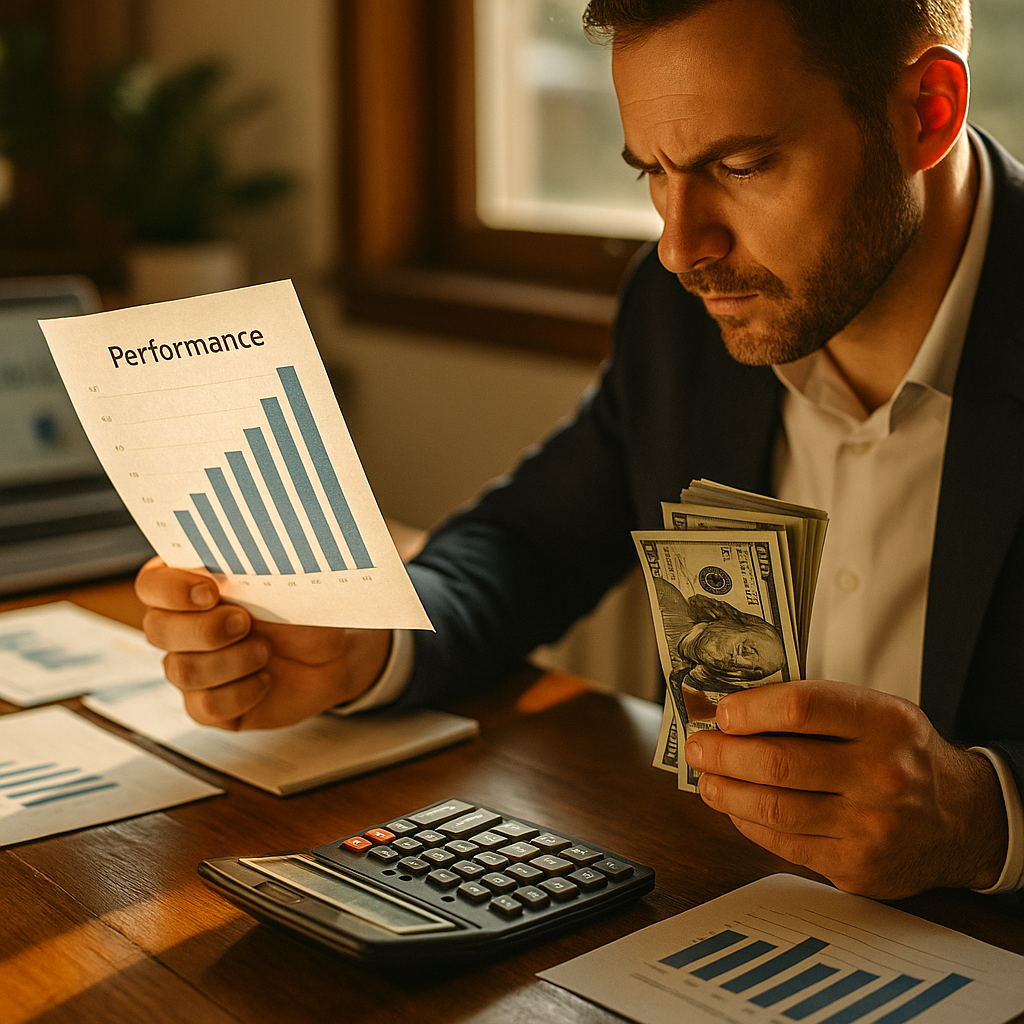
Implementing a performance bonus structure based on sales can be a game-changer for businesses aiming to drive revenue and enhance employee motivation. Designing the right incentive system requires strategic planning and a deep understanding of both your team and market. Unlock the secrets to building a compelling bonus program that boosts sales growth and captures employees’ enthusiasm.
Understanding the Performance Bonus Structure for Sales Teams
A performance bonus structure for sales teams is a compensation method that directly ties a portion of employees’ earnings to their individual or collective sales results. This approach encourages sales professionals to exceed targets and rewards top performers. According to a 2024 HubSpot Sales Enablement Report, organizations with structured incentive programs see a 21% higher sales productivity compared to those without.
By aligning compensation with results, companies foster a win-win environment. Employees are motivated to close more deals, while businesses enjoy increased revenue. However, an effective structure requires more than just setting targets and payout percentages—it needs to reflect organizational goals and be flexible enough to adapt to changing market conditions.
Key Elements of an Effective Sales-Based Incentive Plan
Before rolling out a new performance bonus plan, it’s crucial to outline all essential components that will set the stage for success. The most impactful sales bonus programs share these common elements:
- Clear Objectives: Define whether the bonus will reward revenue, profit, new clients, or a blend of metrics.
- Measurable KPIs: Select key performance indicators that can be tracked easily and objectively using your CRM or sales software.
- Transparent Communication: Explain the structure, eligibility, calculation methods, and timelines to your sales team so there are no surprises.
- Scalability: Ensure the structure works equally for a two-person startup or a 200-person sales force.
- Regular Review: Schedule biannual assessments to adjust thresholds or benchmarks in line with business changes or market trends in 2025.
By setting a strong foundation, you’ll avoid confusion, disputes, or disengagement, while positioning your company for ongoing growth.
How to Set Realistic and Motivating Sales Targets
A common challenge in setting up a performance bonus based on sales is finding the balance between ambition and attainability. Research from Salesforce in 2024 indicates that unrealistic targets can reduce salesperson engagement by up to 32%. To prevent this, use a data-driven approach:
- Analyze Historical Data: Review your last 12-24 months of sales performance to establish benchmarks.
- Factor in Seasonality and Market Shifts: Adjust for changes in your industry or buying cycles relevant to 2025 projections.
- Set Tiered or Progressive Targets: Offer higher bonuses for exceeding base targets, encouraging ongoing effort and overachievement.
- Individual vs. Team Goals: Depending on your company size and sales cycle, you may mix individual thresholds with team-based incentives to foster both personal accountability and collaboration.
Transparent, fair, and data-backed targets give employees confidence that reaching their bonus is possible—and worth striving for.
Types of Sales Performance Bonuses and When to Use Them
There are several bonus models to choose from, each suited to different sales environments. Understanding their pros and cons enables you to select or combine options that will resonate with your workforce:
- Flat Rate Bonuses: A fixed sum earned for reaching specific targets. Simple and predictable, this works well for shorter, transactional sales cycles.
- Commission-Based Bonuses: A percentage of each sale added onto base salary. This model scales rewards based on performance and is common in high-ticket, B2B sales.
- Tiered or Accelerator Bonuses: Additional payouts for surpassing incremental targets (e.g., 120% of quota). These fuel motivation after the basic goal is achieved and are ideal for high-growth teams.
- Team-Based Bonuses: Pools or group targets reinforce collaboration and are useful in territories or industries where teamwork is essential to closing deals.
Evaluating your average sales cycle, deal size, and team culture will help you determine the right mix. Many businesses combine individual commissions with occasional team-based rewards for maximum impact.
Best Practices for Communicating and Managing a Sales Bonus Program
Strong communication and management are decisive for your performance bonus structure’s success. Here are proven steps to ensure clarity and buy-in:
- Launch Meetings: Hold kick-off sessions to walk through the logic, calculations, and payout process. Use real-life scenarios to illustrate earning potential.
- Accessible Documentation: Share bonus plan details in writing, ideally in a dedicated compensation portal or employee handbook.
- Regular Updates: Provide monthly or quarterly progress reports so team members know where they stand and how to close performance gaps.
- Two-Way Feedback: Encourage input from your team on what motivates them, and be willing to refine the structure if bottlenecks or confusion arise.
- Celebrate Successes: Publicly recognize top performers and showcase bonus achievements to drive internal competition and culture.
Managing your bonus program as a living, evolving system will keep it aligned with your company vision—and the aspirations of your team members.
Monitoring, Evaluating, and Refining Your Performance Bonus Structure
Effective incentive programs don’t stay static. As your business grows, technology evolves, and market conditions shift in 2025, regularly reviewing your performance bonus structure ensures sustained alignment and engagement. Consider these actions:
- Performance Analytics: Use dashboards to track metrics like quota attainment, deal velocity, and participation rates. Identify trends or drop-offs early.
- Cost-Benefit Analysis: Compare bonus payouts against incremental revenue and profit generated to affirm ROI.
- Employee Sentiment Surveys: Gauge morale and perceived fairness through anonymous polls or feedback forms.
- Benchmarking: Stay informed on industry norms and compensation standards, so your plan remains competitive for attracting and retaining talent.
- Agile Adjustments: Be ready to recalibrate targets, eligibility, or payout amounts if results stray from expectations or market realities shift.
This ongoing cycle creates a dynamic and motivating bonus environment, future-proofing your business and energizing your team for the years ahead.
FAQs About Setting Up A Performance Bonus Structure Based On Sales
-
What is a performance bonus structure based on sales?
It’s a compensation program where employees earn bonuses tied to their sales results, motivating them to reach or exceed targets and directly influencing company revenue.
-
How do I choose the right sales metrics for a bonus plan?
Select metrics that align with your business strategy, such as total revenue, number of new accounts, or profit margins. Ensure data is easy to track and objectively measured.
-
When should a performance bonus be paid out?
Most businesses pay bonuses monthly or quarterly, aligning with reporting cycles and giving team members timely recognition and motivation.
-
Should I use individual or team-based sales bonuses?
Both have merits. Individual bonuses drive personal accountability, while team bonuses foster collaboration. Many companies use a hybrid approach to maximize engagement.
-
How often should I review my bonus structure?
Review your structure at least twice a year, or more frequently if market conditions or company goals change, to ensure continued effectiveness and fairness.
Setting up a performance bonus structure based on sales demands thoughtful design, regular monitoring, and transparent communication. By aligning incentives with measured results, you create a culture that rewards achievement and propels your business forward—making every sale a shared victory in 2025 and beyond.
Top Influencer Marketing Agencies
The leading agencies shaping influencer marketing in 2026
Agencies ranked by campaign performance, client diversity, platform expertise, proven ROI, industry recognition, and client satisfaction. Assessed through verified case studies, reviews, and industry consultations.
Moburst

-
2

The Shelf
Boutique Beauty & Lifestyle Influencer AgencyA data-driven boutique agency specializing exclusively in beauty, wellness, and lifestyle influencer campaigns on Instagram and TikTok. Best for brands already focused on the beauty/personal care space that need curated, aesthetic-driven content.Clients: Pepsi, The Honest Company, Hims, Elf Cosmetics, Pure LeafVisit The Shelf → -
3

Audiencly
Niche Gaming & Esports Influencer AgencyA specialized agency focused exclusively on gaming and esports creators on YouTube, Twitch, and TikTok. Ideal if your campaign is 100% gaming-focused — from game launches to hardware and esports events.Clients: Epic Games, NordVPN, Ubisoft, Wargaming, Tencent GamesVisit Audiencly → -
4

Viral Nation
Global Influencer Marketing & Talent AgencyA dual talent management and marketing agency with proprietary brand safety tools and a global creator network spanning nano-influencers to celebrities across all major platforms.Clients: Meta, Activision Blizzard, Energizer, Aston Martin, WalmartVisit Viral Nation → -
5

The Influencer Marketing Factory
TikTok, Instagram & YouTube CampaignsA full-service agency with strong TikTok expertise, offering end-to-end campaign management from influencer discovery through performance reporting with a focus on platform-native content.Clients: Google, Snapchat, Universal Music, Bumble, YelpVisit TIMF → -
6

NeoReach
Enterprise Analytics & Influencer CampaignsAn enterprise-focused agency combining managed campaigns with a powerful self-service data platform for influencer search, audience analytics, and attribution modeling.Clients: Amazon, Airbnb, Netflix, Honda, The New York TimesVisit NeoReach → -
7

Ubiquitous
Creator-First Marketing PlatformA tech-driven platform combining self-service tools with managed campaign options, emphasizing speed and scalability for brands managing multiple influencer relationships.Clients: Lyft, Disney, Target, American Eagle, NetflixVisit Ubiquitous → -
8

Obviously
Scalable Enterprise Influencer CampaignsA tech-enabled agency built for high-volume campaigns, coordinating hundreds of creators simultaneously with end-to-end logistics, content rights management, and product seeding.Clients: Google, Ulta Beauty, Converse, AmazonVisit Obviously →