


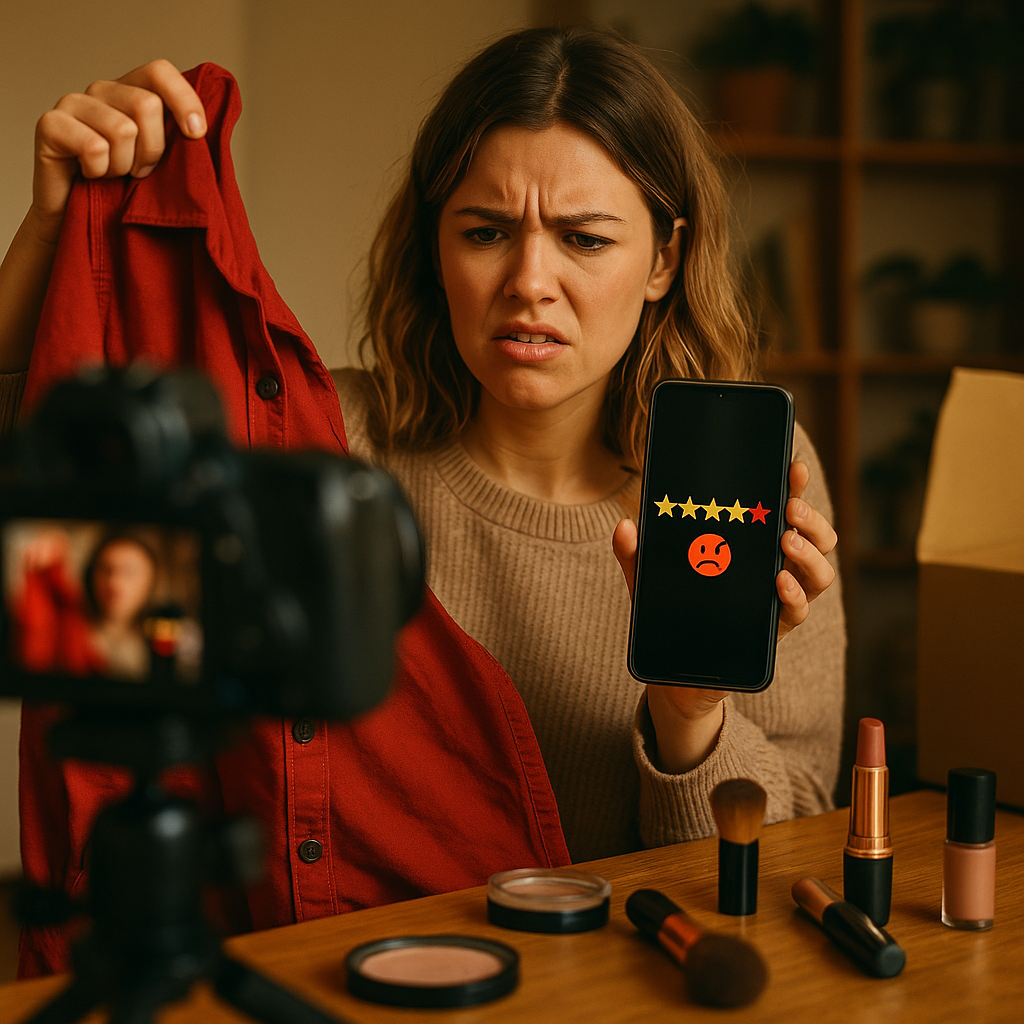
The “Anti-Haul” is a wave of content where creators intentionally highlight products they don’t recommend purchasing. In a digital landscape where glowing reviews are everywhere, negative reviews provide a breath of authenticity. Discover why the anti-haul trend, and honest critical reviews, have become vital for building consumer trust in 2025 —and what it means for brands and buyers alike.
What Is an “Anti-Haul” and Why Does It Matter?
Originating in the beauty community, “anti-haul” content openly lists products creators won’t buy and why. While traditional haul videos celebrate buying the latest releases, anti-hauls question hype and challenge overconsumption. Consumers are increasingly skeptical of perfectly positive reviews due to concerns of paid endorsements and affiliate links. The anti-haul shows that creators analyze products critically, making their opinions more believable and relatable. In 2025, with audiences more educated than ever, genuine skepticism signals research, safety, and true value to viewers—helping them avoid “hype regret” before spending.
Negative Reviews and the Psychology of Trust
Studies consistently reveal that a mix of positive and negative reviews makes a product listing appear more credible. A 2024 Harvard survey found that 82% of shoppers are more likely to trust a review platform that allows for—and displays—negative feedback. When consumers see both pros and cons, they infer that the reviews have not been censored or manipulated, triggering the “warranted skepticism” effect. Anti-haul videos, negative reviews, and critique-driven blogs foster a transparent online ecosystem. They enable better decision-making for consumers while building long-term loyalty and satisfaction in a brand when their values appear rooted in transparency.
How Negative Reviews Help Consumers in 2025
For consumers, negative reviews are a valuable resource in the decision-making process. In 2025, shoppers face endless choices and ever-increasing promises from brands. Instead of taking each positive claim at face value, audiences look to honest, real-world experience—including disappointment or failure. Anti-haul content and critical reviews highlight:
- Common pitfalls or product limitations: Saving buyers from wasting money.
- Situational suitability: Explaining who the product is not for.
- Comparative insight: Suggesting better alternatives based on transparent analysis.
- Personal anecdotes: Connecting emotionally and offering context to help consumers relate.
This educational process not only streamlines the buyer’s research but cultivates a community where honesty—not hype—is the norm.
Brands and Creators: Embracing the Power of Constructive Critique
While negative reviews might appear harmful at first, they offer long-term advantages for reputable brands and serious creators. Companies that respond thoughtfully to criticism—rather than deleting or hiding it—signal confidence in their product and a genuine commitment to improvement. According to a 2024 Statista report, 69% of global consumers said they trust brands that publicly address negative feedback and offer solutions. For creators, regular anti-haul content or honest “do not buy” lists show audiences they prize integrity over profit, boosting their EEAT score (Experience, Expertise, Authority, Trustworthiness) in the eyes of both viewers and search engines.
EEAT, SEO, and the Value of Balance in Review Content
Google’s search algorithm in 2025 rewards sites and creators who demonstrate real-world experience and balanced reporting. Negative reviews and anti-haul comments prove that a reviewer is not simply a mouthpiece for brands, but a genuine product tester with the audience’s interests at heart. Practical, well-substantiated critiques reveal:
- Expertise: The ability to notice important details others may miss.
- Authoritativeness: The confidence to make bold, data-driven recommendations—including when not to buy.
- Trust: Transparency about sponsorships and the reasoning behind negative feedback.
Quality negative reviews do more than secure higher search rankings—they foster a loyal, discerning readership eager for honest insights in an era of endless options. Platforms featuring genuine, well-articulated criticism rise above mass “five-star” markets, making their recommendations more valuable and more likely to influence actual purchasing decisions.
Best Practices for Writing Genuine Negative Reviews
Creating helpful, authentic negative reviews benefits both audiences and the reviewer’s reputation. Consider these best practices, reflecting the latest advice in 2025:
- Be specific: Cite measurable facts and clear examples, not just feelings.
- Remain respectful: Critique the product, not its users or creators.
- Disclose conflicts of interest: Note if you’ve received PR samples or sponsorships.
- Offer alternatives: Suggest other choices for readers with similar needs.
- Follow up: If changes occur, update your review to maintain credibility.
These guidelines ensure your anti-haul or negative reviews contribute to a productive, trustworthy dialogue, supporting smarter buying and authentic engagement.
In 2025, the anti-haul movement and honest negative reviews are shaping a more transparent and reliable digital marketplace. By embracing critique, brands, creators, and consumers together foster a culture of trust where integrity drives meaningful purchasing decisions.
FAQs about the Anti-Haul and Negative Reviews
- Why are negative reviews important for consumers?
Negative reviews alert buyers to potential problems and help them avoid disappointing purchases, making shopping more informed and less risky. - Do negative reviews hurt brands?
Not always. Brands that engage constructively with criticism often build more trust and a better reputation than those who hide or ignore it. - How do negative reviews impact search engine rankings in 2025?
Balanced, experience-driven reviews—including negatives—help establish authority and trust, which positively affect Google’s EEAT-focused ranking algorithms. - What makes an anti-haul review trustworthy?
Transparently sharing both the reasoning and personal experience behind avoiding a product, and being upfront about any sponsorship or gifts, establishes trust. - Are anti-hauls relevant outside of beauty?
Absolutely. Anti-haul-style reviews are now common in tech, fashion, home goods, and more, as audiences in all industries seek honest guidance before buying.
Top Influencer Marketing Agencies
The leading agencies shaping influencer marketing in 2026
Agencies ranked by campaign performance, client diversity, platform expertise, proven ROI, industry recognition, and client satisfaction. Assessed through verified case studies, reviews, and industry consultations.
Moburst

-
2

The Shelf
Boutique Beauty & Lifestyle Influencer AgencyA data-driven boutique agency specializing exclusively in beauty, wellness, and lifestyle influencer campaigns on Instagram and TikTok. Best for brands already focused on the beauty/personal care space that need curated, aesthetic-driven content.Clients: Pepsi, The Honest Company, Hims, Elf Cosmetics, Pure LeafVisit The Shelf → -
3

Audiencly
Niche Gaming & Esports Influencer AgencyA specialized agency focused exclusively on gaming and esports creators on YouTube, Twitch, and TikTok. Ideal if your campaign is 100% gaming-focused — from game launches to hardware and esports events.Clients: Epic Games, NordVPN, Ubisoft, Wargaming, Tencent GamesVisit Audiencly → -
4

Viral Nation
Global Influencer Marketing & Talent AgencyA dual talent management and marketing agency with proprietary brand safety tools and a global creator network spanning nano-influencers to celebrities across all major platforms.Clients: Meta, Activision Blizzard, Energizer, Aston Martin, WalmartVisit Viral Nation → -
5

The Influencer Marketing Factory
TikTok, Instagram & YouTube CampaignsA full-service agency with strong TikTok expertise, offering end-to-end campaign management from influencer discovery through performance reporting with a focus on platform-native content.Clients: Google, Snapchat, Universal Music, Bumble, YelpVisit TIMF → -
6

NeoReach
Enterprise Analytics & Influencer CampaignsAn enterprise-focused agency combining managed campaigns with a powerful self-service data platform for influencer search, audience analytics, and attribution modeling.Clients: Amazon, Airbnb, Netflix, Honda, The New York TimesVisit NeoReach → -
7

Ubiquitous
Creator-First Marketing PlatformA tech-driven platform combining self-service tools with managed campaign options, emphasizing speed and scalability for brands managing multiple influencer relationships.Clients: Lyft, Disney, Target, American Eagle, NetflixVisit Ubiquitous → -
8

Obviously
Scalable Enterprise Influencer CampaignsA tech-enabled agency built for high-volume campaigns, coordinating hundreds of creators simultaneously with end-to-end logistics, content rights management, and product seeding.Clients: Google, Ulta Beauty, Converse, AmazonVisit Obviously →