


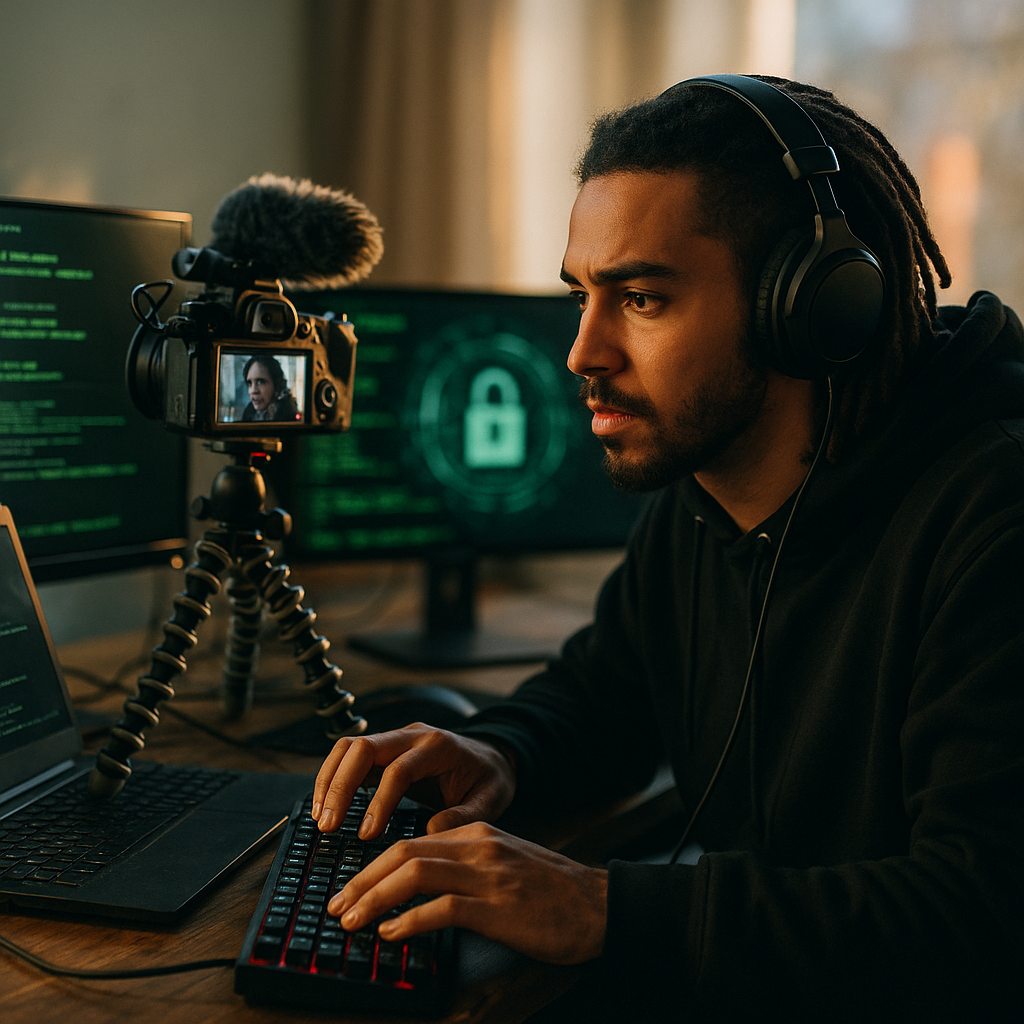
Cybersecurity is more crucial in 2025 than ever, and “hacker” influencers are leading a new wave of security education. These experts break down complex threats, debunk myths, and empower internet users with hands-on solutions. But how authentic are their insights, and can they bridge the global knowledge gap? Here’s a closer look at this rising phenomenon.
The Rise of Hacker Influencers in Digital Security
Today, hacker influencers are reshaping cybersecurity awareness. Leveraging real-world knowledge, these figures use social media, streaming platforms, and online forums to educate the public on security threats. Their authenticity stems from firsthand experience—often white-hat (ethical) hacking backgrounds or participation in responsible disclosure programs. By revealing vulnerabilities and solutions in real time, they demystify how hackers think, moving the public away from the “faceless villain” stereotype.
Influencers like Rachel Tobac and “The Cyber Mentor” attract millions with gripping simulations and honest tech reviews. Their content covers everything from phishing risks to advanced ransomware attacks. According to a 2025 survey by SafeNet Insights, over 46% of Gen Z users recall learning their latest cybersecurity tip from an internet creator, not a traditional class or news outlet. The shift in trust points to a broader transformation in digital learning habits.
Popular Platforms for Cybersecurity Education
Hacker influencers reach massive audiences using accessible platforms. Their preferred channels include:
- YouTube: Home to in-depth tutorials, real-world “ethical hacking” demos, and threat breakdowns—engaging millions with both short and long-form content.
- TikTok: For fast, actionable safety tips under a minute, and updates on new scams or device vulnerabilities.
- Twitch: Streaming live penetration testing, Q&A sessions, and security “war games” with anxious viewers participating in real time.
- Reddit and Discord: Community-driven advice, peer troubleshooting, and news alerts about ongoing breaches or exploit discovery.
This multi-platform strategy makes digital security feel accessible and urgently relevant. Following a favorite influencer turns the dry theory of cybersecurity into an active habit, similar to tracking the latest in lifestyle or tech trends.
How Hacker Influencers Build Trust and Engagement
Building trust is at the core of every successful hacker influencer’s voice. Credibility stems from a few vital factors:
- Transparency: Leading personalities openly share their qualifications, legal background, and motives, dispelling fears of “black-hat” intent.
- Live Demonstrations: Audiences see real-time consequences—how attacks unfold and what proactive steps neutralize threats, rather than just static warnings.
- Peer Validation: Open-source code, proof-of-concept exploits, and community challenges prove skills aren’t faked or exaggerated for clicks.
- Audience Engagement: Interactive polls, story submissions, and open Q&A segments empower viewers to bring their own concerns and test fixes.
The result is a trusted advisor relationship—supported by digital “street cred”—which makes viewers more willing to take recommendations seriously. Moreover, users who participate in live hacking events or quizzes retain up to 60% more information compared to traditional e-learning modules, recent SkillStack’s 2025 research shows.
Practical Cybersecurity Lessons from Influencers
What are the most effective lessons taught by hacker influencers? Rather than general summaries, these creators break down actionable steps that viewers can implement immediately:
- Phishing Awareness: Influencers reveal subtle red flags in real email and SMS scams, showcasing side-by-side comparisons to legitimate messages.
- Two-Factor Authentication (2FA): Tutorials walk followers through setting up app-based 2FA, showing the limits of SMS methods and how to safeguard backup codes.
- Password Hygiene: Live “cracking” demos show how weak passwords are exploited, followed by best practices for creating and managing strong, unique credentials.
- Secure Device Use: Creators test cheap IoT gadgets for hidden vulnerabilities and teach firmware update routines to stay protected as threats evolve.
- Incident Response Planning: Step-by-step guides help families and small businesses prepare for intrusions—illustrating the importance of backups, isolation, and immediate reporting.
This pragmatic approach transforms the viewer from a passive consumer to an active participant in their digital defense.
Limitations and Considerations: Ensuring Reliable Guidance
While hacker influencers provide a valuable bridge, some concerns persist regarding accuracy and ethics. Not all creators verify data or present risk in context—occasionally resulting in sensationalism or outdated advice. To address this, viewers should look for the following features in credible educators:
- References: Quality content includes links or citations to trusted security advisories, or names of responsible organizations backing their claims.
- Disclosure: Ethical influencers set boundaries, clarifying what’s legal for home learning versus prohibited activities.
- Updates: The best creators regularly review and correct their old content as new threats emerge or standards shift.
Many cybersecurity professionals also recommend cross-referencing influencer advice with reputable organizations like the Cyber Safety Alliance or government CERT guidelines. This two-step approach improves both individual knowledge and community resilience.
Impact on the Broader Cybersecurity Ecosystem
The growing popularity of hacker influencers is also leading to industry changes. Employers increasingly integrate influencer-led modules into corporate security training—finding that employees are more engaged and ask better questions after watching influencer content. Several public school boards, especially in North America and Europe, are piloting influencer-partnered digital literacy sessions for grades 7 through 12 as of 2025.
This democratization of cybersecurity closes gaps for groups historically left out of technical education, particularly women, minorities, and seniors. With relatable language and relatable scenarios, influencer-driven learning makes the digital world safer for everyone, not just tech professionals.
In summary, leveraging hacker influencers to teach cybersecurity empowers users to navigate online risks with clarity and confidence. By choosing trusted voices and balancing influencer insights with official resources, everyone can play a part in fortifying our digital future.
FAQs: Cybersecurity with Hacker Influencers
-
How do I know if a hacker influencer is legitimate?
Legitimate hacker influencers are transparent about their credentials and often reference official security advisories, responsible disclosure policies, and peer recognition. Look for educators who update content regularly and encourage legal, ethical learning only.
-
Are there risks in following cybersecurity advice from influencers?
Some risks exist, such as outdated or oversimplified tips. To mitigate this, always cross-check guidance with established organizations like the Cyber Safety Alliance. Use influencers as a supplement, not a replacement, for official education.
-
Can hacker influencers help protect businesses as well as individuals?
Yes. Many influencers offer corporate modules, phishing simulations, and early warnings about new ransomware trends. Employees and business owners report higher engagement and better retention after exposure to influencer-led programs.
-
What topics should I look for in cybersecurity content?
Prioritize lessons on phishing detection, password security, two-factor authentication, safe device usage, and incident response planning. Choose creators who provide actionable advice and stay updated on evolving threats and tools in 2025.
-
Are ethical hacking skills safe to learn at home?
Yes, but it’s vital to focus on legal, ethical exercises—such as labs, virtual machines, or “capture the flag” events provided by trusted platforms. Never attempt to access someone’s network or data without explicit permission.
Top Influencer Marketing Agencies
The leading agencies shaping influencer marketing in 2026
Agencies ranked by campaign performance, client diversity, platform expertise, proven ROI, industry recognition, and client satisfaction. Assessed through verified case studies, reviews, and industry consultations.
Moburst

-
2

The Shelf
Boutique Beauty & Lifestyle Influencer AgencyA data-driven boutique agency specializing exclusively in beauty, wellness, and lifestyle influencer campaigns on Instagram and TikTok. Best for brands already focused on the beauty/personal care space that need curated, aesthetic-driven content.Clients: Pepsi, The Honest Company, Hims, Elf Cosmetics, Pure LeafVisit The Shelf → -
3

Audiencly
Niche Gaming & Esports Influencer AgencyA specialized agency focused exclusively on gaming and esports creators on YouTube, Twitch, and TikTok. Ideal if your campaign is 100% gaming-focused — from game launches to hardware and esports events.Clients: Epic Games, NordVPN, Ubisoft, Wargaming, Tencent GamesVisit Audiencly → -
4

Viral Nation
Global Influencer Marketing & Talent AgencyA dual talent management and marketing agency with proprietary brand safety tools and a global creator network spanning nano-influencers to celebrities across all major platforms.Clients: Meta, Activision Blizzard, Energizer, Aston Martin, WalmartVisit Viral Nation → -
5

The Influencer Marketing Factory
TikTok, Instagram & YouTube CampaignsA full-service agency with strong TikTok expertise, offering end-to-end campaign management from influencer discovery through performance reporting with a focus on platform-native content.Clients: Google, Snapchat, Universal Music, Bumble, YelpVisit TIMF → -
6

NeoReach
Enterprise Analytics & Influencer CampaignsAn enterprise-focused agency combining managed campaigns with a powerful self-service data platform for influencer search, audience analytics, and attribution modeling.Clients: Amazon, Airbnb, Netflix, Honda, The New York TimesVisit NeoReach → -
7

Ubiquitous
Creator-First Marketing PlatformA tech-driven platform combining self-service tools with managed campaign options, emphasizing speed and scalability for brands managing multiple influencer relationships.Clients: Lyft, Disney, Target, American Eagle, NetflixVisit Ubiquitous → -
8

Obviously
Scalable Enterprise Influencer CampaignsA tech-enabled agency built for high-volume campaigns, coordinating hundreds of creators simultaneously with end-to-end logistics, content rights management, and product seeding.Clients: Google, Ulta Beauty, Converse, AmazonVisit Obviously →