


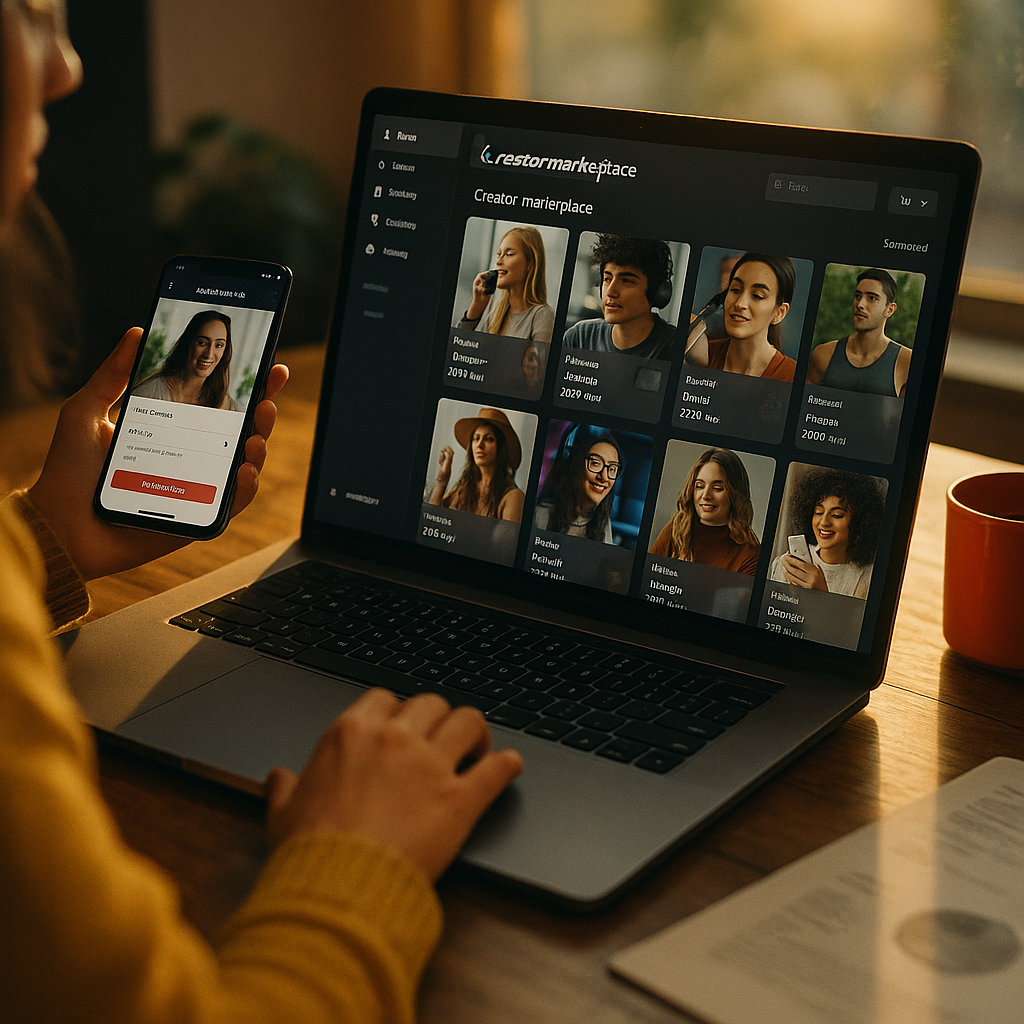
Creator marketplaces have revolutionized how brands and influencers collaborate, but are self-serve platforms the best path for both sides? As creator advertising accelerates in 2025, understanding the advantages and pitfalls of these self-serve technologies is essential for smart partnerships. Let’s uncover the real pros and cons of creator marketplaces and how they impact campaign success.
What Are Creator Marketplaces and How Do Self-Serve Platforms Work?
Creator marketplaces are online platforms that connect brands with content creators for sponsored content, endorsements, and creative projects. The term “self-serve platform” refers to a system where brands and creators manage their own campaigns, negotiations, and content approvals directly within the tool—eliminating agencies or dedicated managers.
A typical self-serve creator marketplace allows brands to search for relevant influencers, invite them to campaigns, set budgets, and monitor performance using intuitive dashboards. Creators, on the other hand, can browse available opportunities, pitch themselves, negotiate fees, and submit content—all within the same portal. This do-it-yourself (DIY) approach drives efficiency and transparency but can also introduce new challenges.
Advantages of Self-Serve Marketplaces for Brands and Creators
Self-serve creator marketplaces offer distinct benefits that appeal to both brands and creators. The core advantage is control: both parties manage partnerships without intermediaries, reducing costs and delays. This section explores other key strengths.
- Speed and Efficiency: Self-serve platforms remove layers of communication. Brands can instantly search for suitable creators, launch campaigns, and track deliverables, streamlining campaign setups.
- Transparency and Data Access: Marketplaces provide real-time analytics on reach, engagement, and ROI. Both brands and creators get immediate access to performance insights, fostering trust through measurable outcomes.
- Diverse Opportunities: With thousands of creators in one place, brands have a broad pool to choose from, while creators see more inbound campaign options, including from niche and emerging brands.
- Lower Costs: Without agency fees or hidden markups, campaigns are often cheaper on self-serve platforms for brands and more profitable for creators.
- Flexibility: Self-serve models support campaign customization. Whether a brand wants a quick story ad or a multi-platform ongoing partnership, the marketplace can adapt to varied needs.
For those comfortable navigating digital tools, the streamlined workflow of a self-serve creator marketplace is hard to beat.
Disadvantages: Common Pitfalls of Self-Serve Creator Marketplaces
Despite their benefits, self-serve creator marketplaces have notable drawbacks that can impact campaign outcomes. Not all collaborations run smoothly, and challenges can emerge on both sides of the equation.
- Lack of Personalization: Automated search and matchmaking may miss subtle brand-creator alignments. Human intuition and historical context—which agencies often provide—are limited.
- Quality Control Issues: With thousands of creators available, vetting for fake followers, content quality, or previous partnerships can be hit-or-miss if brands don’t audit profiles carefully.
- Overload and Choice Paralysis: The broad range of options sometimes leads to decision fatigue for brands unsure how to pick the right influencer. For creators, constantly hunting for suitable gigs can be overwhelming.
- Inconsistent Communication: Without dedicated account managers, conversations may stall, and misunderstandings around deadlines or creative expectations can arise.
- Limited Support: While some marketplaces offer chatbots or limited customer support, resolving disputes or technical issues can be slower compared to managed services.
Ultimately, self-serve platforms work best for users comfortable with digital tools, clear communication, and proactive management.
Maximizing Success: Best Practices for Using Self-Serve Platforms in 2025
Brands and creators can minimize risks and maximize returns by following practical strategies tailored for self-serve creator marketplaces. Here’s how to boost your campaigns:
- Set Clear Goals: Define your objectives before logging in. Whether you want awareness, conversions, or product trials, clarity helps you choose suitable partners and KPIs.
- Research Creators and Brands: Go beyond top-line stats. Review past collaborations, audience demographics, and engagement quality. Prioritize authenticity and proven results over follower counts.
- Customize Campaign Briefs: Tailor your briefs to each creator, clearly articulating deliverables, timelines, and content guidelines. Personalized outreach increases creator engagement and campaign quality.
- Leverage Platform Tools: Use available analytics, automated payments, and contract templates. Self-serve marketplaces often include helpful resources to streamline the process—take advantage of these features.
- Communicate Proactively: Regularly check in with partners during a campaign. Don’t rely solely on platform notifications; establish direct message threads if possible.
- Monitor and Optimize: Study real-time analytics and be ready to pivot strategies based on early performance insights. This agility is a core strength of the self-serve model.
Staying organized and informed is crucial—whether you’re a brand aiming for broad reach or a creator seeking long-term collaborations.
The Future of Creator Marketplaces: Trends and Innovations
In 2025, creator marketplaces are evolving rapidly, integrating artificial intelligence, blockchain-based payment solutions, and sophisticated fraud-detection algorithms. These advances address past concerns and add powerful new capabilities.
- AI-Powered Matchmaking: Modern platforms increasingly use machine learning to match brands with creators based on nuanced variables—such as content sentiment, campaign history, and audience insights—delivering more relevant partnerships.
- Fraud and Authenticity Tools: Cutting-edge detection tech now flags fake followers, inauthentic engagement, and plagiarism, giving brands confidence in their selections.
- Transparent Payments and Contracts: Blockchain-based smart contracts automate payments and reduce disputes, ensuring creators are paid promptly and brands receive contracted deliverables.
- Integrated Creator Education: To close the gap in platform familiarity, many marketplaces offer training modules, best practice guides, and community forums accessible to all users.
- Sustainability and Inclusion: Many platforms now prioritize ethical standards and inclusion, offering filters for diverse creators and brands aligned with sustainability values.
Brands and creators that adapt to these trends are poised to thrive as marketplaces become more intelligent, secure, and user-centric.
Choosing the Right Creator Marketplace: Key Questions to Ask
With dozens of self-serve platforms available, selecting the right one can be daunting. Here are critical criteria to evaluate as you make your choice:
- Does the platform specialize in your niche? Some marketplaces cater to specific sectors such as beauty, tech, or gaming. A niche focus often means better matching and more relevant audiences.
- How robust is the vetting process? Reliable platforms vet creator and brand profiles for authenticity and performance, reducing risk.
- What support resources are available? Check for live chat, dispute management, and educational content.
- What analytics are provided? Look for real-time, actionable data on campaign results, audience demographics, and engagement quality.
- How is payment handled? Ensure the payout process is secure, timely, and easy to navigate for both brands and creators.
Investing time in platform research at the start can pay off with smoother collaborations and better campaign performance.
Conclusion: Weighing the Pros and Cons of Self-Serve Creator Marketplaces
In 2025, self-serve creator marketplaces offer unparalleled speed and flexibility, but require diligence and digital savvy. By understanding the pros and cons, users can make informed decisions and unlock the full value of these platforms—creating rewarding, results-driven partnerships.
FAQs About Creator Marketplaces and Self-Serve Platforms
-
What is a creator marketplace?
A creator marketplace is an online platform where brands and content creators connect for marketing campaigns, collaborations, and promotions.
-
Are self-serve platforms suitable for small businesses?
Yes. Self-serve creator marketplaces are particularly beneficial for small businesses thanks to their lower costs, flexibility, and ease of use—though users should be proactive in managing campaign details.
-
How do payments work on creator marketplaces?
Most platforms use secure, automated payment systems. Payments are released when campaign milestones are completed. Leading platforms in 2025 also utilize blockchain for instant, contract-driven payments.
-
How can brands ensure they work with authentic creators?
Choose platforms with robust vetting processes and fraud detection tools. Always review creator audience data, engagement metrics, and past partnerships before finalizing collaborations.
-
What are the main drawbacks of self-serve platforms?
Common issues include lack of personalized matching, inconsistent communication, and limited customer support. Success depends on clear processes and proactive management.
-
Will AI and automation replace the need for human input?
AI enhances platform features like matching and fraud prevention but won’t completely replace the need for human judgment in relationship-building and campaign creativity.
Top Influencer Marketing Agencies
The leading agencies shaping influencer marketing in 2026
Agencies ranked by campaign performance, client diversity, platform expertise, proven ROI, industry recognition, and client satisfaction. Assessed through verified case studies, reviews, and industry consultations.
Moburst

-
2

The Shelf
Boutique Beauty & Lifestyle Influencer AgencyA data-driven boutique agency specializing exclusively in beauty, wellness, and lifestyle influencer campaigns on Instagram and TikTok. Best for brands already focused on the beauty/personal care space that need curated, aesthetic-driven content.Clients: Pepsi, The Honest Company, Hims, Elf Cosmetics, Pure LeafVisit The Shelf → -
3

Audiencly
Niche Gaming & Esports Influencer AgencyA specialized agency focused exclusively on gaming and esports creators on YouTube, Twitch, and TikTok. Ideal if your campaign is 100% gaming-focused — from game launches to hardware and esports events.Clients: Epic Games, NordVPN, Ubisoft, Wargaming, Tencent GamesVisit Audiencly → -
4

Viral Nation
Global Influencer Marketing & Talent AgencyA dual talent management and marketing agency with proprietary brand safety tools and a global creator network spanning nano-influencers to celebrities across all major platforms.Clients: Meta, Activision Blizzard, Energizer, Aston Martin, WalmartVisit Viral Nation → -
5

The Influencer Marketing Factory
TikTok, Instagram & YouTube CampaignsA full-service agency with strong TikTok expertise, offering end-to-end campaign management from influencer discovery through performance reporting with a focus on platform-native content.Clients: Google, Snapchat, Universal Music, Bumble, YelpVisit TIMF → -
6

NeoReach
Enterprise Analytics & Influencer CampaignsAn enterprise-focused agency combining managed campaigns with a powerful self-service data platform for influencer search, audience analytics, and attribution modeling.Clients: Amazon, Airbnb, Netflix, Honda, The New York TimesVisit NeoReach → -
7

Ubiquitous
Creator-First Marketing PlatformA tech-driven platform combining self-service tools with managed campaign options, emphasizing speed and scalability for brands managing multiple influencer relationships.Clients: Lyft, Disney, Target, American Eagle, NetflixVisit Ubiquitous → -
8

Obviously
Scalable Enterprise Influencer CampaignsA tech-enabled agency built for high-volume campaigns, coordinating hundreds of creators simultaneously with end-to-end logistics, content rights management, and product seeding.Clients: Google, Ulta Beauty, Converse, AmazonVisit Obviously →