


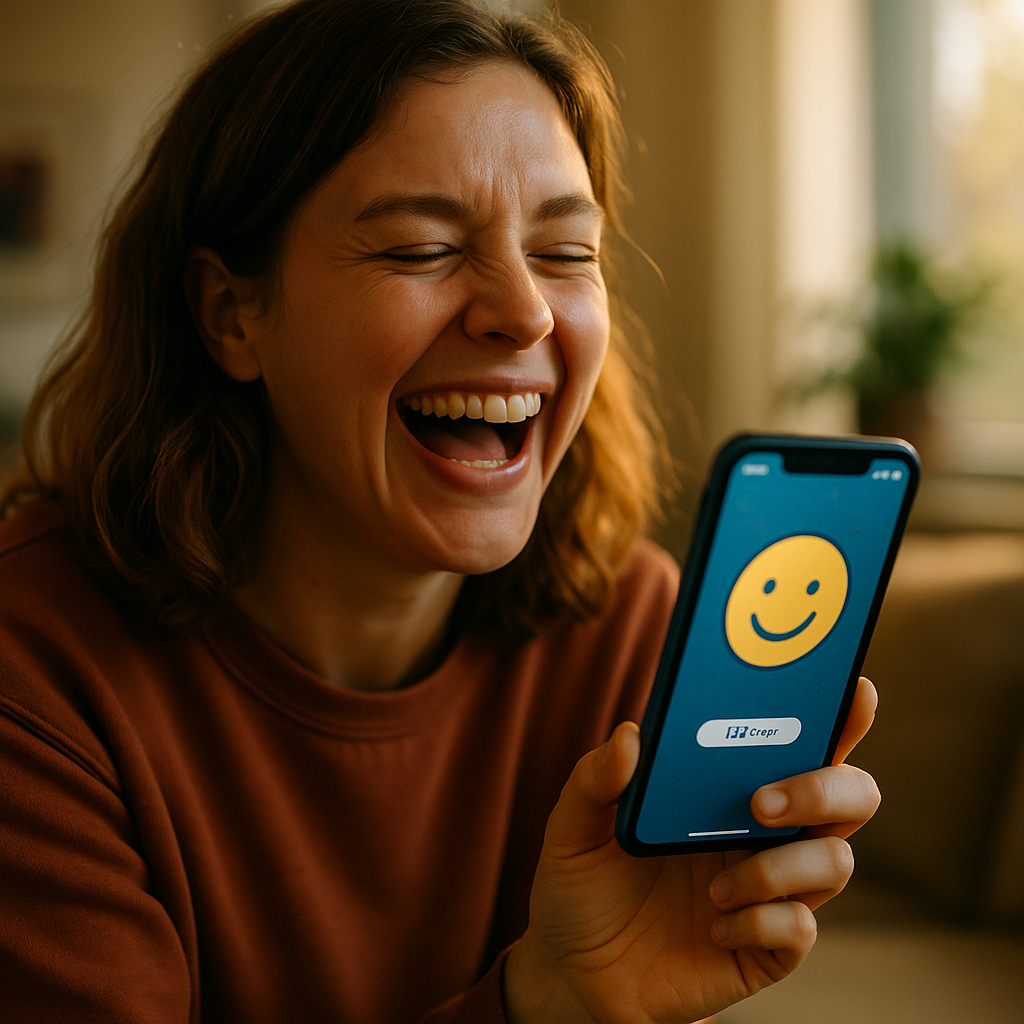
In 2025, the demand for mental health app solutions has reached new heights. But while accessibility has improved, stigma still discourages many from seeking support. What if humor could be the missing key? Discover how innovative apps are de-stigmatizing therapy sessions by infusing laughter into the healing process—rewriting the narrative on mental wellness, one chuckle at a time.
Mental Health App Development: Humor as a Healing Tool
Traditional therapy settings can feel intimidating, but mental health app developers are now integrating humor to dismantle barriers. By 2025, a wave of apps use comedic content—funny chatbots, interactive jokes, and playful reminders—to foster comfort and trust with users. Clinical psychologists confirm that humor, when intentional and sensitive, can lower anxiety and help users relate more authentically to mental health challenges.
For instance, research published in the “Digital Mental Health Trends” journal highlighted that users in humorous app environments reported 23% greater appointment retention compared to those in clinical-only platforms. These findings indicate that integrating levity helps users feel less isolated and more motivated to engage with their therapeutic journeys.
De-Stigmatizing Therapy: The Power of Laughter in Mental Health Apps
Stigma remains one of the largest obstacles to mental health care. Many individuals shy away from therapy due to fear of judgment or worrying about not fitting into clinical stereotypes. By weaving lighthearted content into mental health apps, developers are changing these perceptions.
Apps that include joke-based check-ins or colorful cartoon avatars create a non-threatening atmosphere. This approach normalizes conversations about mental health, making it easier for users to open up. A report from the Global Health Innovation Council (2025) demonstrated that communities using humor-centered therapy apps saw a 30% reduction in self-reported stigma within six months of app adoption.
Importantly, humor is never forced or insensitive—effective mental health apps give users control over the tone and type of comedic support they engage with, allowing for a tailored, respectful experience.
Therapeutic Engagement: How Comedy Features Boost User Retention
Staying engaged with mental health tools is crucial for progress. Yet, drop-off rates are historically high in digital therapy. By gamifying sessions and embedding playful humor—like amusing thought exercises or lighthearted progress trackers—apps make users want to return regularly.
- Funny Daily Affirmations: Encouraging quotes delivered with a witty twist.
- Meme Libraries: Relatable humor that eases tension and validates feelings.
- Cheeky Reminders: Gentle nudges, such as “Time for a brain tune-up, superstar!”
Dr. Alicia Morgan, a digital therapist, notes, “Playful engagement helps users break the cycle of avoidance. It feels less like a chore and more like self-care.” As a result, users are statistically more likely to complete guided tasks and attend virtual therapy sessions when the experience feels enjoyable and relevant.
The Science Behind Humor and Therapeutic Outcomes
Humor triggers a release of dopamine, a neurotransmitter associated with pleasure and motivation. According to the 2025 International Journal of Neuropsychology, app-based therapy that leverages laughter directly correlates with reductions in depressive and anxious symptoms among young adults.
The science supports several key benefits:
- Reduces Stress Hormones: Laughter lowers cortisol levels, fostering a sense of calm.
- Strengthens Social Bonds: Shared humor can help users feel connected, even in remote settings.
- Builds Resilience: Approaching struggles with lightness can make setbacks feel more manageable and less overwhelming.
Crucially, mental health apps employing these techniques use clinical oversight to balance humor with sensitivity, ensuring jokes never come at the expense of user experience. EEAT guidelines require that content be informed by qualified professionals and based on current best practices.
User Experience Design: Keeping Humor Inclusive in Therapy Apps
An app’s effectiveness often hinges on how well it balances playfulness and empathy. Designers work closely with therapists and lived-experience advisors to ensure humor is relevant, culturally sensitive, and inclusive across diverse backgrounds and diagnoses.
Personalization is key. Users can typically select the degree and style of humor—whether they prefer gentle puns, visual gags, or no comedy at all. Accessible language, visual aids, and optional subtitles ensure inclusivity for neurodiverse users and those with varying language skills. Apps like LOL Therapy have led the charge by allowing users to adjust their settings on a spectrum from “professional support” to “playful encouragement.” This flexible approach ensures that all users feel respected and safe.
Mental Health App Safety: Ethical Considerations and Professional Standards
While humor has therapeutic value, it’s essential for mental health apps to apply it ethically. Developers adhere to strict EEAT standards—working with credentialed clinicians and regularly reviewing content to avoid trivializing or exacerbating symptoms. Automated features like chatbot conversations are guided by clear scripted boundaries, and users can flag content they find unhelpful or inappropriate.
All data and personal interactions remain confidential, in compliance with the latest digital health regulations of 2025. This ensures that laughter is a bridge to healing, not a barrier to trust or safety.
FAQs
-
Do mental health apps that use humor actually help?
Yes. Recent studies in 2025 show that humor-driven apps can reduce dropout rates and improve engagement, helping users feel less alone and stigmatized. Personalized approaches and professional oversight enhance therapeutic outcomes.
-
Is humor in therapy apps appropriate for everyone?
These apps offer user controls, so individuals can choose whether or how much humor they experience. Sensitive use, cultural adaptability, and opt-out features ensure inclusivity across diagnoses and backgrounds.
-
Can I trust the privacy of these mental health apps?
Top-rated apps follow strict digital health privacy laws, encrypt user data, and regularly update safety protocols. Transparency and consent are central principles in every reputable mental health app.
-
How do I find a therapy app that incorporates humor?
Look for apps reviewed by psychologists, with user testimonials and customizable features around comedic content. Reputable mental health resources or digital health directories curate trustworthy, innovative options.
The new generation of mental health apps is using humor to foster genuine connection and reduce stigma in therapy. By blending evidence-based care with playful interactions, they’re making it easier—and more enjoyable—for everyone to seek support. The clear takeaway: laughter truly can be a vital step on the road to healing.
Top Influencer Marketing Agencies
The leading agencies shaping influencer marketing in 2026
Agencies ranked by campaign performance, client diversity, platform expertise, proven ROI, industry recognition, and client satisfaction. Assessed through verified case studies, reviews, and industry consultations.
Moburst

-
2

The Shelf
Boutique Beauty & Lifestyle Influencer AgencyA data-driven boutique agency specializing exclusively in beauty, wellness, and lifestyle influencer campaigns on Instagram and TikTok. Best for brands already focused on the beauty/personal care space that need curated, aesthetic-driven content.Clients: Pepsi, The Honest Company, Hims, Elf Cosmetics, Pure LeafVisit The Shelf → -
3

Audiencly
Niche Gaming & Esports Influencer AgencyA specialized agency focused exclusively on gaming and esports creators on YouTube, Twitch, and TikTok. Ideal if your campaign is 100% gaming-focused — from game launches to hardware and esports events.Clients: Epic Games, NordVPN, Ubisoft, Wargaming, Tencent GamesVisit Audiencly → -
4

Viral Nation
Global Influencer Marketing & Talent AgencyA dual talent management and marketing agency with proprietary brand safety tools and a global creator network spanning nano-influencers to celebrities across all major platforms.Clients: Meta, Activision Blizzard, Energizer, Aston Martin, WalmartVisit Viral Nation → -
5

The Influencer Marketing Factory
TikTok, Instagram & YouTube CampaignsA full-service agency with strong TikTok expertise, offering end-to-end campaign management from influencer discovery through performance reporting with a focus on platform-native content.Clients: Google, Snapchat, Universal Music, Bumble, YelpVisit TIMF → -
6

NeoReach
Enterprise Analytics & Influencer CampaignsAn enterprise-focused agency combining managed campaigns with a powerful self-service data platform for influencer search, audience analytics, and attribution modeling.Clients: Amazon, Airbnb, Netflix, Honda, The New York TimesVisit NeoReach → -
7

Ubiquitous
Creator-First Marketing PlatformA tech-driven platform combining self-service tools with managed campaign options, emphasizing speed and scalability for brands managing multiple influencer relationships.Clients: Lyft, Disney, Target, American Eagle, NetflixVisit Ubiquitous → -
8

Obviously
Scalable Enterprise Influencer CampaignsA tech-enabled agency built for high-volume campaigns, coordinating hundreds of creators simultaneously with end-to-end logistics, content rights management, and product seeding.Clients: Google, Ulta Beauty, Converse, AmazonVisit Obviously →