


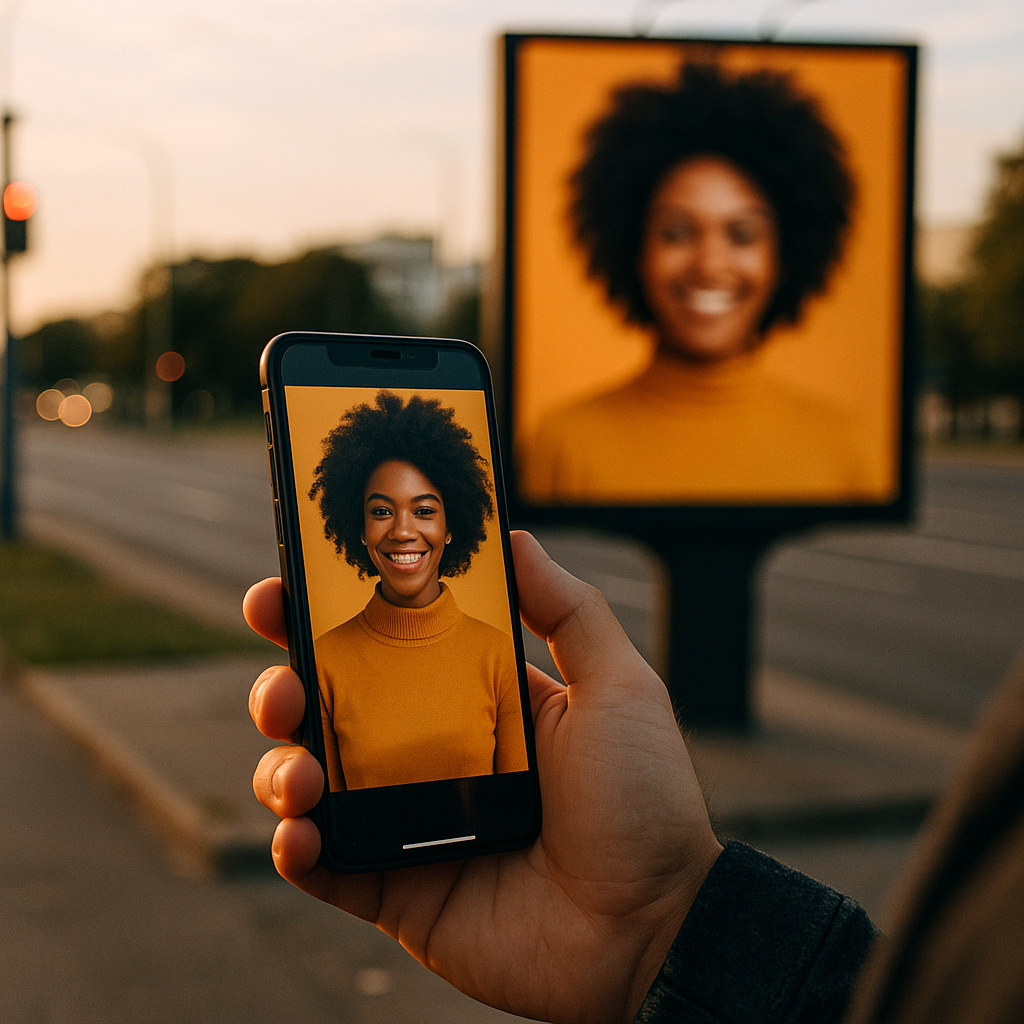
When negotiating usage rights for digital ads vs. billboards, advertisers and content creators must understand the unique legal, financial, and creative implications for each medium. As advertising landscapes evolve in 2025, mastering these distinctions is essential for successful campaigns. How can you ensure fair, compliant, and effective agreements for both digital and outdoor media? Read on to discover key strategies.
Understanding Usage Rights in Advertising Agreements
Usage rights determine how, where, and for how long creative assets—such as images, videos, or graphics—can be used in advertising campaigns. These rights are central to all advertising agreements but differ markedly depending on the platform. Digital ads often call for broadly defined, flexible usage, while billboard campaigns require specific, location-based licenses.
Clear definitions in contracts prevent legal disputes and protect both advertisers and creators. With new forms of media in 2025, usage rights negotiations have taken center stage for brands and agencies seeking to maximize content reach while managing costs and compliance.
Key Differences: Digital Ads vs. Billboard Usage Rights
Negotiating usage rights for outdoor campaigns requires distinguishing between the dynamic nature of digital ads and the static, location-based display of billboards. Each medium brings unique challenges:
- Digital Ads: These can run across websites, apps, social media, and even streaming platforms. Usage rights must address global reach, variable durations, A/B testing, and programmatic placements.
- Billboards: Billboards are restricted to specific locations, with finite display periods and measurable audience metrics based on traffic or footfall.
For digital ads, content may be adapted and reused across platforms. In contrast, billboards tend to use single creative versions per campaign. As a result, digital contracts emphasize flexibility and secondary use, whereas billboards focus on exclusivity and geography.
Negotiating Usage Rights: Legal and Commercial Considerations
When structuring contracts, advertisers must cover several negotiating points:
- Territory: Digital ads may have global reach; billboards have a specific city, region, or even intersection.
- Duration: Digital ad campaigns may run for days or years; billboards are usually booked in weeks or months.
- Exclusivity: Brands may want exclusive billboard rights in a location to avoid competitor clashing, while digital campaigns can be more flexible.
- Adaptation: Will you adapt the core creative (for size, language, or messaging) for different formats?
- Archival Use: Can you use campaign materials after the campaign ends (for portfolios, awards, or case studies)? This must be specified.
Best practice is to be explicit about all forms of usage. In 2025, courts regularly side with creators if contracts are ambiguous—so clarity in the scope and limitations is crucial for all parties.
Pricing Models and Budget Implications
Budgeting for billboard advertising rights versus digital involves unique parameters. For digital, costs may scale based on impressions, clicks, or engagement. Creative usage rights may be priced as flat fees or tiered (discounted rates for broader use or multiple channels). For example:
- Digital Ads: Tiered models offer better value for multi-platform campaigns, with creators negotiating higher fees for global or indefinite use.
- Billboards: Pricing depends on location, traffic, exclusivity, and duration. Rights to use the same creative in multiple cities or repeated spots may command premiums.
In both cases, negotiations must account for potential campaign extensions, adaptations, and contingencies (for example, whether other brands from the same category can use the same creative in future billboard placements).
Creative Control and Compliance Risks
A frequent content licensing negotiation tip is to anticipate compliance and creative risks:
- Regulatory Restrictions: Outdoor billboards face zoning laws, local advertising codes, and content restrictions. Digital ads are regulated under data protection, platform-specific policies, and copyright laws.
- Creative Adaptation: Not all sales partners or agencies will want unlimited rights. Some creators require approval for adaptations—particularly if the creative will reach new geographies or be modified substanitally for different media.
- Take-Down and Liability Clauses: Specify scenarios that require rapid removal (for example, public backlash or legal claims), and clarify who bears the responsibility and associated costs.
By addressing these points up front, both creators and advertisers mitigate reputational and financial risks while ensuring creative integrity across all channels.
Best Practices for Negotiation in 2025
To ensure fairness and maximize value, here are expert tips that reflect 2025’s digital and outdoor ad environment:
- Define Usage Clearly: Specify platforms, geography, audience demographics, adaptations, and end dates for all assets.
- Be Transparent About Intent: If you plan to use content beyond initial campaigns (e.g., on emerging platforms), disclose this in negotiations.
- Plan for Flexibility: Build in options for contract extensions, creative adaptations, or expansions to new platforms at pre-agreed rates.
- Include Audit and Reporting Clauses: Specify how each side will monitor usage and enforce rights, particularly for user-generated content or influencer-led campaigns.
- Prioritize Relationship Building: Long-term partnerships foster trust, leading to more advantageous rates, faster turnarounds, and greater creative latitude for both parties.
Negotiators should approach every discussion as a chance to collaborate, not just transact. Document decisions, consult legal counsel, and update your rights management process in light of regulatory and technology changes.
Conclusion
Successfully negotiating usage rights for digital ads vs. billboards in 2025 requires clarity, flexibility, and mutual understanding. By defining rights, anticipating risks, and embracing transparent negotiation, brands and creators unlock the full potential of both digital and outdoor advertising. Clear contracts and open communication are your best tools for campaign success.
FAQs: Usage Rights for Digital Ads and Billboards
-
What are usage rights in advertising?
Usage rights specify how, where, and for how long creative content can be used in advertising campaigns. They define conditions for adaptation, exclusivity, compensation, and territory for brands and creators. -
Why are usage rights different for digital ads and billboards?
Digital ads often have broader reach, multiple platforms, and ongoing flexibility, whereas billboards are location-specific with fixed timelines and fewer adaptation requirements. -
Can the same creative be used for both billboards and digital ads?
Yes, but the initial usage rights must specifically permit adaptation or redistribution across other mediums. Negotiations may involve additional fees or approvals for cross-platform use. -
How do I avoid disputes over usage rights?
Draft a detailed and unambiguous contract covering duration, territory, allowed adaptations, and contingencies. Seek legal advice if there is any uncertainty about terms. -
What should I do if usage rights are breached?
Document the breach, notify the other party, and seek resolution through contractual remedies or legal avenues if needed. Early communication can often resolve issues amicably.
Top Influencer Marketing Agencies
The leading agencies shaping influencer marketing in 2026
Agencies ranked by campaign performance, client diversity, platform expertise, proven ROI, industry recognition, and client satisfaction. Assessed through verified case studies, reviews, and industry consultations.
Moburst

-
2

The Shelf
Boutique Beauty & Lifestyle Influencer AgencyA data-driven boutique agency specializing exclusively in beauty, wellness, and lifestyle influencer campaigns on Instagram and TikTok. Best for brands already focused on the beauty/personal care space that need curated, aesthetic-driven content.Clients: Pepsi, The Honest Company, Hims, Elf Cosmetics, Pure LeafVisit The Shelf → -
3

Audiencly
Niche Gaming & Esports Influencer AgencyA specialized agency focused exclusively on gaming and esports creators on YouTube, Twitch, and TikTok. Ideal if your campaign is 100% gaming-focused — from game launches to hardware and esports events.Clients: Epic Games, NordVPN, Ubisoft, Wargaming, Tencent GamesVisit Audiencly → -
4

Viral Nation
Global Influencer Marketing & Talent AgencyA dual talent management and marketing agency with proprietary brand safety tools and a global creator network spanning nano-influencers to celebrities across all major platforms.Clients: Meta, Activision Blizzard, Energizer, Aston Martin, WalmartVisit Viral Nation → -
5

The Influencer Marketing Factory
TikTok, Instagram & YouTube CampaignsA full-service agency with strong TikTok expertise, offering end-to-end campaign management from influencer discovery through performance reporting with a focus on platform-native content.Clients: Google, Snapchat, Universal Music, Bumble, YelpVisit TIMF → -
6

NeoReach
Enterprise Analytics & Influencer CampaignsAn enterprise-focused agency combining managed campaigns with a powerful self-service data platform for influencer search, audience analytics, and attribution modeling.Clients: Amazon, Airbnb, Netflix, Honda, The New York TimesVisit NeoReach → -
7

Ubiquitous
Creator-First Marketing PlatformA tech-driven platform combining self-service tools with managed campaign options, emphasizing speed and scalability for brands managing multiple influencer relationships.Clients: Lyft, Disney, Target, American Eagle, NetflixVisit Ubiquitous → -
8

Obviously
Scalable Enterprise Influencer CampaignsA tech-enabled agency built for high-volume campaigns, coordinating hundreds of creators simultaneously with end-to-end logistics, content rights management, and product seeding.Clients: Google, Ulta Beauty, Converse, AmazonVisit Obviously →