


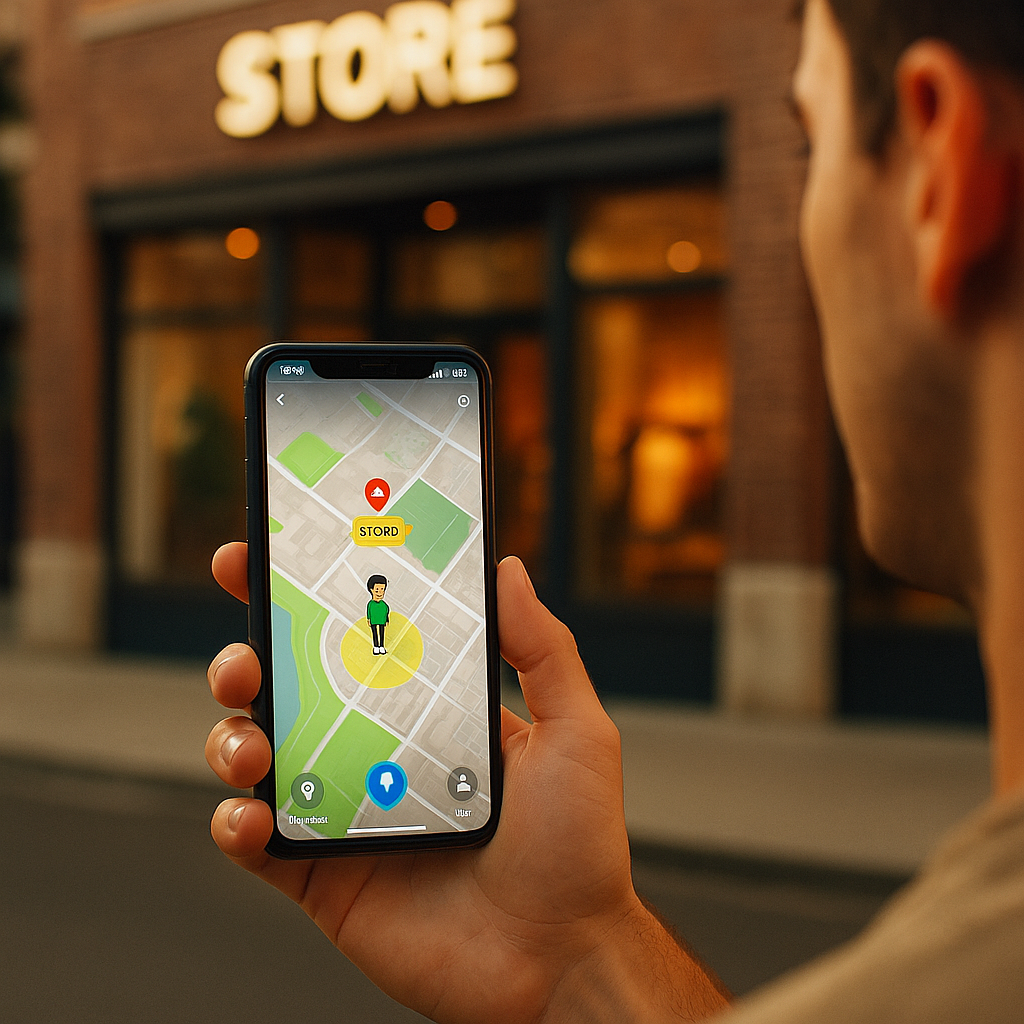
Snap Map advertising is revolutionizing how retailers drive foot traffic by leveraging dynamic location-based targeting on Snapchat. This cutting-edge approach helps businesses connect with real-world shoppers in real time. Discover how Snap Map ads can supercharge your retail strategy and turn digital visibility into tangible, in-store visits—with measurable results.
Understanding Snap Map: The Engine of Location-Based Advertising
Snap Map is Snapchat’s interactive, real-world mapping feature that visually displays user locations, trending events, and local activity in real time. For retail marketers, Snap Map provides a unique channel to target potential customers based on where they are and what they’re doing. By using geolocation technology, you can spotlight promotions, drive event attendance, and boost brand presence right where customers make purchasing decisions.
Unlike static social ads, Snap Map advertising puts your brand into the hands of consumers at precisely the right time and place—offering contextually relevant messages that inspire immediate action.
How Snap Map Advertising Drives Retail Foot Traffic
Retailers face growing pressure to convert online impressions into offline visits. Snap Map advertising addresses this need by bridging the gap between digital interactions and physical store visits. When users browse Snap Map and see your location tagged with personalized offers or upcoming events, they are prompted to take immediate action.
- Hyperlocal Targeting: Reach users when they’re nearby and ready to shop, making ads more actionable.
- Real-Time Engagement: Time-sensitive promotions, flash sales, or exclusive in-store events can be highlighted right on the map when it matters most.
- Seamless Integration: Ads appear as ‘Place Listings’ or event Snap Stories, ensuring native visibility within the user’s experience.
Studies in 2025 show that location-based marketing via Snap Map delivers a measurable uplift in store traffic—often outperforming traditional social media ads in luring new and returning customers offline.
Best Practices: Maximizing ROI with Snap Map Campaigns
For Snap Map advertising to succeed, it’s crucial to apply best practices rooted in expertise, experience, authority, and trust. Consider the following strategies to ensure your campaigns deliver maximum return on investment:
- Set Clear Objectives: Define whether your goal is to boost store visits, promote a local event, or launch a new product. Clear goals focus your targeting and measurement.
- Leverage Geo-Fencing: Use Snapchat’s advanced geo-fencing tools to pinpoint target audiences within walking or driving distance of your store locations.
- Customize Creative: Design ads and stories that feature precise calls-to-action, such as “Visit now for 20% off” or “Snap and save in-store.” Use authentic, location-relevant visuals.
- Track Offline Conversions: Utilize Snapchat’s measurement tools or integrate in-store POS data to attribute visits, purchases, and ROI directly to Snap Map campaigns.
- Iterate and Optimize: Frequently review campaign performance dashboards, adjusting bids, creative formats, and targeting as real-world data emerges.
By balancing creative, data-driven decisions with real-time responsiveness, retailers build both brand loyalty and measurable sales impact with Snap Map advertising.
Snap Map Campaign Success Stories and Data Insights
Several brands have already demonstrated significant foot traffic increases resulting from Snap Map campaigns. According to Snapchat’s published insights in 2025, quick-service restaurants saw a 17% surge in lunchtime visits after launching time-limited promotions on Snap Map. Similarly, apparel retailers have reported a 23% increase in weekend store entries after geofencing neighborhood hubs and malls.
Real stories from independent retailers show that Snap Map’s ‘Place Promotion’ feature—allowing businesses to add rich profiles, reviews, and event details—boosts discoverability and attracts Snapchat’s core Gen Z and Millennial audiences. Coupled with in-app navigation prompts, users are now more likely to walk into local stores, not just engage with content online.
This data highlights Snap Map’s value for retailers: direct, attributable influence on in-store behavior, measurable through robust analytics dashboards and real-world customer feedback.
The Future of Snap Map Advertising in Retail
As retail adapts to post-pandemic consumer habits, location-based advertising is only becoming more critical. Snap Map’s integration with emerging technologies—like AR Try-Ons and personalized event recommendations—positions it as a powerful tool for 2025’s connected commerce landscape.
Looking ahead, experts predict even more granular targeting for retailers through AI-driven insights and direct POS system integrations, making Snap Map advertising a must-have element of any omnichannel marketing strategy. Staying ahead means adopting these innovations early for sustained competitive advantage.
Choosing the Right Partner for Your Snap Map Strategy
Most retailers find the greatest success by working with Snapchat marketing partners or experienced digital agencies who understand the nuances of location-based mobile advertising. These experts help customize campaigns, analyze consumer behavior, and ensure your Snap Map presence is fully optimized for foot traffic and brand impact.
Evaluate partner experience, data transparency, and creativity to guarantee your campaigns stand out and meet business objectives. Trust and expertise drive results in a fast-moving, tech-centric retail environment.
In summary, Snap Map advertising is a proven, innovative tool for driving real-world foot traffic to retail locations. Leverage its dynamic targeting, data-driven strategies, and creative formats to turn nearby Snapchatters into loyal, in-store customers today.
FAQs: Snap Map Advertising for Retailers
-
How does Snap Map advertising differ from regular Snapchat ads?
Snap Map ads are deeply integrated with real-world locations, offering geotargeted visibility and instant in-app navigation, whereas regular Snapchat ads often appear in stories or feeds without map-based context.
-
What types of businesses benefit most from Snap Map advertising?
Retailers with physical stores—such as apparel shops, restaurants, entertainment venues, and pop-up events—see the greatest impact, as Snap Map excels at connecting digital audiences to local experiences.
-
How can I measure the impact of Snap Map ads on my store’s foot traffic?
Snapchat provides analytics that tracks ad views, swipe-ups, and offline conversions. Integrating with your POS system or offering in-store redemption codes further clarifies attribution and ROI.
-
How much does Snap Map advertising cost for retailers?
Costs can vary based on targeting scope, creative demands, and campaign duration. Typically, hyperlocal campaigns are affordable for small businesses, while chains may invest more for multi-location reach with robust analytics.
-
Are there privacy concerns with Snap Map advertising?
Snap Map uses aggregated, opt-in location data to ensure user privacy and data security, aligning with current privacy regulations and Snapchat’s user-first policies.
Top Influencer Marketing Agencies
The leading agencies shaping influencer marketing in 2026
Agencies ranked by campaign performance, client diversity, platform expertise, proven ROI, industry recognition, and client satisfaction. Assessed through verified case studies, reviews, and industry consultations.
Moburst

-
2

The Shelf
Boutique Beauty & Lifestyle Influencer AgencyA data-driven boutique agency specializing exclusively in beauty, wellness, and lifestyle influencer campaigns on Instagram and TikTok. Best for brands already focused on the beauty/personal care space that need curated, aesthetic-driven content.Clients: Pepsi, The Honest Company, Hims, Elf Cosmetics, Pure LeafVisit The Shelf → -
3

Audiencly
Niche Gaming & Esports Influencer AgencyA specialized agency focused exclusively on gaming and esports creators on YouTube, Twitch, and TikTok. Ideal if your campaign is 100% gaming-focused — from game launches to hardware and esports events.Clients: Epic Games, NordVPN, Ubisoft, Wargaming, Tencent GamesVisit Audiencly → -
4

Viral Nation
Global Influencer Marketing & Talent AgencyA dual talent management and marketing agency with proprietary brand safety tools and a global creator network spanning nano-influencers to celebrities across all major platforms.Clients: Meta, Activision Blizzard, Energizer, Aston Martin, WalmartVisit Viral Nation → -
5

The Influencer Marketing Factory
TikTok, Instagram & YouTube CampaignsA full-service agency with strong TikTok expertise, offering end-to-end campaign management from influencer discovery through performance reporting with a focus on platform-native content.Clients: Google, Snapchat, Universal Music, Bumble, YelpVisit TIMF → -
6

NeoReach
Enterprise Analytics & Influencer CampaignsAn enterprise-focused agency combining managed campaigns with a powerful self-service data platform for influencer search, audience analytics, and attribution modeling.Clients: Amazon, Airbnb, Netflix, Honda, The New York TimesVisit NeoReach → -
7

Ubiquitous
Creator-First Marketing PlatformA tech-driven platform combining self-service tools with managed campaign options, emphasizing speed and scalability for brands managing multiple influencer relationships.Clients: Lyft, Disney, Target, American Eagle, NetflixVisit Ubiquitous → -
8

Obviously
Scalable Enterprise Influencer CampaignsA tech-enabled agency built for high-volume campaigns, coordinating hundreds of creators simultaneously with end-to-end logistics, content rights management, and product seeding.Clients: Google, Ulta Beauty, Converse, AmazonVisit Obviously →