


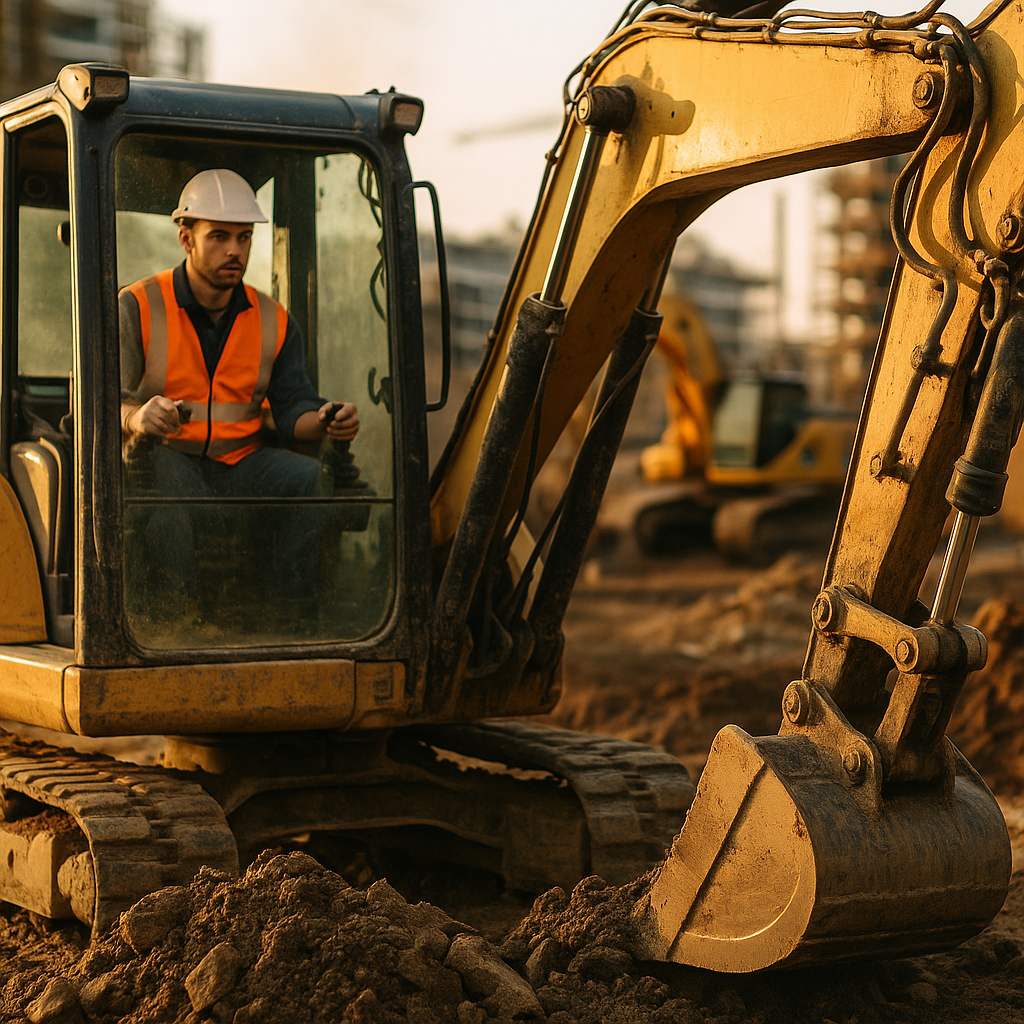
Heavy machinery is the backbone of modern construction and infrastructure projects, and few machines are as iconic as the excavator with operator. These dynamic duos transform blueprints into reality safely and efficiently. Discover how skilled operators and advanced equipment work in tandem, driving productivity and innovation in 2025’s heavy machinery sector.
Excavators With Operators: Core of Modern Construction Sites
Excavators with operators form the lifeblood of today’s bustling construction sites. Unlike automated systems, these operator-driven machines handle complex, unpredictable environments. Operators make real-time decisions, instinctively adjusting to changing soil, weather, and project demands. This human touch, combined with powerful machine capabilities, ensures projects are delivered on schedule while upholding rigorous safety standards.
Excavators are essential for:
- Foundation digging: They create the groundwork for buildings, bridges, and infrastructure.
- Material handling: Moving earth, debris, and resources efficiently with precision.
- Roadwork: Excavators shape and prepare roads and highways, accommodating new traffic patterns or repairs.
- Demolition: With specialized attachments, these machines make demolition safe and controlled.
With the industry growing to match global urbanization trends, skilled excavator operators are in higher demand than ever. Their expertise proves irreplaceable for safety, efficiency, and quality outcomes.
Heavy Equipment Operators: Skills and Certification in 2025
Heavy equipment operators in 2025 are equipped with a combination of technical knowledge and hands-on intuition. Progressive construction firms now require operators to hold national certifications, such as those approved by the National Commission for the Certification of Crane Operators (NCCCO). Training programs focus on safety protocols, environmental considerations, and machine-specific control systems, reflecting advances in both technology and regulation.
Key skills for modern excavator operators include:
- Control proficiency: Mastery of joystick, pedal, and digital controls for precise movement.
- Site awareness: Ability to interpret site layouts, hazard markings, and crew instructions swiftly.
- Adaptability: Operators must adjust approaches for varying terrain, moisture levels, or ground stability.
- Safety leadership: Consistent adherence to OSHA standards and commitment to a culture of safety.
Many employers now partner with vocational schools and training centers to ensure operators remain updated with the latest equipment software and operational best practices. As automation continues to emerge, operators trained in both manual and semi-autonomous systems remain the industry’s most valuable assets.
Excavator Technology Advancements: New Features and Benefits
In recent years, excavators with operators have integrated advanced technology to maximize efficiency and minimize risks. The industry in 2025 emphasizes machines outfitted with GPS-guided systems, telematics, and enhanced cabin ergonomics. These advancements elevate productivity, reduce environmental impact, and significantly improve operator comfort.
Notable excavator tech features include:
- GPS machine control: Enables centimeter-level grading accuracy and real-time progress tracking, optimizing each pass and reducing material waste.
- Remote monitoring: Fleet managers access live machine data—fuel consumption, maintenance needs, and performance reports—streamlining fleet management.
- Advanced safety systems: Proximity sensors, cameras, and collision-avoidance alerts ensure safe interaction between operators, ground workers, and other machinery.
- Operator comfort: Modern cabs are climate-controlled, sound-insulated, and ergonomically designed to combat fatigue during long shifts.
According to a 2024 Construction Equipment Association report, sites adopting smart excavators with skilled operators have seen a 20% boost in project completion rates. This data highlights how embracing both technology and human expertise creates significant competitive advantages.
Safety Protocols: Protecting Operators and Jobsites
Maintaining safety is paramount when showcasing excavators with operators. The potential for accidents with heavy machinery underscores the need for vigilant protocols at every stage. Leading contractors in 2025 enforce comprehensive safety plans addressing both common hazards and emerging risks posed by new technologies.
Key safety measures include:
- Pre-operation inspections: Operators conduct rigorous daily checks of hydraulics, electronics, and attachments to prevent malfunctions.
- Clear communication: Two-way radios and standardized hand signals keep crews connected, especially during complex maneuvers.
- Zone management: Designating safe zones for bystanders and workers, marked by high-visibility fencing or signage, reduces collision and pinching hazards.
- Continuous training: Safety refreshers on new technologies, weather-related challenges, and first-aid response are routine.
Incident data from 2025 shows that jobsites prioritizing operator-led safety briefings and ongoing training programs experience fewer injuries and unplanned downtime, reinforcing the direct relationship between safety investments and project success.
Environmental Sustainability in Heavy Machinery Operations
Modern excavators with operators contribute to sustainability goals in multiple ways. In 2025, a shift toward hybrid or fully electric heavy machinery is underway, driven by environmental regulations and company-led green initiatives. Operators are now trained to deploy eco-friendly practices that minimize emissions and disturbance to local habitats.
Environmental best practices include:
- Low-emission engine use: Newer excavators comply with Tier 5 emission standards, significantly reducing particulate and nitrogen oxide outputs.
- Reduced idling: Operators use auto-shutdown features and optimized workflow sequences to cut unnecessary machine idling.
- Soil preservation: Skilled operators avoid over-excavation and implement erosion controls, maintaining soil health and stability.
- Waste management: Precision in digging and sorting minimizes material wastage and streamlines site recycling processes.
As both regulators and clients prioritize greener projects, excavators with trained operators are pivotal. Their expertise enables construction firms to meet environmental benchmarks without sacrificing productivity or safety.
Showcasing Excavators and Operators: Impact on Project Success
Highlighting excavators with operators at work showcases the intersection of human skill and machine capability. Project stakeholders—investors, regulators, and clients—often tour sites to assess not only progress but also standards of safety, precision, and teamwork on display.
Key impacts of showcasing live excavator operations include:
- Demonstrating expertise: Live demonstrations provide transparency around operational standards and team competency, instilling stakeholder confidence.
- Stakeholder engagement: Site tours and livestreams foster greater buy-in and trust among clients, positively influencing project funding and approvals.
- Operator pride: Recognition and visibility motivate operators to maintain high safety, productivity, and quality standards.
- Recruitment and training: Public demonstrations attract new talent and emphasize the industry’s professionalism, aiding workforce development.
Construction firms leveraging on-site demonstrations of excavators and their skilled operators consistently report higher stakeholder satisfaction and successful project outcomes, distinguishing themselves in an increasingly competitive market.
In summary, excavators with operators are the heartbeat of today’s heavy machinery landscape. Their training, expertise, and ability to blend technology with hands-on skill create safer, more efficient, and environmentally responsible construction projects. Investing in operator development and showcasing these teams in action powers industry growth and innovation.
FAQs About Excavators With Operators in 2025
-
What qualifications are required to operate an excavator in 2025?
Operators typically need accredited certification from recognized bodies, thorough safety training, and proficiency with both standard and electronic control systems. Many employers also require ongoing education on new technologies.
-
How has technology changed excavator operations?
Advances such as GPS machine control, real-time telematics, and safety sensors have made operations safer, more efficient, and environmentally friendly, while still relying on the expertise of skilled operators.
-
Can excavator jobs be automated fully?
While automation is advancing, jobsite complexity and the need for human judgment keep skilled operators essential for most projects. Hybrid systems are common, but full automation remains rare.
-
How do excavators with operators contribute to sustainability?
Modern practices emphasize low-emission engines, reduced idling, precise digging, and careful material management—key factors in lowering carbon footprint and protecting the environment.
-
Why is it important to showcase excavators with operators?
Showcasing demonstrates a company’s emphasis on safety, skill, and operational excellence, building trust with clients, investors, and the community.
Top Influencer Marketing Agencies
The leading agencies shaping influencer marketing in 2026
Agencies ranked by campaign performance, client diversity, platform expertise, proven ROI, industry recognition, and client satisfaction. Assessed through verified case studies, reviews, and industry consultations.
Moburst

-
2

The Shelf
Boutique Beauty & Lifestyle Influencer AgencyA data-driven boutique agency specializing exclusively in beauty, wellness, and lifestyle influencer campaigns on Instagram and TikTok. Best for brands already focused on the beauty/personal care space that need curated, aesthetic-driven content.Clients: Pepsi, The Honest Company, Hims, Elf Cosmetics, Pure LeafVisit The Shelf → -
3

Audiencly
Niche Gaming & Esports Influencer AgencyA specialized agency focused exclusively on gaming and esports creators on YouTube, Twitch, and TikTok. Ideal if your campaign is 100% gaming-focused — from game launches to hardware and esports events.Clients: Epic Games, NordVPN, Ubisoft, Wargaming, Tencent GamesVisit Audiencly → -
4

Viral Nation
Global Influencer Marketing & Talent AgencyA dual talent management and marketing agency with proprietary brand safety tools and a global creator network spanning nano-influencers to celebrities across all major platforms.Clients: Meta, Activision Blizzard, Energizer, Aston Martin, WalmartVisit Viral Nation → -
5

The Influencer Marketing Factory
TikTok, Instagram & YouTube CampaignsA full-service agency with strong TikTok expertise, offering end-to-end campaign management from influencer discovery through performance reporting with a focus on platform-native content.Clients: Google, Snapchat, Universal Music, Bumble, YelpVisit TIMF → -
6

NeoReach
Enterprise Analytics & Influencer CampaignsAn enterprise-focused agency combining managed campaigns with a powerful self-service data platform for influencer search, audience analytics, and attribution modeling.Clients: Amazon, Airbnb, Netflix, Honda, The New York TimesVisit NeoReach → -
7

Ubiquitous
Creator-First Marketing PlatformA tech-driven platform combining self-service tools with managed campaign options, emphasizing speed and scalability for brands managing multiple influencer relationships.Clients: Lyft, Disney, Target, American Eagle, NetflixVisit Ubiquitous → -
8

Obviously
Scalable Enterprise Influencer CampaignsA tech-enabled agency built for high-volume campaigns, coordinating hundreds of creators simultaneously with end-to-end logistics, content rights management, and product seeding.Clients: Google, Ulta Beauty, Converse, AmazonVisit Obviously →