


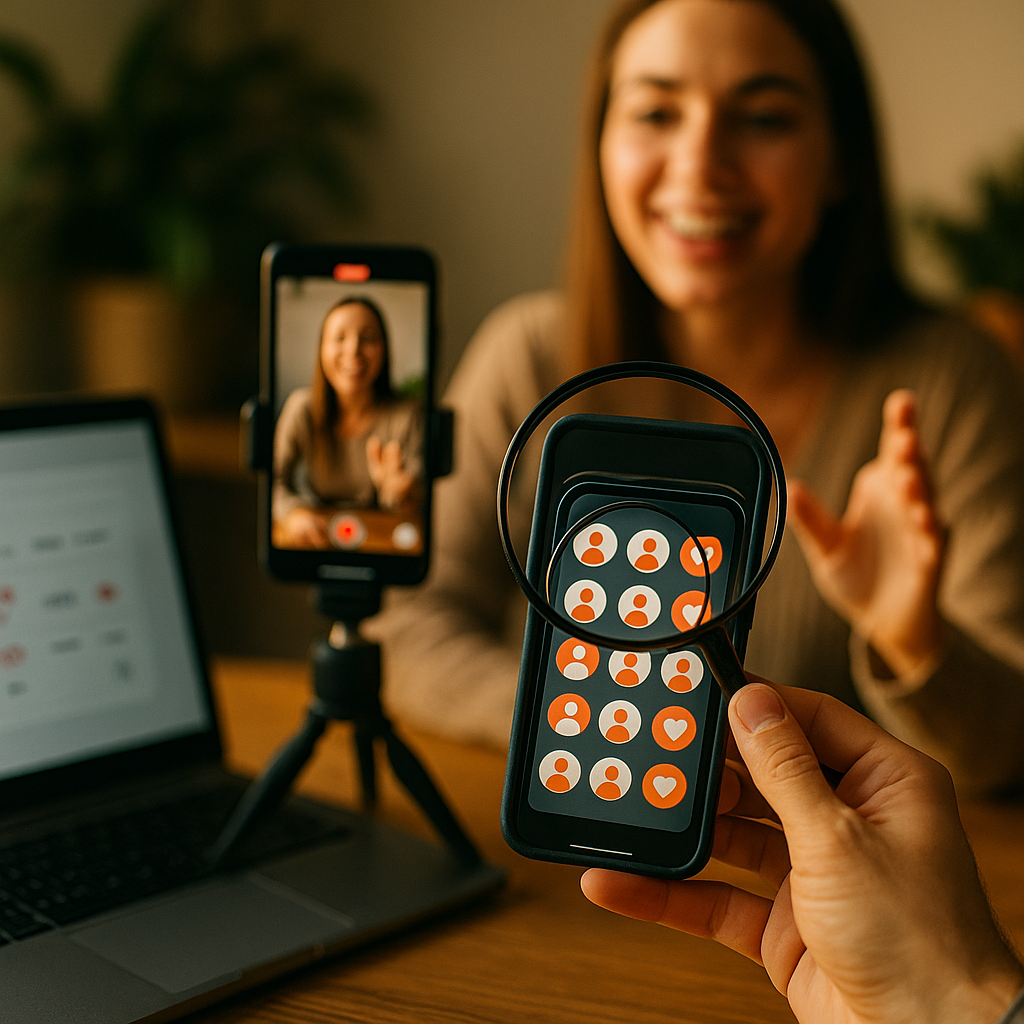
Influencer fraud is a hidden threat undermining trust in digital marketing, with “engagement pods” in comments distorting reality for brands and followers alike. These deceptive tactics inflate social proof and waste budgets. How can you spot the signs of engagement pods and protect your campaigns? Read on to arm yourself with knowledge for authentic influence in 2025.
What Are Engagement Pods and Why Do They Matter?
Engagement pods are groups of individuals—often influencers themselves—who agree to systematically like, share, and comment on one another’s social media posts. The goal is to artificially boost engagement metrics, such as comments and likes, to make posts appear more popular and credible than they truly are. This manipulative tactic can distort how audiences and brands perceive an influencer’s true impact.
Why do engagement pods matter so much? Because they undermine authenticity, erode consumer trust, and lead brands to make poor investment decisions. With global influencer marketing spend exceeding $20 billion in 2025, the incentive for influencer fraud has never been higher. Recognizing and mitigating engagement pod activity is essential for marketers, agencies, and savvy consumers alike.
How Engagement Pods Skew Influencer Metrics
At first glance, an influencer participating in an engagement pod may seem to have a highly interactive community. However, this engagement is anything but organic. Pods create:
- Inflated comment counts: Posts receive far more comments than genuine interest would generate.
- Non-contextual responses: Comments often seem generic (“Love this!” or “Great post!”) and add no meaningful dialogue.
- Suspiciously similar engagement rates: Posts maintain consistent and high interaction levels, regardless of content quality or timing.
- Circular engagement patterns: The same sets of accounts repeatedly interact with each other’s content in a predictable loop.
Brands relying solely on surface-level metrics risk investing resources into influencers whose reach and resonance are largely manufactured. Understanding these patterns helps marketers gauge real influence versus orchestrated visibility.
Key Signs of Engagement Pods in Comment Sections
Detecting engagement pods in comments isn’t always straightforward, but trained eyes—and smart analytics—can spot the difference between genuine and contrived engagement. Here are the most prominent warning signs:
- High volume of generic comments: Look for repetitive, vague phrases (“Awesome!”, “So true!”, “Love this!”) that don’t reference the specific content. Real followers typically react with more detail or personal insight.
- Rapid-fire commenting: If an influencer’s post receives a cluster of comments almost instantly after publishing, it can point to scheduled engagement through a pod.
- Recurring usernames: Pods often consist of the same individuals. Seeing the same commenters across multiple posts—especially if they, too, are influencers or creators—is a red flag.
- International mismatch: Marketing to a local audience but consistently receiving comments from users in unrelated regions may suggest forced engagement.
Analyzing these clues alongside historical engagement helps differentiate authentic interaction from pod-driven activity.
Best Detection Techniques: Combining AI Tools and Human Insight
Combatting influencer fraud in 2025 means harnessing both technological advancements and the expertise of seasoned analysts. Here’s how brands and agencies can effectively detect engagement pods:
- AI-driven anomaly detection: Modern analytics platforms use machine learning to flag irregular engagement spikes, repeated interaction patterns, and bot-like behavior within comment threads.
- Comment content analysis: Natural language processing (NLP) algorithms can assess the relevance and uniqueness of comments, helping uncover generic or scripted interactions typical of pods.
- Network mapping: Visualization tools map connections between accounts, identifying suspicious clusters of mutual engagement that deviate from organic audience behavior.
- Manual spot checks: While technology is powerful, human review introduces context. Reviewing commenter profiles for congruence with target audiences or regional focus adds an extra layer of scrutiny.
Combining data-driven approaches with human expertise maximizes accuracy in identifying influencer fraud at scale. Many leading influencer platforms now highlight engagement anomalies as a standard feature, empowering campaign managers to demand transparency and accountability.
Impact of Engagement Pods on Brand ROI and Influencer Credibility
Engagement pods don’t just distort metrics—they have real financial and reputational consequences for brands and influencers:
- Wasted ad spend: Brands pay premium rates based on inflated engagement, investing in reach that doesn’t convert to sales or authentic awareness.
- Reduced trust: Followers quickly recognize inauthentic interaction, leading to audience attrition and long-term erosion of both personal and brand credibility.
- Ineffective campaigns: Strategies built on false assumptions deliver poor ROI, hampering future budget allocation and goal setting.
- Stricter platform enforcement: As platforms tighten their detection algorithms, participation in pods can lead to account demotion, shadowbanning, or permanent bans—further threatening an influencer’s livelihood.
The message is clear: transparent, authentic collaboration is not just ethical—it’s essential for sustained influencer success in today’s data-driven ecosystem.
Steps to Take When You Suspect Engagement Pods
If you discover suspicious engagement patterns or suspect influencer fraud in your campaigns, take the following proactive steps:
- Request granular data: Ask influencers to share detailed audience insights and historical engagement data. Scrutinize for anomalies, such as sudden follower jumps or regional mismatches.
- Use third-party verification tools: Platforms that specialize in influencer analytics can independently vet engagement quality and flag suspicious pods.
- Communicate expectations: Establish clear guidelines with influencers about authentic engagement and the use of pods in your contracts.
- Educate your team: Share learnings within your marketing and procurement teams to ensure ongoing vigilance and knowledge-sharing.
- Be prepared to pivot: If influencer fraud is detected, be ready to reallocate budgets or terminate partnerships promptly to protect your brand’s integrity.
Transparency, vigilance, and accountability at every stage are your defense against evolving influencer fraud tactics.
Conclusion: Elevate Your Influencer Strategy Beyond Fraud
Understanding and detecting engagement pods in comments is vital for ensuring genuine influencer partnerships and campaign ROI. By combining smart analytics, human insight, and transparent collaboration, brands can confidently navigate the evolving influencer marketing landscape in 2025. Demand authenticity—your audience, budget, and brand reputation depend on it.
FAQs: Influencer Fraud and Engagement Pods
- What is an engagement pod?
An engagement pod is a group where members agree to like and comment on each other’s posts to artificially inflate engagement metrics, often to mislead brands and followers about an influencer’s popularity. - Why do influencers use engagement pods?
Influencers participate in engagement pods to boost visibility, attract sponsorships, and appear more influential, all without actually growing a genuine, engaged audience. - Can brands safeguard against engagement pod fraud?
Yes. Brands can use advanced analytics, manual profile checks, and contract clauses to ensure influencer engagement is authentic and relevant to their target markets. - Are engagement pods illegal?
While not always illegal, engagement pods violate most social platforms’ guidelines and are considered unethical, risking penalties, account suspensions, and loss of brand partnerships. - How can I tell if my influencer marketing campaign is impacted by pod activity?
Monitor for abrupt engagement spikes, recurring generic comments, and repetitive mutual interactions among influencers. Independent verification tools can help detect these patterns.
Top Influencer Marketing Agencies
The leading agencies shaping influencer marketing in 2026
Agencies ranked by campaign performance, client diversity, platform expertise, proven ROI, industry recognition, and client satisfaction. Assessed through verified case studies, reviews, and industry consultations.
Moburst

-
2

The Shelf
Boutique Beauty & Lifestyle Influencer AgencyA data-driven boutique agency specializing exclusively in beauty, wellness, and lifestyle influencer campaigns on Instagram and TikTok. Best for brands already focused on the beauty/personal care space that need curated, aesthetic-driven content.Clients: Pepsi, The Honest Company, Hims, Elf Cosmetics, Pure LeafVisit The Shelf → -
3

Audiencly
Niche Gaming & Esports Influencer AgencyA specialized agency focused exclusively on gaming and esports creators on YouTube, Twitch, and TikTok. Ideal if your campaign is 100% gaming-focused — from game launches to hardware and esports events.Clients: Epic Games, NordVPN, Ubisoft, Wargaming, Tencent GamesVisit Audiencly → -
4

Viral Nation
Global Influencer Marketing & Talent AgencyA dual talent management and marketing agency with proprietary brand safety tools and a global creator network spanning nano-influencers to celebrities across all major platforms.Clients: Meta, Activision Blizzard, Energizer, Aston Martin, WalmartVisit Viral Nation → -
5

The Influencer Marketing Factory
TikTok, Instagram & YouTube CampaignsA full-service agency with strong TikTok expertise, offering end-to-end campaign management from influencer discovery through performance reporting with a focus on platform-native content.Clients: Google, Snapchat, Universal Music, Bumble, YelpVisit TIMF → -
6

NeoReach
Enterprise Analytics & Influencer CampaignsAn enterprise-focused agency combining managed campaigns with a powerful self-service data platform for influencer search, audience analytics, and attribution modeling.Clients: Amazon, Airbnb, Netflix, Honda, The New York TimesVisit NeoReach → -
7

Ubiquitous
Creator-First Marketing PlatformA tech-driven platform combining self-service tools with managed campaign options, emphasizing speed and scalability for brands managing multiple influencer relationships.Clients: Lyft, Disney, Target, American Eagle, NetflixVisit Ubiquitous → -
8

Obviously
Scalable Enterprise Influencer CampaignsA tech-enabled agency built for high-volume campaigns, coordinating hundreds of creators simultaneously with end-to-end logistics, content rights management, and product seeding.Clients: Google, Ulta Beauty, Converse, AmazonVisit Obviously →