


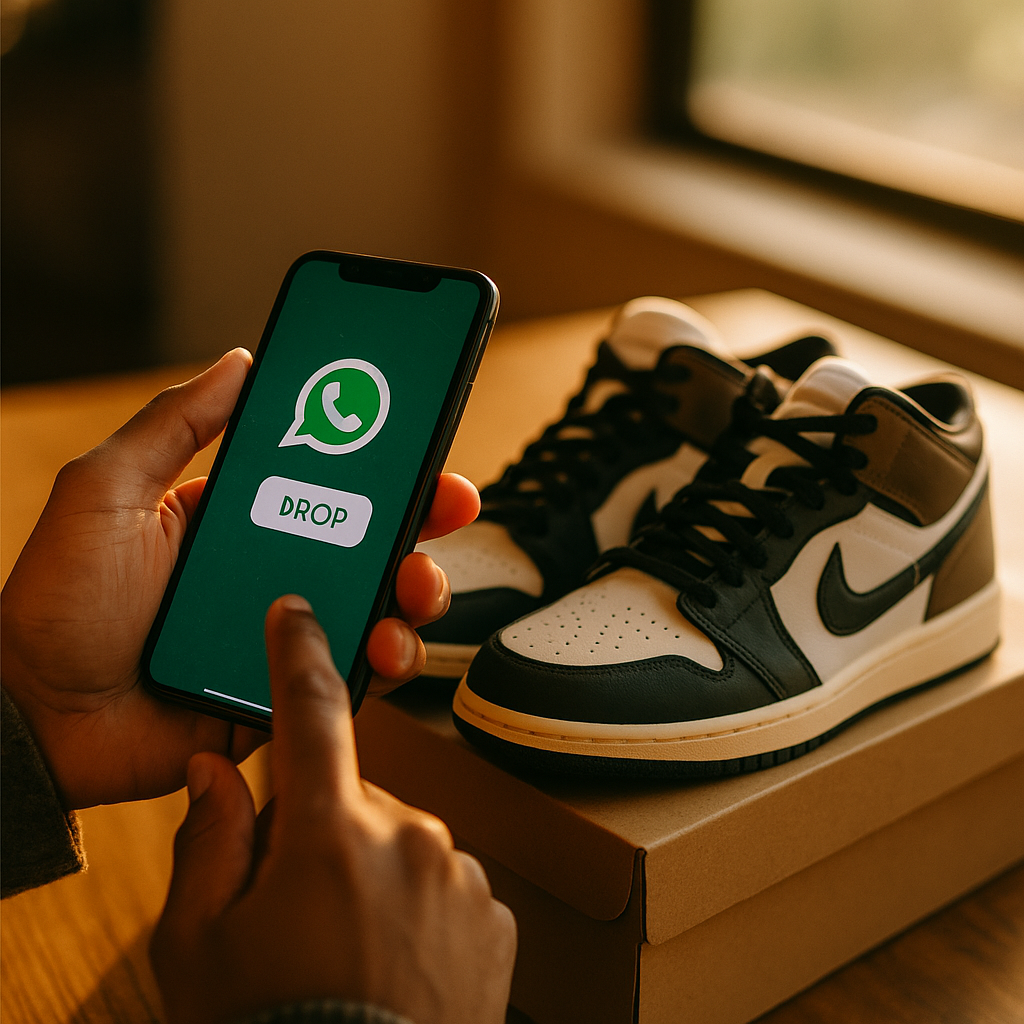
In 2025, brands that win launches don’t just “announce”—they orchestrate access. This playbook shows how to use WhatsApp Channels for exclusive product drops to build anticipation, segment audiences, and convert demand into fast sellouts without burning trust. You’ll learn setup, messaging, compliance, and measurement with clear templates you can apply today—ready to turn scarcity into loyalty?
WhatsApp Channels strategy: define your drop model and goals
Before you post a single update, decide what “exclusive” means for your business. A channel is a broadcast surface: followers receive your updates, but they can’t reply publicly. That design is perfect for drop-style commerce—if you define the rules and outcomes up front.
Pick a drop model that matches your inventory and brand promise:
- Early access: Channel followers get a private link 30–120 minutes before everyone else.
- Limited quantity: A hard cap (e.g., 300 units) with transparent restock policy.
- Limited time: Sales window closes at a fixed time, regardless of remaining stock.
- Bundle or gift-with-purchase: Exclusivity comes from an add-on rather than scarce core inventory.
- Colorway/variant only: A channel-only edition that avoids disappointing broader audiences.
Set measurable goals: Decide whether the channel is primarily for revenue, retention, or demand forecasting. Use 3–5 targets you can track weekly, such as:
- Follower growth rate and follower-to-click rate (from link taps)
- Drop-day revenue attributable to channel links (via UTM parameters)
- Conversion rate from channel traffic vs. other sources
- Refund rate and customer support ticket volume (trust indicators)
- Repeat purchase rate among channel-acquired customers
Answer the audience question now: “Why should I follow this channel?” Your value proposition must be specific: early access, behind-the-scenes proof, restock alerts, member-only bundles, or first access to limited editions. If you can’t state the benefit in one sentence, the channel will feel like another ad feed.
Exclusive product drops planning: build scarcity without eroding trust
Scarcity drives action, but it also creates backlash if it feels manipulative. Plan drops that protect trust, reduce checkout chaos, and reward loyal followers.
Design a transparent availability policy:
- State whether the item will restock, and if so, when (even “no restock planned” is useful).
- Set a purchase limit per customer for truly limited items.
- Explain how you’ll handle oversells, cancellations, and backorders.
- Clarify shipping timelines and any regional constraints.
Build a drop calendar followers can rely on: If you drop randomly, only the chronically online win. Instead, pick a consistent cadence (e.g., monthly drops + surprise micro-drops) and tell followers what to expect: “One major drop per month, plus restock alerts as needed.” Consistency increases opt-in intent and reduces unsubscribe behavior.
Plan content that answers follow-up questions before they’re asked:
- Product: materials, sizing, compatibility, what’s included, care instructions
- Proof: testing notes, behind-the-scenes production, quality checks
- Buying: price, taxes/duties, payment methods, return window
- Logistics: shipping cutoffs, tracking, customer support path
Include an access ladder: Consider tiered exclusivity without creating resentment. For example: channel followers get first link; email list gets access one hour later; public launch next day. This keeps the channel valuable while respecting other communities you’ve built.
WhatsApp broadcast marketing setup: optimize your channel and link infrastructure
Execution fails when setup is sloppy. Treat your channel like a mini storefront: clear identity, predictable structure, and trackable paths to purchase.
Channel essentials checklist:
- Name and description: Put the benefit first (“Drops + early access”), then brand. Keep it scannable.
- Icon and header: Use consistent brand visuals; avoid text-heavy graphics that blur on mobile.
- Posting standards: Decide tone, cadence, and formatting rules (short lines, one CTA per update).
- Community expectations: State what you will and won’t post (e.g., “No daily promos—only drops, restocks, and product notes”).
Link infrastructure for attribution and control:
- Use UTM parameters on every drop link so analytics tools can attribute revenue to the channel.
- Use a redirect link you control (via your site) to swap destinations if a product sells out or a page breaks.
- Create a drop landing page with FAQs, shipping/returns, and a clear “Buy” button. Don’t send cold followers to a cluttered category page.
- Prepare backup links: “Waitlist,” “Next drop,” and “Similar items.” These prevent dead-end frustration.
Operational readiness: Sync inventory and customer support. If you trigger a spike and your stock count lags or support is offline, you create distrust. Ensure real-time inventory updates, a staffed support inbox during the drop window, and pre-written macros for common issues (address changes, sizing, order confirmation, refund timing).
Product drop messaging: craft a pre-drop, drop-day, and post-drop sequence
Your channel content should move followers through a simple journey: awareness → confidence → urgency → confirmation. Use short updates, one idea per message, and a single action.
Pre-drop sequence (3–7 days):
- Tease (Day -7 to -5): “Something limited is coming. Channel followers get first access.” Include date/time and time zone.
- Proof (Day -5 to -3): Share a behind-the-scenes photo or a quick demo. Add one concrete spec (material, battery life, weight, fit).
- Details (Day -3 to -1): Price, what’s included, shipping timeline, return policy, purchase limit. Link to the drop landing page.
- Reminder (Day -1): “Tomorrow, 10:00. Turn on channel notifications.” Keep it simple.
Drop-day sequence (same day):
- 30–60 minutes before: Confirm start time, purchase limit, and what to do if the item sells out (waitlist link).
- At launch: Post the buy link with a clean CTA. Example: “Access is live. Buy here: [link]. Limit 1 per customer.”
- 15–30 minutes in: Status update: “Low stock” only if true. Avoid fake urgency—followers notice.
- Sellout: Confirm sellout, thank followers, and offer next steps (waitlist/restock alerts/similar product).
Post-drop sequence (next 48 hours):
- Confirmation and care: Shipping timeline, how to edit address, how to contact support.
- Social proof: Share a few customer reactions or unboxing photos (with permission) and set expectations for the next drop.
- Feedback prompt: Ask one focused question via a linked form (e.g., “Which color should we produce next?”). This improves forecasting.
Answer the “how often should we post?” question: For most brands, 2–4 updates per week is sustainable, with higher frequency only during launch windows. If every post is a promotion, followers mute notifications and you lose the drop advantage.
Channel growth tactics: drive qualified followers and protect deliverability
Exclusive drops work when the right people follow the channel—people who want the product category and can buy. Aim for qualified growth over vanity metrics.
High-intent acquisition plays:
- Post-purchase invite: Add a checkbox or thank-you page CTA: “Get restock + early access on WhatsApp.” These followers convert well.
- Site-wide banner for scarcity moments: Run it only when a drop is scheduled to avoid banner fatigue.
- Packaging insert QR code: “Scan to join for member-only drops.” This reaches your happiest customers.
- Email/SMS cross-promotion: Invite only engaged segments (recent purchasers, waitlist signups).
- Social proof clips: Short videos showing the product in use + “Follow the channel for next drop access.”
Keep your channel clean and credible:
- Don’t promise “exclusive” if you also run the same offer everywhere simultaneously.
- Don’t bait with scarcity and then quietly restock the next day without explanation.
- Don’t overload updates with multiple links. One update, one action.
Segment without overcomplicating: Channels are broadcast-first, so segmentation often happens through multiple channels (e.g., “Drops,” “Back-in-stock,” “VIP testers”) or through link-based behavior (UTM + onsite personalization). If your catalog spans different audiences, separate channels can increase relevance and reduce churn.
Analytics and compliance: measure performance and stay within platform and legal rules
Helpful content and trustworthy commerce require measurement and responsible messaging. Treat analytics and compliance as part of the drop experience, not an afterthought.
What to measure for each drop:
- Channel metrics: follower growth, views per update, link taps
- Commerce metrics: sessions from channel UTMs, add-to-cart rate, conversion rate, revenue, average order value
- Operational metrics: support tickets per 100 orders, shipping delays, cancellation/refund rate
- Trust metrics: unsubscribes/mutes after drop, complaint themes, return reasons
Build an experimentation loop: Change one variable per drop—launch time, purchase limit, landing page layout, content format, or bundle composition. Document the hypothesis and outcome. Over a few drops, you’ll learn what your audience responds to rather than guessing.
Compliance and safety basics in 2025:
- Truth in advertising: Be accurate about pricing, availability, and shipping timelines.
- Data privacy: Use UTMs and analytics responsibly; link to your privacy policy from drop pages. Collect only what you need for waitlists and feedback.
- Permissions: Only use customer photos/testimonials with explicit permission and clear context.
- Support access: Provide a clear path for issues (email, help center, or WhatsApp Business support) and state response times during drop windows.
Answer the “how do we prevent angry followers?” question: Communicate constraints early, enforce purchase limits for fairness, and always provide a next step when stock runs out. A clear waitlist and an honest restock stance reduce frustration more than any hype line.
FAQs about WhatsApp Channels for exclusive product drops
Do WhatsApp Channels replace email or SMS for product launches?
No. Channels work best as an “access layer” for timely updates and exclusivity. Email remains strong for detailed storytelling and receipts; SMS is effective for direct alerts. Many brands use WhatsApp Channels for early access and drop-day alerts, then use email for longer-form education and post-purchase support.
How many updates should I send during a drop without annoying followers?
Most drops perform well with 4–7 total updates across the full cycle: 2–4 pre-drop, 1 launch post, and 1–2 post-drop. Increase frequency only when you’re providing genuinely useful information like sizing help, shipping cutoffs, or sellout status.
What should my channel post include to drive conversions?
Keep it tight: one benefit, one proof point, one CTA. Include the launch time with time zone, the purchase limit, and a single link with tracking. If the product is complex, link to a landing page that answers sizing, compatibility, shipping, and returns.
How do I handle sellouts without losing momentum?
Post a clear sellout update, thank followers, and immediately share a waitlist or “next drop” link. If you plan to restock, say when. If you don’t, say so and offer an alternative product or variant to capture demand ethically.
What’s the best way to attribute sales to WhatsApp Channels?
Use unique UTM parameters for each drop link and route traffic through a redirect you control. Track sessions, conversion rate, and revenue from those UTMs in your analytics platform. If you run multiple updates, use separate UTMs per update to see which message drove the most purchases.
Can small brands run successful drops without a big following?
Yes. Drops reward attention density, not just reach. A smaller channel with highly interested followers often converts better than a large, general audience. Focus on qualified acquisition (post-purchase invites, waitlists, packaging QR codes) and consistent, transparent drop rules.
WhatsApp Channels can turn product drops into a repeatable system: a clear promise, disciplined messaging, and measurable outcomes. Define exclusivity, prepare inventory and support, then run a simple sequence that builds confidence before urgency. Track every link, learn from each drop, and protect trust with transparent policies. Execute this playbook, and your next launch will feel less like a gamble and more like a controlled release.
Top Influencer Marketing Agencies
The leading agencies shaping influencer marketing in 2026
Agencies ranked by campaign performance, client diversity, platform expertise, proven ROI, industry recognition, and client satisfaction. Assessed through verified case studies, reviews, and industry consultations.
Moburst

-
2

The Shelf
Boutique Beauty & Lifestyle Influencer AgencyA data-driven boutique agency specializing exclusively in beauty, wellness, and lifestyle influencer campaigns on Instagram and TikTok. Best for brands already focused on the beauty/personal care space that need curated, aesthetic-driven content.Clients: Pepsi, The Honest Company, Hims, Elf Cosmetics, Pure LeafVisit The Shelf → -
3

Audiencly
Niche Gaming & Esports Influencer AgencyA specialized agency focused exclusively on gaming and esports creators on YouTube, Twitch, and TikTok. Ideal if your campaign is 100% gaming-focused — from game launches to hardware and esports events.Clients: Epic Games, NordVPN, Ubisoft, Wargaming, Tencent GamesVisit Audiencly → -
4

Viral Nation
Global Influencer Marketing & Talent AgencyA dual talent management and marketing agency with proprietary brand safety tools and a global creator network spanning nano-influencers to celebrities across all major platforms.Clients: Meta, Activision Blizzard, Energizer, Aston Martin, WalmartVisit Viral Nation → -
5

The Influencer Marketing Factory
TikTok, Instagram & YouTube CampaignsA full-service agency with strong TikTok expertise, offering end-to-end campaign management from influencer discovery through performance reporting with a focus on platform-native content.Clients: Google, Snapchat, Universal Music, Bumble, YelpVisit TIMF → -
6

NeoReach
Enterprise Analytics & Influencer CampaignsAn enterprise-focused agency combining managed campaigns with a powerful self-service data platform for influencer search, audience analytics, and attribution modeling.Clients: Amazon, Airbnb, Netflix, Honda, The New York TimesVisit NeoReach → -
7

Ubiquitous
Creator-First Marketing PlatformA tech-driven platform combining self-service tools with managed campaign options, emphasizing speed and scalability for brands managing multiple influencer relationships.Clients: Lyft, Disney, Target, American Eagle, NetflixVisit Ubiquitous → -
8

Obviously
Scalable Enterprise Influencer CampaignsA tech-enabled agency built for high-volume campaigns, coordinating hundreds of creators simultaneously with end-to-end logistics, content rights management, and product seeding.Clients: Google, Ulta Beauty, Converse, AmazonVisit Obviously →