


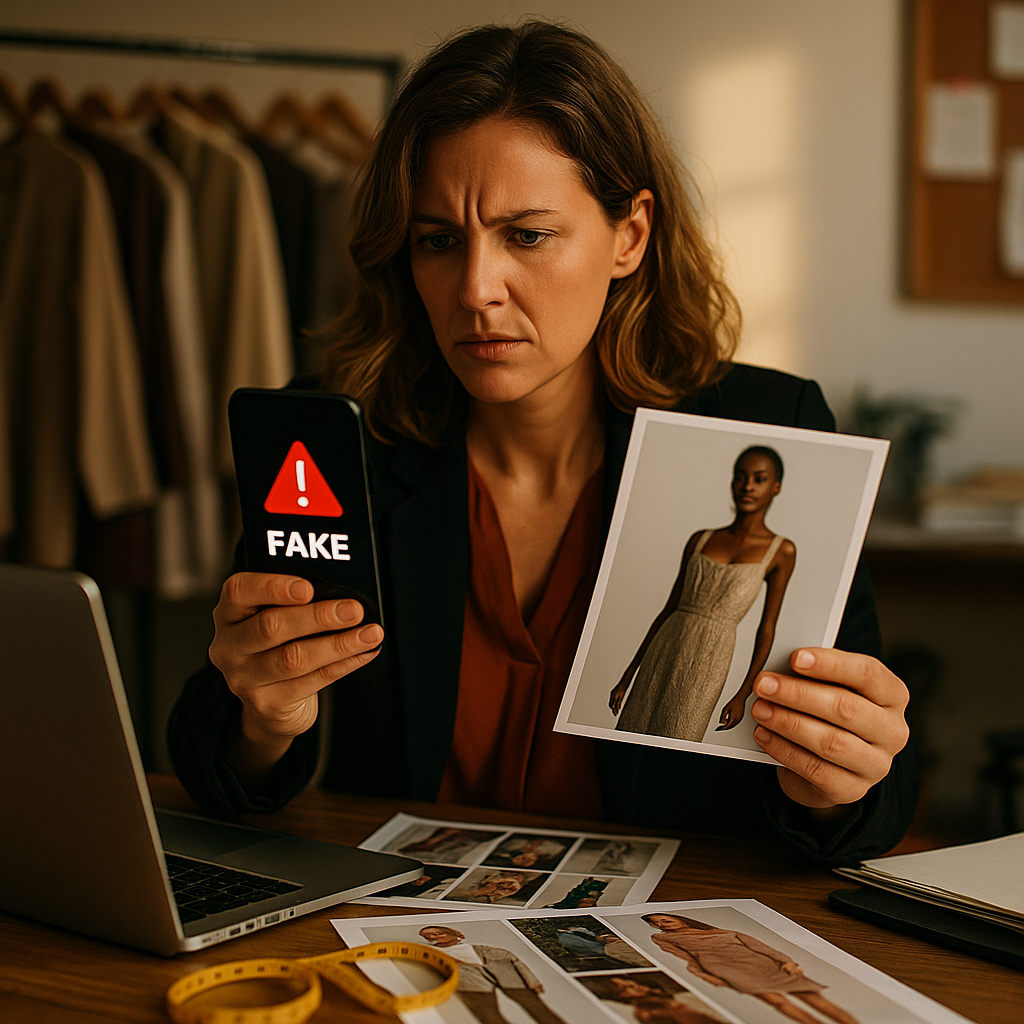
Case study viral misinformation crisis moments can turn a thriving fashion label into a trending target in hours. In 2025, consumers expect fast answers, clear evidence, and accountability—especially when claims spread through short-form video and repost chains. This case study shows how one label contained false allegations, protected customers, and rebuilt trust without sounding defensive. Here’s what happened, and why the response worked.
Viral misinformation in fashion: What sparked the crisis
The fashion label in this case study—an online-first brand with wholesale partners and a strong social following—faced a sudden wave of posts alleging its bestselling jacket used “illegal toxic dyes” and was “banned at ports.” The claim started as a stitched video that combined a real regulatory screenshot from an unrelated product category with images of the brand’s jacket. The content spread quickly through reposts, reaction videos, and text overlays that removed context.
Within 24 hours, the brand saw three immediate impacts:
- Customer anxiety: Support tickets spiked with requests for refunds, lab reports, and safety assurances.
- Retail partner pressure: Two stockists asked whether they should pull inventory pending clarification.
- Search and social distortion: Autocomplete and hashtags began pairing the brand name with “toxic,” “ban,” and “recall,” even though no recall existed.
The label’s leadership recognized a key reality: misinformation rarely travels alone. Once a narrative forms, it attracts adjacent accusations (labor practices, sourcing, price gouging). The first objective was to contain the core false claim with verifiable facts—then to prevent the situation from expanding into a broader trust collapse.
To avoid compounding harm, the brand paused all promotional posts for 48 hours. That decision limited the risk of appearing indifferent or opportunistic while customers were asking safety questions. The communications lead also created a single internal brief to keep messaging consistent across customer support, retail partners, and social channels.
Brand reputation management: Rapid response without panic
The team followed a structured, high-credibility response pattern: acknowledge, investigate, evidence, action. They avoided two common traps: denying too early (before verifying supply-chain facts) and over-explaining in emotional language (which can look like evasion). Instead, they moved quickly but stayed precise.
Step 1: Publish a holding statement in plain language
Within six hours of identifying the viral post as the primary source, the brand posted a short statement across its website banner, Instagram, TikTok, and email support auto-reply:
- They were aware of the claim.
- No regulator had issued a recall or import ban for the product.
- They were verifying all documentation and would share evidence within 24 hours.
This approach reduced inbound volume by answering the first customer question: “Do you know this is happening?” It also protected EEAT by setting expectations and committing to proof rather than persuasion.
Step 2: Create a “single source of truth” hub
They launched a dedicated webpage titled “Product Safety & Materials Verification” and linked to it everywhere. The hub included:
- Batch-level traceability for the jacket’s most recent production run (lot codes and factory references).
- Material declarations from suppliers and dye houses.
- Third-party lab testing summary for restricted substances relevant to textile compliance.
- FAQ addressing the most repeated questions from support tickets.
Crucially, the hub used accessible explanations. The brand defined what the restricted substance categories were, what “below limits” means, and how often tests are conducted. That prevented customers from needing a chemistry background to assess risk.
Step 3: Brief partners and frontline teams before debating online
Retail partners received a direct email and a 15-minute call option with the head of operations. Customer support received approved language, a decision tree for refunds, and a process for escalating medical concerns (with a recommendation to consult clinicians for health questions). This internal alignment stopped inconsistent answers—one of the fastest ways to lose trust during a crisis.
Social media crisis response: Evidence-led content that travels
Misinformation spreads because it is easy to share. The label’s response had to match that shareability while staying accurate. The team built a content plan designed for speed and reusability without sensational framing.
1) A short video that shows receipts, not outrage
The brand’s founder recorded a 45-second vertical video with three on-screen points:
- The claim circulating is not linked to any official notice about the brand’s product.
- Independent lab testing results are available on the website and will be updated as new batches ship.
- Customers can request a free return label if they feel uncomfortable while reviewing the information.
The video used clear captions, displayed the URL to the documentation hub, and avoided attacking creators. That lowered the risk of sparking a second wave driven by conflict.
2) “Stitch-safe” replies to high-performing posts
Rather than replying everywhere, the team prioritized the top 15 posts driving the most traffic and comments. They responded with the same three anchors: link to evidence, summary of what the evidence shows, and an invitation to ask questions in one centralized Q&A post. This kept the conversation findable and reduced duplicated effort.
3) A live Q&A moderated for clarity
Within 48 hours, the brand hosted a live Q&A with the head of product and an external textile compliance consultant. The consultant clarified what typical restricted substance panels cover and how consumers can interpret lab reports. This third-party participation strengthened trust signals, especially for skeptics who assume brands “mark their own homework.”
4) Comment moderation rules that preserve credibility
The brand published moderation guidelines: they would remove doxxing, hate speech, and medical misinformation, but they would not remove critical questions. This stance prevented the “they’re deleting comments” narrative that often reignites crises.
By day five, the hashtag pairing the brand with “toxic” slowed, and the documentation hub became the top organic search result for the brand name plus the misleading keyword combination. That shift mattered: when potential customers searched, they found structured evidence first, not fragmented outrage.
Trust and transparency strategy: Turning proof into long-term confidence
Containing a rumor is only half the work. The brand focused on a transparency program that would still make sense after the viral moment faded. The objective: turn a defensive posture into a durable trust asset.
Publish a materials and testing policy with cadence
The brand released a policy stating:
- Which product categories receive restricted substance testing by default.
- How often testing occurs (per production run vs. periodic audits).
- What triggers additional testing (supplier changes, new dyes, new factories).
- How customers can request documentation for a specific lot code.
They also committed to updating the hub quarterly in 2025, even if no controversy exists. This matters because consistency is a strong proxy for sincerity.
Offer customer-first remedies that reduce perceived risk
The brand expanded its return window for the jacket from 30 to 60 days for purchases made during the peak misinformation period. This move served three purposes:
- It reduced pressure on customers to “decide now” while anxious.
- It signaled confidence in the product’s safety.
- It minimized chargebacks, which often rise when trust drops.
Make transparency legible, not just available
Many brands post PDFs that few can parse. This label added a plain-language summary above any technical documents and explained the difference between hazard and exposure without making health claims. They also included a short “How to read this report” section and defined common terms like detection limits and compliance thresholds.
Demonstrate governance, not just messaging
To avoid “PR-only” accusations, the brand documented who owns compliance decisions internally, how suppliers are vetted, and what happens when standards are not met. They added a named contact role (not a generic inbox) for compliance inquiries. This is a practical EEAT move: identifiable responsibility improves credibility.
Supply chain verification: Proving the truth with documentation
The brand’s most persuasive asset was not a clever slogan—it was verifiable proof tied to the specific product. They treated the crisis as an audit-like event and strengthened their systems in the process.
What they verified immediately
- Dye house certifications and chemical inventory declarations for the jacket’s colorways.
- Chain-of-custody documentation linking fabric lots to finished goods.
- Customs and shipping records to refute the “banned at ports” claim with direct evidence.
- Third-party lab tests focused on restricted substances commonly referenced in textile misinformation.
What they improved for resilience
- Lot code visibility: They added clearer lot code placement on care labels and order confirmations so customers could match items to documentation.
- Supplier change controls: Any change in dye house or finishing process required additional testing before shipping.
- Document readiness: They standardized how reports are stored and redacted (protecting supplier IP while keeping consumer-relevant results visible).
They also addressed a likely follow-up question: “If it’s false, why did it sound believable?” The brand explained that viral posts often misuse real regulatory language. By showing exactly how the screenshot was unrelated—and by linking to the official source context—the label corrected the misunderstanding without ridiculing people who were worried.
Crisis communications plan: What the fashion label changed after
After stabilizing sales and sentiment, the brand conducted a post-incident review and formalized a crisis playbook. This ensured the next high-speed rumor would not require improvisation.
Key changes implemented
- 24-hour triage protocol: A cross-functional “war room” with marketing, legal, ops, and customer support, with clear decision rights.
- Pre-approved templates: Holding statements, partner briefings, and refund/return scripts that can be customized quickly.
- Evidence pipeline: A checklist for what to pull first (lot traceability, lab summaries, shipping records) and who signs off.
- Creator outreach rules: A policy for contacting creators respectfully, focusing on corrections and sources rather than threats.
- Monitoring and SEO response: Alerts for brand-plus-risk keywords, plus a process to publish authoritative pages that answer search intent fast.
What they did not do
- They did not threaten legal action publicly, which often amplifies the story.
- They did not flood feeds with unrelated promotions to “change the subject.”
- They did not claim perfection; they claimed process, proof, and accountability.
This discipline kept the narrative anchored to verifiable facts. It also helped the brand retain credibility with customers who were not fully convinced—because the response respected uncertainty and provided options.
FAQs: Viral misinformation crisis in fashion brands
How fast should a fashion brand respond to viral misinformation?
Aim for a short holding statement within hours, then publish evidence as soon as it is verified. Speed matters, but accuracy matters more; commit to a timeline for documentation so audiences know when to expect proof.
What evidence is most persuasive to consumers during a product safety rumor?
Batch-specific documentation: third-party lab testing summaries, traceability (lot codes), supplier declarations, and shipping records where relevant. Present technical reports with plain-language explanations so customers can interpret them.
Should a brand delete comments or posts spreading false claims?
Remove content only when it violates clear rules (doxxing, hate speech, dangerous medical misinformation). Otherwise, respond with a consistent link to evidence. Over-deletion often creates a second wave accusing the brand of hiding information.
How can brands prevent misinformation from ranking in search results?
Publish a dedicated documentation hub that directly answers the top questions people search, use clear page titles, and link to it from social profiles and customer support. Early, well-structured pages can become the top result for brand-plus-rumor queries.
Is it worth involving an external expert?
Yes, if the expert is relevant (e.g., textile compliance) and their role is transparent. An independent voice can clarify how testing works and reduce skepticism that the brand is selectively presenting information.
What’s the best customer policy during a safety rumor if the product is compliant?
Offer low-friction returns or extended windows for affected orders and provide clear guidance for customers with health concerns. Confidence plus choice reduces conflict and signals the brand prioritizes people over short-term margins.
In 2025, this fashion label contained a fast-moving rumor by prioritizing clarity, documentation, and customer options over heated rebuttals. They answered questions where people searched and shared, aligned internal teams before debating online, and backed every claim with verifiable supply-chain proof. The takeaway: treat misinformation like an audit—publish a single source of truth, update it consistently, and let evidence travel faster than the rumor.
Top Influencer Marketing Agencies
The leading agencies shaping influencer marketing in 2026
Agencies ranked by campaign performance, client diversity, platform expertise, proven ROI, industry recognition, and client satisfaction. Assessed through verified case studies, reviews, and industry consultations.
Moburst

-
2

The Shelf
Boutique Beauty & Lifestyle Influencer AgencyA data-driven boutique agency specializing exclusively in beauty, wellness, and lifestyle influencer campaigns on Instagram and TikTok. Best for brands already focused on the beauty/personal care space that need curated, aesthetic-driven content.Clients: Pepsi, The Honest Company, Hims, Elf Cosmetics, Pure LeafVisit The Shelf → -
3

Audiencly
Niche Gaming & Esports Influencer AgencyA specialized agency focused exclusively on gaming and esports creators on YouTube, Twitch, and TikTok. Ideal if your campaign is 100% gaming-focused — from game launches to hardware and esports events.Clients: Epic Games, NordVPN, Ubisoft, Wargaming, Tencent GamesVisit Audiencly → -
4

Viral Nation
Global Influencer Marketing & Talent AgencyA dual talent management and marketing agency with proprietary brand safety tools and a global creator network spanning nano-influencers to celebrities across all major platforms.Clients: Meta, Activision Blizzard, Energizer, Aston Martin, WalmartVisit Viral Nation → -
5

The Influencer Marketing Factory
TikTok, Instagram & YouTube CampaignsA full-service agency with strong TikTok expertise, offering end-to-end campaign management from influencer discovery through performance reporting with a focus on platform-native content.Clients: Google, Snapchat, Universal Music, Bumble, YelpVisit TIMF → -
6

NeoReach
Enterprise Analytics & Influencer CampaignsAn enterprise-focused agency combining managed campaigns with a powerful self-service data platform for influencer search, audience analytics, and attribution modeling.Clients: Amazon, Airbnb, Netflix, Honda, The New York TimesVisit NeoReach → -
7

Ubiquitous
Creator-First Marketing PlatformA tech-driven platform combining self-service tools with managed campaign options, emphasizing speed and scalability for brands managing multiple influencer relationships.Clients: Lyft, Disney, Target, American Eagle, NetflixVisit Ubiquitous → -
8

Obviously
Scalable Enterprise Influencer CampaignsA tech-enabled agency built for high-volume campaigns, coordinating hundreds of creators simultaneously with end-to-end logistics, content rights management, and product seeding.Clients: Google, Ulta Beauty, Converse, AmazonVisit Obviously →