


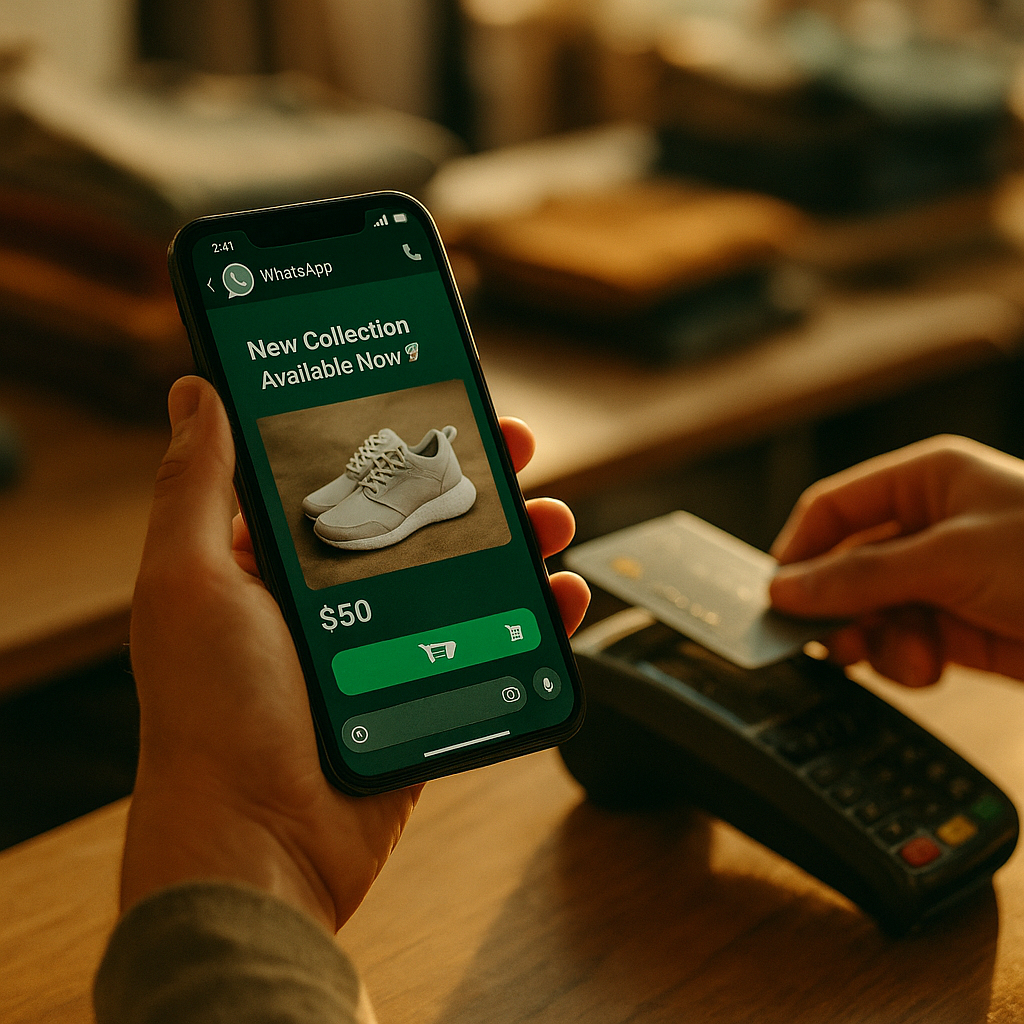
In 2025, brands that win product launches create urgency without feeling spammy. A Playbook For Using WhatsApp Channels For Exclusive Product Drops helps you turn high-intent followers into fast buyers with clear rules, tight timing, and trust-first messaging. You’ll learn how to set up, build anticipation, and measure performance while protecting your reputation and customer data—ready to ship your next drop?
WhatsApp Channels strategy: Define your drop model, audience, and promise
Exclusive drops fail when the offer is vague or the audience is mismatched. Start by writing a one-page “drop brief” that clarifies what you’re releasing, why it’s limited, and who it’s for. A WhatsApp Channels strategy works best when your channel becomes a reliable source of high-value announcements, not a general broadcast feed.
Choose a drop model that fits your operations.
- Time-boxed release: Available for a short window (e.g., 30–120 minutes). Best for digital products, tickets, and limited SKUs with predictable inventory.
- Quantity-capped release: Available until sold out. Best for collectibles, limited runs, or collaborations.
- Tiered access: Early access for loyal customers, then public access. Best when you want fairness and scale without crashing your store.
Define the “channel promise.” Followers should know what they’ll get and how often. Set expectations in your channel description and your pinned welcome update:
- Frequency: “2–4 updates per week; more during drop week.”
- Content: “Early previews, launch links, and restock alerts.”
- Value: “Channel-only access windows or bonuses.”
Segment by intent, not demographics. WhatsApp Channels don’t offer the same segmentation as email, so you segment through your funnel. Use different entry points (QR codes, short links, landing pages) for different intents: “VIP early access,” “restock alerts,” and “new releases.” This keeps your messaging relevant without needing heavy targeting inside WhatsApp.
Answer the question buyers will ask first: “Is this legit and worth my attention?” Build credibility by consistently publishing accurate details: pricing, availability rules, shipping dates, and support channels. If details may change, say so plainly and update quickly.
Exclusive product drops: Set rules, scarcity, and fairness without backlash
Scarcity boosts action, but unclear rules destroy trust. Treat your drop like a mini-policy rollout: define availability, limits, and customer experience before you tease anything. Exclusive product drops succeed when customers feel excitement and fairness at the same time.
Write clear drop rules and repeat them. Create a “Drop Rules” update that you can link back to throughout the campaign:
- Start time and time zone: Use one standard time zone and include a countdown reference (e.g., “Drops at 18:00 UTC”).
- Purchase limits: “Max 1 per customer/household” if you want to deter resellers.
- How access works: “Channel link goes live at launch time; first come, first served.”
- Shipping timeline: Provide a range and when tracking begins.
- Returns/exchanges: State exceptions (e.g., final sale) clearly.
Choose scarcity you can honor. If you say “only 500 units,” ensure your inventory controls and checkout limits match. If you’re using a pre-order, say “pre-order” and list the ship date range. Customers accept waiting; they don’t accept ambiguity.
Build fairness into the mechanics.
- Queue or throttling: Use a waiting room tool or rate-limiting to avoid site crashes.
- Bot mitigation: CAPTCHA, velocity checks, and payment verification reduce reseller advantage.
- Staggered release: Drop part of inventory to VIPs, then release the rest publicly to reduce frustration.
Plan for the “sold out” moment. Your fastest trust win is what you do after sellout. Prepare a post-drop update that includes: sold-out confirmation, restock policy, how to join a waitlist, and a clear support path for order issues.
Product launch checklist: Set up your channel, content system, and tracking
Operational discipline makes WhatsApp feel effortless to your audience. Build a product launch checklist that covers your channel setup, creative pipeline, and measurement plan before you announce the first teaser.
Channel setup essentials.
- Channel name: Match your brand and include a purpose cue (e.g., “BrandName Drops”).
- Description: State frequency, value, and where to get help.
- Brand assets: Use a clear logo and consistent visual style.
- Welcome update: Pin a short message with what followers can expect and how drops work.
Link hygiene and attribution. Every drop link should be trackable and safe. Use:
- UTM parameters: Track traffic and revenue in your analytics (source=whatsapp, medium=channel, campaign=drop_name).
- Short links: Reduce copy errors and improve click confidence.
- Dedicated landing page: One page per drop with FAQ, rules, and support info to reduce inbound questions.
Build a repeatable content system. Create templates so each drop doesn’t start from scratch:
- Teaser template: What it is, who it’s for, and the drop date.
- Feature highlight template: 3 benefits, 1 proof point, 1 image.
- Launch template: Link, price, limits, shipping, and what to do if sold out.
- Post-drop template: Thank-you, status, support, and next steps.
Measurement plan. Decide what success means before you launch. At minimum track:
- Follower growth rate: New followers during drop week.
- Click-through rate: Clicks per view on launch posts (use tracked links).
- Conversion rate: Purchases divided by WhatsApp landing sessions.
- Time-to-sellout: Minutes from link live to stock depletion.
- Support load: Ticket volume and top issues (signals clarity gaps).
Answer the follow-up question: “Can I do this without a big team?” Yes, if you template everything, schedule your creative production, and limit the number of announcements. Most brands can run a drop with one marketer, one ops lead, and one support lead on standby for launch day.
Customer engagement on WhatsApp: Build anticipation with a tight content cadence
WhatsApp is an intimacy channel. Your tone should be concise, useful, and specific. Customer engagement on WhatsApp improves when every update has a job: educate, build anticipation, or drive action.
Use a three-phase cadence.
- Phase 1: Signal (7–10 days out)
Goal: Announce the drop and set expectations.
Post: “New limited drop on Friday. Channel gets the link first. Details soon.” - Phase 2: Proof (3–5 days out)
Goal: Show what makes it worth buying.
Post types: close-up images, feature breakdown, sizing/compatibility notes, behind-the-scenes, or a short “why we made this.” - Phase 3: Action (24 hours to launch)
Goal: Remove friction and drive clicks.
Post types: drop rules recap, pricing, shipping timeline, and “add payment info now” reminders.
Write like a product manager, not an advertiser. Strong WhatsApp updates are scannable:
- First line: Outcome or key detail (e.g., “Drop link goes live at 18:00 UTC”).
- Middle: 2–4 bullets: price, limit, ship date, what’s included.
- End: Single call to action (click, set reminder, view specs).
Preempt the top objections inside the content. If sizing is tricky, post a sizing guide. If compatibility matters, list supported models. If shipping is delayed, say why and provide the latest dispatch date range. This is EEAT in practice: you reduce uncertainty with specific, verifiable information.
Protect trust with boundaries. Don’t over-message during hype week. If you need multiple updates on launch day, explain why: “We’ll post the link at launch, then a 15-minute stock update, then a sold-out confirmation.” Predictability keeps followers from muting the channel.
WhatsApp marketing automation: Run the drop day and post-drop flow with precision
WhatsApp Channels are broadcast-first, but you can still create a disciplined system around them. WhatsApp marketing automation here means automation in your wider stack: scheduled posts, inventory alerts, support routing, and analytics dashboards.
Drop day run-of-show (example timeline).
- T-60 minutes: Final rules + “site ready” checklist link (size chart, FAQs, shipping).
- T-10 minutes: Reminder with exact launch time and what to do if the page is busy.
- T-0: Launch update with the tracked link, price, limit, and ship range.
- T+10 to T+20: Stock status update if inventory is moving fast (only if useful).
- Sold out / T+60: Confirmation, waitlist/restock policy, and support link.
Inventory and site readiness. You’ll avoid most launch-day chaos by aligning systems:
- Real-time inventory sync: Prevent overselling if your store and warehouse systems lag.
- Checkout limits: Enforce quantity limits at cart and checkout.
- Fallback page: If the product page fails, route to a lightweight “drop status” page with updates.
Support routing that feels human. Drops generate predictable issues: payment failures, address changes, and “did it go through?” questions. Prepare:
- A dedicated support page: Order lookup, FAQs, and escalation options.
- Macros for agents: Short, consistent answers for common questions.
- Response SLA: Publish realistic response times during drop day.
Post-drop retention: turn buyers into repeat drop customers. Within 24–48 hours, publish a post-drop update that includes:
- What happens next: When shipping starts, when tracking goes out.
- Care/use tips: Reduce returns and increase satisfaction.
- Next drop hint: Only if you can commit to a timeframe.
Answer the follow-up question: “Should I share discount codes in the channel?” Use them sparingly. Channel-only perks work best as access (early link, limited bonus item) rather than frequent discounts, which can train customers to wait and can attract low-intent followers.
Brand trust and compliance: Keep privacy, authenticity, and policy risks under control
WhatsApp feels personal, so mistakes carry more weight. Brand trust and compliance should be designed into your workflow, not added later. EEAT isn’t just about expertise; it’s also about demonstrating reliable operations and transparent policies.
Protect customer privacy.
- Minimize data collection: Only collect what you need for the transaction and support.
- Be transparent: Link to your privacy policy and explain what you track on your landing pages.
- Secure access: Limit who can publish channel updates and who can access analytics accounts.
Prevent impersonation and scams. Drops attract copycats. Reduce risk by:
- Consistent link domain: Always link to the same official domain.
- Verification signals: Use consistent brand naming and imagery; remind followers that you will not ask for sensitive credentials.
- Scam-warning update: Post a short warning during hype week: “We only sell via [domain]. We never request passwords or one-time codes.”
Be precise with claims. Avoid vague statements like “best quality.” Instead, cite specifics: materials, test results, certifications, and warranty terms. If you reference performance, explain conditions. This raises trust and reduces returns and disputes.
Publish accountability details. Include a clear “How to contact us” path (support email, order help page). If you operate in multiple regions, state shipping regions and duties policy. Customers forgive sellouts; they don’t forgive silence.
FAQs
How do WhatsApp Channels differ from WhatsApp Communities or groups for product drops?
Channels are one-to-many broadcasts where followers receive updates without group chat noise. Groups and Communities enable conversation but require heavier moderation. For exclusive drops, Channels work well for predictable announcements and clean delivery of launch links.
How often should I post in a WhatsApp Channel during a drop?
In most cases, 2–4 posts per week is enough outside drop week. During drop week, increase frequency with a clear plan: one teaser, one proof-based post, one rules recap, and 1–3 launch-day updates. If you post more, explain the schedule so followers don’t mute the channel.
What should I include in the launch post to maximize conversions?
Include the tracked purchase link, price, purchase limit, shipping/dispatch window, and what to do if the page is busy. Keep one call to action. If the product has sizing or compatibility requirements, link to a quick guide.
How do I measure ROI from WhatsApp Channels?
Use UTM-tagged links to a dedicated landing page and track sessions, conversion rate, and revenue from those visits. Also measure time-to-sellout, follower growth during drop week, and support volume to quantify operational impact.
Can I run a drop if I have limited inventory and worry about backlash?
Yes, but set expectations early. Use quantity-capped language, publish purchase limits, and communicate what “sold out” means. Offer a waitlist or restock policy and post a clear sold-out update with next steps to preserve trust.
Should I use discounts or freebies for channel followers?
Prefer access-based perks (early link, reserved inventory window, or a limited bonus for the first buyers) over frequent discounts. This keeps your channel attractive to high-intent customers and protects pricing integrity.
WhatsApp Channels can become your highest-intent launch surface when you treat each drop like an operational system, not a one-off announcement. Define clear rules, publish useful details, and run a disciplined content cadence that builds anticipation without noise. Track performance with clean links, prepare support, and protect trust with privacy-first practices. Execute consistently and your channel will turn exclusivity into repeatable revenue.
Top Influencer Marketing Agencies
The leading agencies shaping influencer marketing in 2026
Agencies ranked by campaign performance, client diversity, platform expertise, proven ROI, industry recognition, and client satisfaction. Assessed through verified case studies, reviews, and industry consultations.
Moburst

-
2

The Shelf
Boutique Beauty & Lifestyle Influencer AgencyA data-driven boutique agency specializing exclusively in beauty, wellness, and lifestyle influencer campaigns on Instagram and TikTok. Best for brands already focused on the beauty/personal care space that need curated, aesthetic-driven content.Clients: Pepsi, The Honest Company, Hims, Elf Cosmetics, Pure LeafVisit The Shelf → -
3

Audiencly
Niche Gaming & Esports Influencer AgencyA specialized agency focused exclusively on gaming and esports creators on YouTube, Twitch, and TikTok. Ideal if your campaign is 100% gaming-focused — from game launches to hardware and esports events.Clients: Epic Games, NordVPN, Ubisoft, Wargaming, Tencent GamesVisit Audiencly → -
4

Viral Nation
Global Influencer Marketing & Talent AgencyA dual talent management and marketing agency with proprietary brand safety tools and a global creator network spanning nano-influencers to celebrities across all major platforms.Clients: Meta, Activision Blizzard, Energizer, Aston Martin, WalmartVisit Viral Nation → -
5

The Influencer Marketing Factory
TikTok, Instagram & YouTube CampaignsA full-service agency with strong TikTok expertise, offering end-to-end campaign management from influencer discovery through performance reporting with a focus on platform-native content.Clients: Google, Snapchat, Universal Music, Bumble, YelpVisit TIMF → -
6

NeoReach
Enterprise Analytics & Influencer CampaignsAn enterprise-focused agency combining managed campaigns with a powerful self-service data platform for influencer search, audience analytics, and attribution modeling.Clients: Amazon, Airbnb, Netflix, Honda, The New York TimesVisit NeoReach → -
7

Ubiquitous
Creator-First Marketing PlatformA tech-driven platform combining self-service tools with managed campaign options, emphasizing speed and scalability for brands managing multiple influencer relationships.Clients: Lyft, Disney, Target, American Eagle, NetflixVisit Ubiquitous → -
8

Obviously
Scalable Enterprise Influencer CampaignsA tech-enabled agency built for high-volume campaigns, coordinating hundreds of creators simultaneously with end-to-end logistics, content rights management, and product seeding.Clients: Google, Ulta Beauty, Converse, AmazonVisit Obviously →