


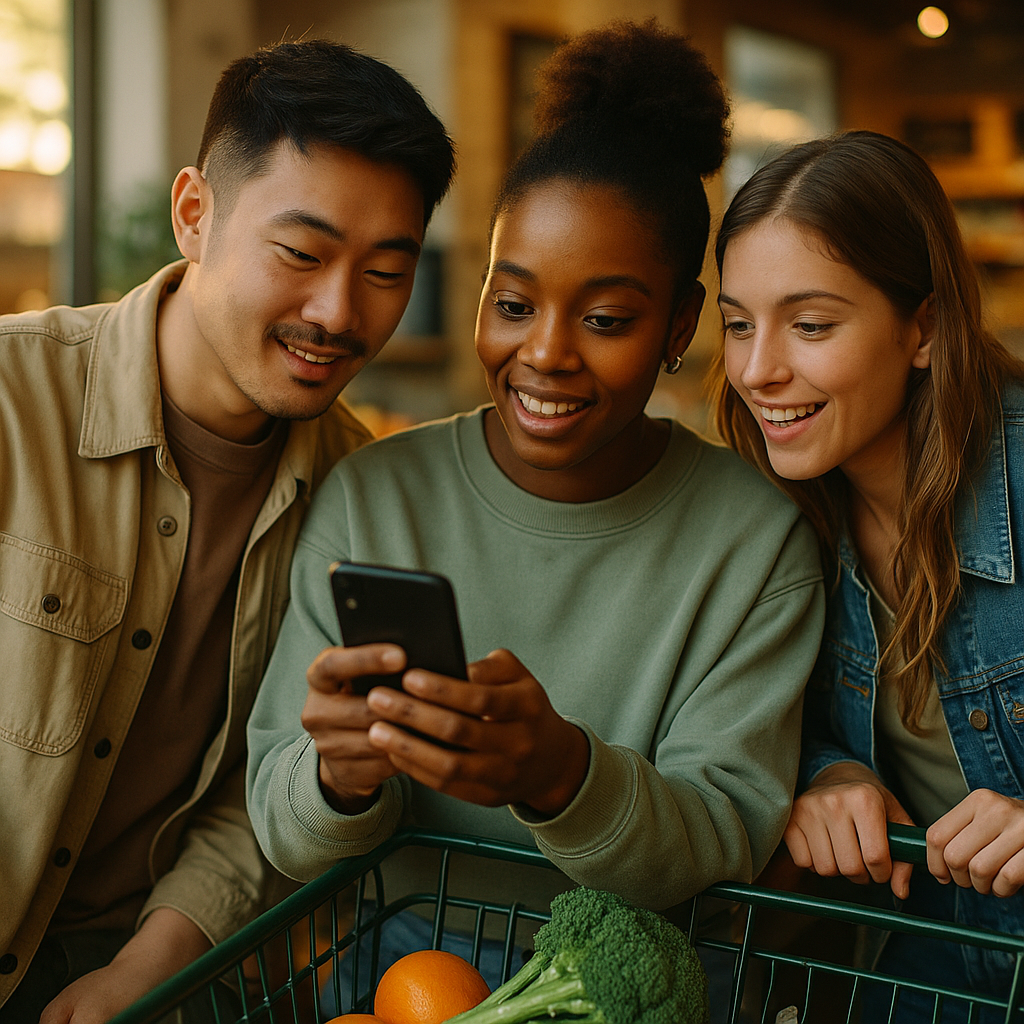
The Neo Collectivism Trend is reshaping how people shop by turning individual purchases into coordinated group decisions. In 2025, consumers increasingly organize with friends, families, coworkers, and online communities to buy together, split costs, and unlock better value. Brands that understand this shift can grow faster, reduce churn, and build trust. But why now, and how do bundled groups actually work?
What Is Neo Collectivism in Consumer Behavior?
Neo collectivism describes a modern, voluntary form of group-oriented decision-making. Unlike traditional collectivism rooted in geography or culture, neo collectivism forms through shared goals: saving money, accessing premium products, reducing waste, or supporting a cause. It shows up in purchases that are planned, coordinated, and often digitally enabled.
In practical terms, it means consumers act less like isolated buyers and more like small buying cooperatives. They might coordinate a bulk order of home essentials, share a subscription plan, or create a “bundle” that mixes items for multiple households. The group becomes the unit of value creation.
This behavior is not limited to bargain hunting. Many group purchases center on reliability and predictability: locking in a consistent supply, standardizing products across a team, or reducing the time spent researching alternatives. People also trust recommendations more when they come from peers who will share the outcome of the purchase.
For marketers and product teams, the key implication is simple: demand increasingly moves through networks. If you only design for a solo buyer, you miss the mechanisms that drive group conversion, group retention, and group advocacy.
Bundled Group Buying: How It Works and Why It’s Growing
Bundled group buying is when two or more people coordinate a purchase to access pricing tiers, shipping efficiencies, perks, or shared access. The bundle can be a fixed package created by a brand or a flexible “build-your-own” bundle assembled by the group.
Several forces make this model more attractive in 2025:
- Price sensitivity with high expectations: Consumers want better value without sacrificing quality, sustainability, or convenience.
- Digital coordination: Group chats, community platforms, and social commerce tools make organizing a shared purchase fast and low-friction.
- Membership logic: People increasingly understand tiers, thresholds, and perks. “Spend X, unlock Y” feels normal.
- Logistics optimization: Consolidated delivery and fewer returns can reduce headaches for the group and the merchant.
Group bundles typically follow one of these operating patterns:
- Threshold bundles: The group reaches a spend minimum to unlock discounts, free shipping, or bonus items.
- Multi-user access bundles: Shared subscriptions or family/team plans that legally cover multiple users.
- Mixed-item bulk bundles: A curated set where each person selects different items, but the order ships together.
- Community drops: Time-limited group offers activated when enough people commit.
If you’re wondering whether this is just “group discounts,” the difference is intention and structure. Neo collectivism turns bundled buying into a repeatable social habit, not a one-off deal.
Social Commerce Communities and Peer Influence in Bundles
Social commerce communities are the engine of neo collectivism. People don’t only discover products through ads; they validate them through peers. Group purchases add accountability: if you recommend a product to a group you care about, you want it to perform.
Peer influence in bundled groups tends to work through four roles:
- The organizer: Initiates the bundle, sets timelines, shares links, and collects preferences.
- The researcher: Compares options, checks reviews, looks for product safety, and evaluates alternatives.
- The skeptic: Challenges assumptions, asks about hidden fees, return rules, and ongoing costs.
- The loyalist: Already trusts a brand and helps the group decide faster.
Brands can support these roles without manipulating them. Helpful content wins: clear product pages, transparent pricing, and easy-to-share comparisons. If a group has to piece together key information, they often delay or abandon the purchase.
Consumers also expect brands to behave responsibly in group contexts. For example, if a bundle encourages overbuying or creates waste, communities call it out. Neo collectivism rewards merchants that align value with practicality: right-sized packaging, flexible quantities, and honest recommendations.
To anticipate a common follow-up: yes, influencer-led group buys exist, but community-led coordination is often stronger because trust is distributed across peers, not concentrated in a single personality.
Pricing Psychology and Group Discounts That Convert
Pricing psychology changes when buyers act as a group. The perceived value of a bundle is shaped by fairness, transparency, and how evenly benefits are distributed across members. A discount that looks good on paper can fail if one person feels they’re subsidizing others.
High-performing group bundle pricing usually includes:
- Clear per-person value: Show how the total breaks down by member or by item. Avoid “mystery savings.”
- Transparent thresholds: If the group must hit a spend level, show progress in real time.
- Flexible composition: Let people mix sizes, flavors, colors, or variants so no one feels stuck with leftovers.
- Fair shipping logic: Explain whether shipping is free, reduced, or shared, and what happens if one member drops out.
Common friction points and how to remove them:
- Payment coordination: Offer split payments or individual checkout within a single group order. If that’s not possible, provide a simple payback flow and downloadable receipts.
- Returns and refunds: Define who can initiate returns and how refunds are allocated when multiple people paid.
- Inventory risk: If items can sell out mid-group-build, reserve stock for a short window once members commit.
One reason bundles convert well is that they reduce decision fatigue. A curated “group essentials” kit can outperform a long product list because it gives the group a shared default. The best bundles leave room for personalization while keeping the overall decision simple.
Ethically, pricing must avoid traps. In 2025, consumers expect brands to be explicit about recurring costs, renewal dates, and whether a group plan allows account sharing. If the bundle model depends on confusion, it will not last.
Subscription Bundles, Shared Memberships, and Retention Effects
Subscription bundles fit neo collectivism because they turn a one-time coordination effort into ongoing savings and convenience. When a group shares a plan, the switching cost rises: leaving a subscription affects others, not just the individual.
That can improve retention, but only if the offer remains fair and functional. Group subscriptions that succeed typically provide:
- Role-based controls: Admin permissions for billing and member management, plus privacy protections for individual usage.
- Simple member changes: Add, remove, or replace members without calling support.
- Usage visibility: Clear dashboards that reduce disputes and show the plan’s value.
For physical goods, recurring group bundles can reduce waste when they’re paced correctly. A “household circle” ordering cadence (for example, every 4–8 weeks) helps groups align on consumption instead of accumulating surplus. Brands can support this with reorder reminders that are adjustable by the group, not pushy by default.
A likely reader question is whether group subscriptions increase customer support load. They can, unless you design for them. The most common support tickets involve billing confusion, member access, and cancellation rules. Proactive UX and policy clarity reduce those tickets significantly.
Done well, group subscriptions create a stable base of predictable demand while giving consumers a sense of shared ownership. That’s the neo collectivism advantage: retention driven by real utility, not gimmicks.
How Brands Can Build Trust and Compliance in Group Purchasing
Trust and compliance are non-negotiable in group buying. When multiple people are involved, a single bad experience spreads quickly through the network that created the order. To align with Google’s EEAT expectations in 2025, brands should show expertise, experience, authoritativeness, and trustworthiness through concrete practices, not slogans.
Practical EEAT-aligned steps for bundled group commerce:
- Document your bundle logic: Explain what’s included, what’s excluded, and how pricing is calculated.
- Publish clear policies: Returns, partial refunds, substitutions, and delivery timelines must be easy to find and written in plain language.
- Use verified social proof: Highlight reviews from purchasers who actually bought bundles or group plans, and separate them from single-item reviews.
- Show product integrity: Provide sourcing details, safety information where relevant, and quality guarantees that apply to bundled orders.
- Respect privacy: In group checkouts, avoid exposing personal data across members. Make consent explicit for invitations and notifications.
Operationally, brands should design for the group lifecycle:
- Before purchase: Shareable bundle pages, comparison tools, and an easy way to invite others.
- During purchase: Real-time contribution tracking, inventory reservation, and clear delivery estimates.
- After purchase: Group-friendly order tracking, simple issue reporting, and fair resolutions.
For regulated categories (such as health-related products, supplements, or financial services), compliance becomes even more important. Avoid implying medical outcomes, ensure claims are substantiated, and provide appropriate disclosures. Group buying amplifies both trust and scrutiny.
The most important strategic point: neo collectivism is not only a marketing channel. It’s a product requirement. If you build bundles that help real groups solve real problems, communities will do your distribution for you.
FAQs About Neo Collectivism and Bundled Group Buying
What types of products work best for bundled group buying?
Products that are frequently replenished, easy to split, or naturally shared perform well: household essentials, pantry items, personal care, pet supplies, and team tools. Bundled group buying also works for premium items when the bundle adds convenience (setup, support, warranties) rather than just discounts.
How do brands prevent fraud or abuse in group discounts?
Use clear eligibility rules, limit stacking of promotions, require verified payments, and monitor unusual order patterns. Keep controls lightweight so legitimate groups don’t feel punished. For subscriptions, enforce member limits and provide transparent account-sharing terms.
Should a brand offer fixed bundles or build-your-own bundles?
Offer both when possible. Fixed bundles convert faster because they reduce choices. Build-your-own bundles increase satisfaction because groups can match preferences and avoid waste. A strong approach is a curated default bundle with optional swaps.
How can small businesses compete with big retailers in group purchasing?
Win on clarity, service, and specialization. Create bundles around specific community needs, offer reliable fulfillment, and provide knowledgeable guidance. Smaller brands can also partner with local groups, clubs, or workplaces to create recurring bundles with predictable demand.
Do group bundles reduce returns or increase them?
They often reduce returns when bundles are clearly described, well-sized, and flexible. Returns increase when groups feel forced into quantities or variants they don’t want. Transparency and customization are the most effective return-reduction levers.
What’s the biggest mistake brands make with group buying?
Designing the offer around discounts alone. Groups need coordination tools, fair policies, and trust signals. If the logistics, payments, and returns aren’t group-friendly, the “deal” becomes work and the community moves on.
Neo collectivism turns shopping into a coordinated, community-driven activity where the group—not the individual—often drives conversion. Bundled group buying grows in 2025 because it combines value, convenience, and social trust. Brands that design for group coordination, transparent pricing, and fair policies earn repeat purchases and referrals. The takeaway: build bundles that make real groups’ lives easier, and growth follows.
Top Influencer Marketing Agencies
The leading agencies shaping influencer marketing in 2026
Agencies ranked by campaign performance, client diversity, platform expertise, proven ROI, industry recognition, and client satisfaction. Assessed through verified case studies, reviews, and industry consultations.
Moburst

-
2

The Shelf
Boutique Beauty & Lifestyle Influencer AgencyA data-driven boutique agency specializing exclusively in beauty, wellness, and lifestyle influencer campaigns on Instagram and TikTok. Best for brands already focused on the beauty/personal care space that need curated, aesthetic-driven content.Clients: Pepsi, The Honest Company, Hims, Elf Cosmetics, Pure LeafVisit The Shelf → -
3

Audiencly
Niche Gaming & Esports Influencer AgencyA specialized agency focused exclusively on gaming and esports creators on YouTube, Twitch, and TikTok. Ideal if your campaign is 100% gaming-focused — from game launches to hardware and esports events.Clients: Epic Games, NordVPN, Ubisoft, Wargaming, Tencent GamesVisit Audiencly → -
4

Viral Nation
Global Influencer Marketing & Talent AgencyA dual talent management and marketing agency with proprietary brand safety tools and a global creator network spanning nano-influencers to celebrities across all major platforms.Clients: Meta, Activision Blizzard, Energizer, Aston Martin, WalmartVisit Viral Nation → -
5

The Influencer Marketing Factory
TikTok, Instagram & YouTube CampaignsA full-service agency with strong TikTok expertise, offering end-to-end campaign management from influencer discovery through performance reporting with a focus on platform-native content.Clients: Google, Snapchat, Universal Music, Bumble, YelpVisit TIMF → -
6

NeoReach
Enterprise Analytics & Influencer CampaignsAn enterprise-focused agency combining managed campaigns with a powerful self-service data platform for influencer search, audience analytics, and attribution modeling.Clients: Amazon, Airbnb, Netflix, Honda, The New York TimesVisit NeoReach → -
7

Ubiquitous
Creator-First Marketing PlatformA tech-driven platform combining self-service tools with managed campaign options, emphasizing speed and scalability for brands managing multiple influencer relationships.Clients: Lyft, Disney, Target, American Eagle, NetflixVisit Ubiquitous → -
8

Obviously
Scalable Enterprise Influencer CampaignsA tech-enabled agency built for high-volume campaigns, coordinating hundreds of creators simultaneously with end-to-end logistics, content rights management, and product seeding.Clients: Google, Ulta Beauty, Converse, AmazonVisit Obviously →