


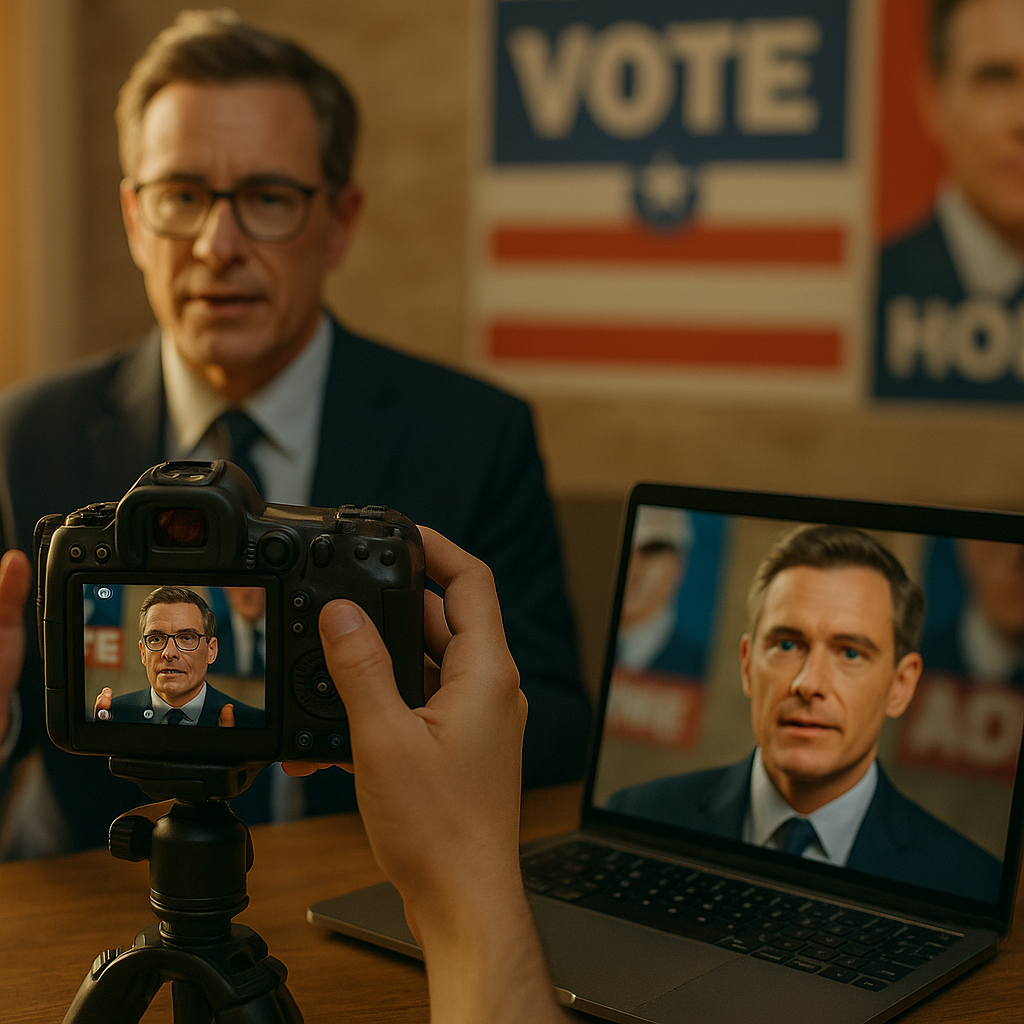
Compliance Rules for Deepfake Disclosure in Advocacy Ads has become a frontline issue for campaigners, nonprofits, agencies, and platforms as synthetic media grows more convincing and more regulated. In 2025, disclosure isn’t just a best practice; it can determine whether an ad runs, gets removed, or triggers investigations. This guide explains what to disclose, where, and how to prove compliance before problems start.
Disclosure requirements for synthetic media: what “deepfake” means in advocacy
Advocacy advertising sits in a high-scrutiny category because it can influence public opinion on elections, legislation, public health, and social issues. Regulators and platforms often treat deception risk as higher here than in standard commercial advertising. “Deepfakes” typically refer to AI-generated or AI-altered audio, video, or images that realistically depict a person saying or doing something they did not say or do.
For compliance, the practical question is not whether your creative uses a specific model, but whether the media is materially deceptive or likely to mislead a reasonable viewer. Many disclosure rules trigger when synthetic content:
- Impersonates a real person (a candidate, official, journalist, or celebrity) or fabricates their speech.
- Alters real footage so it conveys a false event, statement, endorsement, or context.
- Uses voice cloning to simulate a recognizable speaker.
- Depicts realistic scenes presented as real when they are generated.
Common edge cases matter in advocacy: color correction or cropping is usually not the issue; the issue is semantic manipulation—changing meaning. If the effect could reasonably affect a viewer’s interpretation of who said what, what happened, or what is endorsed, treat it as disclosure-triggering.
To avoid last-minute takedowns, teams should define “synthetic or digitally altered” internally in a way that matches the strictest rule you face across jurisdictions and platforms. That approach reduces the chance that one strict venue becomes the bottleneck for the entire campaign.
Political ad transparency laws 2025: how rules differ by jurisdiction and venue
In 2025, deepfake disclosure obligations come from three overlapping sources: (1) election and advertising laws, (2) consumer protection and unfair/deceptive practices rules, and (3) platform policies for political or issue ads. You must comply with the strictest combination that applies to your ad’s audience, placement, and subject.
Jurisdictional coverage varies. Some rules apply only to electioneering communications; others apply broadly to public issue advocacy. Some cover only candidate depictions; others cover any person’s likeness or voice. Because advocacy ads can cross borders instantly, geo-targeting does not always eliminate risk—sharing, reposting, and earned media can re-distribute content beyond the intended region.
Platform standards can be stricter than law. Major ad platforms and broadcast/streaming outlets may require disclosures even when the law is silent. They can also require identity verification, authorization, and an ad archive entry. If you fail platform review, your legal compliance does not guarantee distribution.
Timing and placement matter. Many rules focus on proximity to elections or specific voting windows; others apply year-round. Advocacy on legislative issues may face different triggers than candidate-focused ads, but deepfake impersonation is increasingly regulated regardless of the issue.
Practical compliance strategy: Build a matrix that lists each targeted geography and each distribution channel (CTV, radio, social, programmatic, print). For each, record: disclosure trigger, required wording elements, required format (on-screen, spoken, metadata), duration, font size or readability, and recordkeeping. When the same creative runs in multiple venues, produce “highest common denominator” versions (for example: a longer on-screen disclosure plus a clear spoken disclosure in the audio track).
AI-generated content labeling standards: what the disclosure must say and where it must appear
Disclosures fail most often because they are technically present but not clear and conspicuous. Reviewers and regulators look for whether an ordinary person can notice, read/hear, and understand the disclosure without effort. In advocacy, the safest approach is to treat the disclosure as part of the message rather than a footnote.
Core content to include. While exact phrasing differs, effective disclosures typically answer:
- What: the content is AI-generated, synthetic, or digitally altered.
- Whom: whose image/voice is altered or synthetically portrayed (if a recognizable person is depicted).
- Scope: whether the entire ad or specific segments are synthetic.
Examples of plain-language disclosure text that tends to pass review:
- “This video contains AI-generated imagery.”
- “Audio has been digitally altered.”
- “Portions of this ad are synthetic media.”
Placement and format rules of thumb.
- Video: Put on-screen text over the synthetic segment (not only at the end). Keep it large enough for mobile viewing, high-contrast, and on-screen long enough to read comfortably. If the manipulation is central to the ad’s claim, add a spoken disclosure as well.
- Audio/radio/podcasts: Use a spoken disclosure near the beginning and again near the synthetic segment if it appears later. Avoid fast legalese; use short sentences.
- Static images: Place a label adjacent to the image, not only in small print, and avoid burying it below the fold.
- Social and programmatic: Ensure the disclosure survives common crops, previews, and auto-generated thumbnails. If a platform supports a synthetic-media label field, use it in addition to creative text.
Language accessibility. If you target multilingual audiences, provide the disclosure in the primary language(s) of the placement. Disclosures that the audience cannot understand are unlikely to be considered meaningful.
Do not rely on “parody” vibes. Even if the ad is meant to be satirical, a realistic depiction of a real person can still mislead. If you want to use parody as a defense, make the parody unmistakable and still label synthetic elements. Ambiguity is your enemy in compliance review.
Election ad disclaimers for deepfakes: creative workflows to reduce legal and platform risk
Strong compliance is operational, not just legal. The best teams treat deepfake disclosure as a production requirement, with sign-offs, evidence, and version control. This is especially important in advocacy where timelines are tight and creatives are frequently iterated.
Build a “synthetic media intake” step. Before editing begins, require creators and vendors to answer:
- Are any real persons depicted or impersonated (face, body, voice)?
- Is any source footage being altered to change meaning?
- Will AI tools generate any portion of visuals, voice, or translation/dubbing?
- What is the intended claim, and could synthetic elements affect how it is understood?
Use a disclosure-by-design checklist during production.
- Storyboard where the disclosure appears in each cutdown length (6s, 15s, 30s, 60s).
- Confirm readability on mobile: large text, sufficient contrast, and safe margins.
- Confirm audio clarity: spoken disclosure not masked by music, not rushed.
- Confirm the disclosure remains visible in platform UI overlays and captions.
Secure rights and permissions. Disclosure does not substitute for consent. If you use a person’s likeness or voice, you may face right-of-publicity, defamation, or impersonation claims even with a label. Advocacy teams should route celebrity/candidate depictions through counsel and, when feasible, avoid realistic impersonations entirely.
Plan for review outcomes. Platforms may ask for substantiation, edits, or additional labeling. Keep alternate versions ready:
- A “max disclosure” version with both on-screen and spoken labeling.
- A version that removes the impersonation while preserving the message (for example, using actors or stylized animation).
- A version that replaces synthetic audio with narration and transcript citations.
Answer the question reviewers always ask: Would a reasonable viewer believe this is real? If the answer is “maybe,” treat it as a “yes” and disclose more aggressively.
Ad platform policies on manipulated media: documentation, audits, and enforcement readiness
In 2025, compliance is increasingly about proving what you did. Platforms and regulators can request evidence quickly, especially during high-visibility advocacy pushes. Being able to respond within hours can prevent downtime.
Keep a defensible record. Maintain an internal file for each ad and each variant that includes:
- Final exports and all cutdowns, with version numbers and dates.
- A disclosure log describing where and how labeling appears (timecodes for video; script markers for audio).
- Source materials: original footage, audio, licenses, and releases.
- Toolchain notes: which AI tools were used, what was generated or modified, and what prompts or settings materially shaped outputs (store prompts where feasible and safe).
- Review approvals: legal, compliance, and brand sign-offs.
Prepare for ad archive scrutiny. Political and issue ads may be stored in platform transparency libraries. Assume journalists, watchdog groups, and opponents will review your disclosures. If your label is hard to notice, it will be screenshotted and criticized even if it squeaks through automated checks.
Enforcement can be fast and cumulative. A single takedown can lead to:
- Account-level restrictions, verification re-checks, or temporary suspensions.
- Refund issues or delays that disrupt spend pacing.
- Public trust damage and earned media blowback.
Risk management tip: Run a preflight review on the same devices your audience uses. A disclosure that looks fine on a desktop edit suite can become unreadable on a phone in bright light.
When challenged, respond with specificity. Provide timecodes, screenshots, and the exact disclosure language. Vague statements like “we complied” often prolong disputes. If you made a mistake, remove the ad, correct it, and document the remediation steps.
Consumer protection and misinformation rules: avoiding deceptive advocacy beyond disclosures
Deepfake disclosure is not a permission slip to mislead. Even with labels, an advocacy ad can violate broader rules against deception, defamation, voter suppression, or fraudulent solicitation. In practice, regulators and platforms evaluate the entire net impression of the ad, not just the presence of a disclaimer.
Focus on material claims. Ask whether the ad makes factual assertions that viewers could rely on, such as quotes, endorsements, event depictions, or voting-related instructions. If synthetic media helps convey those claims, you may need more than a label: you may need substantiation, citations, or a creative rewrite.
Avoid “truthy” composites. A common failure mode is combining real footage with synthetic additions that change meaning, then arguing the ad is “mostly real.” If the synthetic portion drives the persuasion, disclose it prominently and consider removing it.
Don’t create confusion about voting processes. If your advocacy touches elections, be extra careful with dates, eligibility, polling locations, and mail/early voting procedures. Platforms often enforce strict misinformation rules here regardless of whether deepfake labeling exists.
Use ethical design as a compliance advantage. Advocacy organizations that adopt clear labeling, avoid impersonation, and publish sourcing for major factual claims tend to face fewer complaints and quicker platform approvals. This is EEAT in action: demonstrate expertise with careful definitions, authoritativeness with consistent policies, and trustworthiness with transparent disclosures and records.
Internal escalation triggers. Route any ad to senior review if it includes:
- A realistic depiction of a candidate or public official generated or altered by AI.
- Voice cloning or synthetic translation that could be attributed to a real person.
- Footage of events that did not occur, presented as real.
- Calls to action tied to voting behavior or official procedures.
FAQs: Compliance rules for deepfake disclosure in advocacy ads
Do I need a deepfake disclosure if I use AI only for background visuals?
If the background is clearly decorative and does not change the meaning of the ad, some venues may not require disclosure. In 2025, many platforms still prefer labeling when AI-generated visuals could be mistaken for real footage. If the background depicts real-world events, crowds, or locations in a way that supports a claim, disclose.
Is a disclosure enough if the ad impersonates a public figure?
Often no. Disclosure may be required, but impersonation can still violate platform rules, right-of-publicity laws, defamation standards, or election integrity policies. The safest route is to avoid realistic impersonation and use alternatives like actors, stylized animation, or direct quotations with citations.
Where should the disclosure appear in a 15-second video?
Place on-screen text during the synthetic segment, not only at the end. If the synthetic element is central, add a spoken disclosure early. Ensure it’s readable on mobile and not obscured by UI elements or captions.
What wording is best for a synthetic media label?
Use simple, direct language: “This video contains AI-generated imagery” or “Audio has been digitally altered.” Avoid jargon and avoid implying the content is real. If only a portion is synthetic, say “Portions of this ad are synthetic media.”
Do I need to keep records of how the ad was made?
Yes. In 2025, platforms and regulators may request proof of what was generated or altered, along with copies of the final creatives and disclosures. Maintain versioned files, timecoded disclosure notes, source licenses, and internal approvals.
How do I handle influencer or partner posts that share the ad?
Provide partners with the compliant version and require them to post it without cropping or editing that removes disclosures. Add contractual terms that prohibit removal of labels and require quick takedown cooperation if a platform flags the post.
What if my ad is satire?
Satire does not automatically exempt you. If a realistic depiction could mislead, disclose synthetic elements clearly and make the satirical framing unmistakable. When in doubt, choose a stylized creative approach that cannot be confused for real footage.
In 2025, deepfake disclosure compliance in advocacy ads depends on clear labeling, careful creative choices, and proof-ready documentation. Treat synthetic media as a regulated feature: define it, label it where viewers will notice, and keep records that explain how the content was made. The safest takeaway is simple: if AI changes what an audience might believe is real, disclose it prominently and early.
Top Influencer Marketing Agencies
The leading agencies shaping influencer marketing in 2026
Agencies ranked by campaign performance, client diversity, platform expertise, proven ROI, industry recognition, and client satisfaction. Assessed through verified case studies, reviews, and industry consultations.
Moburst

-
2

The Shelf
Boutique Beauty & Lifestyle Influencer AgencyA data-driven boutique agency specializing exclusively in beauty, wellness, and lifestyle influencer campaigns on Instagram and TikTok. Best for brands already focused on the beauty/personal care space that need curated, aesthetic-driven content.Clients: Pepsi, The Honest Company, Hims, Elf Cosmetics, Pure LeafVisit The Shelf → -
3

Audiencly
Niche Gaming & Esports Influencer AgencyA specialized agency focused exclusively on gaming and esports creators on YouTube, Twitch, and TikTok. Ideal if your campaign is 100% gaming-focused — from game launches to hardware and esports events.Clients: Epic Games, NordVPN, Ubisoft, Wargaming, Tencent GamesVisit Audiencly → -
4

Viral Nation
Global Influencer Marketing & Talent AgencyA dual talent management and marketing agency with proprietary brand safety tools and a global creator network spanning nano-influencers to celebrities across all major platforms.Clients: Meta, Activision Blizzard, Energizer, Aston Martin, WalmartVisit Viral Nation → -
5

The Influencer Marketing Factory
TikTok, Instagram & YouTube CampaignsA full-service agency with strong TikTok expertise, offering end-to-end campaign management from influencer discovery through performance reporting with a focus on platform-native content.Clients: Google, Snapchat, Universal Music, Bumble, YelpVisit TIMF → -
6

NeoReach
Enterprise Analytics & Influencer CampaignsAn enterprise-focused agency combining managed campaigns with a powerful self-service data platform for influencer search, audience analytics, and attribution modeling.Clients: Amazon, Airbnb, Netflix, Honda, The New York TimesVisit NeoReach → -
7

Ubiquitous
Creator-First Marketing PlatformA tech-driven platform combining self-service tools with managed campaign options, emphasizing speed and scalability for brands managing multiple influencer relationships.Clients: Lyft, Disney, Target, American Eagle, NetflixVisit Ubiquitous → -
8

Obviously
Scalable Enterprise Influencer CampaignsA tech-enabled agency built for high-volume campaigns, coordinating hundreds of creators simultaneously with end-to-end logistics, content rights management, and product seeding.Clients: Google, Ulta Beauty, Converse, AmazonVisit Obviously →