


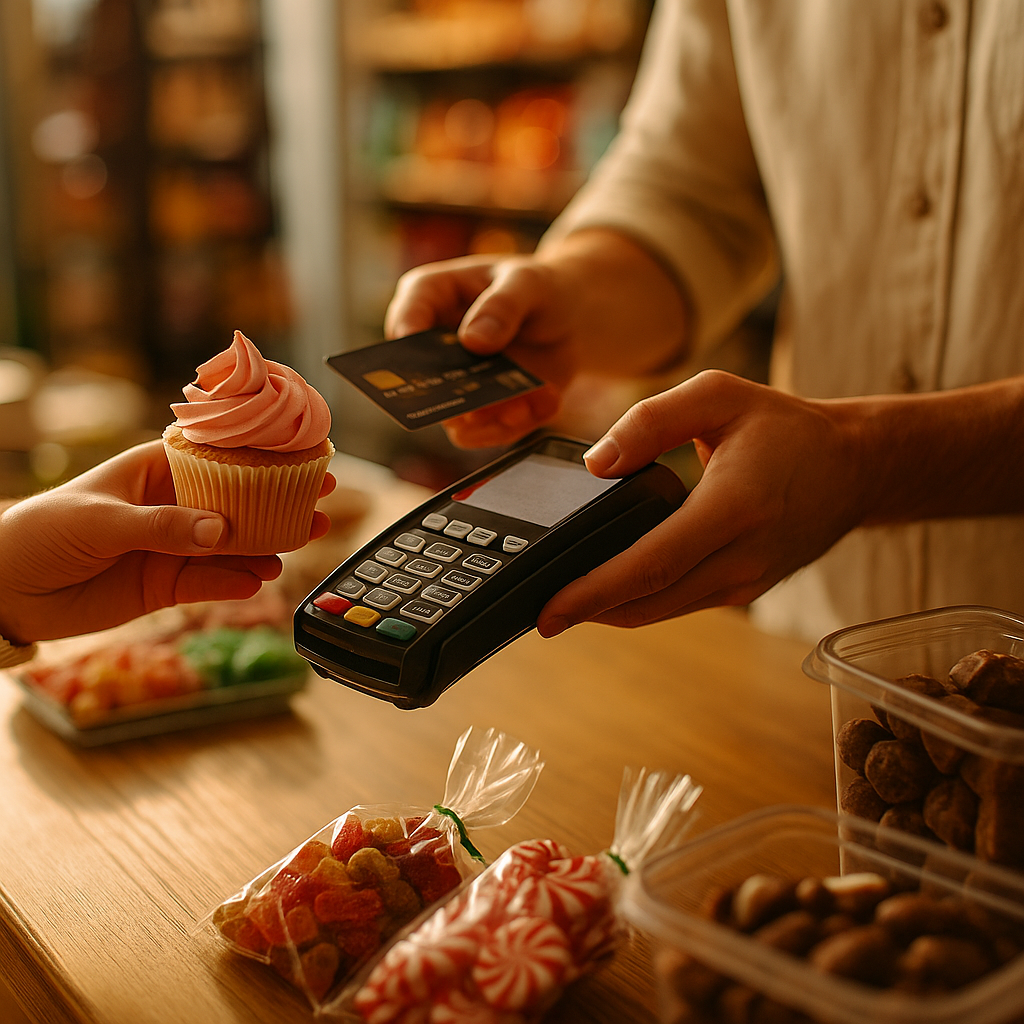
In 2025, shoppers keep buying small joys even when they cut back elsewhere. This is the psychology behind treatonomics: the way low-cost indulgences feel rational, restorative, and easy to justify. Brands that understand micro indulgences can increase purchase frequency, basket add-ons, and loyalty without heavy discounting. But what exactly makes tiny treats so powerful—and why do they reliably drive volume?
The Treatonomics Trend: why “little luxuries” keep winning
Treatonomics describes a consumer pattern: people selectively reduce big-ticket spending while preserving (or increasing) spend on small, emotionally rewarding purchases. Think a premium coffee, an upgraded snack, a mini beauty product, or a limited-edition candy. These buys are rarely “needs,” yet they often feel more defensible than larger indulgences.
In 2025, the trend persists because it fits modern pressure points: high mental load, persistent price sensitivity, and constant decision fatigue. Micro indulgences offer a fast payoff without long-term commitment. They also feel less risky, which matters when households stay cautious about bigger financial moves.
For brands and retailers, treatonomics isn’t just a cultural label—it’s a volume engine. Small treats increase trip frequency and encourage add-on behavior at checkout, in-app, and at the shelf. They also create repeatable rituals (“my afternoon pick-me-up”), which is where durable demand comes from.
Follow-up you might be asking: Is treatonomics only about low incomes? No. Higher-income shoppers also use micro treats as a “controlled indulgence,” especially when they want to feel prudent without feeling deprived.
Micro indulgences psychology: the brain’s shortcut to comfort and control
Micro indulgences work because they align with how the brain evaluates rewards under stress. When people feel stretched—financially, mentally, or socially—they prioritize choices that deliver immediate, certain benefits. Small treats are designed for that: quick consumption, predictable satisfaction, and minimal downside.
Several psychological mechanisms reinforce the pattern:
- Immediate reward bias: People overweight near-term pleasure versus long-term outcomes. A small treat today feels “worth it” because the enjoyment is instant and tangible.
- Stress relief conditioning: If a treat consistently improves mood, the brain learns the association. The product becomes a reliable tool for emotional regulation.
- Decision fatigue reduction: Under cognitive strain, consumers prefer easy choices. Familiar treats reduce deliberation and lower the mental cost of shopping.
- Sense of control: A small indulgence can feel like autonomy—“I may be cutting back, but I still choose this.” That feeling is powerful and repeatable.
Micro indulgences also avoid a common psychological trap: regret. Because the cost is small, the emotional penalty for “overspending” stays low, which increases the likelihood of repetition.
Practical implication: Products that deliver consistent sensory payoff (taste, texture, scent) and predictable outcomes (energy, relaxation, refreshment) become habitual faster than products that require learning or carry performance uncertainty.
Affordable luxury effect: guilt-free justification and “mental accounting”
The “affordable luxury effect” explains why shoppers treat small upgrades as rational—even when budgets tighten. Consumers don’t manage money as one unified pool; they use mental accounting, assigning spend into categories like “groceries,” “self-care,” “treats,” or “rewards.”
Micro indulgences thrive because they sit in a category that consumers can defend. The inner narrative often sounds like:
- “It’s only a few dollars more.”
- “I didn’t buy the bigger thing, so I earned this.”
- “This replaces a more expensive habit.”
That justification matters because guilt kills frequency. When a treat feels like a minor, reasonable upgrade—rather than a splurge—repeat purchase becomes psychologically frictionless.
Brands can support this justification ethically by:
- Making value explicit: Clear sizing, transparent pricing, and honest benefits reduce buyer’s remorse.
- Offering “step-up” tiers: A core option plus a small premium option lets shoppers self-select an affordable upgrade.
- Reducing perceived waste: Single-serve, resealable, or travel formats can feel more responsible than oversized packs.
Follow-up question: Does premium pricing help or hurt? It depends. A modest premium can increase perceived reward and make the treat feel “special.” But if the premium triggers guilt or budget anxiety, frequency drops. The goal is a price point that feels like a controlled choice, not a compromise.
Impulse purchase drivers: visibility, frictionless access, and the power of “now”
Micro indulgences drive volume because they fit the environment where many buying decisions actually happen: fast, contextual, and low-consideration. Even planned shoppers make room for unplanned additions when the offer is easy to understand and easy to grab.
Key impulse purchase drivers that amplify micro indulgences:
- Proximity to decision points: Checkout displays, endcaps, and app “add-on” prompts work because they intersect with a moment of commitment.
- High sensory salience: Color, packaging shape, and descriptive cues (“crunchy,” “velvety,” “iced”) create vivid expectation quickly.
- Low friction: Single-tap add-ons, subscriptions that allow skip/pause, and grab-and-go formats remove barriers.
- Immediate consumption: Products meant to be enjoyed right away outperform “someday” items for impulse volume.
Retail and digital teams often focus on discounting to increase impulse. But micro indulgences frequently respond better to clarity than to markdowns: what it is, what it feels like, and why it fits right now.
What to do if you’re a brand leader: Audit your purchase journey. Where does the customer’s motivation peak—commute, lunch break, post-work, late-night scrolling? Place micro indulgences at those moments with minimal steps to purchase and minimal cognitive load.
Customer loyalty through treats: habit loops, identity, and repeatable rituals
Volume isn’t just about one extra item per trip. The bigger prize is repeat purchasing driven by habit. Micro indulgences lend themselves to habit formation because they can be anchored to a cue (time, place, mood) and reinforced by a consistent reward.
A simple habit loop looks like this:
- Cue: 3 p.m. slump, post-gym, end of a meeting, bedtime unwind.
- Routine: Buy or consume the treat.
- Reward: Mood lift, sensory satisfaction, social moment, feeling “reset.”
Over time, the treat becomes part of identity: “I’m a matcha person,” “I’m a dark-chocolate-only person,” “I always try the seasonal flavor.” Identity-based loyalty is resilient because it’s not purely price-driven. It also fuels social sharing, especially for limited releases, collaborations, and visually distinctive packaging.
To build loyalty without gimmicks, focus on:
- Consistency: The reward must be reliable. If quality varies, the habit breaks.
- Personalization with restraint: Offer a few meaningful choices (sweetness level, flavor family) rather than overwhelming variety.
- Ritual support: Pairings, serving suggestions, and “best time to enjoy” guidance help consumers integrate the product into daily life.
- Trust signals: Clear ingredients, allergen info, and accurate claims reduce uncertainty and increase repeat purchase confidence.
EEAT note: Loyalty grows fastest when customers trust what you say and experience what you promise. Avoid inflated wellness claims. Use precise language, cite sources on performance claims, and separate “feels like” benefits from medically relevant statements.
Volume growth strategy: ethical product design, pricing ladders, and smart merchandising
If micro indulgences are the behavior, treatonomics is the context. A practical volume strategy combines consumer psychology with operational discipline—without manipulating vulnerable customers.
Here’s a repeatable approach:
- Design for “small win” satisfaction: Deliver a clear sensory or functional payoff in the first bite, sip, or use. If the payoff is delayed, the product won’t become a frequent treat.
- Create a pricing ladder: Offer an entry SKU, a small premium step-up, and a “share/stock” option. This captures different budgets without forcing trade-offs.
- Use limited editions strategically: Limited runs should reinforce brand credibility and excitement, not create constant scarcity pressure. A predictable seasonal cadence builds anticipation and planning.
- Protect trust with transparency: Clear labeling, honest portion guidance, and straightforward nutrition/ingredients reduce regret and improve repurchase.
- Merchandise for moments: Bundle treats with complementary items (coffee + biscotti, skincare mini + cleanser) at high-intent touchpoints.
Volume also depends on measurement. Track frequency, attachment rate (add-on per transaction), and repeat intervals rather than only average order value. Micro indulgences often win through more occasions, not bigger baskets.
Follow-up question: How do you keep micro indulgences from cannibalizing core products? Position them as occasion-specific (on-the-go, trial, midday reset) and use them to recruit new users into the brand rather than simply downsizing existing buyers.
In 2025, treatonomics shows how people protect joy when they feel pressure: they choose small, repeatable rewards that seem sensible and satisfying. Micro indulgences drive volume because they reduce risk, lower guilt, and fit impulse moments while building habits over time. The takeaway is clear: design for reliable payoff, transparent value, and purchase ease—then earn loyalty through consistency and trust.
FAQs
-
What is treatonomics in consumer behavior?
Treatonomics is the pattern where consumers cut back on larger discretionary purchases but continue buying small, affordable indulgences that provide emotional reward and a sense of control.
-
Why do micro indulgences increase sales volume more than big splurges?
They’re cheaper, lower-risk, and easier to justify, so people buy them more often. Higher frequency and add-on behavior typically produce more total units sold over time than occasional high-priced splurges.
-
Are micro indulgences the same as impulse buys?
They overlap, but they aren’t identical. Many micro indulgences become planned rituals (daily coffee upgrade), while impulse buys are unplanned. The strongest brands win both: ritual frequency and impulse attachment.
-
How can brands use treatonomics without relying on discounts?
Focus on a clear “small win” payoff, transparent value, strong placement at decision points, and a pricing ladder that offers an easy step-up. Discounts can help trial, but consistency and trust sustain repeat purchase.
-
What categories benefit most from micro indulgences?
Food and beverage, confectionery, beauty minis, fragrance, functional drinks, and small-format wellness or self-care products tend to perform well because the reward is immediate and easy to repeat.
-
What metrics should retailers track to measure treatonomics performance?
Track purchase frequency, repeat interval, attachment rate, trial-to-repeat conversion, and unit velocity by placement. These reveal whether micro indulgences are building habits and driving incremental volume.
Top Influencer Marketing Agencies
The leading agencies shaping influencer marketing in 2026
Agencies ranked by campaign performance, client diversity, platform expertise, proven ROI, industry recognition, and client satisfaction. Assessed through verified case studies, reviews, and industry consultations.
Moburst

-
2

The Shelf
Boutique Beauty & Lifestyle Influencer AgencyA data-driven boutique agency specializing exclusively in beauty, wellness, and lifestyle influencer campaigns on Instagram and TikTok. Best for brands already focused on the beauty/personal care space that need curated, aesthetic-driven content.Clients: Pepsi, The Honest Company, Hims, Elf Cosmetics, Pure LeafVisit The Shelf → -
3

Audiencly
Niche Gaming & Esports Influencer AgencyA specialized agency focused exclusively on gaming and esports creators on YouTube, Twitch, and TikTok. Ideal if your campaign is 100% gaming-focused — from game launches to hardware and esports events.Clients: Epic Games, NordVPN, Ubisoft, Wargaming, Tencent GamesVisit Audiencly → -
4

Viral Nation
Global Influencer Marketing & Talent AgencyA dual talent management and marketing agency with proprietary brand safety tools and a global creator network spanning nano-influencers to celebrities across all major platforms.Clients: Meta, Activision Blizzard, Energizer, Aston Martin, WalmartVisit Viral Nation → -
5

The Influencer Marketing Factory
TikTok, Instagram & YouTube CampaignsA full-service agency with strong TikTok expertise, offering end-to-end campaign management from influencer discovery through performance reporting with a focus on platform-native content.Clients: Google, Snapchat, Universal Music, Bumble, YelpVisit TIMF → -
6

NeoReach
Enterprise Analytics & Influencer CampaignsAn enterprise-focused agency combining managed campaigns with a powerful self-service data platform for influencer search, audience analytics, and attribution modeling.Clients: Amazon, Airbnb, Netflix, Honda, The New York TimesVisit NeoReach → -
7

Ubiquitous
Creator-First Marketing PlatformA tech-driven platform combining self-service tools with managed campaign options, emphasizing speed and scalability for brands managing multiple influencer relationships.Clients: Lyft, Disney, Target, American Eagle, NetflixVisit Ubiquitous → -
8

Obviously
Scalable Enterprise Influencer CampaignsA tech-enabled agency built for high-volume campaigns, coordinating hundreds of creators simultaneously with end-to-end logistics, content rights management, and product seeding.Clients: Google, Ulta Beauty, Converse, AmazonVisit Obviously →