


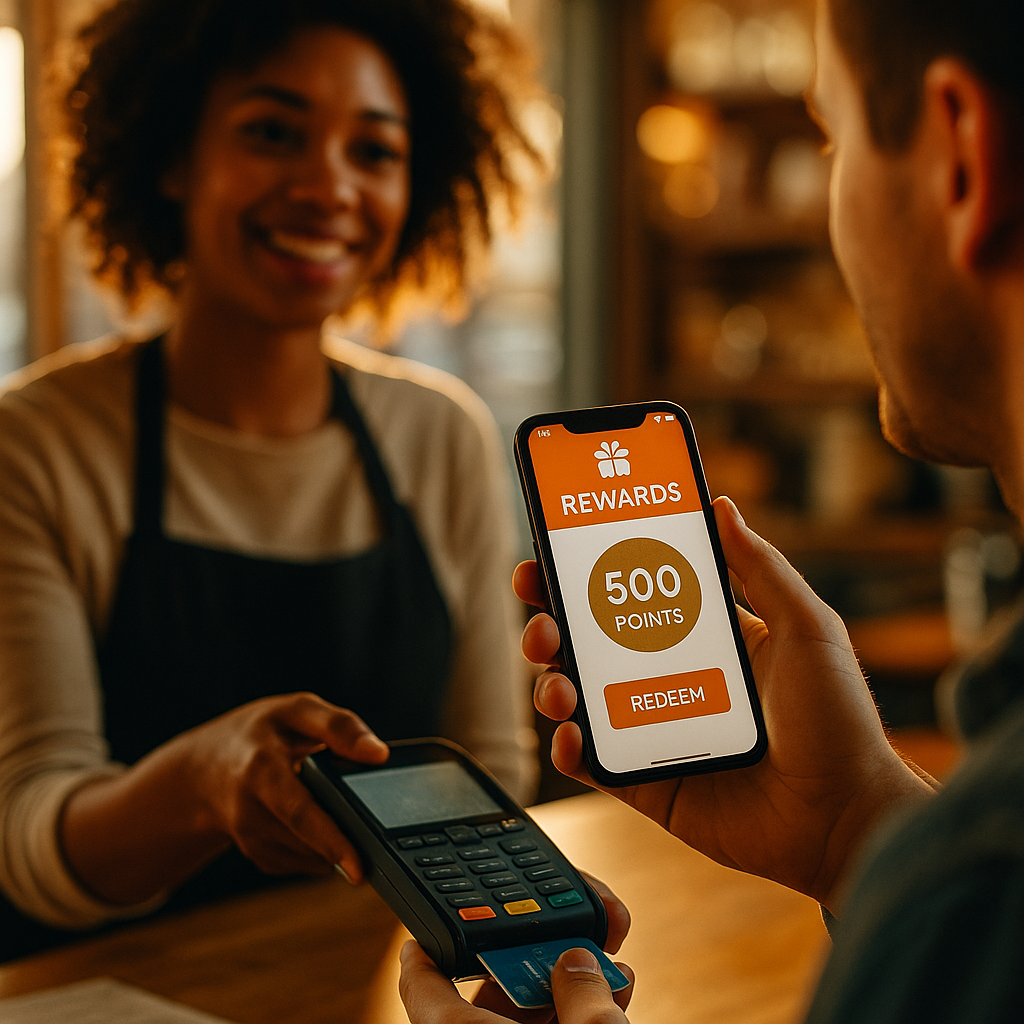
In 2025, many brands still rely on big goal loyalty programs that ask customers to wait months for a meaningful payoff. That delay clashes with how people shop now: fast decisions, frequent check-ins, and constant comparison. A smarter approach is to reward progress in small, satisfying steps that feel immediate and fair—so customers stay engaged and spend again sooner. Ready to rethink rewards?
Why instant gratification rewards match modern customer behavior
Customers don’t experience loyalty in annual cycles—they experience it in moments. A program that requires 10 purchases before a reward arrives often fails because it competes with everyday friction: decision fatigue, budget constraints, and endless alternatives. When the payoff feels distant, the program becomes background noise.
Instant gratification rewards work because they align with three realities of modern buying behavior:
- Short attention windows: Customers evaluate value quickly. If the next benefit is far away, the program feels irrelevant.
- High substitution: Competitors are one click away. Immediate rewards help you win the “next purchase,” not just a theoretical future purchase.
- Frequent touchpoints: Notifications, order updates, and mobile wallets have trained customers to expect rapid feedback. Loyalty should keep pace.
Instant doesn’t have to mean “cheap.” It means timely. A small perk delivered right after a purchase often feels more valuable than a bigger perk delivered months later. That emotional impact becomes a practical advantage: higher repeat rates, more program participation, and more first-party data you can use responsibly to improve customer experience.
If you’re wondering whether instant rewards will “train customers to expect discounts,” the answer depends on design. The goal is to reward behaviors you want—reviews, referrals, replenishment purchases, bundles—not to discount indiscriminately.
Inchstone rewards strategy: turn big goals into visible progress
An inchstone rewards strategy breaks a distant, high-effort target into smaller milestones that create steady motivation. Instead of asking customers to climb a mountain before they feel rewarded, you mark progress every few steps.
Think of inchstones as “micro-commitments” that confirm, you’re getting closer. They work especially well when the program makes progress visible and rewards are easy to use.
Here’s how inchstones differ from traditional big-goal structures:
- Big goal loyalty: One large reward after a long wait; often low perceived odds of reaching it.
- Inchstone rewards: Multiple small rewards along the journey; higher sense of momentum and control.
Effective inchstones reward behavioral progress, not just spend. Examples include:
- First purchase: Immediate perk for joining (e.g., free expedited shipping on the next order).
- Second purchase within 30 days: Bonus points multiplier or a free sample add-on.
- Complete a profile: Early access to new drops or a personalized bundle offer.
- Write a verified review: Store credit, bonus points, or a “reviewer” badge with real perks.
- Subscription sign-up: One-time bonus plus recurring inchstones (e.g., every third renewal earns a free add-on).
The key is to engineer progress so the customer can reliably achieve it. If inchstones are too hard, you recreate the same frustration as big-goal loyalty. If they’re too easy and purely monetary, you risk margin erosion. The best programs use a blend: some perks are financial (credit, points), and others are experiential (priority support, early access, exclusive content).
Practical rule: Ensure a customer can earn a meaningful benefit within the first 7–14 days after joining, even if they only buy once. That early win increases the chance they return and invest deeper.
Customer retention psychology: reduce waiting, increase commitment
Customer retention psychology isn’t about tricking people—it’s about reducing uncertainty and making value obvious. Big-goal programs often fail because customers don’t believe they’ll reach the payoff. Inchstones counter that by creating a sequence of achievable steps.
Several psychological mechanisms explain why inchstones work:
- Goal-gradient effect: People accelerate effort as they feel closer to a goal. Inchstones create more “finish lines,” so customers feel closeness more often.
- Loss aversion: When customers see progress (points, status, streaks), they’re more likely to continue to avoid “wasting” what they’ve accumulated.
- Immediate reinforcement: Prompt rewards strengthen the link between behavior (purchase, review) and outcome (benefit), making repeats more likely.
- Perceived fairness: Small rewards that match effort feel fairer than a distant prize that only a few heavy spenders reach.
Anticipating the reader’s next question: Does this mean tiers are bad? Not necessarily. Tiers can work, but they often become too steep. Inchstones can exist within tiers. For example, a customer might be in Silver, but still earn inchstone perks every time they complete a monthly challenge or hit a purchase cadence target.
Another common concern: Will customers ignore small rewards? They will if rewards are unclear, hard to redeem, or irrelevant. A small reward can feel big when it solves a real problem: shipping speed, product fit guidance, hassle-free returns, or early access to limited inventory.
Design inchstones to reduce friction. If redemption requires codes, logins, or fine print, you lose the psychological benefit you’re trying to create.
Micro-incentives in loyalty programs: reward the behaviors that grow LTV
Micro-incentives in loyalty programs should do more than increase transactions; they should increase quality of transactions. That means focusing on behaviors that raise lifetime value (LTV) while protecting margin.
High-impact micro-incentives typically fall into five buckets:
- Convenience incentives: free returns upgrade, faster shipping, streamlined reorders.
- Discovery incentives: samples, “try before you buy” credits, personalized recommendations.
- Engagement incentives: bonus for reviews, UGC submissions, quizzes, wish lists.
- Referral and advocacy incentives: two-sided referral credits, social proof rewards for verified shares.
- Frequency incentives: streak rewards (e.g., purchase in 2 consecutive months), replenishment nudges.
To keep micro-incentives profitable, tie them to incremental behaviors you can measure. For example:
- Points multiplier on bundles (raises AOV without discounting every item).
- Credit only on the next purchase (drives repeat behavior and protects immediate margin).
- Free gift with threshold (controls cost, increases perceived value, and reduces pure price cutting).
Answering the margin question directly: Set a “reward cost ceiling” per member segment. New members can receive richer early inchstones to build habit. High-LTV members can receive experiential perks that cost less than discounts but feel premium, such as concierge support or early access.
Also, avoid rewarding activity that would happen anyway. If most customers already reorder every 30 days, a 30-day bonus may be wasted. Instead, reward what you want more of: reviews, subscriptions, cross-category purchases, or referrals.
Gamified loyalty milestones: make progress visible and redemption effortless
Gamified loyalty milestones are not about turning your store into a video game. They’re about clarity: customers should instantly understand what they’ve earned, what they can earn next, and how to claim it.
Strong milestone design includes:
- Clear progress indicators: a simple bar, punch-card visual, or “2 of 5 steps completed” display.
- Short cycles: weekly or monthly mini-goals instead of annual goals.
- Meaningful choice: let customers pick from 2–3 rewards (credit vs. shipping upgrade vs. sample pack).
- Instant redemption: one-click apply at checkout, automatic wallet credit, or auto-added gifts.
- Transparent rules: no confusing exclusions that erode trust.
To follow Google’s EEAT expectations, you also need operational credibility. That means your loyalty claims must match real fulfillment capability. If you offer “priority support,” staff it. If you offer “early access,” ensure inventory planning can support it without cancellations.
Implementation steps that reduce risk:
- Map the customer journey: identify the 3–5 moments where a timely reward would change behavior (first purchase, second purchase, referral, review, replenishment).
- Define the inchstones: choose milestones that can be reached by typical customers, not just heavy spenders.
- Instrument measurement: track enrollment, activation (first reward earned), redemption rate, repeat purchase rate, and incremental margin.
- Run an A/B test: compare big-goal vs. inchstone structures by cohort, using the same acquisition channels.
- Iterate based on evidence: remove low-value perks, double down on high-lift behaviors.
Follow-up question: What does “success” look like? Look for improved activation (members earning a reward early), higher redemption (because rewards are relevant), and improved repeat purchase within a defined window (often 30–60 days, depending on category). If redemption is high but margin drops, shift toward experiential perks and thresholds rather than blanket credits.
Reward program redesign: practical frameworks and common pitfalls
A reward program redesign succeeds when it respects customers and protects the business. The fastest way to fail is to copy a competitor’s structure without understanding your purchase cycles, margins, and operational constraints.
Use this practical framework to redesign from big goals to inchstones:
- Step 1: Segment by behavior, not demographics. New, occasional, loyal, lapsed. Each segment needs different inchstones.
- Step 2: Build an “activation ladder.” The first three inchstones should happen quickly and teach customers how the program works.
- Step 3: Match rewards to your economics. High-margin products can support more generous credits; low-margin categories should lean on experiential rewards and thresholds.
- Step 4: Keep rewards relevant. If customers buy for convenience, prioritize convenience perks. If they buy for novelty, prioritize early access and discovery.
- Step 5: Communicate simply. One sentence to explain value, one screen to show progress, one click to redeem.
Common pitfalls to avoid:
- Overcomplication: too many rules, too many point types, too many exclusions.
- Delayed fulfillment: “Instant” rewards that take days to appear break trust.
- Discount addiction: rewarding only with price cuts instead of mixing in perks.
- Ignoring edge cases: returns, exchanges, partial refunds, and fraud need clear policies.
- Privacy missteps: collecting unnecessary data; failing to disclose how data is used.
EEAT also means showing responsibility. In 2025, trust is a differentiator. Make it clear what data you collect, why you collect it, and how customers can control it. Loyalty should feel like a value exchange, not surveillance.
FAQs
What are inchstone rewards?
Inchstone rewards are small, frequent benefits tied to clear milestones (like a second purchase, a review, or a referral). They create visible progress and deliver value sooner than traditional programs that require many purchases before any reward appears.
Will instant gratification rewards reduce my profit margin?
Not if you design them around thresholds, behavior-based incentives, and experiential perks. Use controlled-cost rewards (samples, shipping upgrades, early access) and reserve larger credits for actions that increase LTV, such as subscriptions or bundles.
Are points still useful in an inchstone model?
Yes. Points work well when they’re paired with frequent milestones and easy redemption. The key is to prevent points from becoming “monopoly money” by making earning and spending simple, transparent, and attainable for typical customers.
What’s the best first inchstone after someone joins?
A quick win that teaches the program: a small credit valid on the next order, a free shipping upgrade, or a free sample added automatically. The best choice depends on your category and what customers value most (speed, savings, or discovery).
How do I measure whether inchstone rewards are working?
Track activation rate (members earning a reward early), redemption rate, repeat purchase rate within your category’s normal cycle, and incremental margin. Compare cohorts via A/B tests to confirm the program is driving behavior, not just rewarding it.
Can inchstones replace tiers entirely?
They can, but many brands use both: tiers for long-term recognition and inchstones for short-term momentum. If tiers feel too slow or exclusive, inchstones keep customers engaged between tier thresholds.
Moving from big-goal structures to inchstones improves loyalty because it replaces waiting with momentum. In 2025, customers want fast, clear value and simple redemption, not promises that mature months later. Design rewards around measurable behaviors, mix financial and experiential perks, and make progress visible. The takeaway: reward the next step, not just the finish line—and customers will return sooner and stay longer.
Top Influencer Marketing Agencies
The leading agencies shaping influencer marketing in 2026
Agencies ranked by campaign performance, client diversity, platform expertise, proven ROI, industry recognition, and client satisfaction. Assessed through verified case studies, reviews, and industry consultations.
Moburst

-
2

The Shelf
Boutique Beauty & Lifestyle Influencer AgencyA data-driven boutique agency specializing exclusively in beauty, wellness, and lifestyle influencer campaigns on Instagram and TikTok. Best for brands already focused on the beauty/personal care space that need curated, aesthetic-driven content.Clients: Pepsi, The Honest Company, Hims, Elf Cosmetics, Pure LeafVisit The Shelf → -
3

Audiencly
Niche Gaming & Esports Influencer AgencyA specialized agency focused exclusively on gaming and esports creators on YouTube, Twitch, and TikTok. Ideal if your campaign is 100% gaming-focused — from game launches to hardware and esports events.Clients: Epic Games, NordVPN, Ubisoft, Wargaming, Tencent GamesVisit Audiencly → -
4

Viral Nation
Global Influencer Marketing & Talent AgencyA dual talent management and marketing agency with proprietary brand safety tools and a global creator network spanning nano-influencers to celebrities across all major platforms.Clients: Meta, Activision Blizzard, Energizer, Aston Martin, WalmartVisit Viral Nation → -
5

The Influencer Marketing Factory
TikTok, Instagram & YouTube CampaignsA full-service agency with strong TikTok expertise, offering end-to-end campaign management from influencer discovery through performance reporting with a focus on platform-native content.Clients: Google, Snapchat, Universal Music, Bumble, YelpVisit TIMF → -
6

NeoReach
Enterprise Analytics & Influencer CampaignsAn enterprise-focused agency combining managed campaigns with a powerful self-service data platform for influencer search, audience analytics, and attribution modeling.Clients: Amazon, Airbnb, Netflix, Honda, The New York TimesVisit NeoReach → -
7

Ubiquitous
Creator-First Marketing PlatformA tech-driven platform combining self-service tools with managed campaign options, emphasizing speed and scalability for brands managing multiple influencer relationships.Clients: Lyft, Disney, Target, American Eagle, NetflixVisit Ubiquitous → -
8

Obviously
Scalable Enterprise Influencer CampaignsA tech-enabled agency built for high-volume campaigns, coordinating hundreds of creators simultaneously with end-to-end logistics, content rights management, and product seeding.Clients: Google, Ulta Beauty, Converse, AmazonVisit Obviously →