


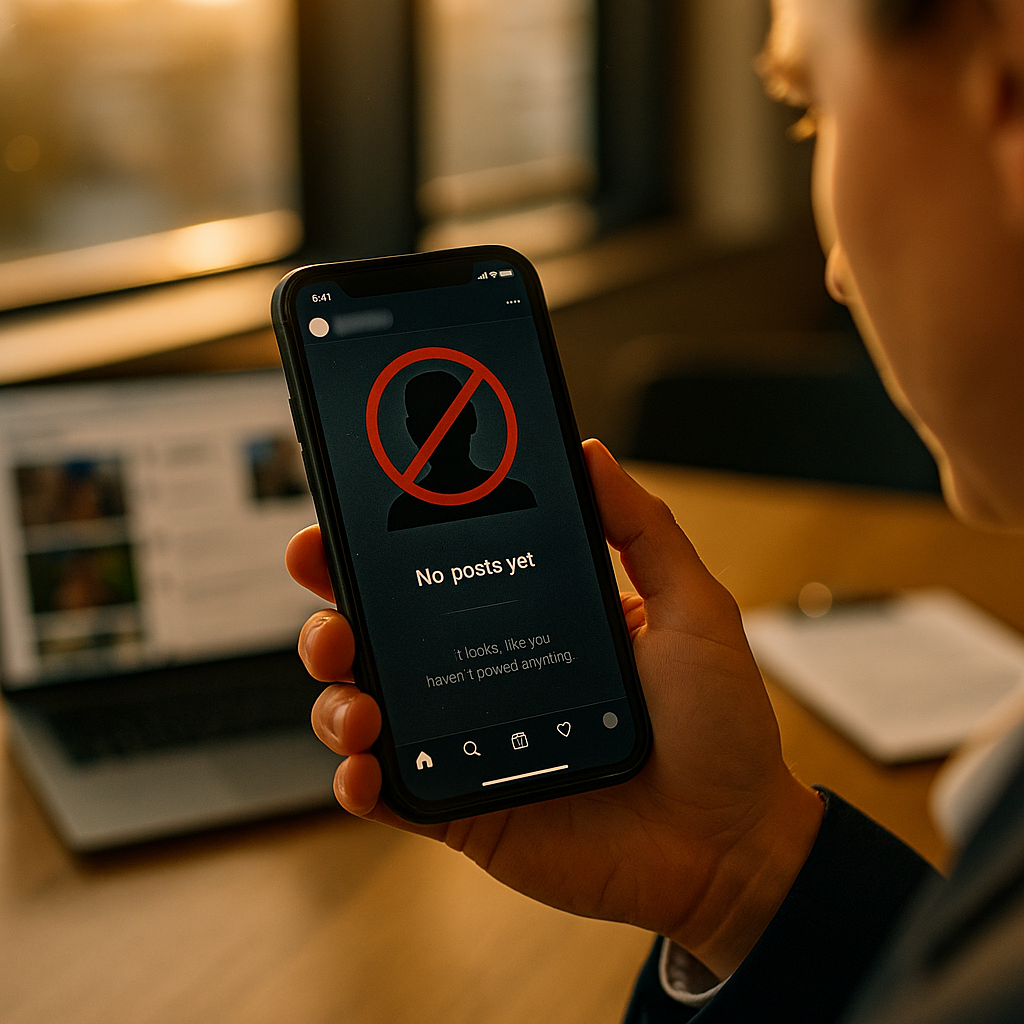
Global brands rely on social platforms for reach, reputation, and revenue, yet visibility is never guaranteed. Understanding the Legal Risks of Shadow Banning for Global Brands means tracking how algorithmic demotion, restricted distribution, or “limited reach” can trigger regulatory scrutiny, contract disputes, and consumer backlash across jurisdictions. In 2025, enforcement is rising and platform policies shift quickly—are your teams prepared?
What is shadow banning and “limited reach” (secondary keyword: shadow banning definition)
Shadow banning is a colloquial term for platform actions that reduce a user’s content visibility without an explicit, clear notice. Platforms may describe the same outcome as “ranking adjustments,” “distribution limits,” “integrity downranking,” “recommendation ineligibility,” or “spam mitigation.” For global brands, the legal risk often turns less on the label and more on four practical facts:
- Material impact: Reach, impressions, traffic, and conversions drop in ways that affect commercial performance.
- Opacity: The brand cannot easily identify whether the cause is policy enforcement, algorithmic ranking, technical errors, or user behavior.
- Asymmetry: Platforms control ranking signals, enforcement tools, and appeals processes.
- Stakeholder reliance: Influencers, franchisees, distributors, and customers may rely on the brand’s channels for updates and support.
From a legal perspective, “shadow banning” matters because it can lead to claims about unfairness, discrimination, misrepresentation, and breach of contract—and because regulators increasingly expect platforms and businesses to manage algorithmic impacts responsibly.
Platform terms, brand contracts, and commercial fallout (secondary keyword: platform terms of service)
Most disputes begin with platform terms of service, advertising policies, creator monetization rules, and brand-side agreements that assume a stable channel for distribution. Shadow banning can trigger cascading contractual issues:
- Influencer and ambassador agreements: Deliverables often specify impressions, reach, clicks, or engagement. If a platform quietly downranks posts, the influencer may miss targets, and the brand may face pressure to waive performance thresholds, pay make-goods, or renegotiate.
- Media buying and agency SOWs: Some agency statements of work imply platform access or performance benchmarks. When visibility collapses, disputes may arise over whether the agency, creative, targeting, or platform enforcement caused the shortfall.
- Distributor and franchise communications: A downranked announcement about product safety, recalls, or service disruptions can create real-world harm, especially where franchisees rely on social channels for operational updates.
- Investor and market communications: If a brand has positioned social reach as a key growth lever, sudden algorithmic suppression can become a disclosure and governance issue, especially when executives make public claims about “organic demand” that later appear overstated.
Practical legal takeaway: treat social distribution as a variable channel. Contracts should avoid guaranteeing outcomes tied to platform algorithms. Use performance clauses that account for policy enforcement, force majeure-like “platform actions,” and data access limitations. Brands should also define acceptable evidence of suppression (for example, platform notices, enforcement emails, or a documented pattern across multiple posts and accounts).
Regulatory exposure across jurisdictions (secondary keyword: global digital regulation)
Global brands face a patchwork of digital rules that can turn shadow banning into a compliance problem. The risk is not only whether a brand is shadow banned, but how the brand responds and what claims it makes to customers, regulators, and partners.
EU: The Digital Services Act (DSA) has increased expectations around transparency, notice, and redress for content moderation and certain ranking practices on covered services. While platforms bear primary obligations, brands can become involved through complaints, evidence requests, and litigation—especially if business-critical accounts are restricted and the brand alleges inconsistent enforcement. Separately, consumer protection rules can become relevant if a brand’s marketing messages about reach, “community access,” or promotions become misleading in light of distribution limits.
UK and other markets: Online safety and consumer enforcement trends emphasize demonstrable governance, escalation paths, and truthful marketing communications. Brands that run community pages and moderation programs may face questions about fairness and consistency when users claim their content is suppressed or their complaints are ignored.
US and state-level litigation: Even when platforms have broad discretion, brands still face private claims—such as breach of contract, tortious interference (rare but pled), and unfair competition—particularly when business partners argue that the brand failed to disclose known distribution constraints that impacted joint campaigns.
Cross-border issues: Shadow banning often looks like a “local” problem, but enforcement and appeals may run through teams and systems in different countries. That raises data transfer, discovery, and evidence preservation challenges if a dispute escalates.
What readers usually ask next: “Are we legally responsible if a platform suppresses us?” Usually not for the platform’s decision itself, but you may be responsible for how you communicate about it, how you manage customer impact, and whether you meet your own contractual obligations.
Discrimination, speech, and competition claims (secondary keyword: algorithmic transparency)
Shadow banning can become legally sensitive when it appears selective or biased. Even if a platform denies “shadow banning,” a brand may still face reputational and legal risk when creators, employees, or customers allege suppression tied to protected characteristics or viewpoints.
Key risk paths include:
- Discrimination allegations: If a brand’s content about certain communities, health topics, or social issues is repeatedly downranked, stakeholders may claim discriminatory outcomes. Brands should avoid speculative public accusations without evidence; instead, document the pattern and pursue platform escalation.
- Political and advocacy content: Content involving elections, public policy, or contentious social topics is often subject to stricter distribution rules. Brands operating global issue campaigns can see uneven enforcement by market, language, or topic.
- Competition and gatekeeper concerns: When platform-owned products or preferred partners appear to receive better distribution, brands may suspect self-preferencing. This can create competition-law narratives in some jurisdictions. The legal threshold is high, but the business risk is immediate: dependency on a single platform becomes a bargaining disadvantage.
EEAT-aligned guidance: brands should build a fact-based dossier before making claims. Capture timestamped analytics, side-by-side comparisons, policy notices, rejected ads, appeal outcomes, and content IDs. If you engage counsel, ensure privilege protocols are clear so internal discussions do not create avoidable discovery risk.
Advertising, disclosures, and consumer protection pitfalls (secondary keyword: deceptive marketing claims)
Shadow banning can indirectly trigger consumer protection risk when it distorts promotions, pricing messages, and influencer disclosures.
Promotions and availability: If a brand announces time-limited offers or critical eligibility details and the post is downranked, some consumers may see the headline but not the terms, or miss corrections posted later. That can create complaints that the promotion was misleading or administered unfairly. Mitigation: use stable landing pages with full terms, and do not rely on comment replies for legally required disclosures.
Influencer and affiliate compliance: When creators suspect suppression, they may change posting behavior (reposting, editing captions, removing disclosures, using evasive language) to “beat the algorithm.” That can lead to insufficient ad disclosures and regulatory scrutiny. Brand programs should train creators that compliance disclosures are non-negotiable and provide approved formats that remain visible across placements.
Claims about reach and performance: Some brands market paid programs promising “guaranteed exposure” or “always-on visibility” through partnerships or tools. If distribution is curtailed by platform enforcement, these claims can become risky. Safer framing: focus on what you control (creative, targeting, compliance, frequency caps) and avoid absolute statements about outcomes tied to platform ranking systems.
Likely follow-up question: “Should we publicly accuse a platform of shadow banning?” Treat that as a legal decision, not a social post. Public allegations can strain partner relationships, create defamation risk in some jurisdictions, and complicate future negotiations. Prefer a measured statement: acknowledge performance variance, confirm you are investigating with the platform, and provide alternative ways for customers to access information.
How to reduce legal risk with governance, evidence, and escalation (secondary keyword: social media compliance program)
The strongest risk reduction combines technical monitoring, contractual safeguards, and disciplined communications.
1) Build an internal “visibility incident” playbook
- Define triggers (sudden reach drops, ad disapprovals spikes, account warnings, recommendation ineligibility).
- Assign owners across legal, comms, marketing ops, and regional leads.
- Create a decision tree: technical check → policy check → platform escalation → public messaging review.
2) Instrument monitoring and preserve evidence
- Track KPIs by post type, topic, language, and market to spot selective suppression patterns.
- Save screenshots of notices, policy flags, ad rejections, and appeal outcomes.
- Maintain a content register with IDs, timestamps, and any edits (edits can change enforcement outcomes).
3) Harden contracts and campaign structures
- Include “platform action” clauses in influencer and agency agreements, with make-good options that do not incentivize disclosure removal or policy evasion.
- Use performance metrics that are not solely algorithm-dependent (e.g., trackable link clicks, qualified traffic, email sign-ups).
- Require prompt notice if creators receive policy strikes, shadow-limiting indicators, or monetization restrictions.
4) Use redundancy to reduce dependency
- Drive audiences to owned channels (email, SMS opt-in, app notifications, customer community portals).
- Repurpose essential updates across multiple platforms and formats (post, story, pinned link, landing page).
- For regulated announcements, publish the authoritative version on your website first, then distribute links socially.
5) Escalate professionally and consistently
- Use official business support channels and maintain a single case log.
- Ask for specific clarifications: which policy, which content ID, which enforcement action, what remediation steps.
- When appropriate, involve outside counsel to structure requests and preserve privilege.
This approach aligns with Google’s EEAT expectations because it emphasizes demonstrable expertise (defined processes), experience (incident playbooks and evidence trails), authoritativeness (clear governance), and trust (accurate public statements and consumer-first disclosures).
FAQs (secondary keyword: shadow banning legal questions)
Is shadow banning illegal?
Not inherently. Many platforms reserve broad discretion to rank, recommend, or limit content. Legal issues arise when suppression connects to misleading statements, contractual commitments, discriminatory impacts, or regulatory transparency duties in certain jurisdictions.
How can a brand prove it was shadow banned?
You typically cannot “prove” it conclusively without platform confirmation, but you can build strong evidence: sudden reach drops across multiple posts, recommendation ineligibility indicators, repeated ad disapprovals, account warnings, and documented appeal outcomes. Preserve analytics exports and platform notices with timestamps.
Should we tell customers that a platform is shadow banning us?
Only after legal and communications review. If you speak publicly, stick to verifiable facts (reach decline, platform review in progress) and provide alternative channels for updates. Avoid asserting intent or misconduct without evidence.
Can influencers sue a brand if their content is downranked?
They may bring contractual claims if deliverables and payment are tied to reach and the contract lacks platform-action protections. Brands reduce exposure by using balanced performance terms, clear documentation requirements, and make-good structures that preserve compliance.
Does shadow banning affect paid ads too?
Yes. Accounts can face ad delivery limits, disapprovals, or learning-phase penalties that function like suppression. Treat ad enforcement as part of the same visibility risk program, with documented appeals and compliance audits of creatives and landing pages.
What is the fastest way to reduce risk in 2025?
Implement a visibility incident playbook, update influencer/agency clauses for platform actions, and shift critical communications to owned channels backed by legally compliant landing pages. Then monitor, document, and escalate through official platform support with a consistent record.
Shadow banning is more than a marketing headache; it is a legal risk multiplier that can trigger contract disputes, consumer complaints, and regulatory scrutiny across borders. In 2025, brands protect themselves by treating social reach as variable, documenting visibility incidents, tightening campaign contracts, and communicating only what they can substantiate. Build redundancy through owned channels, and you stay resilient when algorithms change.
Top Influencer Marketing Agencies
The leading agencies shaping influencer marketing in 2026
Agencies ranked by campaign performance, client diversity, platform expertise, proven ROI, industry recognition, and client satisfaction. Assessed through verified case studies, reviews, and industry consultations.
Moburst

-
2

The Shelf
Boutique Beauty & Lifestyle Influencer AgencyA data-driven boutique agency specializing exclusively in beauty, wellness, and lifestyle influencer campaigns on Instagram and TikTok. Best for brands already focused on the beauty/personal care space that need curated, aesthetic-driven content.Clients: Pepsi, The Honest Company, Hims, Elf Cosmetics, Pure LeafVisit The Shelf → -
3

Audiencly
Niche Gaming & Esports Influencer AgencyA specialized agency focused exclusively on gaming and esports creators on YouTube, Twitch, and TikTok. Ideal if your campaign is 100% gaming-focused — from game launches to hardware and esports events.Clients: Epic Games, NordVPN, Ubisoft, Wargaming, Tencent GamesVisit Audiencly → -
4

Viral Nation
Global Influencer Marketing & Talent AgencyA dual talent management and marketing agency with proprietary brand safety tools and a global creator network spanning nano-influencers to celebrities across all major platforms.Clients: Meta, Activision Blizzard, Energizer, Aston Martin, WalmartVisit Viral Nation → -
5

The Influencer Marketing Factory
TikTok, Instagram & YouTube CampaignsA full-service agency with strong TikTok expertise, offering end-to-end campaign management from influencer discovery through performance reporting with a focus on platform-native content.Clients: Google, Snapchat, Universal Music, Bumble, YelpVisit TIMF → -
6

NeoReach
Enterprise Analytics & Influencer CampaignsAn enterprise-focused agency combining managed campaigns with a powerful self-service data platform for influencer search, audience analytics, and attribution modeling.Clients: Amazon, Airbnb, Netflix, Honda, The New York TimesVisit NeoReach → -
7

Ubiquitous
Creator-First Marketing PlatformA tech-driven platform combining self-service tools with managed campaign options, emphasizing speed and scalability for brands managing multiple influencer relationships.Clients: Lyft, Disney, Target, American Eagle, NetflixVisit Ubiquitous → -
8

Obviously
Scalable Enterprise Influencer CampaignsA tech-enabled agency built for high-volume campaigns, coordinating hundreds of creators simultaneously with end-to-end logistics, content rights management, and product seeding.Clients: Google, Ulta Beauty, Converse, AmazonVisit Obviously →