


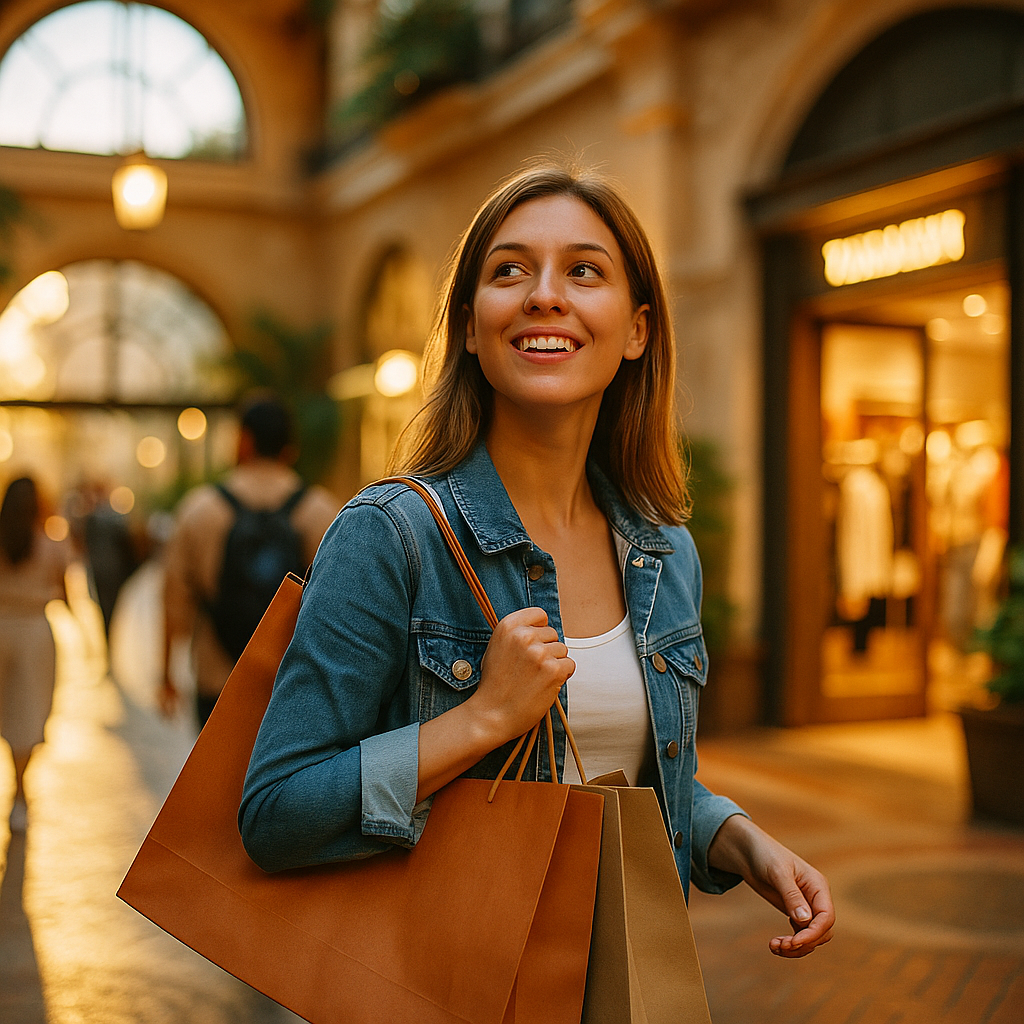
Retail tourism is reshaping how people shop, blending discovery, entertainment, and social connection inside physical stores. In 2026, brands no longer rely on static displays alone; they design destinations worth visiting, sharing, and revisiting. As showrooms become immersive spaces, retailers gain more than foot traffic—they earn attention, loyalty, and cultural relevance. What makes this model work so well today?
Experiential retail is redefining why shoppers visit stores
The rise of retail tourism reflects a larger shift in consumer behavior. People still buy products online for speed and convenience, but they increasingly visit physical stores for something the internet cannot fully deliver: a memorable, sensory experience. This is where experiential retail changes the role of the showroom.
Instead of functioning only as places to browse inventory, showrooms now act as branded environments where customers can test products, attend workshops, interact with staff, create content, and spend meaningful time. The best concepts feel less like stores and more like hybrid spaces that combine hospitality, culture, and entertainment.
This transformation is driven by several forces:
- Experience-led spending: Many consumers, especially younger urban shoppers, prioritize activities they can remember and share.
- Digital fatigue: After years of screen-heavy commerce, in-person novelty has regained value.
- Social amplification: Visually distinctive retail spaces generate organic visibility across short-form video and photo platforms.
- Brand differentiation: In crowded categories, immersive environments help brands stand out beyond price and product specs.
Retailers that understand this trend do not simply decorate stores for photos. They build intentional experiences tied to customer needs. A beauty brand may offer skin analysis and personalized consultations. A furniture showroom may let visitors test room settings, attend design classes, and use augmented reality planning tools. A sportswear retailer may host training sessions, recovery stations, and community events.
The common thread is clear: the visit itself becomes part of the product. That shift matters because it changes success metrics. Retailers now measure not just sales per square foot, but also dwell time, repeat visits, event attendance, app engagement, and customer lifetime value.
Immersive shopping experiences turn passive browsing into participation
Immersive shopping experiences are the engine behind retail tourism. The goal is not to overwhelm visitors with technology or theatrical design. It is to invite participation in a way that feels useful, enjoyable, and brand-relevant.
Participation can take many forms. Customers might customize products in real time, explore themed installations, use interactive mirrors, scan QR-enabled product stories, or join limited-capacity demos. These moments work because they transform the customer from observer to active participant.
Effective immersive design usually includes five elements:
- Sensory engagement: Lighting, sound, scent, texture, and movement shape the mood and memory of a space.
- Hands-on interaction: Visitors want to touch, test, sample, and compare products with confidence.
- Personalization: Recommendations, consultations, and digital profiles make the experience feel tailored.
- Shareability: Distinctive visual moments encourage user-generated content without feeling forced.
- Ease of purchase: The path from inspiration to transaction must remain smooth, whether checkout happens in-store or online later.
Retailers often ask whether these investments actually improve business outcomes. In practice, they can, provided the experience supports the brand promise and removes friction rather than adding it. A showroom that entertains but confuses customers will fail. A showroom that teaches, delights, and simplifies decision-making can increase both conversion and advocacy.
Another common question is whether immersive formats only work for luxury brands. They do not. While premium brands may have larger budgets, mainstream retailers can create high-impact experiences through smart layout design, expert staff, rotating activations, and community programming. The key is relevance, not extravagance.
In 2026, the strongest immersive concepts also respect privacy and accessibility. They are designed for all visitors, not just influencers or early adopters. Clear signage, inclusive layouts, optional digital features, and transparent data practices are now essential parts of the experience.
Store destination strategy helps brands compete beyond convenience
To win in retail tourism, companies need a clear store destination strategy. This means designing locations that attract visitors for reasons beyond immediate purchase intent. If a store gives people a compelling reason to go there, it can compete with e-commerce on a completely different playing field.
A strong destination strategy starts with one question: Why would someone make time to visit this space? The answer should be specific. Convenience alone rarely justifies a trip when same-day delivery and mobile checkout are available. Experience, expertise, exclusivity, and community do.
Retail destinations often succeed by combining several traffic drivers:
- Exclusive access: Limited drops, members-only previews, and location-specific products create urgency.
- Programming: Classes, panels, workshops, tastings, launches, and creator collaborations bring fresh energy.
- Service layers: Repairs, fittings, consultations, and customization add value that online stores cannot match.
- Food and beverage: Cafés and hospitality elements increase dwell time and broaden appeal.
- Local relevance: Neighborhood partnerships and community events make the showroom feel rooted, not generic.
Location also matters. Retail tourism performs especially well in mixed-use districts, flagship corridors, travel-heavy urban centers, and lifestyle hubs where shopping blends with dining, culture, and leisure. However, even suburban formats can thrive when anchored by community utility and recurring events.
Retailers should also plan for operational reality. A destination store requires staffing models, maintenance budgets, scheduling systems, and content refresh cycles that traditional retail often overlooks. If installations break, events feel disorganized, or service quality is inconsistent, customer trust drops quickly.
That is why the best-performing brands treat these spaces as living platforms. They iterate based on visitor data, staff feedback, and demand patterns. They test activations, refine layouts, and refresh programming to keep the experience current rather than static.
Phygital retail connects in-store excitement with digital convenience
The most successful retail tourism concepts rely on phygital retail—the seamless integration of physical and digital touchpoints. Physical stores create emotion and trust. Digital tools add speed, context, and continuity. Together, they support the full customer journey.
This integration begins before the visit. Customers may book appointments through an app, browse event calendars, save products to a wishlist, or receive personalized invitations based on previous behavior. Once in-store, mobile check-in, smart fitting rooms, digital kiosks, and app-based rewards create a connected experience. After the visit, follow-up content, product recommendations, and simplified reordering extend the relationship.
Done well, phygital retail answers several practical shopper questions:
- Can I try this in person and buy later? Yes, with saved carts and linked customer profiles.
- Will staff know my preferences? Often yes, if the retailer uses permission-based CRM tools.
- Do I need to wait in line? Not always, thanks to mobile checkout and queue management.
- Can I access deeper product information quickly? Yes, via scans, screens, and app-based guides.
Retailers benefit as well. Connected systems improve inventory visibility, appointment planning, attribution, and personalization. They help brands understand what drove the visit, what influenced the decision, and what happened after the customer left the store.
Still, technology should never dominate the experience. Too many screens can make a showroom feel cold or complicated. The most effective phygital strategies support human interaction instead of replacing it. Well-trained associates remain central because they translate data into trust, advice, and confidence.
Security and transparency are equally important. In 2026, shoppers expect brands to explain what data they collect, why they collect it, and how it improves the experience. Permission-based personalization builds credibility. Hidden tracking damages it.
Customer engagement in retail grows through community, not just spectacle
While dramatic design can attract attention, lasting customer engagement in retail depends on something deeper: connection. Retail tourism works best when stores create a sense of belonging, not just novelty.
Community-led engagement gives shoppers reasons to return after the initial visit. It also turns retail spaces into recurring touchpoints instead of one-time attractions. For many brands, this is where the long-term value appears.
Community engagement can include:
- Skill-building events: Tutorials, clinics, styling sessions, and how-to workshops build practical value.
- Interest-based gatherings: Run clubs, book circles, design talks, gaming nights, or wellness sessions create identity-driven loyalty.
- Local partnerships: Collaborations with artists, chefs, creators, and nonprofits strengthen authenticity.
- Membership benefits: Early access, reserved bookings, special lounges, and personalized services increase retention.
These programs also improve content and advocacy. Visitors who feel part of a community are more likely to post about the brand, bring friends, and engage across channels. This kind of word-of-mouth is especially valuable because it feels earned rather than bought.
Retail staff play an outsized role here. Associates are no longer only salespeople; they are hosts, educators, and community builders. Training should therefore extend beyond product knowledge to include hospitality, event support, listening skills, and problem resolution. Human expertise is one of the strongest differentiators a physical showroom can offer.
Brands should be honest about whether every concept needs a constant event calendar. Some categories benefit from weekly programming, while others may perform better with seasonal drops or appointment-led experiences. The right cadence depends on customer behavior, margin structure, and operational capacity.
What matters most is consistency. A community promise must be backed by reliable execution, useful experiences, and a welcoming environment.
Retail innovation trends reveal how to measure success and scale wisely
The latest retail innovation trends point to a more disciplined era for experiential investment. Brands still want immersive spaces, but they are now under pressure to prove impact. That means measuring showroom performance with a broader and more sophisticated lens.
Traditional metrics remain important, including revenue, conversion rate, average order value, and traffic. But retail tourism requires additional indicators that capture influence across the customer journey.
Useful metrics include:
- Dwell time: How long visitors stay in the space or specific zones.
- Repeat visitation: Whether people come back within a defined period.
- Event participation: Attendance, booking completion, and post-event conversion.
- Cross-channel lift: Increases in app use, email engagement, or online purchases after in-store visits.
- Earned social reach: User-generated content volume, quality, and engagement.
- Service adoption: Uptake of consultations, personalization, repairs, or fittings.
- Customer sentiment: Reviews, surveys, and qualitative feedback from visitors and staff.
Retailers should also separate vanity from value. A visually impressive activation may generate attention but fail to move profitable behavior. The best experiences align creative ambition with measurable business goals.
For scaling, brands often start with a flagship or pilot format, then identify which elements are essential and which are location-specific. Not every market needs the same level of buildout. Some may support full destination environments, while others benefit from modular pop-ins, event-led showrooms, or smaller service hubs.
From an EEAT perspective, decision-makers should rely on tested operational insight, clear customer feedback loops, and current market evidence rather than trend imitation. In other words, build based on what your audience values, what your staff can deliver consistently, and what your data confirms.
The rise of retail tourism is not a short-lived reaction to online competition. It reflects a more permanent truth: physical retail is strongest when it offers presence, participation, and purpose. Showrooms that function as playgrounds do not abandon commerce. They make commerce more human, more memorable, and more strategically valuable.
FAQs about retail tourism and showroom transformation
What is retail tourism?
Retail tourism is the strategy of turning stores into destinations that people want to visit for experience, entertainment, education, or community, not just for transactions. It blends shopping with leisure and often increases dwell time, brand engagement, and repeat visits.
Why are brands turning showrooms into playgrounds?
Brands want to give shoppers something online channels cannot fully replicate: sensory interaction, expert guidance, social connection, and memorable experiences. These elements help attract visitors, differentiate the brand, and support long-term loyalty.
Does retail tourism only work for flagship stores?
No. Flagships are often the most visible examples, but smaller stores, pop-ups, and appointment-based showrooms can also use retail tourism principles. The format should match local demand, budget, and operational capacity.
What technologies matter most in phygital retail?
The most useful technologies are the ones that reduce friction and improve personalization. Common examples include appointment booking, mobile checkout, smart product information tools, connected loyalty programs, and CRM systems that support permission-based customer insights.
How can retailers measure the success of an experiential showroom?
They should track both sales and engagement metrics, including dwell time, repeat visitation, event attendance, cross-channel conversion, service uptake, and customer feedback. The right mix depends on the showroom’s strategic purpose.
What is the biggest mistake retailers make with immersive shopping?
A common mistake is prioritizing visual spectacle over customer utility. If the experience looks impressive but does not help shoppers discover, test, understand, or buy products more easily, it is unlikely to create lasting value.
Is retail tourism relevant for non-luxury brands?
Yes. Retail tourism is relevant across price points. Mainstream brands can succeed by focusing on practical experiences, strong service, local community engagement, and thoughtful in-store design rather than expensive installations alone.
How often should a showroom refresh its experience?
Refresh cycles depend on category and traffic patterns, but most experiential stores need regular updates to programming, layouts, product storytelling, or seasonal activations. Stale environments quickly lose their destination appeal.
Retail tourism is changing physical commerce by making stores places people actively choose to visit. The strongest showroom concepts combine immersive design, useful service, digital convenience, and community connection. For retailers in 2026, the takeaway is simple: create spaces that earn attention through relevance and participation, and the store becomes more than a sales channel—it becomes a growth engine.
Top Influencer Marketing Agencies
The leading agencies shaping influencer marketing in 2026
Agencies ranked by campaign performance, client diversity, platform expertise, proven ROI, industry recognition, and client satisfaction. Assessed through verified case studies, reviews, and industry consultations.
Moburst

-
2

The Shelf
Boutique Beauty & Lifestyle Influencer AgencyA data-driven boutique agency specializing exclusively in beauty, wellness, and lifestyle influencer campaigns on Instagram and TikTok. Best for brands already focused on the beauty/personal care space that need curated, aesthetic-driven content.Clients: Pepsi, The Honest Company, Hims, Elf Cosmetics, Pure LeafVisit The Shelf → -
3

Audiencly
Niche Gaming & Esports Influencer AgencyA specialized agency focused exclusively on gaming and esports creators on YouTube, Twitch, and TikTok. Ideal if your campaign is 100% gaming-focused — from game launches to hardware and esports events.Clients: Epic Games, NordVPN, Ubisoft, Wargaming, Tencent GamesVisit Audiencly → -
4

Viral Nation
Global Influencer Marketing & Talent AgencyA dual talent management and marketing agency with proprietary brand safety tools and a global creator network spanning nano-influencers to celebrities across all major platforms.Clients: Meta, Activision Blizzard, Energizer, Aston Martin, WalmartVisit Viral Nation → -
5

The Influencer Marketing Factory
TikTok, Instagram & YouTube CampaignsA full-service agency with strong TikTok expertise, offering end-to-end campaign management from influencer discovery through performance reporting with a focus on platform-native content.Clients: Google, Snapchat, Universal Music, Bumble, YelpVisit TIMF → -
6

NeoReach
Enterprise Analytics & Influencer CampaignsAn enterprise-focused agency combining managed campaigns with a powerful self-service data platform for influencer search, audience analytics, and attribution modeling.Clients: Amazon, Airbnb, Netflix, Honda, The New York TimesVisit NeoReach → -
7

Ubiquitous
Creator-First Marketing PlatformA tech-driven platform combining self-service tools with managed campaign options, emphasizing speed and scalability for brands managing multiple influencer relationships.Clients: Lyft, Disney, Target, American Eagle, NetflixVisit Ubiquitous → -
8

Obviously
Scalable Enterprise Influencer CampaignsA tech-enabled agency built for high-volume campaigns, coordinating hundreds of creators simultaneously with end-to-end logistics, content rights management, and product seeding.Clients: Google, Ulta Beauty, Converse, AmazonVisit Obviously →