


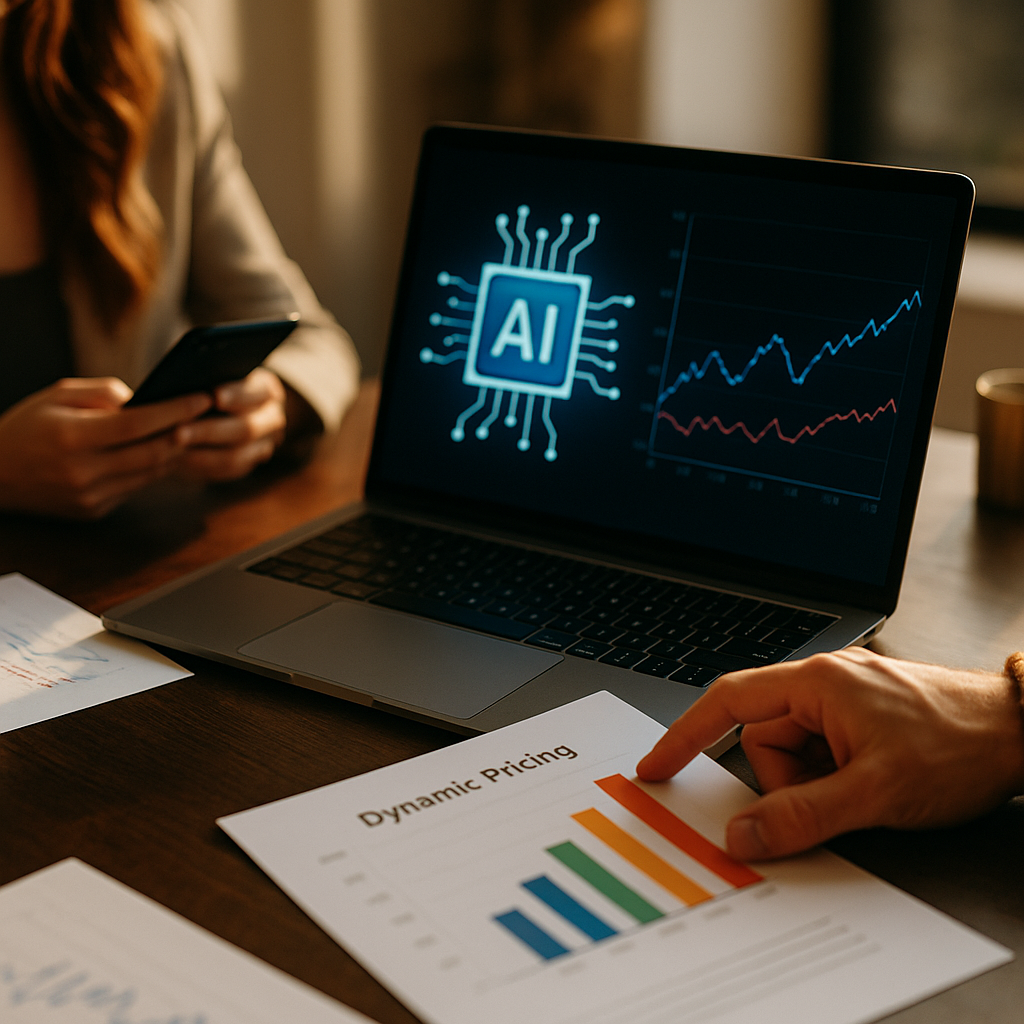
Brands and creators no longer need to guess what a partnership should cost. AI powered dynamic pricing for creator partnerships based on real time demand is changing how campaigns are bought, sold, and optimized in 2026. Instead of flat rates and slow negotiations, teams can price sponsorships using live signals, stronger forecasting, and measurable performance. What does that mean for smarter creator deals?
Why real-time demand pricing matters in creator marketing
Creator partnerships have matured into a performance channel, not just a branding experiment. Yet pricing often still relies on static media kits, outdated follower counts, and benchmark spreadsheets that fail to reflect what is happening right now. A creator may become significantly more valuable in a week because of a viral trend, a spike in audience engagement, a seasonal product fit, or sudden demand from multiple advertisers.
This is where real-time demand pricing creates an advantage. Instead of locking rates based only on historical averages, AI models can evaluate current market conditions and update price recommendations continuously. These systems analyze variables such as:
- Audience growth velocity
- Engagement quality, not just raw engagement rate
- Content category demand by brand vertical
- Platform-level trend momentum
- Geographic audience relevance
- Inventory scarcity for specific posting windows
- Past conversion or sales performance
- Competing advertiser interest
For brands, this means fewer overpriced deals and faster access to creators whose value is rising for a valid reason. For creators, it means rates can increase when demand for their niche, audience, or format climbs. Both sides benefit from a pricing system that reflects actual market conditions instead of broad assumptions.
Helpful content in this area should also be realistic: AI does not replace relationship building, brand fit, or legal negotiation. It improves pricing decisions by adding evidence, consistency, and speed. The best teams still combine automation with human review.
How AI pricing models evaluate creator partnership value
Not all AI pricing tools work the same way. The strongest systems use a layered approach that blends historical data, current demand signals, and campaign outcome data. In practice, that means the model is not simply asking, “How many followers does this creator have?” It is asking, “What is the probability this partnership will deliver business value at this moment?”
A useful AI pricing engine typically assesses five core areas:
- Creator quality signals: audience authenticity, engagement consistency, content frequency, sentiment, and niche authority.
- Audience fit: age, geography, interests, purchase intent, and overlap with the brand’s target segment.
- Demand intensity: current advertiser interest in the creator, niche, or content format.
- Performance likelihood: expected clicks, conversions, installs, subscriptions, or revenue based on similar campaigns.
- Inventory and timing: scarcity around product launches, holidays, trending moments, or platform algorithm changes.
Advanced models also distinguish between vanity signals and meaningful commercial signals. A creator with moderate reach but unusually strong audience trust may deserve a higher price than a larger creator with inflated engagement or weak content relevance. This shift matters because marketers in 2026 are under pressure to prove efficiency, not just visibility.
To align with EEAT principles, pricing decisions should be based on transparent methodology. Brands and creator platforms should be able to explain what inputs the system considers, what outcomes it optimizes for, and where human oversight remains necessary. A black-box number with no rationale undermines trust. A recommended rate tied to observable factors supports better negotiation and stronger decision-making.
Benefits of dynamic pricing for brands and creators
Dynamic pricing is not only about raising or lowering rates. Its bigger value is operational. It helps both sides move from reactive dealmaking to smarter planning.
For brands, the benefits include:
- Better budget allocation: spend more on creators whose value is truly rising and avoid overpaying for stale inventory.
- Faster campaign execution: live pricing reduces back-and-forth negotiation and accelerates approvals.
- Improved forecasting: when pricing connects to predicted outcomes, campaign planning becomes more reliable.
- Stronger ROI discipline: performance expectations can be built into the pricing recommendation.
- Scalability: AI can evaluate hundreds or thousands of creator opportunities simultaneously.
For creators, the benefits are equally important:
- Fairer compensation: prices can reflect current market demand, not old assumptions.
- Monetization of momentum: viral growth, niche authority, and seasonal relevance can be priced in quickly.
- Rate confidence: creators can justify pricing with data rather than intuition alone.
- Better brand alignment: creators can prioritize offers where audience fit and projected performance support premium pricing.
Another key advantage is improved negotiation quality. Instead of debating a flat fee with little evidence, both sides can discuss clear factors: content scope, exclusivity, usage rights, expected performance, timing, and demand pressure. This creates a more professional creator economy and reduces friction in repeat partnerships.
Still, dynamic pricing should not become a race to the bottom. If a system focuses only on efficiency, it may undervalue strategic creators who build cultural relevance, trust, or long-term brand equity. The smartest frameworks combine short-term performance metrics with broader partnership value.
Real-time creator demand signals that influence pricing
To use AI well, marketers need to understand which signals actually matter. Many teams collect data, but not all data deserves equal weight. Real-time creator demand should be measured through current relevance and likely business impact, not just volume.
Important demand signals include:
- Trend alignment: Is the creator actively participating in a trend tied to your category?
- Audience activity spikes: Are saves, shares, comments, or watch time increasing meaningfully?
- Search and social lift: Is the creator or topic seeing increased interest across platforms?
- Brand competition: Are multiple advertisers targeting similar creators in the same niche?
- Seasonal relevance: Does the creator’s content become more valuable during a product cycle or shopping window?
- Platform format demand: Are short-form videos, live streams, UGC ads, or long-form integrations commanding higher value right now?
- Conversion indicators: Are affiliate clicks, app installs, purchases, or lead quality trending upward?
Context matters. A beauty creator may command a premium during a product launch wave. A gaming creator may spike in value around a major title release. A finance creator may become more sought after when market uncertainty drives audience attention. AI can connect these signals faster than manual teams, but marketers still need category knowledge to validate the result.
A practical question many readers ask is whether rates should update constantly. In most cases, no. Real-time data should inform pricing, but brands often set guardrails such as weekly reviews, campaign-phase adjustments, and minimum or maximum rate thresholds. This avoids price volatility that disrupts planning while preserving responsiveness to genuine market movement.
Using predictive analytics in influencer pricing without losing trust
One of the biggest concerns around AI pricing is fairness. If the model undervalues emerging creators or overweights past brand spend, it can reinforce bias. Trust becomes essential when money, access, and partnership opportunities are at stake.
Brands and platforms should build predictive analytics in influencer pricing with clear safeguards:
- Audit inputs regularly: remove low-quality or biased data sources.
- Separate reach from influence: avoid over-rewarding follower count alone.
- Use explainable outputs: show which variables shaped the recommendation.
- Maintain human review: especially for high-value, long-term, or exclusive partnerships.
- Account for non-performance value: such as brand safety, storytelling skill, and community trust.
- Respect privacy and platform rules: only use compliant, consent-based data pipelines.
Another trust issue is negotiation transparency. A creator will reasonably ask why a rate changed from last month. A brand team should be able to answer with evidence, such as stronger demand in the niche, rising conversion efficiency, or limited inventory around a launch period. Transparent logic builds better relationships and reduces the perception that AI is simply a cost-cutting tool.
EEAT also means demonstrating practical experience. Teams that implement dynamic pricing successfully usually start with a focused test. They compare AI-generated recommendations against historical rates, manually review outliers, and track whether updated pricing improves campaign outcomes. This controlled rollout is more credible than replacing the entire buying process overnight.
Best practices for implementing AI powered creator pricing in 2026
For brands, agencies, creator platforms, and even large creator management teams, implementation quality determines whether dynamic pricing adds value or creates noise. The goal is not just automation. The goal is better pricing decisions that improve business results and partnership quality.
Use these best practices in 2026:
- Define the pricing objective first: Are you optimizing for reach, conversions, app installs, revenue, or blended media efficiency?
- Map all compensable elements: content creation, posting rights, paid usage, whitelisting, exclusivity, licensing, and performance bonuses.
- Train models on outcome data: connect creator inputs to actual campaign performance, not just negotiated rates.
- Set pricing guardrails: establish floor and ceiling limits to prevent unstable recommendations.
- Score audience quality rigorously: include fraud detection, retention, and meaningful interaction metrics.
- Review niche-specific benchmarks: pricing logic for B2B thought leaders should differ from beauty, gaming, or lifestyle creators.
- Build feedback loops: every completed campaign should refine the model.
- Keep legal and finance aligned: faster pricing only helps if approvals, contracts, and payment workflows can keep up.
Teams should also decide when not to use AI-led pricing. Celebrity partnerships, ambassador programs, and highly creative collaborations may require a strategic premium that algorithmic models cannot fully capture. In those cases, AI can still provide a baseline, but final pricing should remain relationship-led.
The strongest strategy is hybrid. Let AI surface the fair range, expected demand pressure, and likely return. Then let experienced marketers, creator managers, and procurement teams shape the final agreement. That combination balances speed with judgment.
FAQs about AI powered dynamic pricing for creator partnerships
What is AI powered dynamic pricing in creator partnerships?
It is the use of AI models to recommend or adjust creator rates based on live market signals, audience fit, content performance, advertiser demand, and expected campaign outcomes. Instead of relying on static rate cards, pricing reflects current value more accurately.
How is dynamic pricing different from traditional influencer pricing?
Traditional pricing often uses fixed benchmarks such as follower count, past fees, or broad CPM estimates. Dynamic pricing updates recommendations using real-time signals like engagement momentum, seasonal demand, conversion performance, and inventory scarcity.
Does dynamic pricing always increase creator fees?
No. It can raise, lower, or stabilize rates depending on actual demand and expected results. The purpose is fairer market-based pricing, not automatic fee inflation.
What data is most important for AI creator pricing?
The most useful data includes audience quality, engagement depth, niche relevance, geographic fit, prior campaign outcomes, market demand, content format performance, and fraud indicators. Clean, compliant data matters more than sheer volume.
Can small brands use AI pricing tools effectively?
Yes. Small brands benefit because AI reduces manual research and helps prioritize creators with the strongest expected return. Even simple models can improve decision-making if they are fed reliable campaign and audience data.
Will AI replace creator managers or influencer marketers?
No. AI improves pricing analysis and forecasting, but people still handle strategy, creative fit, negotiation nuance, relationship management, and brand safety judgment. Human oversight remains essential.
How often should creator rates be updated?
That depends on campaign speed and market volatility. Many teams review rates weekly or by campaign phase rather than changing them every day. This keeps pricing responsive without creating unnecessary instability.
What are the risks of AI based creator pricing?
Main risks include biased inputs, overreliance on vanity metrics, weak transparency, and privacy or compliance issues. These risks can be reduced through audits, explainable models, human review, and clear data governance.
How can creators prepare for dynamic pricing models?
Creators should track audience quality, conversion indicators, niche authority, content consistency, and category relevance. Strong first-party performance data and professional reporting make it easier to justify premium pricing.
AI powered dynamic pricing gives brands and creators a more accurate way to value partnerships in 2026. When built on transparent data, real-time demand signals, and outcome-based forecasting, it improves speed, fairness, and ROI. The clearest takeaway is simple: use AI to inform pricing, but keep human judgment in the loop so partnerships stay effective, credible, and mutually profitable over time.
Top Influencer Marketing Agencies
The leading agencies shaping influencer marketing in 2026
Agencies ranked by campaign performance, client diversity, platform expertise, proven ROI, industry recognition, and client satisfaction. Assessed through verified case studies, reviews, and industry consultations.
Moburst

-
2

The Shelf
Boutique Beauty & Lifestyle Influencer AgencyA data-driven boutique agency specializing exclusively in beauty, wellness, and lifestyle influencer campaigns on Instagram and TikTok. Best for brands already focused on the beauty/personal care space that need curated, aesthetic-driven content.Clients: Pepsi, The Honest Company, Hims, Elf Cosmetics, Pure LeafVisit The Shelf → -
3

Audiencly
Niche Gaming & Esports Influencer AgencyA specialized agency focused exclusively on gaming and esports creators on YouTube, Twitch, and TikTok. Ideal if your campaign is 100% gaming-focused — from game launches to hardware and esports events.Clients: Epic Games, NordVPN, Ubisoft, Wargaming, Tencent GamesVisit Audiencly → -
4

Viral Nation
Global Influencer Marketing & Talent AgencyA dual talent management and marketing agency with proprietary brand safety tools and a global creator network spanning nano-influencers to celebrities across all major platforms.Clients: Meta, Activision Blizzard, Energizer, Aston Martin, WalmartVisit Viral Nation → -
5

The Influencer Marketing Factory
TikTok, Instagram & YouTube CampaignsA full-service agency with strong TikTok expertise, offering end-to-end campaign management from influencer discovery through performance reporting with a focus on platform-native content.Clients: Google, Snapchat, Universal Music, Bumble, YelpVisit TIMF → -
6

NeoReach
Enterprise Analytics & Influencer CampaignsAn enterprise-focused agency combining managed campaigns with a powerful self-service data platform for influencer search, audience analytics, and attribution modeling.Clients: Amazon, Airbnb, Netflix, Honda, The New York TimesVisit NeoReach → -
7

Ubiquitous
Creator-First Marketing PlatformA tech-driven platform combining self-service tools with managed campaign options, emphasizing speed and scalability for brands managing multiple influencer relationships.Clients: Lyft, Disney, Target, American Eagle, NetflixVisit Ubiquitous → -
8

Obviously
Scalable Enterprise Influencer CampaignsA tech-enabled agency built for high-volume campaigns, coordinating hundreds of creators simultaneously with end-to-end logistics, content rights management, and product seeding.Clients: Google, Ulta Beauty, Converse, AmazonVisit Obviously →