


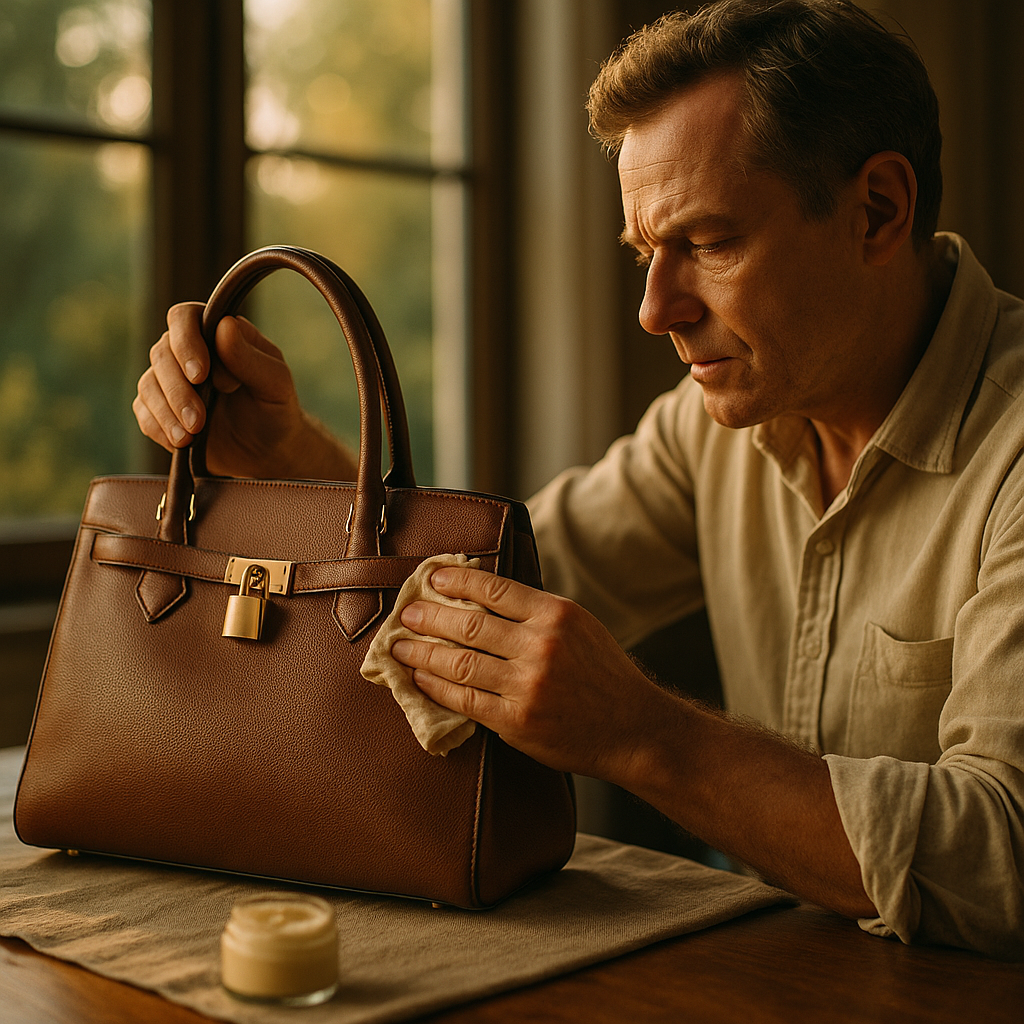
In luxury, ease is not always the goal. The psychology of friction in luxury design explains why deliberate effort, waiting, and complexity can increase desire, signal status, and deepen emotional attachment. When everything becomes instant and effortless, brands that ask more of people often feel more valuable. So why does harder sometimes feel better?
Luxury design psychology: Why effort can increase perceived value
Luxury has always operated by different rules than mass-market design. In most categories, designers remove every obstacle to reduce abandonment and increase speed. That is usually good advice. But luxury design psychology shows that value is not created by convenience alone. In premium contexts, carefully chosen friction can make an object, service, or experience feel rarer, more intentional, and more meaningful.
This is not about making things confusing or frustrating. It is about understanding how people interpret effort. Behavioral science has repeatedly shown that when something requires time, knowledge, patience, or a form of initiation, people often assign it greater worth. The effort becomes part of the product.
Consider the signals luxury buyers look for in 2026. They want craftsmanship, selectivity, human attention, and evidence that not everyone can have the same thing in the same way. If a high-end product is too easy to access, customize, or understand, it can lose some of its symbolic power. Effort acts as proof. It suggests scarce expertise, slower production, tighter curation, or a more demanding standard.
That is why friction can support premium positioning when it is intentional. A handwritten consultation form, a wait for approval, a private fitting, or a members-only preview can all create a sense that the brand is not chasing everyone. It is protecting a standard. Consumers read that restraint as confidence.
From an EEAT perspective, this matters because expertise in luxury design means knowing when not to optimize for speed. Real authority comes from understanding context. What works for a grocery app will not necessarily work for a couture house, a private club, or a high-jewelry brand. Luxury requires a different psychological model.
Perceived value and effort: The behavioral science behind “harder is better”
The idea that effort can enhance value is grounded in well-established psychological mechanisms. One is effort justification. When people invest more energy into obtaining something, they often convince themselves it is more valuable. Another is the IKEA effect, where participation in creation increases attachment. In luxury, the same principle appears in more refined forms: customization, education, waiting, and selective access.
There is also the role of processing fluency. In mainstream digital design, fluent and simple experiences feel trustworthy because they reduce cognitive load. But luxury sometimes benefits from a degree of disfluency. Slight complexity can suggest depth, heritage, and seriousness. If every interaction is too frictionless, consumers may unconsciously read the offer as generic or overly optimized for scale.
Status psychology plays a role too. Luxury products are social signals. Friction can communicate that access is restricted, standards are high, and belonging must be earned. An invitation-only trunk show or a purchase process that requires consultation does more than slow the sale. It tells the buyer they are entering a curated world, not clicking through a commodity checkout flow.
The emotional impact is equally important. Fast purchases can be satisfying, but anticipation often creates stronger memories. Waiting builds narrative tension. Requiring a buyer to choose materials, meet an advisor, or return for a final reveal adds chapters to the experience. Those chapters become part of the story the customer tells themselves and others.
That story matters because luxury is not only functional. It is symbolic, emotional, and identity-based. Buyers want confirmation that their choice reflects taste, discernment, and access to something beyond the ordinary. Friction, when designed well, supports that interpretation.
- Time friction: waitlists, pre-orders, appointment lead times
- Cognitive friction: curated choices, deeper product education, rituals of selection
- Social friction: referrals, invitations, membership screening
- Physical friction: private fittings, in-person consultations, ceremonial packaging
Each type can increase perceived value when it reflects genuine quality or exclusivity. Each can also fail if it feels fake. That distinction is critical.
Exclusive brand experience: How luxury brands use friction without creating frustration
The most successful luxury brands do not add obstacles randomly. They choreograph them. An exclusive brand experience uses friction to shape emotion, expectation, and meaning while still preserving dignity and clarity for the customer.
One common method is controlled access. Not every item is available to every person at every time. Limited releases, private appointments, and selective distribution create scarcity in a way that feels strategic rather than chaotic. The message is subtle but powerful: this brand chooses its moments and its audience carefully.
Another method is ritual. Luxury thrives on sequences that feel deliberate. Think of a concierge email before an appointment, a personal call to discuss preferences, or a slow unveiling of materials and options. These actions add steps, but they do not feel like barriers because each step adds attention. The buyer experiences care, not inconvenience.
Premium hospitality offers a useful example. A top-tier property may not let every transaction happen in two taps because it wants to gather preferences, personalize the stay, and assign a human contact. In a budget context, that would feel inefficient. In luxury, it feels tailored. The friction is justified by the depth of service.
The same is true in digital luxury. A high-end website does not need to copy mass e-commerce patterns exactly. It may reveal inventory selectively, emphasize storytelling over instant conversion, or route certain purchases through advisors. However, it still must remain intelligible. Customers should understand what to do, what happens next, and why the extra step exists.
A good test is simple: does the friction increase meaning, trust, exclusivity, or personalization? If yes, it may strengthen the experience. If it merely slows users down without adding emotional or practical value, it is not luxury. It is bad design.
Brands should also consider audience readiness. Seasoned luxury buyers often expect process and discretion. First-time aspirational buyers may need more explanation. Clear language, visible service standards, and thoughtful onboarding can preserve exclusivity while reducing confusion. In 2026, the strongest luxury experiences are high-touch yet transparent.
Luxury customer behavior: When friction builds desire, trust, and loyalty
Luxury customer behavior is shaped by more than product quality. Buyers are evaluating whether a brand deserves long-term trust and whether it aligns with their identity. Friction can support both goals when it reinforces seriousness, expertise, and commitment.
Desire often grows through distance. If a customer cannot instantly own something, they imagine it more vividly. The product occupies mental space. Anticipation sharpens focus. This is one reason waitlists remain so effective when they are credible. They transform availability into a signal of demand and importance.
Trust grows when friction communicates standards. A rigorous authentication process, a detailed provenance discussion, or a custom design consultation all tell the customer the brand does not cut corners. In categories like watches, fine jewelry, leather goods, interiors, and private travel, that reassurance is essential. A premium buyer wants proof that excellence is being protected at every step.
Loyalty deepens when friction creates investment. If a client has spent time learning a house’s codes, working with an advisor, or co-designing a piece, the relationship becomes more personal. They are less likely to compare the brand on price alone because the value now includes memory, participation, and social meaning.
This is where many brands make a strategic mistake. They assume every friction point reduces conversion. In some cases, that is true. But in luxury, maximizing immediate conversion can weaken long-term brand equity. Removing all effort may drive short-term sales while undermining perceived prestige.
Smart teams measure broader outcomes:
- Average order value, not just checkout completion
- Repeat purchase rate and client retention
- Appointment attendance and advisor engagement
- Waitlist conversion quality
- Brand search lift and direct traffic
- Earned social conversation and referral value
These indicators often reveal whether friction is enhancing desire and loyalty rather than simply slowing users down. Expertise in luxury customer behavior means balancing access with aspiration.
Scarcity marketing in luxury: Designing barriers that feel authentic
Scarcity marketing in luxury works only when the barriers feel real. Consumers are highly alert to artificial tactics. If a brand claims exclusivity while flooding channels, overusing countdowns, or manufacturing fake waitlists, trust erodes fast. Today’s luxury buyer is informed, connected, and skeptical of superficial scarcity.
Authentic friction starts with operational truth. If production is genuinely limited due to craftsmanship, source rarity, or quality control, explain that. If appointments exist to ensure personal service, say so. If a collection is available only through private viewing because the brand wants discretion, frame it clearly. Transparency turns friction into evidence.
Design details matter here. The interface, language, and service behavior must all support the same signal. A minimalist product page with selective information can feel elevated when paired with a responsive advisor and refined follow-up. The same page feels incomplete if support is slow or generic. Luxury friction must be backed by luxury execution.
There is also a cultural dimension. In 2026, affluent consumers increasingly value quiet luxury, discretion, traceability, and true expertise over loud spectacle. That makes subtle forms of friction especially powerful. A brand may choose not to expose every price publicly, not because it is hiding information, but because it is encouraging a considered conversation. In some categories, that still works. In others, it may alienate customers. Context decides.
Use these principles when designing scarcity-led friction:
- Anchor friction in reality: craftsmanship, service depth, or limited capacity
- Explain the value: tell customers what the extra step protects or improves
- Reward the effort: offer personalization, access, expertise, or status in return
- Keep the path clear: never let exclusivity become confusion
- Protect consistency: if the process is premium, every touchpoint must feel premium
When these conditions are met, barriers feel less like obstacles and more like thresholds. Crossing them becomes part of the luxury payoff.
Premium user experience: How to apply friction strategically in 2026
A premium user experience does not mean making everything difficult. It means knowing which moments should be seamless and which should carry weight. The strongest luxury brands reduce friction around anxiety while preserving friction around desire, selectivity, and ritual.
For example, payment security, customer support access, delivery updates, and returns for eligible services should feel dependable and clear. These are not moments where luxury gains from confusion. On the other hand, discovery, consultation, customization, and access can be slower and more ceremonial because these moments define identity and anticipation.
Teams designing luxury experiences in 2026 should ask the following questions:
- What kind of effort would make this product feel more valuable?
- Where does speed help confidence, and where does slowness increase desire?
- Which steps prove expertise or exclusivity?
- How do we explain friction so it feels intentional?
- Are we preserving dignity for the customer at every stage?
Testing matters, but not all testing should focus on faster conversion. Interview loyal customers. Observe how they describe memorable purchases. Ask what made the experience feel premium. Often, the answer is not convenience alone. It is being guided, recognized, and made to wait for something worthy of waiting for.
This is where EEAT becomes especially relevant. Helpful content and strong brand experiences should reflect genuine expertise, not trend-driven guessing. If your brand introduces friction, document the reasoning. Train teams to deliver it consistently. Use customer feedback to distinguish meaningful effort from irritation. Authority in luxury comes from disciplined execution.
The central principle is simple: friction should never be a tax. It should be a signal, a filter, or a ritual. When it performs one of those roles well, harder can indeed be better.
FAQs: The psychology of friction in luxury design
What is friction in luxury design?
Friction in luxury design is any deliberate step that adds effort, time, selectivity, or ceremony to the customer journey. Examples include waitlists, appointments, consultations, limited access, and customization processes. In luxury, these steps can increase perceived value when they feel purposeful and premium.
Why does making something harder increase its value?
People often value things more when they require effort to obtain or understand. This comes from effort justification, anticipation, and status signaling. In luxury, difficulty can imply rarity, craftsmanship, and standards that are not designed for everyone.
Is friction always good for luxury brands?
No. Friction only works when it adds meaning, trust, exclusivity, or personalization. If it creates confusion, delay without benefit, or poor service, it damages the brand. Luxury friction must feel intentional and justified.
What are examples of good friction in premium experiences?
Good friction includes private consultations, made-to-order processes, curated access, invitation-only events, authentication steps, and thoughtful onboarding with an advisor. These steps make the customer feel recognized and reassure them about quality.
What friction should luxury brands remove?
Luxury brands should remove friction that creates anxiety or weakens trust, such as unclear pricing where transparency is expected, difficult support access, unreliable delivery communication, broken booking flows, or complicated payment systems. Friction should elevate desire, not create doubt.
How can digital luxury experiences use friction well?
Digital luxury experiences can use friction through selective product access, guided purchasing, high-touch concierge options, and storytelling-rich pathways. The key is clarity. Customers should always know what the next step is and why it benefits them.
Does friction hurt conversion rates?
It can reduce immediate conversion in some cases, but luxury brands should also measure average order value, retention, appointment quality, and long-term brand equity. The right friction can improve customer quality and loyalty even if it slows some transactions.
How do you know whether friction is authentic?
Authentic friction reflects real constraints or real value, such as craftsmanship time, service depth, quality control, or true scarcity. If the barrier exists only to simulate exclusivity without substance, customers usually recognize it.
Luxury design succeeds when every detail carries meaning. The psychology of friction shows that people do not always want the fastest path. They want proof of value, signs of care, and experiences worth remembering. For premium brands, the takeaway is clear: remove pointless obstacles, but preserve the effort that turns buying into belonging.
Top Influencer Marketing Agencies
The leading agencies shaping influencer marketing in 2026
Agencies ranked by campaign performance, client diversity, platform expertise, proven ROI, industry recognition, and client satisfaction. Assessed through verified case studies, reviews, and industry consultations.
Moburst

-
2

The Shelf
Boutique Beauty & Lifestyle Influencer AgencyA data-driven boutique agency specializing exclusively in beauty, wellness, and lifestyle influencer campaigns on Instagram and TikTok. Best for brands already focused on the beauty/personal care space that need curated, aesthetic-driven content.Clients: Pepsi, The Honest Company, Hims, Elf Cosmetics, Pure LeafVisit The Shelf → -
3

Audiencly
Niche Gaming & Esports Influencer AgencyA specialized agency focused exclusively on gaming and esports creators on YouTube, Twitch, and TikTok. Ideal if your campaign is 100% gaming-focused — from game launches to hardware and esports events.Clients: Epic Games, NordVPN, Ubisoft, Wargaming, Tencent GamesVisit Audiencly → -
4

Viral Nation
Global Influencer Marketing & Talent AgencyA dual talent management and marketing agency with proprietary brand safety tools and a global creator network spanning nano-influencers to celebrities across all major platforms.Clients: Meta, Activision Blizzard, Energizer, Aston Martin, WalmartVisit Viral Nation → -
5

The Influencer Marketing Factory
TikTok, Instagram & YouTube CampaignsA full-service agency with strong TikTok expertise, offering end-to-end campaign management from influencer discovery through performance reporting with a focus on platform-native content.Clients: Google, Snapchat, Universal Music, Bumble, YelpVisit TIMF → -
6

NeoReach
Enterprise Analytics & Influencer CampaignsAn enterprise-focused agency combining managed campaigns with a powerful self-service data platform for influencer search, audience analytics, and attribution modeling.Clients: Amazon, Airbnb, Netflix, Honda, The New York TimesVisit NeoReach → -
7

Ubiquitous
Creator-First Marketing PlatformA tech-driven platform combining self-service tools with managed campaign options, emphasizing speed and scalability for brands managing multiple influencer relationships.Clients: Lyft, Disney, Target, American Eagle, NetflixVisit Ubiquitous → -
8

Obviously
Scalable Enterprise Influencer CampaignsA tech-enabled agency built for high-volume campaigns, coordinating hundreds of creators simultaneously with end-to-end logistics, content rights management, and product seeding.Clients: Google, Ulta Beauty, Converse, AmazonVisit Obviously →