


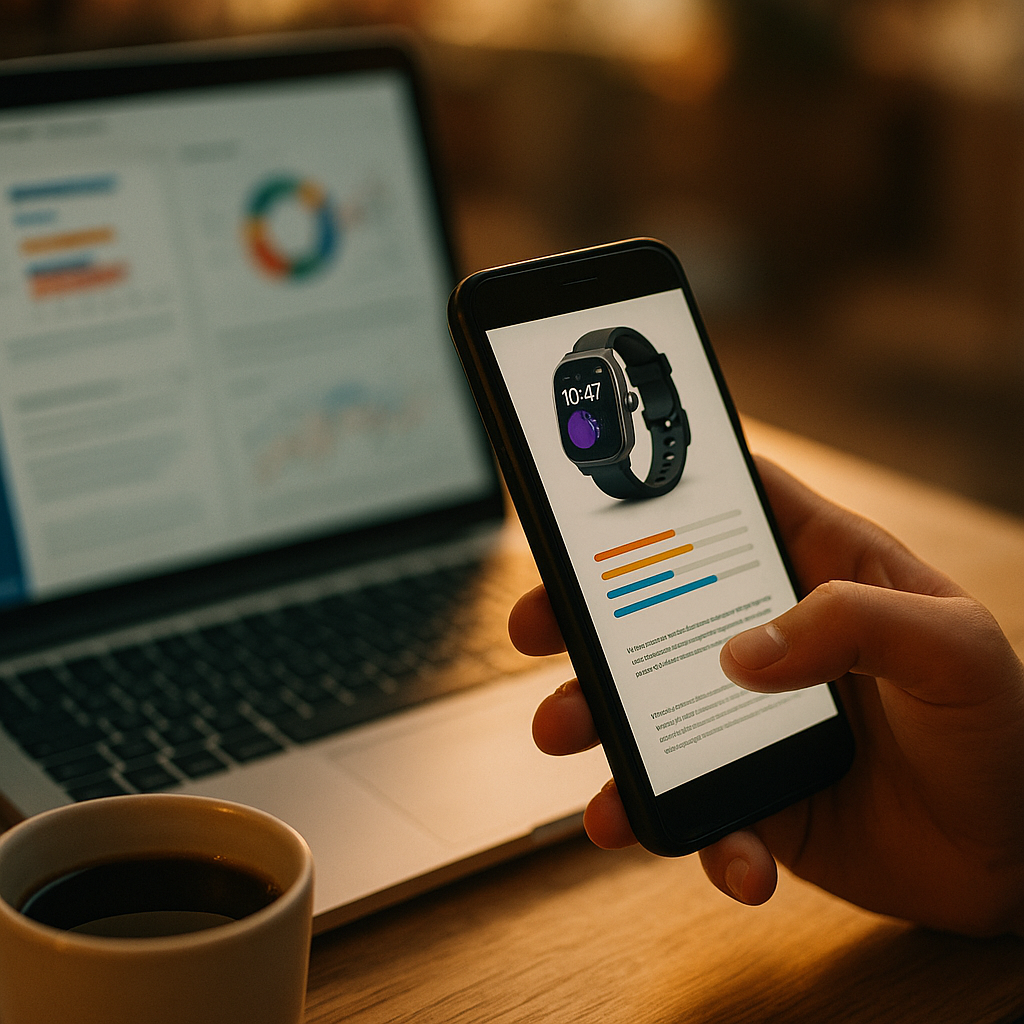
Haptic marketing is moving from novelty to strategic advantage as brands compete for attention in crowded digital spaces. Touch adds feedback, emotion, and memory to content in ways screens alone cannot match. In 2026, the smartest marketers are treating haptics as part of experience design, not a gimmick. So what does the future actually look like?
Why sensory marketing now includes digital touch
Sensory marketing has traditionally focused on sight, sound, scent, and physical product interaction. Digital channels changed that equation by removing touch from many brand experiences. Haptics brings it back. Through vibrations, pressure simulation, texture cues, and responsive feedback, brands can create a more embodied interaction without requiring a physical storefront.
This matters because attention is expensive and memory is fragile. When users feel a confirmation pulse after a purchase, a subtle texture shift in a wearable experience, or a guided vibration during product exploration, they process the moment more deeply. Touch can reinforce meaning, reduce uncertainty, and create emotional resonance.
From an EEAT perspective, marketers should avoid treating haptics as a trend with universal value. Its effectiveness depends on context, hardware support, accessibility, and user intent. A finance app may use haptics to confirm a secure transaction. A fitness brand may use it to coach pace and rhythm. A gaming brand may use it to intensify immersion. The principle is simple: touch should serve the user first and the brand second.
In practice, digital touch is becoming more relevant because consumers already use devices capable of rich feedback, including smartphones, wearables, game controllers, automotive interfaces, and mixed reality hardware. As these ecosystems mature, touch becomes a practical layer of content design rather than an experimental extra.
How interactive content becomes more memorable with haptics
Interactive content performs best when it creates a clear loop between action and response. Haptics strengthens that loop. Instead of relying only on visual cues, brands can pair touch feedback with taps, swipes, gestures, and movement. This gives users immediate confirmation that their action mattered.
Consider how this applies across content types:
- Shoppable content: a soft pulse when users add an item to cart or compare options can improve confidence and reduce hesitation.
- Storytelling experiences: timed haptic responses can add tension, emphasis, or realism in immersive narratives.
- Educational modules: tactile prompts can guide attention during critical steps and improve task completion.
- Product demos: haptics can simulate resistance, impact, or progress to make abstract features feel concrete.
The key is restraint. Overuse makes touch feel noisy and manipulative. Strong haptic content follows a few practical rules:
- Use feedback only when it adds clarity, emotion, or orientation.
- Match intensity to the importance of the action.
- Keep patterns consistent so users learn what signals mean.
- Always provide a settings option or respect system-level preferences.
Marketers often ask whether haptics improves conversion directly. The better question is whether it improves the quality of interaction. Better interaction can support conversion, retention, satisfaction, and recall. But haptics should be measured as part of the whole journey, not isolated from copy, interface, offer, and audience fit.
Where immersive marketing will gain the most from touch integration
Immersive marketing is one of the clearest growth areas for haptic integration. As brands invest in augmented reality, virtual environments, spatial commerce, and connected wearables, touch helps bridge the gap between seeing something and feeling involved in it.
Several categories are especially well positioned:
- Retail and ecommerce: while true material simulation remains limited on standard devices, haptics can still guide fit tools, style quizzes, product personalization flows, and purchase confirmations.
- Automotive: in-car touch feedback can improve safety and reduce visual distraction while also shaping premium brand perception.
- Health and wellness: meditation, habit tracking, physical therapy, and fitness coaching can use rhythmic touch for instruction and motivation.
- Entertainment: trailers, fan experiences, and interactive storytelling can use synchronized haptics to make content more visceral.
- Travel and hospitality: immersive previews and service interactions can use touch cues to make digital planning feel more responsive and reassuring.
The strongest opportunities sit at moments of uncertainty, excitement, or transition. Users benefit when haptics answers questions such as: Did that work? What should I do next? Is this action important? Can I trust this interaction? When touch solves these problems, it supports both usability and brand perception.
Mixed reality will expand these possibilities, but marketers do not need advanced headsets to start. Smartphones and wearables already offer enough capability for meaningful experimentation. The future belongs to brands that design touch patterns with the same care they apply to visual identity and sound design.
What user experience design teams must get right
Haptic marketing succeeds when it is designed as part of user experience design, not added at the end of production. That means collaboration across content strategy, product, engineering, accessibility, legal, and analytics. A beautiful concept fails quickly if it drains battery, frustrates users, or behaves inconsistently across devices.
There are five design priorities every team should address:
- Purpose: define exactly why touch is being used. Is it for guidance, confirmation, urgency, delight, or accessibility support?
- Consistency: establish a haptic pattern library. Similar actions should feel similar across the experience.
- Accessibility: not every user can or wants to rely on touch feedback. Haptics should complement, not replace, visual and audio cues.
- Consent and control: users should be able to reduce, disable, or customize haptic feedback where appropriate.
- Performance: test across devices because feedback quality varies widely by hardware and operating system.
Accessibility deserves special attention. For some users, haptics can improve orientation and confidence. For others, strong or frequent feedback can be distracting or uncomfortable. Helpful content and responsible design require clear alternatives and user agency.
Brands also need to align haptic decisions with tone. A luxury brand may prefer subtle, elegant pulses. A sports brand may use more energetic patterns. A banking app should prioritize reassurance and precision over dramatic effects. The tactile language should feel native to the brand while respecting the user’s task.
One practical approach is to prototype haptics early and test them with real users. Ask focused questions: Did this signal feel helpful or excessive? Did it make the action clearer? Would you want more, less, or different feedback? These insights are more reliable than internal assumptions.
How brand engagement should be measured in a haptic future
As haptic experiences grow, measurement must mature with them. Vanity metrics alone will not show whether touch adds value. A better framework connects tactile interaction to behavioral outcomes and user sentiment.
Relevant metrics may include:
- Task completion rate: do users finish key actions more successfully with haptic guidance?
- Time to confidence: do users move faster because feedback reduces uncertainty?
- Error reduction: do tactile confirmations lower accidental inputs or abandoned flows?
- Engagement depth: do users spend more meaningful time with interactive experiences?
- Retention and repeat use: do haptic features contribute to habit formation or preference?
- Qualitative perception: do users describe the experience as smoother, more intuitive, or more satisfying?
Marketers should also segment results by device type. A haptic pattern that feels refined on a premium phone may feel weak or inconsistent elsewhere. Without segmented analysis, teams can overestimate success or miss hardware-specific issues.
Privacy and ethics matter here as well. If haptic responses are personalized based on behavior or context, brands must be transparent about data use. Responsible measurement means collecting only what is necessary and communicating clearly with users.
The most credible teams combine A/B testing with moderated user research. Numbers can show whether a flow improved. Interviews can explain why. This combination reflects EEAT best practices because it grounds recommendations in evidence and practical observation rather than hype.
Why content strategy needs a tactile layer in 2026
Content strategy is no longer only about words, visuals, and distribution. In 2026, it also includes how content feels in motion and interaction. That does not mean every brand needs elaborate haptic storytelling. It means teams should evaluate whether touch can improve high-value moments in the customer journey.
Start by mapping intent. Identify where users need reassurance, immersion, instruction, or emotional emphasis. Then decide whether haptics can support that need better than visuals or audio alone. This keeps the strategy useful and prevents pointless implementation.
A practical roadmap looks like this:
- Audit current journeys: find moments where users hesitate, abandon, or misinterpret actions.
- Prioritize use cases: focus first on onboarding, purchase flow, guided interactions, and premium brand moments.
- Build tactile guidelines: define intensity, frequency, tone, and accessibility rules.
- Prototype on real devices: desktop mockups are not enough for touch-first experiences.
- Test and refine: compare outcomes with and without haptic support.
- Scale selectively: expand only where evidence shows user benefit.
Content leaders should also prepare for cross-channel consistency. If a campaign spans mobile, wearable, vehicle, and spatial environments, touch patterns should feel related even if the hardware differs. This is where tactile identity begins to matter. Just as users recognize a visual style or audio cue, they may increasingly recognize a brand by how its interactions feel.
The future of haptic marketing is not about replacing strong writing, design, or storytelling. It is about extending them into a fuller experience. Brands that understand this will create content that feels clearer, more human, and more memorable.
FAQs about haptic marketing
What is haptic marketing?
Haptic marketing uses touch-based feedback such as vibrations, pulses, and tactile responses to enhance digital brand experiences. It helps users feel actions, transitions, and content moments instead of only seeing or hearing them.
Why is haptic marketing becoming more important in 2026?
Consumers use more devices that support tactile feedback, including smartphones, wearables, vehicles, and mixed reality hardware. As digital competition increases, touch gives brands a practical way to improve clarity, immersion, and memory.
Does haptic marketing improve conversions?
It can support conversion when it reduces friction, confirms actions, and improves confidence. However, results depend on the use case, audience, and execution. Haptics works best as part of a strong overall experience rather than a standalone tactic.
Which industries benefit most from haptic content?
Retail, automotive, health, fitness, entertainment, travel, and financial services all have strong use cases. Any industry with guided tasks, emotional storytelling, or high-stakes actions can benefit from thoughtful touch integration.
Is haptic marketing accessible?
It can support accessibility, but it should never be the only signal. Brands should pair haptic feedback with visual and audio cues, respect device settings, and allow users to control or disable tactile responses.
What are the risks of using haptics poorly?
Overuse can annoy users, drain battery life, feel manipulative, or create inconsistency across devices. Poor design can also exclude users if haptics replaces other forms of feedback instead of complementing them.
How should brands start with haptic marketing?
Begin with one or two high-value moments, such as onboarding, purchase confirmation, or guided interaction. Test on real devices, gather user feedback, measure impact, and expand only when the experience clearly improves.
Will haptics become a standard part of content strategy?
For many brands, yes. As touch-enabled devices become more integrated into daily life, haptics will increasingly sit alongside visual, audio, and motion design as a core experience layer.
The future of haptic marketing is practical, not speculative. Brands that use touch to guide, reassure, and deepen interaction will stand out more effectively than those chasing novelty. The takeaway is clear: integrate haptics where it improves the user journey, measure it carefully, and treat tactile feedback as a strategic part of content design.
Top Influencer Marketing Agencies
The leading agencies shaping influencer marketing in 2026
Agencies ranked by campaign performance, client diversity, platform expertise, proven ROI, industry recognition, and client satisfaction. Assessed through verified case studies, reviews, and industry consultations.
Moburst

-
2

The Shelf
Boutique Beauty & Lifestyle Influencer AgencyA data-driven boutique agency specializing exclusively in beauty, wellness, and lifestyle influencer campaigns on Instagram and TikTok. Best for brands already focused on the beauty/personal care space that need curated, aesthetic-driven content.Clients: Pepsi, The Honest Company, Hims, Elf Cosmetics, Pure LeafVisit The Shelf → -
3

Audiencly
Niche Gaming & Esports Influencer AgencyA specialized agency focused exclusively on gaming and esports creators on YouTube, Twitch, and TikTok. Ideal if your campaign is 100% gaming-focused — from game launches to hardware and esports events.Clients: Epic Games, NordVPN, Ubisoft, Wargaming, Tencent GamesVisit Audiencly → -
4

Viral Nation
Global Influencer Marketing & Talent AgencyA dual talent management and marketing agency with proprietary brand safety tools and a global creator network spanning nano-influencers to celebrities across all major platforms.Clients: Meta, Activision Blizzard, Energizer, Aston Martin, WalmartVisit Viral Nation → -
5

The Influencer Marketing Factory
TikTok, Instagram & YouTube CampaignsA full-service agency with strong TikTok expertise, offering end-to-end campaign management from influencer discovery through performance reporting with a focus on platform-native content.Clients: Google, Snapchat, Universal Music, Bumble, YelpVisit TIMF → -
6

NeoReach
Enterprise Analytics & Influencer CampaignsAn enterprise-focused agency combining managed campaigns with a powerful self-service data platform for influencer search, audience analytics, and attribution modeling.Clients: Amazon, Airbnb, Netflix, Honda, The New York TimesVisit NeoReach → -
7

Ubiquitous
Creator-First Marketing PlatformA tech-driven platform combining self-service tools with managed campaign options, emphasizing speed and scalability for brands managing multiple influencer relationships.Clients: Lyft, Disney, Target, American Eagle, NetflixVisit Ubiquitous → -
8

Obviously
Scalable Enterprise Influencer CampaignsA tech-enabled agency built for high-volume campaigns, coordinating hundreds of creators simultaneously with end-to-end logistics, content rights management, and product seeding.Clients: Google, Ulta Beauty, Converse, AmazonVisit Obviously →