


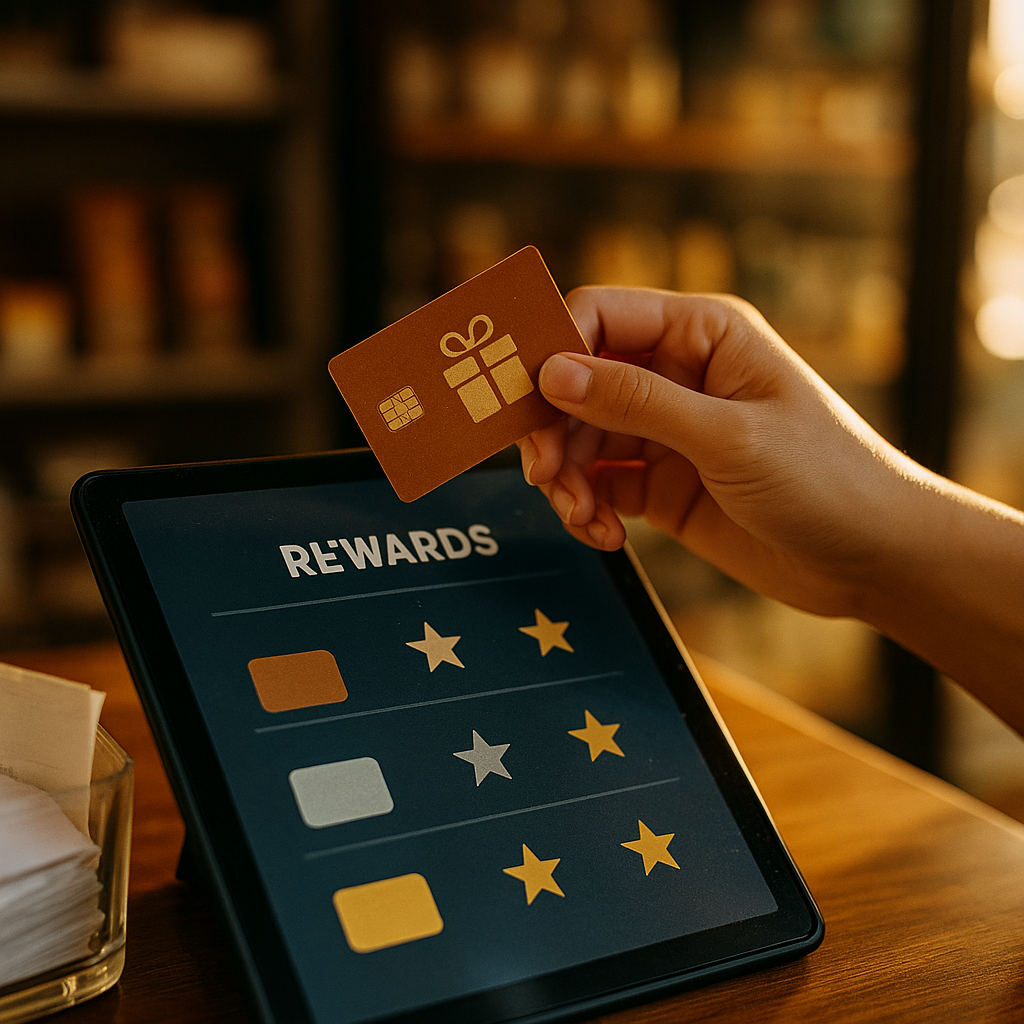
Building a durable loyalty program in 2026 requires more than points and discounts. A strong strategy for scaling inchstone loyalty and intermediate reward tiers helps brands keep momentum between major milestones, reduce customer drop-off, and increase repeat purchases. The real advantage comes from designing tiers that feel achievable, valuable, and measurable. Here is how to build that system well.
Customer retention strategy: why intermediate tiers matter
Many loyalty programs fail in the middle. Customers join, make early progress, and then stall before reaching a meaningful reward. That gap is where engagement drops and churn rises. Intermediate reward tiers solve this problem by creating smaller, motivating milestones between entry-level participation and top-tier status.
In practice, inchstone loyalty means rewarding steady progress rather than waiting for one large threshold. Instead of asking a customer to spend a large amount before seeing real value, brands can introduce staged wins such as early-access perks, bonus point multipliers, free shipping unlocks, exclusive content, or personalized offers. These benefits create momentum.
From an experience perspective, intermediate tiers work because they align with how people actually behave. Most buyers do not transform into highly loyal customers overnight. They become more loyal through repeated positive interactions. When a program recognizes this journey with visible progress and relevant rewards, customers have a reason to keep going.
For marketers and loyalty leaders, the business case is clear:
- Higher repeat purchase rates because customers see a near-term payoff
- Lower churn between first and fifth purchase, which is often the most fragile phase
- Better data collection as members engage more often across channels
- Improved lifetime value through habit formation and stronger brand preference
The central goal is not simply to add more tiers. It is to create a progression model that removes friction, supports motivation, and delivers value before customers lose interest.
Loyalty program design: structuring inchstone rewards for growth
A scalable loyalty framework starts with the right architecture. Intermediate tiers should feel easy to understand, realistic to reach, and worthwhile to maintain. If the rules are confusing or the rewards feel weak, more tiers will only add complexity.
Start by mapping your current customer journey. Identify where engagement slows down. For many brands, the biggest drop occurs after sign-up, after the first purchase, or just before a higher-value threshold. These are ideal places to insert inchstone rewards.
Use these design principles:
- Set short-distance milestones. Early tiers should be reachable within one to three purchase cycles, not months of effort.
- Match rewards to customer intent. Frequent buyers may value convenience perks, while occasional buyers may respond better to targeted discounts or bonus earning periods.
- Make progress visible. Customers should always know how close they are to the next tier and what they will receive.
- Protect margin intelligently. Not every reward needs to be a discount. Priority support, access, status, and exclusivity can deliver strong perceived value at lower cost.
- Keep top tiers aspirational. Intermediate rewards should motivate advancement, not eliminate interest in premium status.
A common and effective model includes three to five total stages: a base tier, one or two intermediate tiers, and a premium tier. That structure balances simplicity and progression. Too few levels leave gaps. Too many levels dilute meaning.
Brands should also define whether movement through tiers is based on spend, frequency, actions, engagement, or a blended score. In 2026, blended models are often more effective because they capture modern customer value beyond transactions alone. Reviews, referrals, app usage, subscriptions, social sharing, and profile completion can all support progression when aligned to business goals.
Most importantly, every tier should answer one question clearly: Why should the customer care right now? If that answer is weak, the tier is not doing its job.
Reward tier optimization: choosing benefits that drive action
The best intermediate rewards do not just look appealing on paper. They change behavior. To optimize reward tiers, focus on benefits that encourage the next desired action while still feeling meaningful to the customer.
That starts with segmentation. A one-size-fits-all reward catalog rarely performs well at scale. Different customer groups respond to different triggers:
- New customers often need quick wins and simple incentives
- Repeat purchasers respond to accelerated earning and convenience
- High-intent browsers may convert with category-specific offers
- Lapsed members often need reactivation bonuses tied to urgency
Strong intermediate rewards often include:
- Bonus points after a second or third purchase
- Free shipping thresholds linked to tier advancement
- Birthday and anniversary perks
- Priority access to launches or limited inventory
- Early sale entry
- Personalized product bundles or recommendations
- Member-only customer service or concierge support
Be careful with over-discounting. Constant discounts can train customers to wait and can weaken brand perception. A better approach is to combine monetary and non-monetary rewards. This keeps costs manageable and preserves long-term value.
Optimization also depends on timing. Deliver rewards close to the action you want to reinforce. If a customer is one step away from an intermediate tier, send a clear progress reminder. If they have just unlocked a tier, immediately showcase the benefits and suggest the next action. Delayed communication reduces the emotional impact of the achievement.
Another important consideration is expiration and maintenance logic. If tier benefits vanish too quickly, customers can feel punished. If status lasts too long with no activity requirement, motivation drops. The right model depends on purchase frequency, category norms, and customer economics, but the rules must be transparent and fair.
Personalization at scale: using data to improve loyalty tiers
Scaling inchstone loyalty successfully requires data discipline. Without accurate customer insight, intermediate tiers become generic and underperform. With the right data strategy, brands can personalize rewards, predict drop-off, and improve tier movement across the lifecycle.
Begin with first-party data. In 2026, this is the foundation of effective loyalty operations. Track behavior across owned channels such as site, app, email, SMS, customer service, and purchase history. Then connect those signals to loyalty actions.
Useful data inputs include:
- Recency: how recently a customer purchased or engaged
- Frequency: how often they transact or interact
- Monetary value: total and average spend
- Category preference: where interest is concentrated
- Channel preference: app, web, email, SMS, retail, or social
- Promotion sensitivity: discount-driven or value-driven behavior
These signals support practical loyalty decisions. For example, if customers in a certain category tend to stall after their second purchase, an intermediate reward can be introduced precisely at that point. If app users show higher repeat rates, app-exclusive inchstone perks may be justified. If high-value customers ignore generic point offers, access-based benefits may work better.
Personalization at scale does not mean creating a unique program for every user. It means using a consistent structure with flexible triggers, messages, and benefit emphasis. This protects operational simplicity while increasing relevance.
Trust matters here. EEAT principles apply strongly to loyalty programs because customers are sharing data and making repeat decisions based on promised value. Brands should clearly explain how points are earned, how status is calculated, what data supports personalization, and what happens if terms change. Transparency builds confidence and reduces support issues.
Teams should also involve cross-functional expertise. Loyalty managers, CRM teams, product owners, analysts, finance, and customer support all influence whether intermediate tiers feel seamless or frustrating. Programs scale better when they are designed with operational reality in mind, not only marketing ambition.
Performance measurement: KPIs for intermediate reward tiers
You cannot scale what you do not measure. Intermediate reward tiers should be evaluated with a balanced set of customer, financial, and operational metrics. Focusing only on enrollment or redemption can produce a misleading picture.
Key metrics to track include:
- Tier progression rate: the percentage of members moving from one level to the next
- Time to next milestone: how quickly members advance after joining or after a purchase
- Repeat purchase rate: especially between early and intermediate tiers
- Redemption rate by tier: whether benefits are actually used
- Incremental revenue: lift associated with tier movement and reward exposure
- Retention and churn rate: whether intermediate rewards reduce inactivity
- Cost per retained member: how much the program spends to maintain engagement
- Customer lifetime value by tier: whether higher progression correlates with stronger economics
When reviewing performance, compare customers exposed to an intermediate tier path against similar customers who were not exposed to it. This helps isolate incremental impact. A/B testing remains essential. Test milestone distance, reward type, communication timing, and qualification criteria.
Qualitative insight matters too. Read customer support tickets, app reviews, survey feedback, and social comments. If members repeatedly ask how a tier works or complain that rewards feel unreachable, the issue may be design clarity rather than reward value.
Another measurement best practice is to monitor breakage carefully. Low redemption may appear financially efficient, but it can signal poor relevance or weak visibility. A healthy loyalty program balances reward usage with sustainable unit economics. If no one uses a perk, it is not creating loyalty.
Lifecycle marketing strategy: how to scale without adding complexity
The biggest challenge in scaling intermediate reward tiers is operational sprawl. As more tiers, segments, triggers, and channels are added, programs can become hard to manage. The answer is not to simplify until value disappears. It is to build a system that scales cleanly.
Use a lifecycle framework with defined stages such as join, activate, progress, retain, recover, and elevate. Then align inchstone rewards to these stages. This creates structure and helps teams understand which rewards support which business outcomes.
To scale effectively:
- Standardize core logic. Keep qualification rules consistent wherever possible.
- Automate milestone messaging. Trigger communications based on behavior and progress, not manual campaign calendars.
- Use modular rewards. Build a controlled set of benefits that can be reused across segments.
- Prioritize mobile visibility. Customers should be able to check status and benefits instantly.
- Train support teams. If customer-facing teams cannot explain the program quickly, friction will increase.
- Review quarterly. Update thresholds, messaging, and offers based on real performance data.
Brands should also plan for governance. Who approves new rewards? Who monitors costs? Who owns data quality? Who evaluates legal and compliance implications? A loyalty program is not just a campaign. It is an ongoing growth system, and it needs clear ownership.
Finally, avoid building intermediate tiers only because competitors have them. The most effective programs reflect a brand’s actual buying cycle, margin structure, product experience, and customer motivations. What works for subscription brands may not fit retail. What works for high-frequency commerce may fail in longer consideration categories.
Scaling succeeds when the program feels simple to the customer and disciplined behind the scenes.
FAQs: inchstone loyalty and intermediate reward tiers
What is inchstone loyalty?
Inchstone loyalty is a loyalty strategy that rewards customers through smaller, progressive milestones rather than relying only on major reward thresholds. It helps keep members engaged by making progress feel visible and achievable.
Why are intermediate reward tiers important?
They reduce drop-off between entry-level participation and premium status. Intermediate tiers create momentum, reward consistent behavior, and give customers a reason to continue engaging before they reach a major milestone.
How many loyalty tiers should a brand have?
Most brands perform well with three to five stages, including one or two intermediate tiers. The right number depends on purchase frequency, customer behavior, and how much differentiation each tier can offer without creating confusion.
What rewards work best in intermediate tiers?
Effective rewards include bonus points, free shipping, early access, exclusive products, personalized offers, and service perks. The best mix depends on what motivates your customers and what supports margin.
Should tier progression be based only on spend?
No. In 2026, many brands use blended models that also reward engagement actions such as app usage, referrals, reviews, or subscriptions. This better reflects customer value across the full relationship.
How do you measure whether intermediate tiers are working?
Track tier progression, repeat purchase rate, redemption rate, retention, incremental revenue, and lifetime value by tier. Use testing to compare performance across different reward structures and communication strategies.
Can too many tiers hurt a loyalty program?
Yes. Too many tiers can create confusion, weaken perceived value, and increase operational complexity. Each tier should have a clear purpose, meaningful benefits, and a logical place in the customer journey.
How often should a loyalty program be updated?
Review performance quarterly and make changes when data shows friction, declining engagement, or changing customer behavior. Major structural changes should be communicated clearly to preserve trust.
A successful inchstone loyalty program turns progress into a reason to stay engaged. The right intermediate reward tiers shorten the distance between effort and value, helping customers move forward without friction. Focus on clear milestones, relevant benefits, transparent rules, and measurable outcomes. When tiers are designed around customer behavior and business economics, loyalty becomes easier to scale and sustain.
Top Influencer Marketing Agencies
The leading agencies shaping influencer marketing in 2026
Agencies ranked by campaign performance, client diversity, platform expertise, proven ROI, industry recognition, and client satisfaction. Assessed through verified case studies, reviews, and industry consultations.
Moburst

-
2

The Shelf
Boutique Beauty & Lifestyle Influencer AgencyA data-driven boutique agency specializing exclusively in beauty, wellness, and lifestyle influencer campaigns on Instagram and TikTok. Best for brands already focused on the beauty/personal care space that need curated, aesthetic-driven content.Clients: Pepsi, The Honest Company, Hims, Elf Cosmetics, Pure LeafVisit The Shelf → -
3

Audiencly
Niche Gaming & Esports Influencer AgencyA specialized agency focused exclusively on gaming and esports creators on YouTube, Twitch, and TikTok. Ideal if your campaign is 100% gaming-focused — from game launches to hardware and esports events.Clients: Epic Games, NordVPN, Ubisoft, Wargaming, Tencent GamesVisit Audiencly → -
4

Viral Nation
Global Influencer Marketing & Talent AgencyA dual talent management and marketing agency with proprietary brand safety tools and a global creator network spanning nano-influencers to celebrities across all major platforms.Clients: Meta, Activision Blizzard, Energizer, Aston Martin, WalmartVisit Viral Nation → -
5

The Influencer Marketing Factory
TikTok, Instagram & YouTube CampaignsA full-service agency with strong TikTok expertise, offering end-to-end campaign management from influencer discovery through performance reporting with a focus on platform-native content.Clients: Google, Snapchat, Universal Music, Bumble, YelpVisit TIMF → -
6

NeoReach
Enterprise Analytics & Influencer CampaignsAn enterprise-focused agency combining managed campaigns with a powerful self-service data platform for influencer search, audience analytics, and attribution modeling.Clients: Amazon, Airbnb, Netflix, Honda, The New York TimesVisit NeoReach → -
7

Ubiquitous
Creator-First Marketing PlatformA tech-driven platform combining self-service tools with managed campaign options, emphasizing speed and scalability for brands managing multiple influencer relationships.Clients: Lyft, Disney, Target, American Eagle, NetflixVisit Ubiquitous → -
8

Obviously
Scalable Enterprise Influencer CampaignsA tech-enabled agency built for high-volume campaigns, coordinating hundreds of creators simultaneously with end-to-end logistics, content rights management, and product seeding.Clients: Google, Ulta Beauty, Converse, AmazonVisit Obviously →