


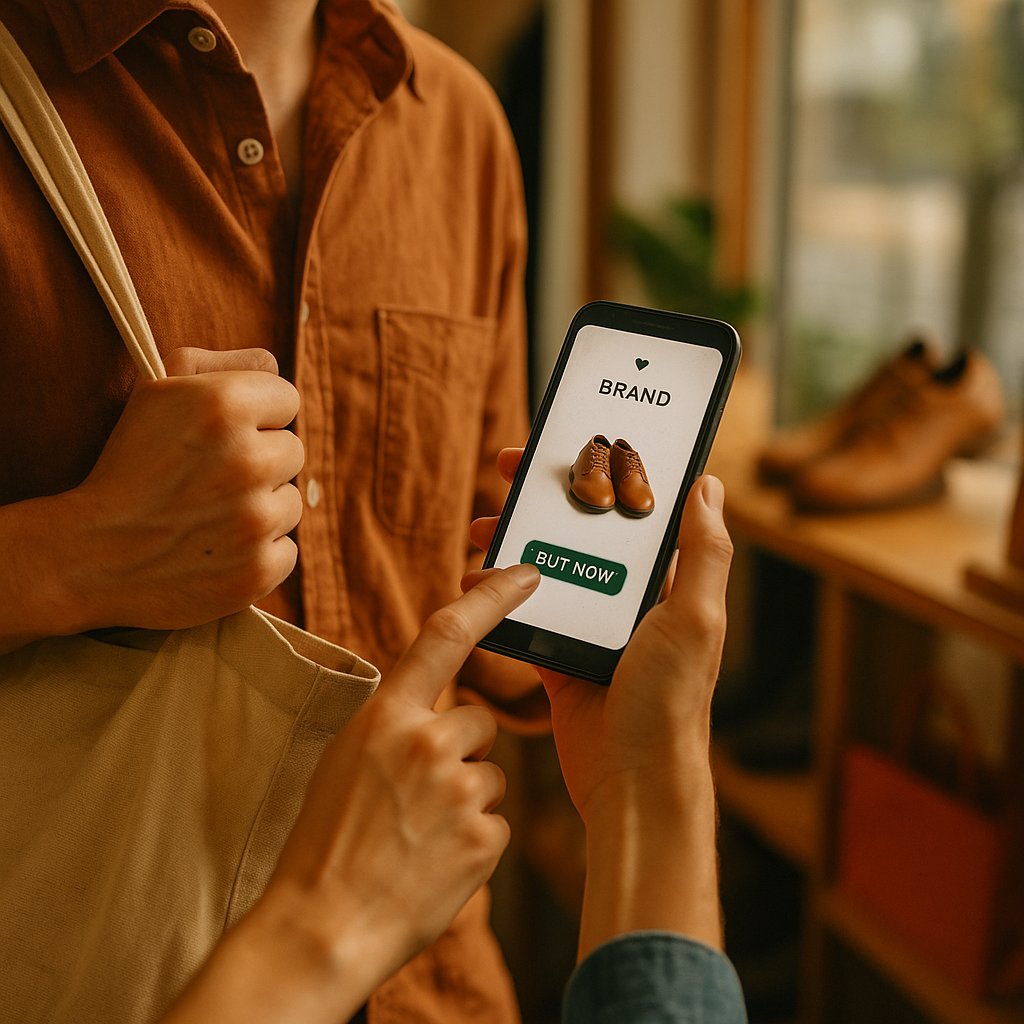
Meaning first consumerism is reshaping how people discover, evaluate, and stay loyal to brands in 2026. Consumers are moving past empty buzz, artificial scarcity, and trend-chasing campaigns that once drove quick attention. They now want proof, values, utility, and relevance. For companies, this is not a passing mood but a structural shift in buying behavior. What does that change demand?
Why Meaning-Driven Brands Are Winning Trust
The decline of hype did not happen overnight. It emerged from years of overstimulation, inflated promises, and a digital marketplace crowded with products that looked exciting at launch but failed in everyday use. Consumers have become more skilled at identifying when marketing is louder than substance. In response, meaning-driven brands are earning attention by being clear about what they offer, why it matters, and who it serves.
This shift is tied to trust. People now research brands across multiple touchpoints before buying. They read product reviews, examine return policies, compare community sentiment, and look for evidence of consistency. A flashy campaign may still spark initial awareness, but it rarely sustains loyalty without real value behind it.
Meaning-driven brands typically share several traits:
- Clear purpose: They can explain their role in a customer’s life without vague language.
- Functional relevance: Their product or service solves a real problem or improves an existing experience.
- Operational honesty: They do not promise what they cannot deliver.
- Consistent behavior: Their actions, messaging, pricing, and customer experience align.
This does not mean every brand needs a grand social mission. Meaning can be practical. A household product that lasts longer, a subscription with transparent pricing, or a fashion label that explains sourcing clearly can all create meaning. The common thread is that consumers feel respected rather than manipulated.
Brands that understand this are shifting their focus from engineered excitement to durable trust. That trust now acts as a more valuable growth asset than short-term hype spikes.
Consumer Behavior Trends Behind the Decline of Hype
Several consumer behavior trends explain why hype is losing power. First, buyers are more information-rich than ever. Search results, social commentary, customer-generated content, and comparison tools make it difficult for weak products to hide behind branding alone. When product claims do not match lived experience, the gap is visible quickly.
Second, audiences are showing signs of promotional fatigue. Limited drops, countdown timers, influencer overload, and exaggerated positioning no longer feel novel. In many categories, they create skepticism. Consumers ask simple questions: Is this useful? Is it worth the price? Will I still care after the campaign ends?
Third, economic pressure has sharpened decision-making. Even affluent buyers are more selective. They want purchases to reflect identity, values, and utility at the same time. This is one reason durability, repairability, quality assurance, and transparent ingredients or sourcing are getting more attention.
Fourth, people increasingly define status differently. Instead of signaling participation in the latest hype cycle, many now value informed choices. They want to be seen as intentional, not impulsive. That has created room for quieter brands that communicate expertise, design quality, and long-term usefulness.
For marketers and business leaders, the takeaway is straightforward: attention is still important, but attention without credibility converts poorly and erodes faster. In 2026, the strongest brands understand that discovery is only the beginning. The real competitive edge comes from what happens after awareness, when consumers verify whether the promise means anything in practice.
Brand Authenticity in 2026: What Customers Actually Expect
Brand authenticity is often discussed loosely, but customers are defining it in concrete terms. They do not simply want brands to sound human or publish emotional messaging. They want evidence. Authenticity now depends on whether a company can back up its claims across operations, communication, and customer support.
That includes practical questions such as:
- Can the brand explain how the product is made?
- Does pricing feel transparent and justified?
- Are customer complaints handled fairly?
- Do partnerships and creators reflect the brand’s stated values?
- Is the brand consistent when no campaign is running?
Consumers also expect specificity. Broad statements about sustainability, ethics, innovation, or community no longer carry much weight on their own. Buyers want detail. If a brand says it is more sustainable, they expect clear standards, realistic limitations, and measurable progress. If it claims superior quality, they want proof through materials, testing, warranty terms, or user outcomes.
Authenticity also requires restraint. Not every trend needs a brand response. Not every social issue is a fit for public positioning. In many cases, customers trust companies more when they speak only where they have legitimacy and expertise. Overreaching can feel opportunistic, which pushes brands back into the hype trap they are trying to escape.
This is where EEAT matters. Helpful content in 2026 should demonstrate experience, expertise, authority, and trustworthiness. Brands can reflect this by publishing informed product guidance, transparent policies, knowledgeable founder or team perspectives, and accurate educational content that helps customers make better decisions. The goal is not to dominate every conversation. It is to become reliably useful in the conversations that matter most to your audience.
How Value-Based Purchasing Is Changing Product and Marketing Strategy
Value-based purchasing is changing more than consumer messaging. It is forcing companies to rethink product design, pricing, retention, and communication. If consumers care more about meaning, then meaning must be built into the business, not added in a campaign.
On the product side, companies are investing more in longevity, usability, service quality, and clarity. Hidden fees, confusing features, and overcomplicated bundles now create friction that undermines trust. Brands that simplify the purchase journey and make value easy to understand are gaining an advantage.
On the marketing side, the shift is equally significant. Teams are moving from inflated claims toward evidence-led storytelling. That means:
- Showing the product in real use cases rather than stylized abstraction
- Using customer education to answer objections before they block conversion
- Highlighting proof points such as product testing, expert validation, or verified reviews
- Creating post-purchase content that helps customers get more value after buying
This approach often improves performance because it reduces buyer uncertainty. It also strengthens retention, since customers who understand the product are more likely to use it successfully and recommend it.
Another key change is how brands measure success. Vanity metrics tied to hype, such as spikes in impressions without downstream impact, are becoming less useful on their own. Smart teams are prioritizing metrics linked to sustainable growth: repeat purchase rate, subscription retention, customer satisfaction, branded search growth, review quality, and referral behavior.
In other words, value-based purchasing is teaching companies to market the way they should have been operating all along: with clarity, accountability, and a deep understanding of why customers choose them.
Building Long-Term Customer Loyalty Without Manufactured Buzz
Customer loyalty in 2026 is less about rewards mechanics alone and more about relationship quality. Discounts and points still matter in some sectors, but they are no substitute for trust, usefulness, and emotional fit. When consumers choose meaning over hype, loyalty becomes harder to fake and easier to lose.
To build long-term loyalty, brands need to perform in four areas.
First, deliver reliably. A brand cannot create loyalty if its core experience is inconsistent. Shipping, support, product quality, and communication all shape whether customers return.
Second, respect the customer’s intelligence. Avoid manipulative urgency, misleading pricing structures, and inflated claims. Consumers remember when a company made them work too hard to understand an offer.
Third, create relevance over time. Follow-up emails, educational content, product updates, care instructions, and thoughtful service can extend the value of a purchase. This is especially important in categories where repeat usage drives retention.
Fourth, listen visibly. Customers want to know that feedback leads to improvement. Brands that respond to criticism constructively and evolve based on real customer needs earn stronger loyalty than those that remain defensive.
Community also matters, but only when it grows naturally from a product or shared interest. A forced brand community built around slogans rarely lasts. A useful one, where customers exchange advice, showcase results, or help shape the roadmap, can become a powerful loyalty engine.
For many businesses, the most important shift is internal. Loyalty is no longer owned only by the marketing team. It is a cross-functional outcome shaped by operations, product, customer care, and leadership. If a company wants consumers to believe it stands for something meaningful, every department must reinforce that claim.
The Future of Ethical Consumer Trends and Sustainable Brand Growth
Ethical consumer trends are broadening beyond traditional labels. Consumers still care about environmental and social responsibility, but they are also evaluating ethics through privacy, labor practices, accessibility, truthful advertising, AI transparency, and responsible data use. This wider lens makes meaning first consumerism more demanding and more durable.
For brands, sustainable growth now depends on integrating ethics into decision-making rather than isolating it in a purpose statement. Customers can usually tell the difference. If a company talks about responsibility but relies on deceptive UX patterns, poor support systems, or weak quality control, credibility breaks down quickly.
The strongest brands in this environment share a disciplined approach:
- They define the value they create in practical terms.
- They prove claims with accessible evidence.
- They communicate tradeoffs honestly instead of pretending perfection.
- They prioritize long-term reputation over short-lived attention.
- They treat customer trust as a measurable business asset.
Many leaders now ask whether hype is gone for good. The better question is whether hype still works the way it once did. It can still amplify launches or cultural moments, but it is no longer a dependable foundation for growth. Without substance, hype decays fast. Meaning, by contrast, compounds. It deepens loyalty, increases referrals, and gives customers a reason to stay when the market gets crowded.
That is why the rise of meaning first consumerism matters beyond marketing. It signals a broader shift in market expectations. Consumers are not rejecting excitement. They are rejecting emptiness. Brands that understand the difference will be better positioned to grow with credibility in 2026 and beyond.
FAQs About Meaning First Consumerism and the Decline of Hype
What is meaning first consumerism?
It is a buying mindset in which consumers prioritize relevance, values, usefulness, quality, and trust over trend-driven excitement or superficial branding. People want products and brands to have clear purpose and real-world value.
Why is hype losing effectiveness with consumers?
Consumers have more information, more choices, and more experience spotting exaggerated claims. Economic pressure, review culture, and digital fatigue have also made people more selective. Hype may attract attention, but it often fails to create trust or repeat purchases.
Does this trend affect luxury and premium brands too?
Yes. Premium buyers still respond to aspiration, but they also expect craftsmanship, provenance, service quality, and credibility. In higher-priced categories especially, customers want stronger justification for what they pay.
How can a brand become more meaning-driven?
Start by clarifying the real value your product delivers. Then align messaging, customer experience, pricing, and proof points around that value. Remove vague claims, strengthen transparency, and make sure operations support what marketing promises.
Is purpose marketing the same as meaning first consumerism?
No. Purpose marketing usually focuses on communicating a brand mission. Meaning first consumerism is broader. It includes mission, but also product utility, service quality, ethical behavior, and customer trust.
What metrics show whether a brand is succeeding in this shift?
Look at repeat purchase rate, retention, refund rate, customer satisfaction, review sentiment, referral activity, and branded search growth. These indicators reveal whether consumers see lasting value beyond initial awareness.
Can brands still use trend-based campaigns?
Yes, but trends should support a credible value proposition rather than replace it. A campaign can create momentum, but it should lead customers toward a product experience that feels useful, honest, and worth returning to.
Meaning first consumerism marks a decisive move away from empty attention tactics and toward brands that earn trust through relevance, proof, and consistency. Consumers still enjoy discovery, but they increasingly reward substance over spectacle. For companies, the clear takeaway is simple: build real value, communicate it honestly, and let credibility do the work that hype no longer can.
Top Influencer Marketing Agencies
The leading agencies shaping influencer marketing in 2026
Agencies ranked by campaign performance, client diversity, platform expertise, proven ROI, industry recognition, and client satisfaction. Assessed through verified case studies, reviews, and industry consultations.
Moburst

-
2

The Shelf
Boutique Beauty & Lifestyle Influencer AgencyA data-driven boutique agency specializing exclusively in beauty, wellness, and lifestyle influencer campaigns on Instagram and TikTok. Best for brands already focused on the beauty/personal care space that need curated, aesthetic-driven content.Clients: Pepsi, The Honest Company, Hims, Elf Cosmetics, Pure LeafVisit The Shelf → -
3

Audiencly
Niche Gaming & Esports Influencer AgencyA specialized agency focused exclusively on gaming and esports creators on YouTube, Twitch, and TikTok. Ideal if your campaign is 100% gaming-focused — from game launches to hardware and esports events.Clients: Epic Games, NordVPN, Ubisoft, Wargaming, Tencent GamesVisit Audiencly → -
4

Viral Nation
Global Influencer Marketing & Talent AgencyA dual talent management and marketing agency with proprietary brand safety tools and a global creator network spanning nano-influencers to celebrities across all major platforms.Clients: Meta, Activision Blizzard, Energizer, Aston Martin, WalmartVisit Viral Nation → -
5

The Influencer Marketing Factory
TikTok, Instagram & YouTube CampaignsA full-service agency with strong TikTok expertise, offering end-to-end campaign management from influencer discovery through performance reporting with a focus on platform-native content.Clients: Google, Snapchat, Universal Music, Bumble, YelpVisit TIMF → -
6

NeoReach
Enterprise Analytics & Influencer CampaignsAn enterprise-focused agency combining managed campaigns with a powerful self-service data platform for influencer search, audience analytics, and attribution modeling.Clients: Amazon, Airbnb, Netflix, Honda, The New York TimesVisit NeoReach → -
7

Ubiquitous
Creator-First Marketing PlatformA tech-driven platform combining self-service tools with managed campaign options, emphasizing speed and scalability for brands managing multiple influencer relationships.Clients: Lyft, Disney, Target, American Eagle, NetflixVisit Ubiquitous → -
8

Obviously
Scalable Enterprise Influencer CampaignsA tech-enabled agency built for high-volume campaigns, coordinating hundreds of creators simultaneously with end-to-end logistics, content rights management, and product seeding.Clients: Google, Ulta Beauty, Converse, AmazonVisit Obviously →