


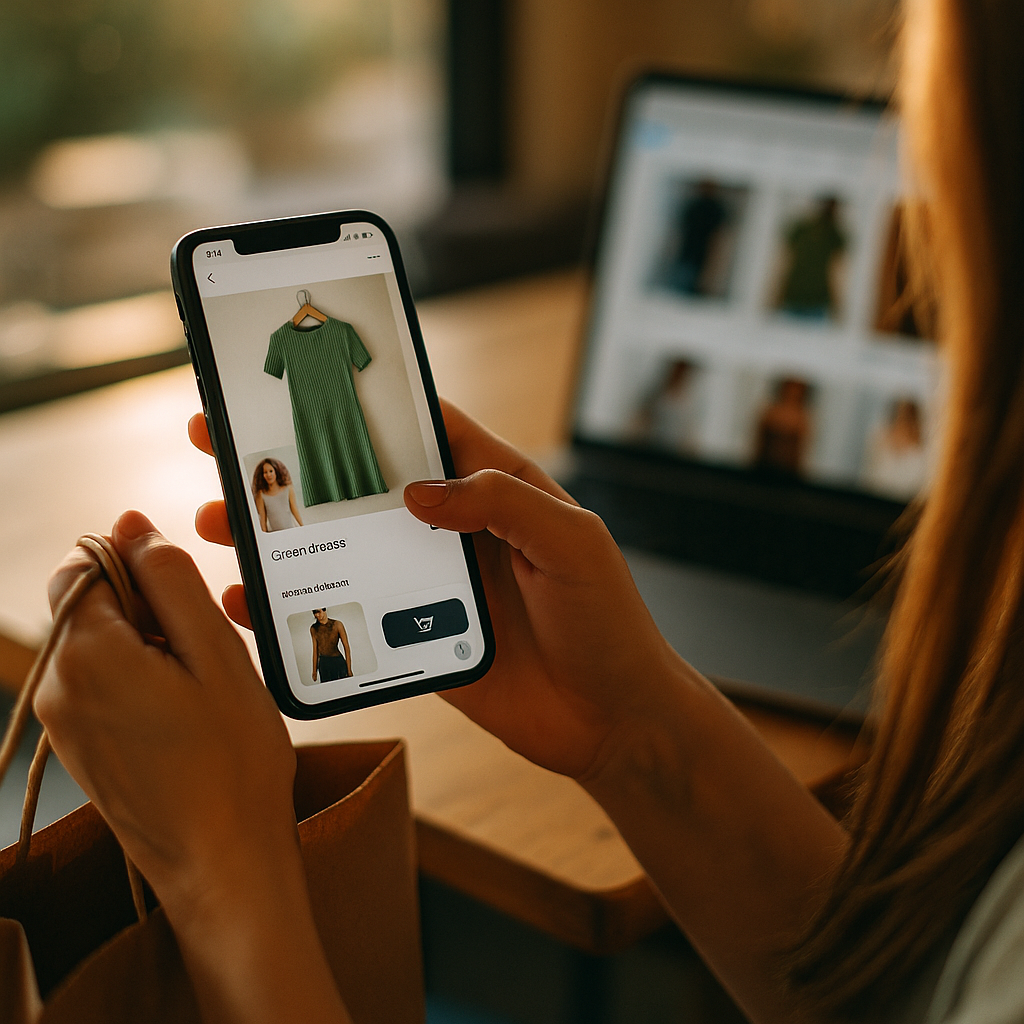
Social commerce has moved far beyond product inspiration. In 2026, consumers expect to discover, evaluate, and purchase without leaving their favorite platforms. This shift has transformed The Evolution of Social Commerce from Discovery to Full In App Buy into a core strategy for brands seeking lower friction, higher conversion, and stronger customer relationships. What changed, and what comes next?
Social commerce discovery: how product finding became algorithm driven
Social commerce began as a discovery engine. Users scrolled through posts, watched creators, and saved products they might buy later on a brand website or marketplace. That behavior still matters, but discovery is now more intelligent, more personalized, and far more commercial than it was in earlier stages of social media.
Today, recommendation systems analyze viewing time, engagement signals, search behavior, shopping intent, and even content format preferences. A user who lingers on skincare reviews or watches multiple sneaker unboxings will quickly see more products aligned with that interest. This algorithmic precision has changed the top of the funnel. Discovery is no longer broad exposure. It is curated intent building.
For brands, this creates both opportunity and responsibility. Opportunity comes from reaching high-intent audiences without relying only on search engines or paid media outside social apps. Responsibility comes from producing content that earns attention rather than interrupts it.
Helpful discovery content usually includes:
- Short product demos that show real use cases
- Creator reviews with clear pros, cons, and fit
- Before and after content for beauty, home, or wellness categories
- Comparison posts that answer practical purchase questions
- User-generated content that adds authenticity and social proof
Consumers now expect social platforms to help them narrow choices, not just spark interest. That means brands need content mapped to actual buyer questions: Is this worth the price? How does sizing run? Does it solve the problem better than alternatives? Discovery works best when it reduces uncertainty from the first impression.
In-app shopping experience: why convenience now shapes conversion
The biggest turning point in social commerce has been the rise of the in-app shopping experience. Instead of clicking out to a browser, waiting for a landing page to load, and completing multiple steps, users can often browse products, read reviews, select variants, and check out inside the platform.
This matters because every extra step reduces conversion. Friction is expensive. When social platforms compress the path from discovery to purchase, impulse buying becomes easier and considered purchases become smoother.
Modern in-app buying typically includes:
- Native product catalogs synced with inventory and pricing
- Product tagging inside videos, livestreams, and static posts
- Integrated checkout with saved shipping and payment details
- Real-time availability to avoid post-click disappointment
- Order tracking and messaging without leaving the app
From a customer experience standpoint, the appeal is obvious. The user stays in a familiar interface, moves faster, and feels less cognitive load. From a business standpoint, native buying creates cleaner attribution, stronger retargeting opportunities, and richer first-party behavioral data within platform ecosystems.
Still, not every product category converts equally well through instant checkout. Lower-cost, visually driven, trend-sensitive products tend to perform best. Higher-consideration categories can also succeed, but they need stronger education, clearer trust signals, and often more time through retargeting or creator-led explanation.
Brands that win with in-app shopping design for momentum. They reduce decision fatigue, simplify variant selection, and make pricing, shipping, returns, and support easy to understand at the point of purchase.
Creator commerce trends: trust became the real storefront
One of the most important creator commerce trends is that influence now extends beyond awareness into direct sales. Creators are not simply promoting products. They are acting as trusted filters, product educators, and often the final reason a shopper decides to buy.
This reflects a basic truth about online buying behavior: people trust people more than polished ads. A creator who demonstrates a product in a realistic context can answer objections before they block conversion. If the creator has credibility with a niche audience, that trust often transfers to the brand.
Not all creator partnerships are equally effective. Reach matters, but alignment matters more. A smaller creator with high audience trust and category expertise can outperform a larger personality with weaker relevance. In 2026, sophisticated brands evaluate creator partnerships across several dimensions:
- Audience fit by demographics, interests, and purchase behavior
- Content quality focused on usefulness, not only aesthetics
- Engagement depth such as saves, comments, and meaningful replies
- Conversion evidence through tracked sales or platform commerce data
- Brand safety and consistency over time
The most effective creator content does not sound scripted. It feels informed, specific, and honest. Audiences respond better when creators explain who a product is for, who it is not for, and why they genuinely use it. That style aligns with EEAT principles because it demonstrates experience and practical expertise rather than surface-level promotion.
Livestream shopping also plays a growing role here. It combines urgency, demonstration, and real-time Q&A. When viewers can ask about fit, durability, ingredients, or setup during a live session, barriers fall quickly. For brands, livestreams also reveal what customers really care about, which can improve product pages and future content.
Social commerce conversion strategy: what moves users from interest to checkout
A strong social commerce conversion strategy connects content, product data, trust signals, and checkout design. Many brands generate views but underperform on sales because they treat social commerce as a media channel rather than a shopping environment.
To improve conversion, brands should focus on the full decision journey:
- Capture attention fast
Creative needs to communicate the value proposition within seconds. On social platforms, users decide quickly whether to stop scrolling. Show the product in action early.
- Answer the key buying question
Every category has one main objection. For apparel it may be sizing. For beauty it may be skin compatibility. For gadgets it may be setup difficulty. Build content around that question.
- Add proof at the point of decision
Ratings, reviews, creator testimonials, customer clips, and return policies all reduce perceived risk.
- Simplify the product page
Clear imagery, concise descriptions, visible delivery details, and transparent pricing support faster decisions.
- Retarget with relevance
If someone viewed but did not buy, retarget based on their behavior. Show the exact product, a useful review, or a limited-time incentive rather than a generic ad.
Brands also need to watch operational basics. If stock data is wrong, shipping is slow, or returns are hard, social commerce performance declines no matter how strong creative appears. Helpful content cannot compensate for broken post-purchase experience.
Measurement has matured as well. Rather than focusing only on likes or impressions, leading teams track metrics tied to business outcomes:
- View-to-product-click rate
- Add-to-cart rate inside platform flows
- Checkout completion rate
- Creator-specific conversion efficiency
- Repeat purchase and customer lifetime value
This shift from vanity metrics to commercial metrics is one reason social commerce now holds a larger share of digital commerce strategy. It is measurable, testable, and increasingly integrated with broader performance marketing.
Platform shopping features: how social networks became transaction ecosystems
The expansion of platform shopping features has turned social networks into transaction ecosystems. Product tags, shoppable videos, native storefronts, AI-assisted recommendations, live shopping, customer messaging, loyalty prompts, and embedded payment options now work together to keep users inside a closed commerce loop.
This evolution reflects competition between platforms. Each wants to reduce user drop-off and capture more of the transaction value. As a result, brands benefit from richer commerce tools, but they must also adapt to different platform strengths.
While features vary, a few patterns are clear in 2026:
- Short-form video drives first-touch discovery
- Livestream and creator content support mid-funnel evaluation
- Native product pages and checkout close lower-friction purchases
- Messaging and service tools improve post-purchase confidence
AI is also influencing the experience. Platforms increasingly personalize product ranking, auto-generate shopping collections, and surface likely next purchases based on user behavior. For consumers, that can feel efficient. For brands, it means product feed quality is now strategic. Bad titles, weak images, poor categorization, or incomplete specifications can reduce visibility and conversion.
Privacy expectations are shaping platform development too. Users want personalized shopping experiences, but they also want transparency. Brands should clearly communicate shipping terms, subscription details, sponsored content disclosures, and data handling where relevant. Trust is not a soft factor in social commerce. It is part of performance.
Future of social commerce: what brands must do to stay competitive
The future of social commerce is not just about adding buy buttons to content. It is about building seamless, trustworthy, content-led shopping journeys that meet consumers where they already spend time. The brands that lead will behave less like advertisers and more like responsive retailers inside platform environments.
Several priorities stand out for the next phase:
- Invest in content that sells by helping
Useful content outperforms generic promotion. Demonstrations, comparisons, FAQs, and transparent reviews support both trust and conversion.
- Build creator systems, not one-off campaigns
Longer-term creator relationships produce more authentic content and more reliable performance insights.
- Align operations with social demand
Inventory, fulfillment, customer support, and returns need to work smoothly when traffic spikes from viral or creator-led moments.
- Test by platform behavior
What works in one app may fail in another. Creative, product selection, and checkout flow should reflect how users behave on each platform.
- Use first-party and platform data responsibly
The best programs learn from behavior without becoming intrusive or confusing.
Brands should also prepare for deeper blending of entertainment, community, and commerce. Shopping is becoming more participatory. Users expect to comment, ask, compare, share, and buy in one continuous flow. That means the line between content strategy and commerce strategy is effectively gone.
For smaller brands, this is not bad news. Social commerce can lower barriers to entry because strong storytelling and smart creator alignment can outperform larger budgets. For enterprise brands, the challenge is coordination. Teams managing media, social, e-commerce, creators, and customer experience need shared goals and unified reporting.
The winners in 2026 are not the brands with the most content. They are the ones with the clearest path from trust to transaction.
FAQs about social commerce and in-app buying
What is social commerce?
Social commerce is the process of discovering, evaluating, and buying products directly through social media platforms. It goes beyond advertising because the transaction can happen inside the app instead of on an external website.
What does full in-app buy mean?
Full in-app buy means a user can complete the entire shopping journey within a social platform, including product discovery, product selection, payment, and sometimes order tracking or customer support.
Why has social commerce grown so quickly?
It has grown because it reduces friction. Users can buy without leaving the app, creators make products easier to trust, and platforms now offer better shopping tools, payment options, and personalization.
Which products work best for social commerce?
Products with strong visual appeal, clear use cases, and moderate price points often perform best. Fashion, beauty, accessories, home products, and wellness items are common examples, though higher-consideration products can also succeed with the right educational content.
How do creators influence in-app purchases?
Creators build trust, demonstrate products in realistic settings, and answer objections that stop people from buying. Their content often acts as both proof and education, especially when audiences view them as credible in a specific niche.
Is social commerce only for large brands?
No. Smaller brands can compete effectively by focusing on authentic content, strong community engagement, and partnerships with relevant creators. Social commerce often rewards relevance and trust more than pure scale.
What are the biggest challenges with social commerce?
Common challenges include maintaining accurate inventory, measuring performance across platforms, creating enough high-quality content, managing creator partnerships, and delivering a strong post-purchase experience.
How can brands improve social commerce conversion rates?
They can improve conversions by showing products in action quickly, answering likely buyer questions, using clear trust signals, simplifying checkout, and retargeting users with relevant content based on behavior.
Social commerce has evolved from a discovery channel into a complete purchase environment. In 2026, success depends on reducing friction, building trust through useful content, and using platform-native tools to guide users from interest to checkout. Brands that treat social platforms as full shopping ecosystems, not just media channels, will earn stronger conversions and longer-term customer value.
Top Influencer Marketing Agencies
The leading agencies shaping influencer marketing in 2026
Agencies ranked by campaign performance, client diversity, platform expertise, proven ROI, industry recognition, and client satisfaction. Assessed through verified case studies, reviews, and industry consultations.
Moburst

-
2

The Shelf
Boutique Beauty & Lifestyle Influencer AgencyA data-driven boutique agency specializing exclusively in beauty, wellness, and lifestyle influencer campaigns on Instagram and TikTok. Best for brands already focused on the beauty/personal care space that need curated, aesthetic-driven content.Clients: Pepsi, The Honest Company, Hims, Elf Cosmetics, Pure LeafVisit The Shelf → -
3

Audiencly
Niche Gaming & Esports Influencer AgencyA specialized agency focused exclusively on gaming and esports creators on YouTube, Twitch, and TikTok. Ideal if your campaign is 100% gaming-focused — from game launches to hardware and esports events.Clients: Epic Games, NordVPN, Ubisoft, Wargaming, Tencent GamesVisit Audiencly → -
4

Viral Nation
Global Influencer Marketing & Talent AgencyA dual talent management and marketing agency with proprietary brand safety tools and a global creator network spanning nano-influencers to celebrities across all major platforms.Clients: Meta, Activision Blizzard, Energizer, Aston Martin, WalmartVisit Viral Nation → -
5

The Influencer Marketing Factory
TikTok, Instagram & YouTube CampaignsA full-service agency with strong TikTok expertise, offering end-to-end campaign management from influencer discovery through performance reporting with a focus on platform-native content.Clients: Google, Snapchat, Universal Music, Bumble, YelpVisit TIMF → -
6

NeoReach
Enterprise Analytics & Influencer CampaignsAn enterprise-focused agency combining managed campaigns with a powerful self-service data platform for influencer search, audience analytics, and attribution modeling.Clients: Amazon, Airbnb, Netflix, Honda, The New York TimesVisit NeoReach → -
7

Ubiquitous
Creator-First Marketing PlatformA tech-driven platform combining self-service tools with managed campaign options, emphasizing speed and scalability for brands managing multiple influencer relationships.Clients: Lyft, Disney, Target, American Eagle, NetflixVisit Ubiquitous → -
8

Obviously
Scalable Enterprise Influencer CampaignsA tech-enabled agency built for high-volume campaigns, coordinating hundreds of creators simultaneously with end-to-end logistics, content rights management, and product seeding.Clients: Google, Ulta Beauty, Converse, AmazonVisit Obviously →