


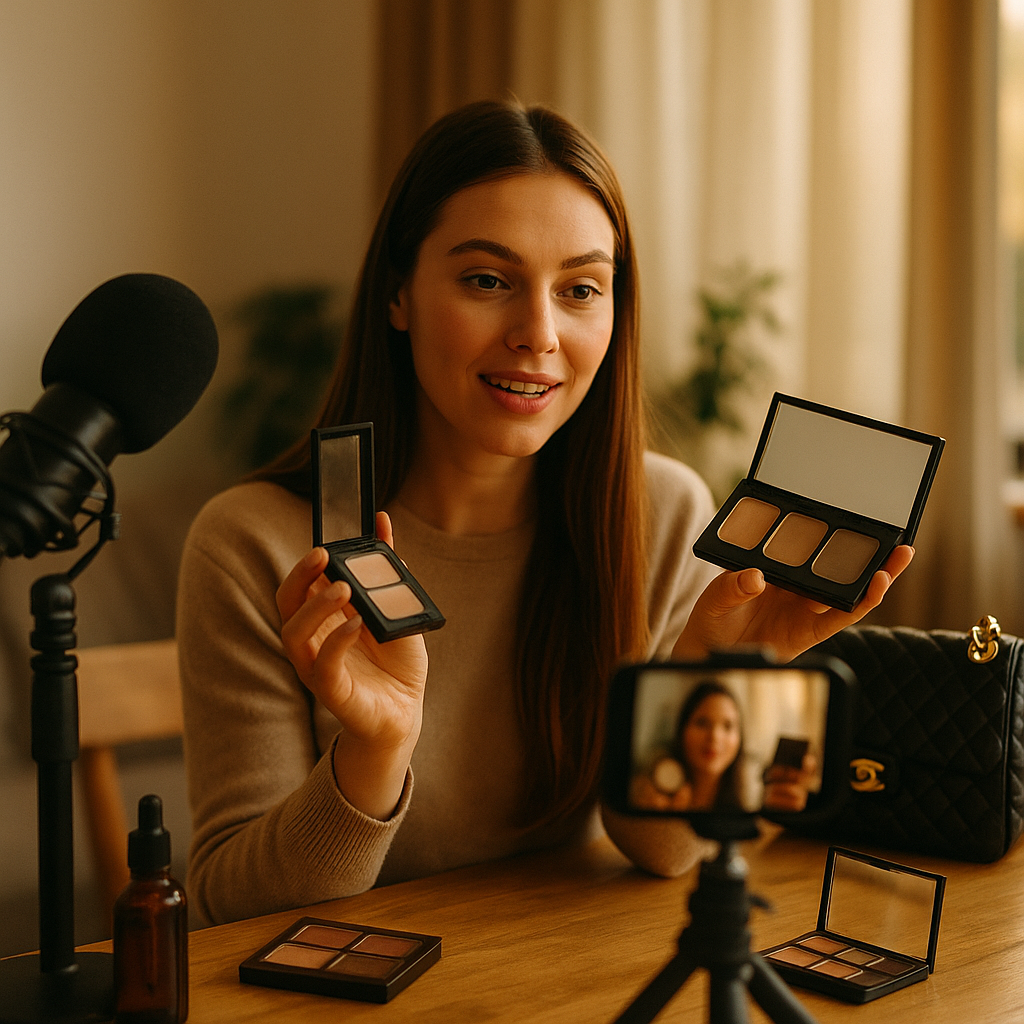
When Your Customer’s Favorite Creator Just Recommended a Cheaper Version of Your Product
Roughly 35% of Gen Z shoppers say they’ve purchased a product specifically because a creator recommended a dupe — a cheaper, often unbranded alternative to a premium item. That number has climbed steadily as the dupe-fluencer phenomenon moves from TikTok subculture to mainstream purchase behavior. If your brand is in fashion, beauty, or consumer goods, this isn’t a fringe problem. It’s a strategic one.
What “Dupe Culture” Actually Is — and Isn’t
Let’s be precise. A dupe-fluencer isn’t just a deal-seeker. These are creators with highly engaged audiences who have built trust on a specific value proposition: I will tell you when the expensive version isn’t worth it. That’s a meaningful editorial position. It’s also a direct competitive threat to premium and mid-market brands who’ve spent years building perceived value through aspirational influencer content.
What it isn’t is a legal or ethical monolith. Some dupe content promotes outright counterfeits — trademark-infringing products that trade on a brand’s exact logo or trade dress. That’s enforceable. Most dupe content, however, promotes legally distinct products that simply perform a similar function at a lower price. The creator recommending a $12 blush “that looks just like” your $38 blush isn’t violating any law. They’re just doing comparison shopping content, and their audience loves them for it.
This distinction matters enormously for how brands should respond.
The Reflex Response Doesn’t Work
When dupe content targets a specific brand, the instinctive response is either to ignore it or to send a legal letter. Both are usually wrong.
Ignoring sustained dupe content about your product category concedes the value conversation entirely. If a creator with 800K followers posts monthly “dupes for [Brand X]” content and your brand never engages, you’re letting a competitor narrative compound unchallenged. That content is being indexed, saved, and shared — and it’s shaping purchase decisions.
The legal route is worse in most cases. Nothing amplifies dupe content faster than a brand attempting to silence a creator. The FTC’s framework on endorsements doesn’t protect brands from honest comparative opinion. Sending cease-and-desist letters to creators making legally non-infringing comparisons will generate backlash coverage, which will perform far better algorithmically than the original dupe video ever did.
Brands that treat dupe-fluencer content as purely a threat — rather than as a market signal — consistently misallocate both legal budgets and creative energy. The smarter read is that your product’s perceived value gap has become public knowledge. That’s information worth acting on.
What actually moves the needle is a more nuanced response strategy — one that segments between true counterfeits and comparison content, addresses underlying value perception, and identifies which dupe-fluencers are actually worth partnering with.
Reading the Creator Before You Write the Brief
Not every dupe-fluencer is a natural brand partner. Some have built their entire identity around rejecting branded content — their credibility depends on being seen as above sponsorships. Approaching them for a paid deal will be rejected or, worse, mocked publicly.
But many dupe-creators operate in a more nuanced space. They recommend dupes when genuine value exists, and they recommend premium products when the premium is justified. These creators are doing product curation, not ideological anti-consumption content. And they tend to be extraordinarily influential precisely because their endorsements are earned.
The key diagnostic questions before reaching out:
- Has this creator ever recommended a premium product? If yes, under what conditions?
- What is their comment section saying about brand partnership posts? Positive, skeptical, or hostile?
- Do they disclose brand deals consistently? (This is non-negotiable — FTC guidelines apply, and a creator who hides sponsorships is a liability.)
- What’s their conversion track record? Micro-creators often outperform on actual purchase intent metrics, and many dupe-fluencers are in the mid-tier range where trust is highest.
The answer to those questions should determine whether you’re looking at a partnership candidate or simply a market signal to file and monitor.
The Transparency-First Partnership Model
Here’s where the real strategic opportunity lives. A growing number of brands — particularly in skincare and accessible fashion — are experimenting with what could be called transparency-first partnerships: structured deals where the creator retains the right to make honest comparative claims, including cases where they’d previously recommended a cheaper alternative.
This is a different contractual structure than a standard sponsorship. Standard influencer contracts often include exclusivity clauses, approval rights over scripts, and restrictions on mentioning competitors. Transparency-first deals typically feature:
- Editorial integrity clauses — the creator can express genuine opinions, including acknowledging when your product has a cheaper functional equivalent
- Value justification briefs — instead of “say these three talking points,” the brief explains why the premium price exists (materials, sourcing, formulation, sustainability) and lets the creator decide what resonates
- Performance gates instead of script approval — the brand reviews content for accuracy and FTC compliance, not for messaging tone
- Long-form partnership structures rather than one-off posts, which let credibility build over time
The risk for brands is real: you’re giving up message control. The payoff is also real: the creator’s existing audience trusts them specifically because they don’t sound like a brand. When that creator says “I’ve been skeptical about [Brand X], but after actually using it here’s what changed my mind” — that’s conversion content that no scripted campaign can replicate.
Think carefully about how these deals are structured and compensated. Flat-fee arrangements may not capture the upside of genuinely viral authentic content; performance-linked structures tend to align incentives better for both sides.
Budget and Platform Allocation
Responding to dupe-fluencer pressure isn’t just a creative challenge — it’s a budget reallocation decision. Brands that are overweight on aspirational macro-influencer content and underweight on trust-based, comparison-friendly creator content are structurally exposed.
TikTok remains the dominant surface for dupe content. Your TikTok comment presence matters as much as your content strategy here — brands that engage authentically in comment threads under comparison content (without being defensive) consistently outperform those that stay silent. YouTube, particularly long-form product review content, is where dupe comparisons compound over time because of search discoverability. A three-year-old “dupe for [Brand X]” video can still be driving traffic today.
The broader resource question: how much of your creator budget should shift toward relationship-building with mid-tier, trust-signal creators versus continuing to fund one-off macro posts? The IAB’s data on UGC ad spend growth suggests the market is moving toward authentic, creator-driven content at scale — and the brands that build infrastructure for it now will have a structural advantage.
The dupe-fluencer phenomenon is ultimately a proxy measure for perceived value gaps. Brands that close those gaps through product transparency, honest creator partnerships, and genuine community engagement will convert the loudest critics into the most credible advocates.
Consider also whether your micro-community strategy is equipped to handle comparison content at the community level. Dedicated brand communities — whether on Reddit, Discord, or owned platforms — are increasingly where dupe debates play out after the initial viral moment. Having a brand presence there, with someone empowered to give honest answers about product value, is underrated as a conversion tool.
What Compliance Teams Need to Know
Any transparency-first partnership involving comparative claims needs legal review before launch. The FTC’s endorsement guidelines require clear disclosure, but they also place responsibility on brands for claims made by creators in paid arrangements. If your creator partner makes a comparative claim in a sponsored post — even a positive one — and that claim is inaccurate or misleading, the brand shares liability exposure.
Build a verification step into the content review process specifically for comparative claims. This protects the brand, maintains the creator’s credibility, and ensures the partnership can survive scrutiny. Also review platform-specific disclosure rules: Meta’s branded content policies and TikTok’s requirements differ in important ways that affect how the deal gets tagged and surfaced algorithmically.
Document everything. The due diligence record for a transparency-first partnership is more complex than a standard sponsored post, and your legal team will want clear evidence that accuracy claims were verified.
The Concrete Next Step
Audit your current creator roster for any partners who have also posted dupe content — about you or your competitors. That list is your starting point for a transparency-first pilot. Brief two or three of them with a value justification document rather than a script, structure the deal with performance incentives, and measure the conversion delta against your standard sponsored content. The results will tell you exactly how much earned trust is worth.
Frequently Asked Questions
What is a dupe-fluencer and why does it matter for brand strategy?
A dupe-fluencer is a content creator who regularly recommends cheaper alternatives — “dupes” — to premium branded products. This matters for brand strategy because their content directly challenges perceived value, reaches highly engaged audiences, and can systematically redirect purchase intent away from premium brands. Unlike one-off negative reviews, dupe content tends to be evergreen, search-discoverable, and trusted precisely because it positions the creator as a consumer advocate rather than a brand mouthpiece.
Can brands legally stop creators from recommending dupes of their products?
In most cases, no. Creators recommending functionally similar products at lower price points are typically protected under free speech and fair use principles, provided they are not reproducing trademarked logos or trade dress in a way that implies a direct counterfeit. Brands do have legal recourse against actual counterfeit promotion, but attempting to silence creators making honest comparative claims usually backfires reputationally. Legal review should focus on genuine trademark and trade dress infringement, not on suppressing legitimate comparison content.
What does a transparency-first influencer partnership actually look like in practice?
A transparency-first partnership replaces message-controlled scripts with value justification briefs — documents that explain why the premium price is warranted (sourcing, formulation, sustainability, performance data) and let the creator determine what resonates authentically with their audience. Contracts typically include editorial integrity clauses, FTC-compliant disclosure requirements, accuracy review processes for comparative claims, and performance-linked compensation rather than flat fees. The brand retains the right to review content for factual accuracy but not to control editorial tone or suppress unflattering honest opinions.
Which platforms are most important for managing dupe-fluencer content?
TikTok is the primary surface where dupe content originates and spreads virally, making both creator partnerships and comment-section engagement critical there. YouTube is the more durable threat because dupe comparison videos are highly search-discoverable and can drive purchase-intent traffic for years. Reddit and Discord communities are where dupe debates often continue after the initial viral moment, making brand presence in those spaces increasingly valuable for conversion recovery.
How should brands measure the ROI of a transparency-first creator partnership?
Standard brand lift metrics — aided awareness, purchase intent, net promoter sentiment — apply, but the most telling indicator is conversion rate delta versus scripted sponsored content. Brands running transparency-first pilots should track direct attribution (affiliate links, discount codes), secondary search lift for branded terms in the week after content publishes, and comment sentiment analysis as a leading indicator of trust transfer. Comparing CPA across transparency-first deals versus traditional sponsorships over a 90-day window provides a defensible ROI case for scaling the model.
Top Influencer Marketing Agencies
The leading agencies shaping influencer marketing in 2026
Agencies ranked by campaign performance, client diversity, platform expertise, proven ROI, industry recognition, and client satisfaction. Assessed through verified case studies, reviews, and industry consultations.
Moburst

-
2

The Shelf
Boutique Beauty & Lifestyle Influencer AgencyA data-driven boutique agency specializing exclusively in beauty, wellness, and lifestyle influencer campaigns on Instagram and TikTok. Best for brands already focused on the beauty/personal care space that need curated, aesthetic-driven content.Clients: Pepsi, The Honest Company, Hims, Elf Cosmetics, Pure LeafVisit The Shelf → -
3

Audiencly
Niche Gaming & Esports Influencer AgencyA specialized agency focused exclusively on gaming and esports creators on YouTube, Twitch, and TikTok. Ideal if your campaign is 100% gaming-focused — from game launches to hardware and esports events.Clients: Epic Games, NordVPN, Ubisoft, Wargaming, Tencent GamesVisit Audiencly → -
4

Viral Nation
Global Influencer Marketing & Talent AgencyA dual talent management and marketing agency with proprietary brand safety tools and a global creator network spanning nano-influencers to celebrities across all major platforms.Clients: Meta, Activision Blizzard, Energizer, Aston Martin, WalmartVisit Viral Nation → -
5

The Influencer Marketing Factory
TikTok, Instagram & YouTube CampaignsA full-service agency with strong TikTok expertise, offering end-to-end campaign management from influencer discovery through performance reporting with a focus on platform-native content.Clients: Google, Snapchat, Universal Music, Bumble, YelpVisit TIMF → -
6

NeoReach
Enterprise Analytics & Influencer CampaignsAn enterprise-focused agency combining managed campaigns with a powerful self-service data platform for influencer search, audience analytics, and attribution modeling.Clients: Amazon, Airbnb, Netflix, Honda, The New York TimesVisit NeoReach → -
7

Ubiquitous
Creator-First Marketing PlatformA tech-driven platform combining self-service tools with managed campaign options, emphasizing speed and scalability for brands managing multiple influencer relationships.Clients: Lyft, Disney, Target, American Eagle, NetflixVisit Ubiquitous → -
8

Obviously
Scalable Enterprise Influencer CampaignsA tech-enabled agency built for high-volume campaigns, coordinating hundreds of creators simultaneously with end-to-end logistics, content rights management, and product seeding.Clients: Google, Ulta Beauty, Converse, AmazonVisit Obviously →