


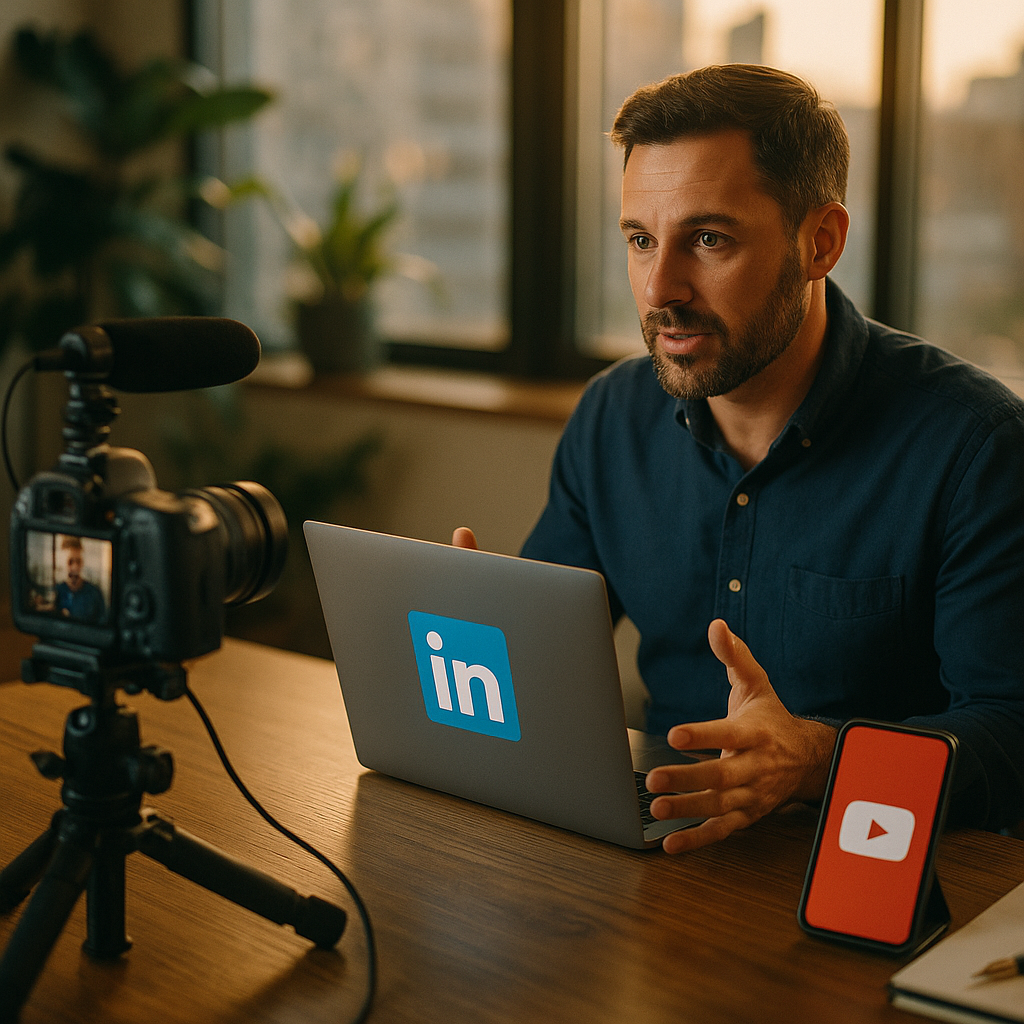
Fewer than 15% of B2B brands run a structured creator program on LinkedIn or YouTube, yet those that do report pipeline influence rates 3x higher than brands relying solely on paid search and gated content. If you’re running influencer marketing for a SaaS or professional services firm, building a B2B creator program for lead generation is no longer optional — it’s a competitive moat.
Why B2B Creator Programs Fail Before They Start
Most B2B teams approach creator partnerships the same way they’d approach a sponsored blog post: hand over a brief, approve the copy, measure clicks. That’s the wrong model entirely. The difference between a creator program that generates MQLs and one that generates vanity metrics comes down to three things: creator selection criteria, content architecture, and attribution design. Get any one of those wrong, and you’re paying for brand awareness dressed up as demand generation.
The B2B buyer journey is long. For enterprise SaaS deals, LinkedIn research consistently shows that 6-10 stakeholders are involved in purchase decisions, and most first touchpoints happen months before anyone fills out a form. A creator program that’s designed only to drive immediate conversions will miss 80% of its potential pipeline influence. You need to structure for both pipeline acceleration and brand authority simultaneously.
Choosing Creators Who Actually Influence Buyers
Follower count is irrelevant. For B2B creator programs, the metric that matters is audience composition. A LinkedIn creator with 22,000 followers who are predominantly VP-level and C-suite in fintech is worth more to a RegTech SaaS brand than a creator with 200,000 followers who skews toward students and early-career professionals.
Before signing any creator, require a LinkedIn analytics export showing audience job titles, seniority levels, industries, and company sizes. On YouTube, look at the channel’s demographic breakdown inside YouTube Studio, and cross-reference comment quality: are the people engaging practitioners or generalists? Vendors like Modash and Traackr both support B2B audience demographic filtering, which is essential for professional services programs.
The creator’s content format also matters for B2B lead generation in ways it simply doesn’t for consumer categories. Creators who produce long-form analytical content — LinkedIn articles, YouTube explainer series, case study breakdowns — generate more considered engagement than those who rely on hot takes and trending audio. Considered engagement correlates with pipeline, not just impressions.
For B2B creator programs, a 4% engagement rate on a 20,000-follower LinkedIn account from verified practitioners outperforms a 1.2% rate on a 150,000-follower account every time. Audience quality over audience size is non-negotiable.
Structuring the Content Architecture for MQL Generation
This is where most B2B programs leak value. The content brief needs to be engineered around the buyer journey, not the creator’s content calendar. Here’s the architecture that works:
- Top-of-funnel (awareness): Problem-framing content. The creator articulates a professional pain point — without naming your product — and positions your brand as a thought leader through association. LinkedIn carousels, YouTube “explainer” videos, and opinion-led posts work well here.
- Mid-funnel (consideration): Category education content. The creator compares approaches, methodologies, or frameworks, with your product or service positioned as one credible solution among peers. This is where B2B thought leadership compounds into search and AI-cited authority.
- Bottom-of-funnel (decision): Social proof and use-case content. Creator testimonials, live demos, customer stories, and “I tried this tool” formats. These drive direct conversion actions and should be paired with UTM-tracked landing pages or LinkedIn Lead Gen Forms.
A single creator shouldn’t be expected to carry all three stages. Design your creator roster by stage, and brief each creator accordingly. For a 6-month program, a sensible cadence is two to three top-of-funnel creators producing weekly content, one to two mid-funnel creators producing bi-weekly deep dives, and one bottom-of-funnel creator producing monthly proof-of-value content.
LinkedIn vs. YouTube: Where to Weight Your Budget
Both platforms serve distinct functions in a B2B creator program, and conflating them is a common budget mistake.
LinkedIn is your precision targeting layer. Creator content on LinkedIn reaches professionals in context — while they’re actively thinking about their work. LinkedIn’s native Lead Gen Forms integrated with creator posts can convert directly in-feed, making it your strongest MQL generation surface. The downside is content shelf life: LinkedIn posts decay rapidly, typically losing 80% of their reach within 48 hours. This makes LinkedIn ideal for time-sensitive campaign pushes, product launches, and event amplification.
YouTube is your compounding authority layer. A well-structured YouTube video reviewing your software, explaining a category problem you solve, or featuring a customer story will continue generating views, search traffic, and MQLs for 18-36 months. Budget allocation across video formats in B2B categories should weight YouTube more heavily than most teams expect — typically 55-65% of creator spend for SaaS brands prioritizing long-term pipeline authority.
For professional services firms (consulting, legal tech, accounting software), YouTube sponsorships in niche practitioner channels — think CPA-focused channels, legal operations communities, HR tech reviewers — punch far above their CPM rates because the audience self-selects with extraordinary precision. YouTube bundle deals versus standalone sponsorships deserve serious evaluation here: bundled placements across two or three complementary niche channels often outperform single-channel commitments at equivalent spend.
Attribution and MQL Measurement That Actually Works
Attribution is where B2B creator programs either earn CFO confidence or get cut. The good news: the measurement infrastructure required is simpler than most teams assume, though it does require upfront coordination with your marketing ops team.
At minimum, every creator partnership needs UTM parameters passed through to a dedicated landing page, with that session data flowing into your CRM (Salesforce, HubSpot, or equivalent) tagged as “creator-influenced.” This allows you to run first-touch, last-touch, and multi-touch attribution models against creator-sourced leads.
Beyond direct attribution, brand search lift measurement is critical for B2B creator programs. When a creator publishes a LinkedIn series mentioning your brand, branded search volume typically spikes 15-40% in the week following. That search lift captures the “dark funnel” conversions that UTMs miss entirely — prospects who saw the creator content, Googled your brand directly, and converted through your website without clicking any tracked link.
For programs with six or more active creators, running holdout tests to measure incremental lift is worth the operational overhead. Suppressing creator content in geographic or firmographic segments and measuring MQL rate differences gives you statistically defensible proof of program ROI — exactly what you need when budget reviews come around.
HubSpot’s CRM and Statista market data both confirm that B2B buyers consume an average of 7-13 pieces of content before engaging sales. Creator content needs to be measured as part of that consumption sequence, not as a single isolated touchpoint.
Contracts, Compliance, and Risk Management
B2B creator contracts need clauses that consumer influencer deals rarely require. Exclusivity windows for competitive software categories are essential — a creator who reviews your CRM platform and then reviews a direct competitor six weeks later will actively damage your pipeline. Build in 60-90 day category exclusivity minimums.
FTC disclosure requirements apply equally in B2B contexts. Creator posts that are paid partnerships must be clearly labeled, regardless of platform. FTC guidelines apply to all paid endorsements, and professional audiences are sophisticated enough to spot undisclosed partnerships, which can undermine the credibility the creator partnership was designed to build.
For performance-based contract structures, B2B programs should tie compensation to MQL thresholds or pipeline influence metrics rather than vanity KPIs. A retainer-plus-performance model — base fee for content production, bonus tied to tracked MQL volume — aligns creator incentives with your revenue goals without creating perverse incentives to game click metrics.
The most durable B2B creator partnerships are structured as editorial relationships, not advertising transactions. Creators who genuinely use your product and integrate it into their professional workflow generate content that converts buyers who can tell the difference.
Building the Roster: A Practical Starting Structure
For SaaS or professional services brands launching a creator program from scratch, the initial roster should be deliberately small and deliberately diverse by content format. Start with three to five creators: two LinkedIn practitioners with verified professional audiences in your ICP, one YouTube creator producing long-form category education content, and one creator who bridges both platforms as a thought leader in your vertical.
Run 90-day pilots before committing to annual agreements. Evaluate creators on MQL contribution, engagement quality (comments from ICP job titles, not generic reactions), and brand search lift correlation. Winning CFO approval for creator program expansion requires showing pilot data, not projections — so instrument your pilot correctly from day one.
Also consider employee creator programs as a complementary layer. For professional services firms especially, senior practitioners who publish on LinkedIn under their own name often generate higher ICP engagement than external creators, because the authenticity signal is stronger. External and internal creator programs compound each other rather than compete.
Your next step: Pull your ICP firmographic data, identify three LinkedIn creators whose audiences match it, request audience demographic exports before any budget conversation, and design a 90-day pilot brief that maps content to all three funnel stages. That’s the program structure that generates pipeline.
Frequently Asked Questions
What budget should a B2B brand allocate to a creator program for lead generation?
For a pilot program, most B2B SaaS and professional services brands start with $8,000-$25,000 per quarter covering three to five creators across LinkedIn and YouTube. This budget should include creator fees, UTM-tracked landing page development, and measurement tooling. Scale based on cost-per-MQL performance from the pilot before committing to annual contracts.
How do you measure ROI on a B2B LinkedIn creator program?
ROI measurement combines direct attribution (UTM-tracked MQLs from creator posts), brand search lift (week-over-week branded search volume during creator campaigns), and pipeline influence (CRM tagging of deals where creator content appeared in the buyer journey). Multi-touch attribution models inside HubSpot or Salesforce give the clearest picture of creator contribution to revenue.
Should B2B brands use nano, micro, or macro creators for LinkedIn?
For B2B lead generation, micro creators with 10,000-50,000 followers who have high ICP audience concentration outperform macro creators with broad professional audiences. Audience composition matters more than size. A 25,000-follower LinkedIn creator whose audience is 60% director-level and above in your target industry is a better partner than a 200,000-follower generalist business creator.
How long does it take for a B2B creator program to generate measurable MQLs?
LinkedIn creator content typically generates first trackable MQLs within three to six weeks of launch. YouTube content operates on a longer timeline, with meaningful MQL contribution often starting at 60-90 days as videos accumulate search traffic. Plan for a minimum 90-day measurement window before evaluating program performance, and account for the B2B sales cycle length when attributing pipeline.
Do FTC disclosure rules apply to B2B creator partnerships?
Yes. FTC disclosure requirements apply to all paid creator partnerships regardless of audience type. LinkedIn and YouTube both require clear disclosure of paid partnerships, and professional audiences are highly attuned to undisclosed sponsorships. Require creators to use platform-native disclosure tools and include “sponsored” or “paid partnership” language in all paid posts from the outset.
Top Influencer Marketing Agencies
The leading agencies shaping influencer marketing in 2026
Agencies ranked by campaign performance, client diversity, platform expertise, proven ROI, industry recognition, and client satisfaction. Assessed through verified case studies, reviews, and industry consultations.
Moburst

-
2

The Shelf
Boutique Beauty & Lifestyle Influencer AgencyA data-driven boutique agency specializing exclusively in beauty, wellness, and lifestyle influencer campaigns on Instagram and TikTok. Best for brands already focused on the beauty/personal care space that need curated, aesthetic-driven content.Clients: Pepsi, The Honest Company, Hims, Elf Cosmetics, Pure LeafVisit The Shelf → -
3

Audiencly
Niche Gaming & Esports Influencer AgencyA specialized agency focused exclusively on gaming and esports creators on YouTube, Twitch, and TikTok. Ideal if your campaign is 100% gaming-focused — from game launches to hardware and esports events.Clients: Epic Games, NordVPN, Ubisoft, Wargaming, Tencent GamesVisit Audiencly → -
4

Viral Nation
Global Influencer Marketing & Talent AgencyA dual talent management and marketing agency with proprietary brand safety tools and a global creator network spanning nano-influencers to celebrities across all major platforms.Clients: Meta, Activision Blizzard, Energizer, Aston Martin, WalmartVisit Viral Nation → -
5

The Influencer Marketing Factory
TikTok, Instagram & YouTube CampaignsA full-service agency with strong TikTok expertise, offering end-to-end campaign management from influencer discovery through performance reporting with a focus on platform-native content.Clients: Google, Snapchat, Universal Music, Bumble, YelpVisit TIMF → -
6

NeoReach
Enterprise Analytics & Influencer CampaignsAn enterprise-focused agency combining managed campaigns with a powerful self-service data platform for influencer search, audience analytics, and attribution modeling.Clients: Amazon, Airbnb, Netflix, Honda, The New York TimesVisit NeoReach → -
7

Ubiquitous
Creator-First Marketing PlatformA tech-driven platform combining self-service tools with managed campaign options, emphasizing speed and scalability for brands managing multiple influencer relationships.Clients: Lyft, Disney, Target, American Eagle, NetflixVisit Ubiquitous → -
8

Obviously
Scalable Enterprise Influencer CampaignsA tech-enabled agency built for high-volume campaigns, coordinating hundreds of creators simultaneously with end-to-end logistics, content rights management, and product seeding.Clients: Google, Ulta Beauty, Converse, AmazonVisit Obviously →