


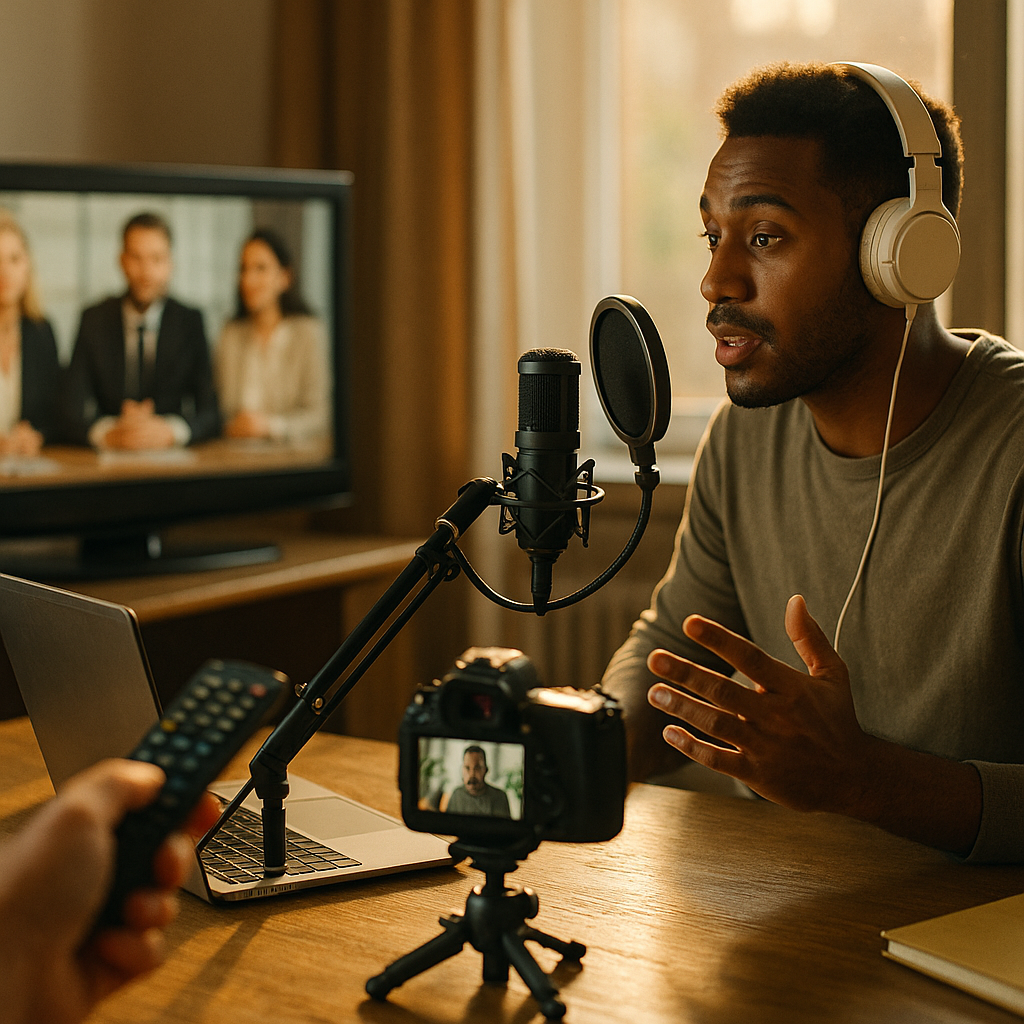
For the first time, MrBeast’s Beast Media and YouTube’s top creator networks are sitting at the upfronts table alongside NBC, Fox, and Disney — and they’re not just there for optics. They’re winning commitments. If your annual video budget still treats linear TV and creator inventory as separate line items with separate teams, you’re already behind the deal cycle.
The Upfronts Have a New Power Structure
The traditional upfront model was built around scarcity: limited prime-time slots, network-controlled audiences, and CPMs that broadcasters set unilaterally. That scarcity argument is collapsing. YouTube, which now reaches more adults 18-49 in the U.S. than any single broadcast or cable network, is no longer a supplemental buy. It’s a primary one. According to eMarketer, connected TV ad spend continues to outpace linear at a significant margin, and creator-led inventory is capturing a growing share of that shift.
What changed at the upfronts specifically? YouTube’s Brandcast presentation now runs alongside network presentations in New York with comparable production value and, increasingly, comparable advertiser commitment levels. Creator studios like Beast Media are packaging their inventory with audience guarantees, brand safety tiers, and measurement frameworks that mirror what a broadcast sales team would pitch. The sophistication gap between creator inventory and network TV inventory has narrowed to the point where media buyers can no longer use it as a default reason to deprioritize the former.
Creator channels are no longer asking to be considered alongside linear TV. They’re arriving with Nielsen-comparable measurement, audience guarantees, and multi-quarter commitment structures. The question for media buyers is no longer whether to include them — it’s how much to weight them.
What Beast Media Actually Represents for a Media Buyer
MrBeast isn’t just a creator anymore. Beast Media is a content studio with a documented global reach exceeding 300 million subscribers across channels, a production infrastructure that rivals mid-size TV studios, and a track record of brand integrations that generate measurable downstream sales lift. When a brand like Feastables or a major CPG firm integrates into a MrBeast video, the performance data is public and consistent: view counts in the tens of millions, comment engagement rates that broadcast TV will never touch, and audience retention that makes a 30-second linear spot look inefficient by comparison.
From a media buyer’s operational perspective, this means creator inventory now requires the same due diligence framework you’d apply to a network buy. Brand safety audits, audience demographic verification, exclusivity windows, performance reporting cadences. None of this is optional anymore. If you’re still running creator buys through an influencer platform without negotiating upfront-style terms, you’re leaving both leverage and accountability on the table. Creator contract structures need to evolve to reflect this new reality.
The Budget Architecture Problem Most CMOs Are Ignoring
Here’s where most brands are structurally broken: they have a traditional media team that owns TV upfront commitments and a separate influencer or social team that manages creator spend. These two groups rarely report to the same budget owner, rarely use the same measurement methodology, and almost never coordinate on audience overlap or sequencing strategy.
That org structure was defensible when creator inventory was $50K activations and linear TV was $5M commitments. It’s not defensible when creator packages at the upfronts are being priced and structured comparably to cable network buys. The budget architecture for creator amplification needs to be restructured at the CMO level, not managed as a sub-line in a social media budget.
Practically, this means three things:
- Unified video budget ownership. One budget owner should oversee all video inventory across linear, CTV, YouTube, and creator channels. Separate P&Ls for “traditional media” and “digital/social” create arbitrage inefficiencies and prevent coherent sequencing.
- Shared measurement framework. CPM is not enough. Brands need to agree on a unified metric set that includes reach, frequency, engagement rate, and downstream attribution — applied consistently across linear and creator inventory.
- Upfront commitment parity. If you’re committing Q1 budgets to network TV in May, you should be committing creator inventory in the same window. Creator rates are rising on the same seasonal curve as traditional media. Locking in creator pricing early is now a cost management strategy, not just a scheduling preference.
CPM Benchmarks: Where Creator Inventory Actually Sits
The persistent myth is that creator inventory is cheaper than broadcast TV. Sometimes it is. Often it isn’t, and when you account for total audience quality and engagement depth, creator CPMs frequently represent better value even when the raw number is comparable. Video and podcast CPM benchmarks for premium creator inventory have moved materially upward, particularly for top-tier YouTube channels with verified demographic data.
Prime-time broadcast TV CPMs for adults 18-49 typically run in the $25-$40 range depending on the network and program. Premium YouTube creator integrations from channels with 10M-plus subscribers are now being quoted in comparable ranges, with the added benefit of content adjacency, audience trust, and multi-platform amplification (the video lives on YouTube permanently and gets shared, embedded, and clipped in ways a TV spot never does). According to Statista, YouTube’s global ad revenue continues to grow at double-digit rates year over year, reflecting both demand and pricing power.
For media buyers building the Q3 and Q4 upfront case internally, the comparable CPM argument is now viable. You can justify creator inventory on efficiency grounds without discounting it as a “test and learn” budget.
Platform Risk and the Diversification Imperative
Any honest assessment of creator inventory has to include platform concentration risk. YouTube is dominant in long-form creator content, but algorithmic changes, policy shifts, and platform economics can affect creator visibility and monetization structures. Multi-surface creator activations across YouTube, TikTok, and owned channels provide a more resilient media mix than concentrating creator spend on a single platform. For brands negotiating directly with creator studios like Beast Media, building platform-agnostic content rights into the contract is worth the negotiation friction.
The FTC’s ongoing disclosure requirements also apply uniformly across creator and broadcast inventory. FTC guidelines on paid endorsements and material connections are non-negotiable and apply regardless of whether the content runs on YouTube, broadcast, or streaming. Build compliance review into the upfront planning process, not as a post-production check.
How Entertainment-First Creative Changes the Brief
One underappreciated implication of creator channels competing at the upfronts is what it demands of brand creative. Network TV inventory works because audiences have a pre-existing reason to watch (they’re tuned in for the program). Creator inventory works differently: the creator’s content relationship with the audience is the distribution mechanism. A brand that brings a traditional 30-second spot mindset to a MrBeast integration will underperform relative to a brand that briefs for the creator’s format and voice.
This is a creative operations issue, not just a channel selection issue. Entertainment-first brief design is a distinct skill set that many brand creative teams and AOR agencies haven’t fully developed. As creator channels absorb a larger share of upfront budgets, the pressure on creative teams to produce integration-native content will intensify. Build that capability now, before the budget reallocation forces the conversation under deadline pressure.
The brands that win in creator upfront inventory aren’t the ones who spend the most. They’re the ones whose creative teams know how to brief for a creator’s audience, not against it.
Restructuring the Annual Planning Cycle
The traditional upfront calendar runs May through July for commitments, with scatter market buys filling gaps in Q3 and Q4. Creator upfront commitments, particularly with premium studios and top-tier YouTube channels, are increasingly following the same cycle. Blended cost model contracts that combine guaranteed placements with performance-based components are becoming the standard negotiating structure for annual creator partnerships.
Media buyers should build creator inventory review into the May upfront planning cycle as a standing agenda item, not a reactive conversation that happens after network commitments are locked. Involve your creator partnerships team (or agency) at the same table where your broadcast team is negotiating. This requires organizational change, but the financial rationale is clear: unified planning produces better audience sequencing, avoids wasteful overlap, and captures early pricing before demand drives rates up.
For brands still building the internal case, reference the IAB’s annual digital video report and LinkedIn’s B2B advertising benchmarks alongside YouTube’s own Brandcast data. The convergence argument is well-documented. You shouldn’t need to build it from scratch to get leadership buy-in.
Start your next annual planning cycle by running a unified video budget audit: pull CPM, reach, frequency, and attribution data across every video channel you bought last year, apply a single measurement methodology, and let the data make the reallocation argument for you. That audit is the deliverable your CFO will actually respond to.
FAQs
What does it mean for creator channels to compete at the upfronts?
Creator channels competing at the upfronts means that YouTube creator studios, including properties like Beast Media, are now presenting to advertisers during the same formal commitment window as broadcast networks like NBC, Fox, and Disney. They are offering audience guarantees, structured pricing, and measurement frameworks comparable to traditional network TV sales pitches, and brands are making multi-quarter commitments to creator inventory in the same planning cycle as their linear TV buys.
How should media buyers split budget between linear TV and creator inventory?
There is no universal split that applies to all brands, but the framework should be audience-driven rather than channel-habit-driven. Media buyers should run a unified CPM and reach analysis across linear, CTV, and creator inventory using a consistent measurement methodology. Brands targeting adults 18-34 should weight creator inventory significantly higher than historical norms. Brands with broad reach objectives should treat YouTube creator channels as primary video buys, not supplemental ones, given YouTube’s documented advantage over broadcast networks in key demographic reach.
Are creator upfront CPMs comparable to broadcast TV CPMs?
For premium creator inventory on channels with 10 million or more subscribers, CPMs are increasingly comparable to cable and even broadcast network rates, typically ranging from $20 to $40 depending on category exclusivity, integration depth, and audience targeting. The distinction is that creator inventory includes content permanence (the video remains searchable and shareable), audience trust derived from the creator relationship, and multi-platform amplification that a traditional broadcast spot does not provide.
What contract structures should brands use for creator upfront commitments?
Brands should negotiate blended cost model contracts that combine guaranteed placement fees with performance-based components tied to views, engagement rate, or downstream attribution metrics. Contracts should include platform-agnostic content rights, FTC-compliant disclosure language, exclusivity windows that match the content’s live period, and measurement reporting cadences that align with how you report linear TV performance. Multi-quarter or annual commitments made during the upfront window typically offer better rates than scatter market buys made in-quarter.
What is the biggest operational mistake brands make with creator upfront planning?
The most common mistake is maintaining separate budget ownership and separate measurement frameworks for traditional media and creator/influencer spend. When a broadcast TV team and a social/influencer team report to different budget owners and use different success metrics, it prevents coherent audience sequencing, creates wasteful overlap, and produces internal political friction that slows decision-making. Brands that restructure to unified video budget ownership with a single measurement framework consistently outperform those that maintain siloed structures.
Top Influencer Marketing Agencies
The leading agencies shaping influencer marketing in 2026
Agencies ranked by campaign performance, client diversity, platform expertise, proven ROI, industry recognition, and client satisfaction. Assessed through verified case studies, reviews, and industry consultations.
Moburst

-
2

The Shelf
Boutique Beauty & Lifestyle Influencer AgencyA data-driven boutique agency specializing exclusively in beauty, wellness, and lifestyle influencer campaigns on Instagram and TikTok. Best for brands already focused on the beauty/personal care space that need curated, aesthetic-driven content.Clients: Pepsi, The Honest Company, Hims, Elf Cosmetics, Pure LeafVisit The Shelf → -
3

Audiencly
Niche Gaming & Esports Influencer AgencyA specialized agency focused exclusively on gaming and esports creators on YouTube, Twitch, and TikTok. Ideal if your campaign is 100% gaming-focused — from game launches to hardware and esports events.Clients: Epic Games, NordVPN, Ubisoft, Wargaming, Tencent GamesVisit Audiencly → -
4

Viral Nation
Global Influencer Marketing & Talent AgencyA dual talent management and marketing agency with proprietary brand safety tools and a global creator network spanning nano-influencers to celebrities across all major platforms.Clients: Meta, Activision Blizzard, Energizer, Aston Martin, WalmartVisit Viral Nation → -
5

The Influencer Marketing Factory
TikTok, Instagram & YouTube CampaignsA full-service agency with strong TikTok expertise, offering end-to-end campaign management from influencer discovery through performance reporting with a focus on platform-native content.Clients: Google, Snapchat, Universal Music, Bumble, YelpVisit TIMF → -
6

NeoReach
Enterprise Analytics & Influencer CampaignsAn enterprise-focused agency combining managed campaigns with a powerful self-service data platform for influencer search, audience analytics, and attribution modeling.Clients: Amazon, Airbnb, Netflix, Honda, The New York TimesVisit NeoReach → -
7

Ubiquitous
Creator-First Marketing PlatformA tech-driven platform combining self-service tools with managed campaign options, emphasizing speed and scalability for brands managing multiple influencer relationships.Clients: Lyft, Disney, Target, American Eagle, NetflixVisit Ubiquitous → -
8

Obviously
Scalable Enterprise Influencer CampaignsA tech-enabled agency built for high-volume campaigns, coordinating hundreds of creators simultaneously with end-to-end logistics, content rights management, and product seeding.Clients: Google, Ulta Beauty, Converse, AmazonVisit Obviously →