


Sixty Percent Is Not a Rounding Error
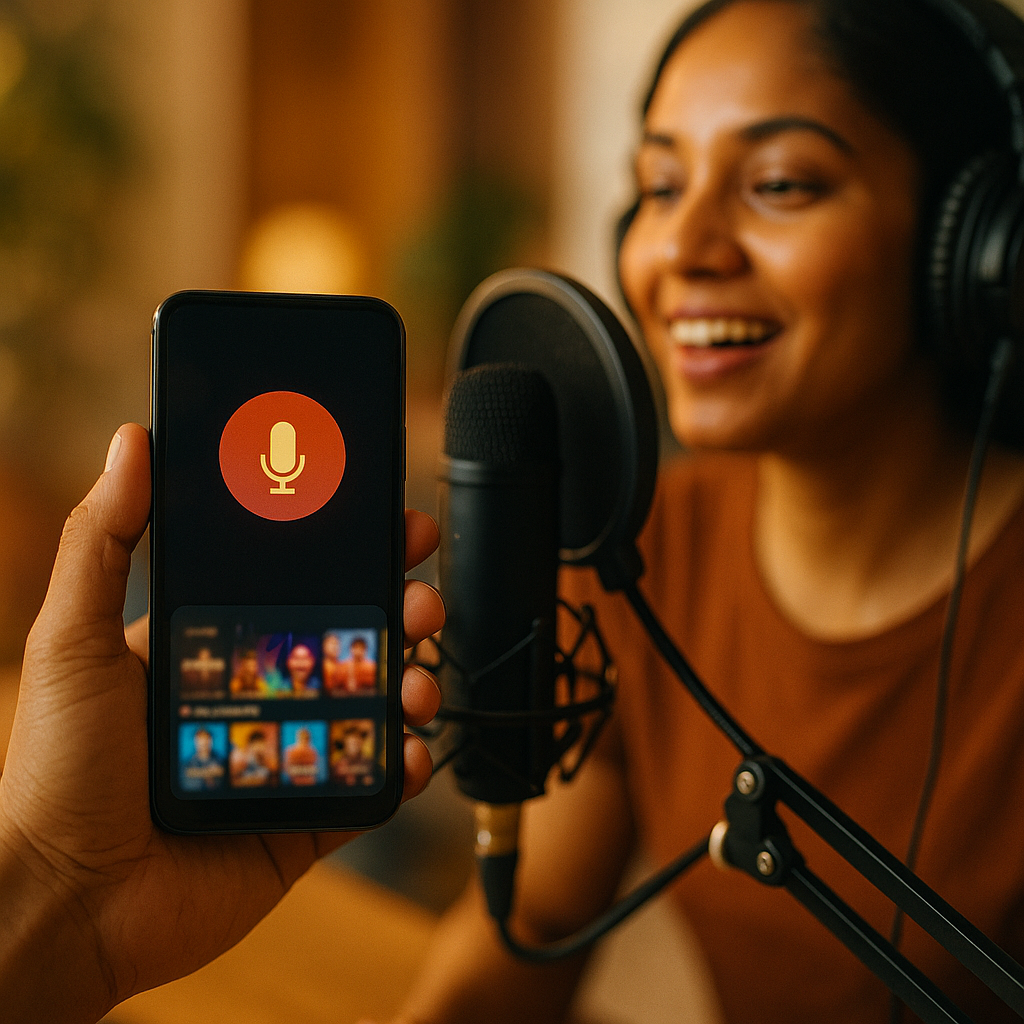
When 60 percent of JioHotstar’s users are discovering content through voice-activated search, that is not a feature quirk. That is a behavioral signal that rewrites the content distribution playbook for any global brand with emerging market ambitions.
Most Western brand teams are still treating voice as a nice-to-have accessibility layer. Meanwhile, hundreds of millions of users in India’s largest streaming ecosystem have already voted with their behavior. The gap between where those users are and where brand creator programs are optimized is where significant reach is being left behind.
Why JioHotstar Is the Right Proxy for What Comes Next
JioHotstar operates at a scale that commands attention: over 500 million registered users across a platform that blends live sport, regional language content, and streaming in a single interface. It is not just large; it is structurally diverse in ways that make it a useful predictor of broader platform behavior.
The 60 percent voice-activated discovery rate among its users reflects several converging realities. Multilingual input is frictionless through voice in ways that typed search is not. Smartphone penetration outpaced literacy in certain cohorts, making voice the natural interface layer. And JioHotstar’s recommendation engine has been trained on voice query data long enough to deliver results that reinforce the habit.
When a platform trains hundreds of millions of users to discover content through voice, it does not just change the interface. It changes what content gets found, which creators surface, and how brand messages travel through the ecosystem.
For brand strategists, the operational question is not “is this interesting?” It is: “which of our creator assets would be surfaced by a voice query, and which would be invisible?”
How Voice Discovery Changes Creator Content Requirements
Most creator briefs are written for scroll-and-tap behavior: thumbnail optimization, caption hooks, visual hierarchy in the first three seconds. Voice discovery flips that prioritization in ways that most creative teams have not yet internalized.
When a user says “show me skincare tutorials for oily skin in Hindi” or “find cricket highlights with brand sponsor content,” the platform’s retrieval logic parses semantic intent, language signals, and metadata rather than click-through rates or visual engagement. That means:
- Audio transcripts matter more than on-screen text. What a creator says is now indexable and matchable in ways that visual content alone is not.
- Natural language product mentions surface better than branded overlays. A creator verbally framing a product category will outperform a lower-third graphic in voice-first retrieval.
- Regional language audio becomes a distribution lever, not just a localization cost. Hindi, Tamil, Telugu, Bengali audio tracks serve as indexable discovery pathways, not just audience courtesy.
- Episode naming and audio chapter markers matter. Structured audio content with clear spoken section transitions is more retrievable than unstructured long-form.
This is not theoretical. It mirrors the documented SEO shift that happened when Google’s voice search began rewarding conversational phrasing over keyword-stuffed copy. Brands that updated their content strategy early captured position-zero placements. The same window is opening now, specifically for audio-native creator formats on platforms like JioHotstar.
If your team is already developing creator briefs for zero-click environments, the structural thinking transfers directly to voice-first platforms. Conversational phrasing, spoken keywords, and audio-forward formatting are consistent requirements across both contexts.
Audio-Native Formats: The Content Gap Global Brands Need to Close
Here is where many global brand programs have a structural blind spot. The creator content library most brands have assembled is primarily video-native: YouTube Shorts, Reels, TikTok clips optimized for silent autoplay. That content can perform adequately on voice-retrieval platforms if audio tracks are strong. But it will consistently underperform against content that was built audio-first.
Audio-native formats worth building into creator briefs now:
- Podcast-style creator segments embedded within video content, designed for audio listening without requiring the screen.
- Voice-optimized product storytelling where creators narrate brand context in conversational Q&A structures that match how users phrase voice queries.
- Episodic audio series released as companion content to video campaigns, indexed separately and discoverable through voice search on streaming platforms.
- Multilingual audio redubs of hero creator content, not subtitles but actual audio tracks that make content retrievable across language-specific voice queries.
Thinking through your creator budget allocation across channels means explicitly adding audio-native production as a line item, not an afterthought bolted onto video deliverables.
The Western Platform Lag Is a First-Mover Window
Spotify, YouTube, and Amazon are all accelerating voice-integrated content discovery. Statista data shows smart speaker penetration in North American and European households continues to grow, and platforms are actively building voice-query interfaces into their mobile apps. The Western adoption curve is real. It is just running 18 to 24 months behind what JioHotstar’s user behavior already reflects.
That lag is valuable. Brands that build voice-optimized creator content infrastructure now, using JioHotstar’s ecosystem as a proving ground, will not need to retool when Spotify’s voice discovery features or YouTube’s audio-search enhancements reach mainstream adoption in Western markets. They will already have the playbook, the creator relationships, and the performance data.
The parallel to AI citation optimization in creator briefs is instructive. Early adopters who structured creator content for AI answer engines before generative search went mainstream captured compounding distribution advantages. Voice-first optimization on emerging platforms offers the same early-mover leverage.
JioHotstar is not just a market. It is a live test environment for content discovery behavior that Western platforms are actively building toward.
Measurement: What “Voice Discovery” Attribution Actually Requires
This is where most brand programs will hit friction. Voice-activated discovery creates attribution gaps that standard UTM tracking and pixel-based measurement frameworks were not designed to handle. A user discovering a creator video through a spoken query does not leave the same digital fingerprint as a user tapping a social ad.
Platform-level analytics on JioHotstar provide voice-query discovery data, but aggregated and without the granularity most brand attribution teams expect. That means the measurement approach needs to shift toward:
- Share-of-voice tracking within platform content categories, not just click attribution.
- Brand recall surveys that specifically probe voice-discovered content recall versus visual-browse recall.
- Creator-level streaming completion rates as a proxy for audio engagement quality.
- Incrementality testing that isolates voice-channel discovery from total reach numbers.
The shift from vanity metrics to incremental measurement becomes especially critical here, because voice discovery numbers will look unfamiliar. Impressions from voice-retrieved content do not behave like feed impressions. Completion rates, re-query rates, and category ranking within the platform’s recommendation engine are the signals that actually matter.
Brands investing in holdout tests for creator revenue lift should be designing those tests with voice-discovery cohorts explicitly isolated, particularly on platforms where voice accounts for a majority of content discovery.
Building Organizational Readiness for a Voice-First Distribution World
The operational gap is as significant as the creative gap. Most brand teams have no one owning voice-search optimization for creator content. SEO teams focus on text search. Social teams focus on feed algorithms. Audio strategy, if it exists, sits inside a podcast or brand channel silo.
Voice-first distribution on streaming platforms requires a hybrid function: someone who understands platform recommendation logic, audio production quality standards, multilingual metadata, and how creator content is indexed within a voice-retrieval system. That is a new capability description, and it needs to be in someone’s job scope before the Western platform wave accelerates.
eMarketer’s forecasts on connected device usage and in-app voice search adoption point to a category that is growing faster than most brand teams’ organizational capacity to address it. HubSpot’s content optimization research has consistently shown that early format adoption creates compounding discoverability advantages that late movers struggle to close.
The creator brief itself needs to evolve. Audience-state signals should now include platform-specific discovery mode: are users browsing visually, or are they speaking queries? That context should drive creative decisions at the brief level, not as a post-production consideration.
Google’s own search developer documentation on structured data and audio content indexing provides a technical foundation that applies directly to how streaming platforms build voice-retrieval systems. Brands whose creative teams understand that infrastructure will build more retrievable content by default.
Platform partnerships also accelerate this capability. Amazon’s Alexa ecosystem and TikTok’s audio-search feature development both offer early access programs worth monitoring for brands building forward-looking creator distribution strategies.
Start with one creator cohort, one regional language market on JioHotstar, and one audio-native content format. Run it with proper holdout measurement. That pilot will produce more actionable data than another year of watching the trend from the sidelines.
FAQ
What is voice-first content discovery, and why does it matter for brands?
Voice-first content discovery means users find content by speaking queries rather than typing or browsing. On platforms like JioHotstar, where 60 percent of users already discover content this way, it means brand creator content must be optimized for audio indexing, spoken keyword phrasing, and multilingual audio tracks to be surfaced in voice-retrieval results. Brands that ignore this are effectively invisible to a majority of users on those platforms.
How is voice-activated discovery different from traditional SEO for creator content?
Traditional SEO optimizes for typed queries, visual metadata, and click-through signals. Voice-activated discovery on streaming platforms prioritizes conversational phrasing in audio transcripts, spoken product mentions, regional language audio tracks, and structured audio chapters. The retrieval logic is semantic and audio-indexed rather than keyword-density-based, which requires different creative brief requirements and different metadata strategies.
Which content formats perform best in voice-first discovery environments?
Podcast-style creator segments, voice-optimized product storytelling in conversational Q&A formats, episodic audio series, and multilingual audio redubs of existing video content all surface more effectively in voice-retrieval systems. The common thread is that audio is treated as primary, not secondary to visual elements.
How should brands measure the ROI of voice-first creator content?
Standard click-attribution models are insufficient. Brands should use share-of-voice tracking within platform content categories, brand recall surveys that isolate voice-discovered content, creator-level streaming completion rates as audio engagement proxies, and holdout tests that isolate voice-channel discovery from total campaign reach. Incrementality testing is especially important given the attribution gaps in voice-discovery data.
Is this only relevant for brands targeting Indian markets?
No. JioHotstar’s voice discovery data is a leading indicator for behavior that Western platforms like YouTube, Spotify, and Amazon are actively building toward. Brands that develop voice-optimized creator content infrastructure now, using emerging market platforms as a proving ground, will have a significant head start when Western platform adoption accelerates over the next 18 to 24 months.
Top Influencer Marketing Agencies
The leading agencies shaping influencer marketing in 2026
Agencies ranked by campaign performance, client diversity, platform expertise, proven ROI, industry recognition, and client satisfaction. Assessed through verified case studies, reviews, and industry consultations.
Moburst

-
2

The Shelf
Boutique Beauty & Lifestyle Influencer AgencyA data-driven boutique agency specializing exclusively in beauty, wellness, and lifestyle influencer campaigns on Instagram and TikTok. Best for brands already focused on the beauty/personal care space that need curated, aesthetic-driven content.Clients: Pepsi, The Honest Company, Hims, Elf Cosmetics, Pure LeafVisit The Shelf → -
3

Audiencly
Niche Gaming & Esports Influencer AgencyA specialized agency focused exclusively on gaming and esports creators on YouTube, Twitch, and TikTok. Ideal if your campaign is 100% gaming-focused — from game launches to hardware and esports events.Clients: Epic Games, NordVPN, Ubisoft, Wargaming, Tencent GamesVisit Audiencly → -
4

Viral Nation
Global Influencer Marketing & Talent AgencyA dual talent management and marketing agency with proprietary brand safety tools and a global creator network spanning nano-influencers to celebrities across all major platforms.Clients: Meta, Activision Blizzard, Energizer, Aston Martin, WalmartVisit Viral Nation → -
5

The Influencer Marketing Factory
TikTok, Instagram & YouTube CampaignsA full-service agency with strong TikTok expertise, offering end-to-end campaign management from influencer discovery through performance reporting with a focus on platform-native content.Clients: Google, Snapchat, Universal Music, Bumble, YelpVisit TIMF → -
6

NeoReach
Enterprise Analytics & Influencer CampaignsAn enterprise-focused agency combining managed campaigns with a powerful self-service data platform for influencer search, audience analytics, and attribution modeling.Clients: Amazon, Airbnb, Netflix, Honda, The New York TimesVisit NeoReach → -
7

Ubiquitous
Creator-First Marketing PlatformA tech-driven platform combining self-service tools with managed campaign options, emphasizing speed and scalability for brands managing multiple influencer relationships.Clients: Lyft, Disney, Target, American Eagle, NetflixVisit Ubiquitous → -
8

Obviously
Scalable Enterprise Influencer CampaignsA tech-enabled agency built for high-volume campaigns, coordinating hundreds of creators simultaneously with end-to-end logistics, content rights management, and product seeding.Clients: Google, Ulta Beauty, Converse, AmazonVisit Obviously →