


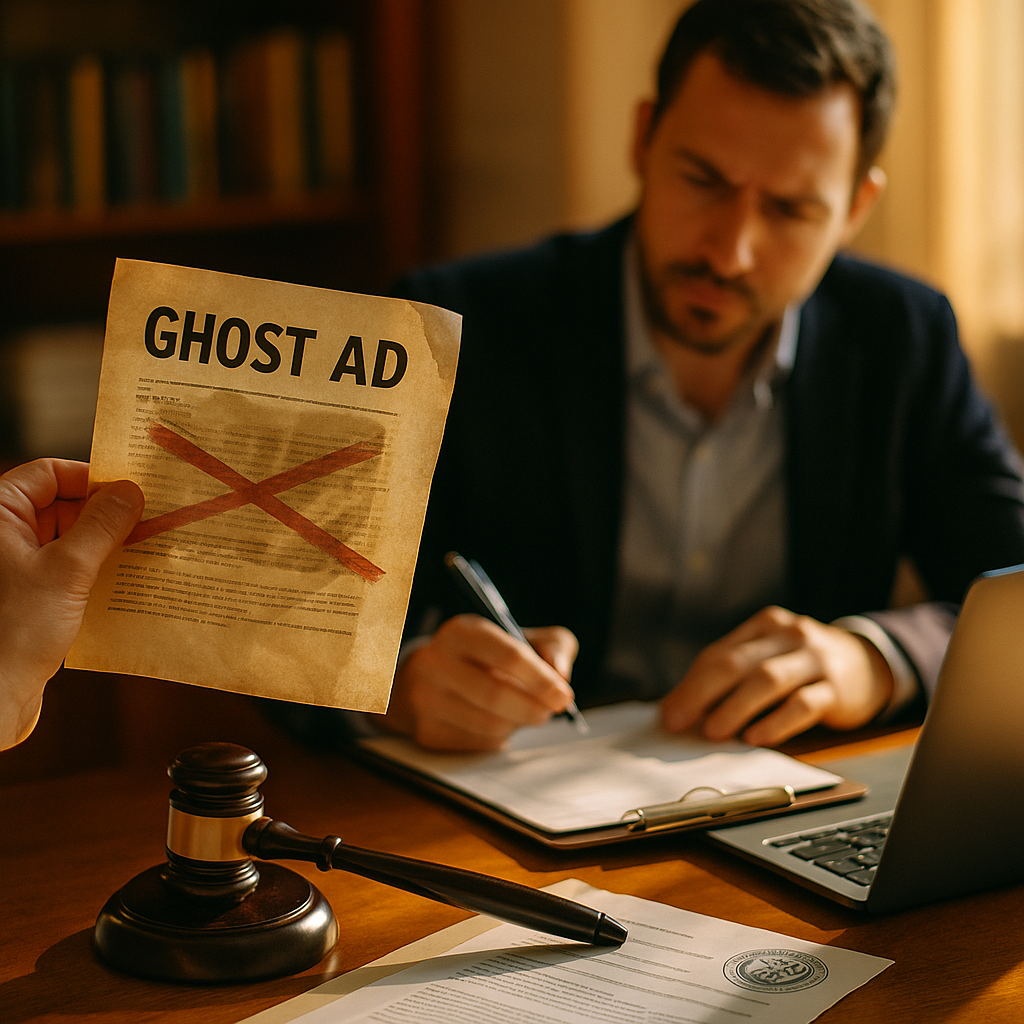
68% of consumers say they’d trust a brand less after learning about a hidden-ad lawsuit, even if the brand settled and moved on. That’s the wreckage Gymshark-style disclosure scandals leave behind. The ghost ad redemption arc format is emerging as the closest thing brands have to a repair kit: a structured creator brief that turns public accountability into content, instead of burying it in a press release nobody reads.
This isn’t a rebrand exercise. It’s a compliance-forward content strategy built for brands that got caught, settled, and now need creators to help them prove they’ve actually changed.
What Actually Happened With Gymshark (and Why It Keeps Happening)
Gymshark’s disclosure trouble wasn’t unique. It followed a familiar pattern: influencers posting sponsored content without clear #ad tags, brands claiming they “trusted creators to handle it,” and regulators unimpressed by that excuse. The FTC’s endorsement guidelines have been explicit for years — disclosure has to be clear, conspicuous, and impossible to miss in the first three seconds. Yet brands keep treating it as a creator problem, not a brief problem.
Here’s the uncomfortable truth: most disclosure failures trace back to briefs that never mentioned disclosure at all. Or briefs that mentioned it once, buried in paragraph nine, next to font requirements.
Disclosure lawsuits rarely happen because creators don’t know the rules. They happen because brands never made the rules non-negotiable in the brief.
When a brand gets hit publicly, the damage isn’t just legal. It’s reputational compounding — every future campaign gets read through a “were they paid for this too?” lens. That’s the trust deficit the ghost ad redemption arc is designed to close.
What Is the Ghost Ad Redemption Arc Format?
The format is simple in concept, exacting in execution. A creator (ideally one with an existing audience relationship) publicly walks through a brand’s compliance failure, explains what changed operationally, and demonstrates the new disclosure standard in real time — on camera, unedited, with receipts.
Think of it as the anti-apology apology. Instead of a corporate statement nobody believes, you get a creator saying: “Here’s what went wrong, here’s the new process, here’s me following it right now.”
The arc typically has three beats:
- The admission: A short, specific acknowledgment of what the brand got wrong — not vague regret, actual specifics (missing #ad tags, late disclosure placement, paid content framed as organic).
- The mechanism: A walkthrough of the new process — pre-approval checklists, disclosure timestamps, contract clauses, whatever concretely changed.
- The proof: A live demonstration of a properly disclosed post, filmed in the same format that caused the original problem.
It works because it mirrors formats audiences already trust. Similar to the ghost ad confession format, it leans on transparency-as-content rather than transparency-as-disclaimer. The difference here is scale and stakes: this isn’t a single creator confessing to a small slip, it’s a brand-wide correction campaign.
Why Brands Are Choosing Creators Over PR Statements
Legal teams love a press release. Audiences don’t read them. Sprout Social’s trust research consistently shows consumers rate creator explanations as more credible than brand-issued statements on the same topic, largely because creators have skin in the game — their own credibility is attached to the message.
A redemption arc filmed by a creator with an existing audience relationship does something a statement can’t: it lets the audience watch trust get rebuilt in real time, rather than being told it happened.
There’s also an efficiency angle marketing leads shouldn’t ignore. A well-briefed redemption arc series can double as evergreen compliance training content — repurposed in onboarding decks, agency briefs, even internal legal reviews. One asset, multiple functions. That’s the kind of ROI a general counsel actually appreciates.
Briefing It Right: The Non-Negotiables
Here’s where most brands fumble the format. They treat the redemption arc as a PR exercise and brief it like influencer content — loose, vibes-based, “just be authentic.” That’s exactly the mistake that caused the original lawsuit.
A ghost ad redemption brief needs the rigor of a legal document and the tone of a conversation. Both, simultaneously. Structure it like this:
- Specify the admission language. Don’t let creators improvise what went wrong. Legal should approve exact phrasing — vague enough to avoid new liability, specific enough to feel real.
- Mandate disclosure placement on-screen, not just in captions. Overlay text in the first two seconds, verbal mention within the first five. This mirrors the correction, live.
- Require unedited B-roll of the “new process.” Screen recordings of contract clauses, approval workflows, timestamped disclosure checks. Boring is good here. Boring reads as credible.
- Set a no-incentive clause for the redemption content itself. Paying a premium for the apology video creates a new disclosure problem. Compensate at standard rates, disclosed as standard sponsored content.
- Build in a cooling-off review window. Legal and comms sign off before publish, but avoid over-sanitizing to the point it reads scripted. Audiences can smell a lawyer-written apology from a mile away.
This is similar in spirit to the discipline required in the locked-price guarantee format, where precision in the brief prevents ambiguity from becoming a legal exposure later.
Choosing the Right Creator for a Redemption Arc
Not every creator can carry this format. You need someone whose audience already extends them benefit of the doubt, but who also has enough independence that the content doesn’t read as brand-controlled damage control.
Micro and mid-tier creators often work better here than top-tier ambassadors. Their audiences perceive them as less “bought,” which paradoxically makes the redemption message land harder. A nano-creator explaining a disclosure fix in their kitchen reads more honest than a celebrity ambassador reading a script in a studio.
This is the same logic behind nano-creator aisle tours outperforming polished brand content for buyer trust — proximity and imperfection read as authenticity, and authenticity is the entire point of this format.
The creator who exposed the problem publicly is sometimes your best redemption partner. Rehabilitation from the same voice hits harder than a fresh face reading damage control.
If the original disclosure failure involved a specific creator, consider (carefully, with legal present) bringing that same creator back for the correction. It closes the loop publicly. It also signals the brand isn’t just moving to new faces to dodge scrutiny — a pattern audiences are increasingly quick to call out.
Measuring Whether It’s Actually Working
Redemption content shouldn’t be measured like a normal campaign. Engagement rate and reach matter less here than sentiment shift and repeat-exposure trust metrics.
Track these specifically:
- Comment sentiment before and after the redemption series (use social listening tools, not just vibes)
- Branded search sentiment — are people searching “[brand] lawsuit” or “[brand] disclosure” less over time?
- Creator opt-in rate for future campaigns — are creators who previously declined to work with you now saying yes?
- Retention on the redemption content itself — does the audience watch the full “proof” segment, or drop off after the admission?
eMarketer data on creator marketing consistently shows sentiment recovery is slower than reach recovery. Views come back fast. Trust doesn’t. Budget your redemption campaign timeline in quarters, not weeks.
Legal risk monitoring matters too. Have your compliance team track whether the redemption content itself introduces new disclosure issues — it happens more than brands admit, usually when the “proof” segment gets edited for pacing and accidentally clips the disclosure overlay.
Where This Fits Alongside Other Trust-Rebuild Formats
The ghost ad redemption arc isn’t a standalone tactic. It works best layered alongside other transparency formats already proving effective in FTC-conscious content strategy — things like the algorithmic receipt format for pricing transparency, or reverse unboxing content for demonstrating product honesty beyond disclosure specifically.
Brands rebuilding trust after a lawsuit shouldn’t run redemption content in isolation. Pair it with an ongoing disclosure-first content cadence, so the redemption arc reads as the start of a pattern, not a one-off PR fix.
One more thing worth saying plainly: this format only works if the operational change is real. If the brief describes a new process that doesn’t actually exist internally, creators will eventually find out, and the second scandal is always worse than the first.
Next step: before greenlighting a redemption arc campaign, audit your current creator contracts for disclosure language, then draft the admission-mechanism-proof brief with legal in the room from day one, not brought in for final review.
FAQs
What is the ghost ad redemption arc format?
It’s a creator content structure used by brands recovering from public disclosure violations. It follows three beats: admitting the specific compliance failure, explaining the operational fix, and demonstrating proper disclosure in a live, unedited format.
Why did Gymshark-style disclosure lawsuits happen in the first place?
Most cases trace back to briefs that treated disclosure as an afterthought rather than a mandatory, specific requirement. Creators weren’t given clear instructions on placement, timing, or wording, and brands assumed compliance without verifying it.
Should the same creator who caused the original violation be used for the redemption content?
Sometimes, and it can be effective if handled carefully with legal oversight, since it closes the public loop. But it’s not required — mid-tier or nano-creators with independent credibility can also carry the format well, sometimes better.
How long does it take to rebuild trust after a disclosure scandal?
Reach and views typically recover within weeks. Sentiment and search trust metrics take considerably longer, often a full quarter or more, so redemption campaigns should be measured and budgeted accordingly.
What’s the biggest mistake brands make with redemption content?
Treating it as a PR statement instead of a compliance-grade brief. Vague admissions, over-scripted apologies, and unverified “we fixed it” claims tend to backfire and invite further scrutiny.
FAQs
What is the ghost ad redemption arc format?
It’s a creator content structure used by brands recovering from public disclosure violations. It follows three beats: admitting the specific compliance failure, explaining the operational fix, and demonstrating proper disclosure in a live, unedited format.
Why did Gymshark-style disclosure lawsuits happen in the first place?
Most cases trace back to briefs that treated disclosure as an afterthought rather than a mandatory, specific requirement. Creators weren’t given clear instructions on placement, timing, or wording, and brands assumed compliance without verifying it.
Should the same creator who caused the original violation be used for the redemption content?
Sometimes, and it can be effective if handled carefully with legal oversight, since it closes the public loop. But it’s not required — mid-tier or nano-creators with independent credibility can also carry the format well, sometimes better.
How long does it take to rebuild trust after a disclosure scandal?
Reach and views typically recover within weeks. Sentiment and search trust metrics take considerably longer, often a full quarter or more, so redemption campaigns should be measured and budgeted accordingly.
What’s the biggest mistake brands make with redemption content?
Treating it as a PR statement instead of a compliance-grade brief. Vague admissions, over-scripted apologies, and unverified “we fixed it” claims tend to backfire and invite further scrutiny.
Top Influencer Marketing Agencies
The leading agencies shaping influencer marketing in 2026
Agencies ranked by campaign performance, client diversity, platform expertise, proven ROI, industry recognition, and client satisfaction. Assessed through verified case studies, reviews, and industry consultations.
Moburst

-
2

The Shelf
Boutique Beauty & Lifestyle Influencer AgencyA data-driven boutique agency specializing exclusively in beauty, wellness, and lifestyle influencer campaigns on Instagram and TikTok. Best for brands already focused on the beauty/personal care space that need curated, aesthetic-driven content.Clients: Pepsi, The Honest Company, Hims, Elf Cosmetics, Pure LeafVisit The Shelf → -
3

Audiencly
Niche Gaming & Esports Influencer AgencyA specialized agency focused exclusively on gaming and esports creators on YouTube, Twitch, and TikTok. Ideal if your campaign is 100% gaming-focused — from game launches to hardware and esports events.Clients: Epic Games, NordVPN, Ubisoft, Wargaming, Tencent GamesVisit Audiencly → -
4

Viral Nation
Global Influencer Marketing & Talent AgencyA dual talent management and marketing agency with proprietary brand safety tools and a global creator network spanning nano-influencers to celebrities across all major platforms.Clients: Meta, Activision Blizzard, Energizer, Aston Martin, WalmartVisit Viral Nation → -
5

The Influencer Marketing Factory
TikTok, Instagram & YouTube CampaignsA full-service agency with strong TikTok expertise, offering end-to-end campaign management from influencer discovery through performance reporting with a focus on platform-native content.Clients: Google, Snapchat, Universal Music, Bumble, YelpVisit TIMF → -
6

NeoReach
Enterprise Analytics & Influencer CampaignsAn enterprise-focused agency combining managed campaigns with a powerful self-service data platform for influencer search, audience analytics, and attribution modeling.Clients: Amazon, Airbnb, Netflix, Honda, The New York TimesVisit NeoReach → -
7

Ubiquitous
Creator-First Marketing PlatformA tech-driven platform combining self-service tools with managed campaign options, emphasizing speed and scalability for brands managing multiple influencer relationships.Clients: Lyft, Disney, Target, American Eagle, NetflixVisit Ubiquitous → -
8

Obviously
Scalable Enterprise Influencer CampaignsA tech-enabled agency built for high-volume campaigns, coordinating hundreds of creators simultaneously with end-to-end logistics, content rights management, and product seeding.Clients: Google, Ulta Beauty, Converse, AmazonVisit Obviously →