


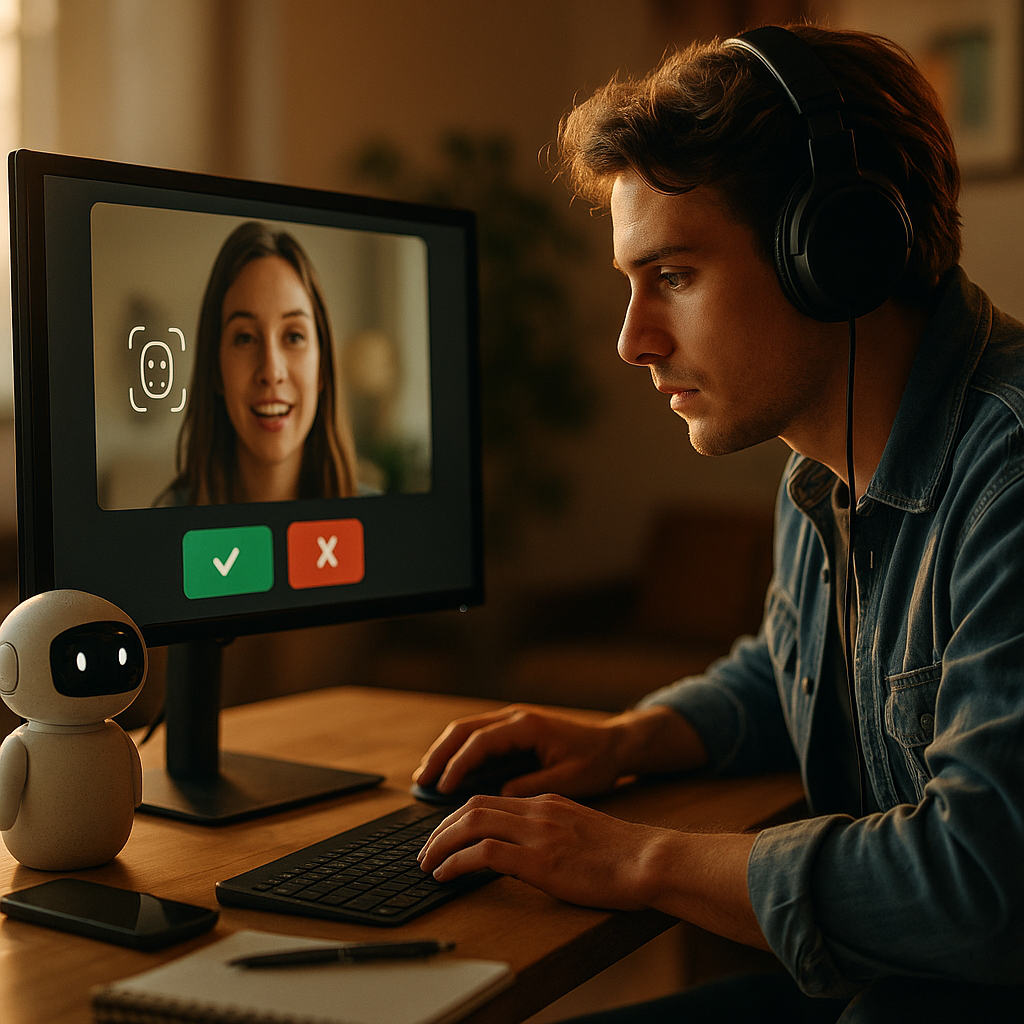
Six weeks. That’s how long the average multi-stakeholder creator campaign spent stuck in approval limbo before a single post went live, according to workflow benchmarks cited across agency operations teams last year. A streamlined approval workflow powered by AI is now cutting that down to two or three days for most brands. If your legal, brand, and marketing teams are still trading redlines over email threads, you’re not just slow. You’re bleeding budget on creators who’ve moved on to other clients.
Why Approval Bottlenecks Became a P&L Problem
Creator content approval used to be a rounding error in campaign planning. Not anymore. As influencer budgets have scaled into eight and nine figures at major CPG and retail brands, the approval chain has grown proportionally: legal review, brand safety sign-off, regional compliance checks, client approval, and sometimes a fourth or fifth layer for regulated categories like finance or pharma.
Each handoff adds latency. Each round of revisions adds cost. And every day a piece of content sits in review is a day it’s not driving reach, engagement, or sales. Creators know this too — the ones with real leverage are increasingly building “response time” clauses into contracts, or simply deprioritizing brands known for slow turnaround.
A campaign that takes six weeks to approve content is, by definition, a campaign built for last quarter’s trends, not this week’s.
This is the operational reality that’s pushed AI-driven approval tooling from nice-to-have to board-level priority. It’s not about replacing human judgment. It’s about removing the friction that makes human judgment slow.
What “AI Approval Workflow” Actually Means in Practice
Strip away the marketing language and an AI-driven approval workflow does three things well: it flags obvious risk automatically, it routes content to the right reviewer instantly, and it learns from every past decision to reduce redundant review cycles.
- Automated first-pass screening — AI models scan creator drafts for FTC disclosure compliance, prohibited claims, logo misuse, off-brand tone, and even background objects that could pose IP or brand-safety issues.
- Smart routing — content gets sent directly to the specific approver who needs to see it, not a generic inbox that sits unread for 48 hours.
- Institutional memory — the system remembers what got rejected last time and why, so creators and account managers stop repeating the same mistakes campaign after campaign.
Platforms like Aspire, GRIN, and CreatorIQ have all built compliance-scanning layers into their workflow products, and dedicated point solutions are emerging specifically for brand-safety scanning at the content level. The result: a first-pass review that used to take a human three days now takes a machine three minutes. Humans still make the final call, but they’re reviewing a pre-filtered, pre-flagged draft instead of starting from zero.
The Math on Turnaround Time
Here’s a rough but realistic before-and-after based on workflows we’ve tracked across mid-market and enterprise brand programs:
- Legacy process: creator submits draft → sits in shared drive 2-3 days → brand marketing reviews → sent to legal → legal reviews 3-5 days → revisions requested → creator revises 2-4 days → re-review → approval. Total: 3-6 weeks.
- AI-assisted process: creator submits draft → AI compliance scan flags issues in minutes → creator or agency fixes flagged items same day → human reviewer confirms and approves → live. Total: 2-5 days.
That’s not a marginal efficiency gain. That’s a fundamentally different operating cadence, and it changes what’s possible in reactive, trend-driven marketing. For more on how AI tooling is reshaping the creative production side of this equation, see how briefs get engineered for algorithmic reach before content ever reaches the approval stage.
Where the Risk Actually Lives — And Why Speed Can’t Sacrifice It
Faster isn’t automatically better if it means sloppier. The brands getting this wrong are the ones treating AI approval tools as a rubber stamp rather than a triage system. Compliance failures in influencer marketing carry real regulatory teeth: the FTC has continued tightening enforcement on undisclosed partnerships, and the UK’s ICO has flagged data and consent issues tied to creator content reuse in paid media.
Good AI approval systems are built to reduce false negatives on these exact risks — disclosure language, claims substantiation, and platform-specific ad policy alignment. The tools that matter most scan for the boring-but-critical stuff: is #ad or #sponsored actually present and visible, does the health claim have substantiation on file, is the competitor product blurred out.
The brands cutting turnaround time fastest aren’t skipping compliance steps — they’re compressing the time it takes to execute them properly.
This distinction matters enormously for procurement and legal teams evaluating vendors. If you’re assessing an AI compliance tool, ask for its false-positive and false-negative rates on historical content, not just its average processing speed. A tool that approves in 90 seconds but misses disclosure violations isn’t saving you time — it’s deferring risk to a much more expensive moment down the line. Our breakdown on vetting brand compliance at scale covers the evaluation criteria in more depth.
The Human Layer Doesn’t Disappear. It Gets Smarter.
Some brand teams worry that automating first-pass review means losing the nuanced judgment calls that separate good creative from tone-deaf creative. That’s a fair concern, and the best implementations address it directly by keeping humans firmly in the loop for anything subjective.
What AI actually removes is the tedious, repetitive part of review: checking font compliance, verifying hashtag placement, confirming a logo hasn’t been cropped, cross-referencing claims against an approved messaging matrix. That’s the work nobody wants to do manually anyway, and it’s exactly the kind of pattern-matching task machine learning models handle well.
The human reviewers left in the loop get to spend their time on judgment calls: does this creative feel authentic to the creator’s voice, does the humor land, is this the right moment to publish given current events. That’s a better use of a senior brand manager’s time than counting hashtags. It’s also a stronger argument to make internally when a legal or compliance team pushes back on adopting new tooling — you’re not cutting their role, you’re cutting their busywork.
Stakeholder Alignment Is Still the Hard Part
Tooling alone doesn’t fix a broken approval process. If your legal team requires sign-off on every single post regardless of risk level, no AI system will get you to a two-day turnaround. The workflow redesign has to happen alongside the tech rollout.
Smart brands are implementing tiered review: low-risk content (a lifestyle post with standard disclosure, no product claims) goes through automated approval with spot-check audits. Medium-risk content (anything mentioning efficacy, pricing, or comparisons) gets human review with AI pre-screening. High-risk content (regulated categories, paid amplification, contractual exclusivity claims) still gets full manual review, just faster because the AI has already flagged the specific sections needing attention.
This tiering approach mirrors what’s happening in adjacent areas of AI marketing governance — see how teams are applying similar risk-based thinking in managing hallucination risk in creator briefs and in explainable AI requirements regulators are pushing for.
What This Means for Creator Relationships
Turnaround time isn’t just an internal efficiency metric anymore — it’s a competitive factor in creator recruitment and retention. Top-tier creators field multiple brand inquiries weekly. The brands that respond fast, approve fast, and pay fast get first pick of talent and priority slotting in content calendars.
Industry surveys from eMarketer and reporting from Sprout Social have both pointed to speed and clarity of brand communication as top factors creators weigh when deciding which partnerships to renew. A creator who waits three weeks for approval on a trending audio format has, functionally, missed the trend. That’s a wasted fee and a frustrated partner.
Faster approval cycles also mean brands can lean into reactive, real-time content strategies that were previously impossible with legacy review processes. If your competitor can turn around a trend-jacking post in 48 hours and you need three weeks, you’ve already lost that cycle regardless of budget size.
Choosing the Right Approval Stack
Not every AI approval tool is built the same, and procurement teams should resist buying based on demo polish alone. A few evaluation questions worth asking any vendor:
- Does the tool integrate with your existing creator management platform, or does it require a separate login and manual export/import?
- Can compliance rules be customized per region, per product category, and per regulatory jurisdiction?
- What’s the audit trail? Regulators and legal teams will want a documented history of who approved what and when.
- How does the vendor handle model updates — will approval criteria silently shift when they retrain, and will you be notified?
- Is there a proprietary detection model behind the tool, or is it a thin layer over a general-purpose LLM? This is worth scrutinizing closely, similar to the diligence question raised in evaluating whether an AI vendor is proprietary tech or just a wrapper.
Pricing models also deserve scrutiny. Some vendors charge per content piece scanned, others per seat, others on a token-consumption basis that can spike unpredictably at scale — a dynamic explored in our piece on token-based AI pricing in marketing tools. Know your projected content volume before you sign anything.
Next Step
Audit your current approval chain this week: time-stamp every handoff on your last five campaigns and identify where content actually sits idle versus where it’s genuinely being reviewed. That single exercise will tell you whether your bottleneck is technology, headcount, or process — and which one to fix first.
FAQs
How much faster is AI-driven creator content approval compared to manual review?
Most brands report cutting turnaround from three to six weeks down to two to five days when AI pre-screening handles compliance checks and routing, leaving humans to focus on subjective judgment calls.
Does AI approval software replace legal and compliance teams?
No. It automates repetitive first-pass checks like disclosure language and claims verification, but human reviewers still make final decisions on nuanced or high-risk content.
What compliance risks should brands prioritize when automating approvals?
FTC disclosure requirements, unsubstantiated product claims, and regional regulatory differences top the list. These carry the highest financial and reputational risk if missed.
How do brands avoid over-automating and missing genuine risks?
Use tiered review: low-risk content moves through automated approval with periodic audits, while medium and high-risk content still gets human sign-off, guided by AI-flagged sections.
Does faster approval actually improve creator relationships?
Yes. Creators increasingly prioritize brands with fast, predictable approval processes, since delays can mean missing trending formats or losing content relevance entirely.
Top Influencer Marketing Agencies
The leading agencies shaping influencer marketing in 2026
Agencies ranked by campaign performance, client diversity, platform expertise, proven ROI, industry recognition, and client satisfaction. Assessed through verified case studies, reviews, and industry consultations.
Moburst

-
2

The Shelf
Boutique Beauty & Lifestyle Influencer AgencyA data-driven boutique agency specializing exclusively in beauty, wellness, and lifestyle influencer campaigns on Instagram and TikTok. Best for brands already focused on the beauty/personal care space that need curated, aesthetic-driven content.Clients: Pepsi, The Honest Company, Hims, Elf Cosmetics, Pure LeafVisit The Shelf → -
3

Audiencly
Niche Gaming & Esports Influencer AgencyA specialized agency focused exclusively on gaming and esports creators on YouTube, Twitch, and TikTok. Ideal if your campaign is 100% gaming-focused — from game launches to hardware and esports events.Clients: Epic Games, NordVPN, Ubisoft, Wargaming, Tencent GamesVisit Audiencly → -
4

Viral Nation
Global Influencer Marketing & Talent AgencyA dual talent management and marketing agency with proprietary brand safety tools and a global creator network spanning nano-influencers to celebrities across all major platforms.Clients: Meta, Activision Blizzard, Energizer, Aston Martin, WalmartVisit Viral Nation → -
5

The Influencer Marketing Factory
TikTok, Instagram & YouTube CampaignsA full-service agency with strong TikTok expertise, offering end-to-end campaign management from influencer discovery through performance reporting with a focus on platform-native content.Clients: Google, Snapchat, Universal Music, Bumble, YelpVisit TIMF → -
6

NeoReach
Enterprise Analytics & Influencer CampaignsAn enterprise-focused agency combining managed campaigns with a powerful self-service data platform for influencer search, audience analytics, and attribution modeling.Clients: Amazon, Airbnb, Netflix, Honda, The New York TimesVisit NeoReach → -
7

Ubiquitous
Creator-First Marketing PlatformA tech-driven platform combining self-service tools with managed campaign options, emphasizing speed and scalability for brands managing multiple influencer relationships.Clients: Lyft, Disney, Target, American Eagle, NetflixVisit Ubiquitous → -
8

Obviously
Scalable Enterprise Influencer CampaignsA tech-enabled agency built for high-volume campaigns, coordinating hundreds of creators simultaneously with end-to-end logistics, content rights management, and product seeding.Clients: Google, Ulta Beauty, Converse, AmazonVisit Obviously →