


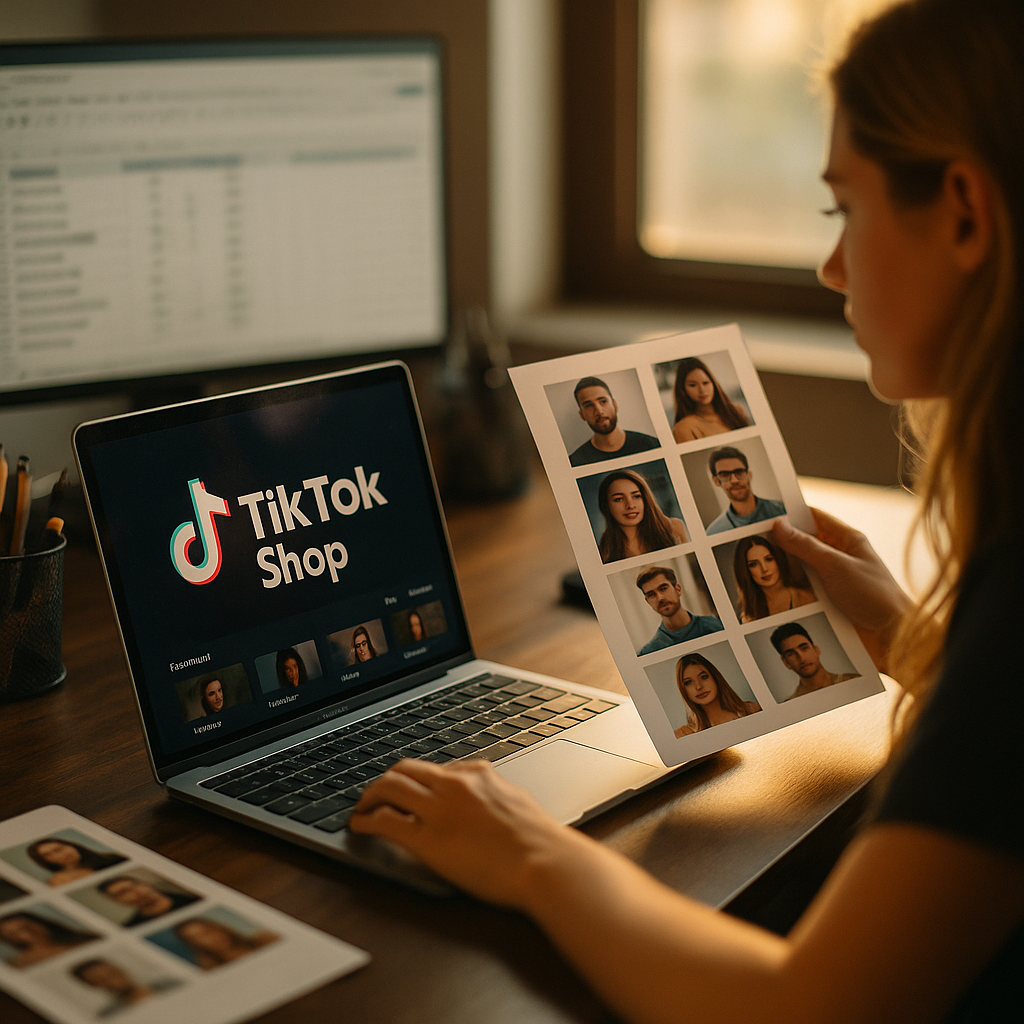
TikTok Shop added more than a million new sellers globally in the past year, and every single one of them is competing for the same finite pool of affiliate creators. If your recruitment process still relies on a marketing manager scrolling the Creator Marketplace at midnight, you’re not running a program. You’re running a hobby. Creator recruitment software exists precisely because sourcing affiliates at scale has stopped being a manual task and started being an infrastructure problem.
Why Manual Sourcing Breaks Down Past a Certain Volume
Every brand starts the same way. Someone on the team messages a few creators, negotiates a commission rate, sends product, and calls it an affiliate program. That works when you need five creators. It falls apart when you need five hundred.
The math doesn’t favor manual outreach. A single recruiter can realistically vet and onboard maybe 15 to 20 creators a week if they’re diligent about checking engagement authenticity, audience fit, and compliance history. Scale that against a TikTok Shop catalog with dozens of SKUs, each needing its own creator mix, and you’re looking at a staffing problem that no reasonable headcount budget solves.
There’s also a quality decay issue nobody talks about enough. When recruiters are under pressure to hit volume targets, vetting standards slip. Brands end up onboarding creators with inflated follower counts, mismatched audiences, or a history of flagged content. That’s how GMV numbers look great in a weekly report and terrible in a quarterly audit. Our GMV dashboard breakdown covers exactly how these discrepancies surface later.
Recruitment speed without vetting rigor doesn’t scale a program. It scales your liability.
What Creator Recruitment Software Actually Does
Strip away the vendor marketing language and creator recruitment platforms perform four core functions: discovery, vetting, outreach automation, and pipeline management.
- Discovery: Pulling creator profiles from TikTok’s Creator Marketplace API, third-party databases, or lookalike modeling based on your existing top performers.
- Vetting: Screening for audience authenticity, brand safety flags, past FTC violations, and content history relevant to your category.
- Outreach automation: Sending personalized invites at scale, negotiating commission tiers within preset parameters, and managing sample fulfillment logistics.
- Pipeline management: Tracking creators through stages (invited, onboarded, active, dormant, flagged) so nobody falls through the cracks.
Platforms like Archive, Modash, GRIN, and TikTok’s native Creator Marketplace all approach this differently. Some lean heavily on algorithmic matching, others prioritize human-in-the-loop review for higher-value partnerships. The right choice depends on how much control your team wants to retain versus how much throughput you actually need.
Lookalike Modeling Changed the Sourcing Math
One of the more useful developments in this space is lookalike modeling for creator discovery, essentially feeding a platform your best-performing affiliates and asking it to find statistically similar creators across audience demographics, content style, and engagement patterns. This matters enormously for nano and micro creator recruitment, where manual scouting simply doesn’t scale. We’ve covered how this works in practice in our piece on lookalike modeling for nano creators, and the short version is that it shrinks time-to-qualified-lead dramatically compared to keyword-based search alone.
Build vs Buy: Does Automation Actually Beat a Human Scout?
This is the question every VP of marketing eventually asks their team, usually right after a budget review. The honest answer is: it depends on what you’re optimizing for.
AI-driven discovery tools win on volume and speed. They can surface thousands of candidate creators in the time it takes a human scout to manually review fifty. But human scouts still outperform algorithms on nuanced judgment calls, like whether a creator’s comedic tone actually fits a brand’s voice, or whether a spike in follower count looks organic or purchased. Our detailed cost comparison in AI discovery versus human scouts breaks down the per-creator cost delta, and it’s not as lopsided as vendors want you to believe.
The practical answer for most mid-to-large TikTok Shop programs is hybrid: automated tools handle top-of-funnel sourcing and initial screening, while human strategists make final calls on anyone above a certain spend threshold or anyone entering a whitelisting agreement.
Negotiation at Scale: Rate Cards Versus Algorithmic Pricing
Sourcing creators is only half the battle. Negotiating commission structures across hundreds of affiliates without a standardized approach creates chaos, inconsistent margins, and creators comparing notes in Discord servers about who got the better deal.
Rate engine software, the kind built into platforms like Levanta, automates this by benchmarking commission offers against category norms, creator tier, and historical conversion data. It’s a meaningfully different negotiation posture than a manual back-and-forth over DMs. We compared the two approaches directly in rate engine versus manual negotiation, and the takeaway is that automated pricing reduces variance but can undervalue creators with unique audience quality that doesn’t show up in standard metrics.
A rate engine will save you from overpaying dozens of average creators. It won’t tell you which one creator is worth breaking your rate card for.
Compliance Isn’t Optional, and Software Should Prove It
TikTok Shop affiliate programs sit at the intersection of two regulatory pressure points: FTC disclosure requirements and platform-specific content policies. A creator recruitment tool that doesn’t build compliance checks into the sourcing workflow is setting your legal team up for a bad quarter.
Look for platforms that automatically flag creators with a history of undisclosed sponsorships, verify that affiliate links include proper disclosure language, and maintain an audit trail of every outreach and agreement. The FTC’s endorsement guidelines haven’t gotten easier to satisfy manually as programs scale, and enforcement activity around influencer disclosure has only increased.
This connects directly to whitelisting, since many TikTok Shop programs eventually want to run paid amplification through top affiliate content. If your recruitment software doesn’t hand off cleanly into a whitelisting workflow, you’re duplicating vetting work later. Our breakdown of affiliate whitelisting stacks covers the layers most brands forget, and recruitment-to-whitelisting handoff is near the top of that list.
Features That Actually Matter (Not Just Marketing Checkboxes)
Vendor demos are designed to impress, not inform. Here’s what to actually pressure-test before signing a contract:
- API depth with TikTok Shop: Does the tool pull real-time performance data, or is it relying on stale exports?
- Deduplication logic: Can it tell when the same creator has multiple accounts or has already been contacted by another team member?
- Fraud detection: Does it flag engagement pods, follower purchase patterns, or suspicious growth spikes?
- Payout reconciliation: Does commission tracking sync with finance systems, or does someone still export CSVs manually every month? Our piece on attribution platforms that reconcile payouts is a good sanity check here.
- Category-specific filters: Beauty, home goods, and supplements each attract different creator archetypes, and generic filters waste time.
According to Sprout Social’s influencer marketing research, brands that use structured vetting criteria report significantly fewer partnership cancellations mid-campaign compared to those relying on informal outreach. That’s the operational efficiency argument in a single data point: better sourcing tools reduce churn, and churn is expensive.
What About Cost Per Recruited Creator?
Pricing models vary widely, from flat SaaS subscriptions to per-creator sourcing fees to hybrid models that charge a percentage of affiliate GMV. There’s no universally “cheap” option here, only options that are cheap relative to your recruitment volume. A brand onboarding 50 creators a month will get better unit economics from a subscription model. A brand running seasonal spikes, say around a product launch, might do better with a pay-per-sourced-creator arrangement that avoids paying for idle months. This is similar logic to the marketplace-versus-freelancer cost comparisons covered in UGC sourcing cost breakdowns, where volume determines which pricing model actually wins.
Questions to Ask Before You Sign a Vendor Contract
Recruitment software vendors are, unsurprisingly, going to tell you their platform solves every problem you have. Push past that. Ask for a live demo using your actual product category, not a generic beauty or fashion example. Ask how creator data gets refreshed, how often false positives show up in fraud detection, and what happens to your sourcing pipeline if you switch vendors later. Switching costs in this space are underappreciated until you’re mid-migration with three hundred active affiliates and a broken data export.
According to eMarketer’s creator economy forecasts, affiliate-driven commerce continues to grow faster than traditional sponsored content spend, which means the sourcing infrastructure question isn’t going away. It’s becoming the core operational bottleneck for brands trying to scale TikTok Shop programs profitably.
Next Step
Audit your current recruitment process against actual volume needs: if you’re sourcing more than 30 creators a month by hand, you’re already paying an invisible tax in staff time and missed opportunities. Pilot one recruitment platform against a single product category for 60 days, track cost-per-active-affiliate against your manual baseline, and let that number, not the vendor pitch deck, decide your next contract.
FAQs
What is creator recruitment software for TikTok Shop?
It’s a category of tools that automates discovery, vetting, outreach, and pipeline management for TikTok Shop affiliate creators, replacing manual scouting with algorithmic matching and standardized onboarding workflows.
How is creator recruitment software different from the TikTok Creator Marketplace?
TikTok’s native Creator Marketplace handles basic discovery and connection, but most brands need additional tooling for fraud detection, compliance tracking, rate negotiation automation, and payout reconciliation that the native platform doesn’t fully cover at scale.
Can automated sourcing replace human recruiters entirely?
Not for every stage. Automation handles top-of-funnel volume well, but human judgment still matters for high-spend partnerships, nuanced brand fit decisions, and final compliance review before contracts are signed.
How much does creator recruitment software typically cost?
Pricing ranges from flat monthly subscriptions to per-creator sourcing fees to percentage-of-GMV models. The right structure depends on your monthly recruitment volume and whether your program has seasonal spikes.
What compliance risks should brands watch for when scaling affiliate recruitment?
Undisclosed sponsorships, missing FTC-compliant disclosure language, and inadequate audit trails are the most common risks. Recruitment software should flag these issues automatically before a creator is onboarded, not after a campaign has launched.
Top Influencer Marketing Agencies
The leading agencies shaping influencer marketing in 2026
Agencies ranked by campaign performance, client diversity, platform expertise, proven ROI, industry recognition, and client satisfaction. Assessed through verified case studies, reviews, and industry consultations.
Moburst

-
2

The Shelf
Boutique Beauty & Lifestyle Influencer AgencyA data-driven boutique agency specializing exclusively in beauty, wellness, and lifestyle influencer campaigns on Instagram and TikTok. Best for brands already focused on the beauty/personal care space that need curated, aesthetic-driven content.Clients: Pepsi, The Honest Company, Hims, Elf Cosmetics, Pure LeafVisit The Shelf → -
3

Audiencly
Niche Gaming & Esports Influencer AgencyA specialized agency focused exclusively on gaming and esports creators on YouTube, Twitch, and TikTok. Ideal if your campaign is 100% gaming-focused — from game launches to hardware and esports events.Clients: Epic Games, NordVPN, Ubisoft, Wargaming, Tencent GamesVisit Audiencly → -
4

Viral Nation
Global Influencer Marketing & Talent AgencyA dual talent management and marketing agency with proprietary brand safety tools and a global creator network spanning nano-influencers to celebrities across all major platforms.Clients: Meta, Activision Blizzard, Energizer, Aston Martin, WalmartVisit Viral Nation → -
5

The Influencer Marketing Factory
TikTok, Instagram & YouTube CampaignsA full-service agency with strong TikTok expertise, offering end-to-end campaign management from influencer discovery through performance reporting with a focus on platform-native content.Clients: Google, Snapchat, Universal Music, Bumble, YelpVisit TIMF → -
6

NeoReach
Enterprise Analytics & Influencer CampaignsAn enterprise-focused agency combining managed campaigns with a powerful self-service data platform for influencer search, audience analytics, and attribution modeling.Clients: Amazon, Airbnb, Netflix, Honda, The New York TimesVisit NeoReach → -
7

Ubiquitous
Creator-First Marketing PlatformA tech-driven platform combining self-service tools with managed campaign options, emphasizing speed and scalability for brands managing multiple influencer relationships.Clients: Lyft, Disney, Target, American Eagle, NetflixVisit Ubiquitous → -
8

Obviously
Scalable Enterprise Influencer CampaignsA tech-enabled agency built for high-volume campaigns, coordinating hundreds of creators simultaneously with end-to-end logistics, content rights management, and product seeding.Clients: Google, Ulta Beauty, Converse, AmazonVisit Obviously →