


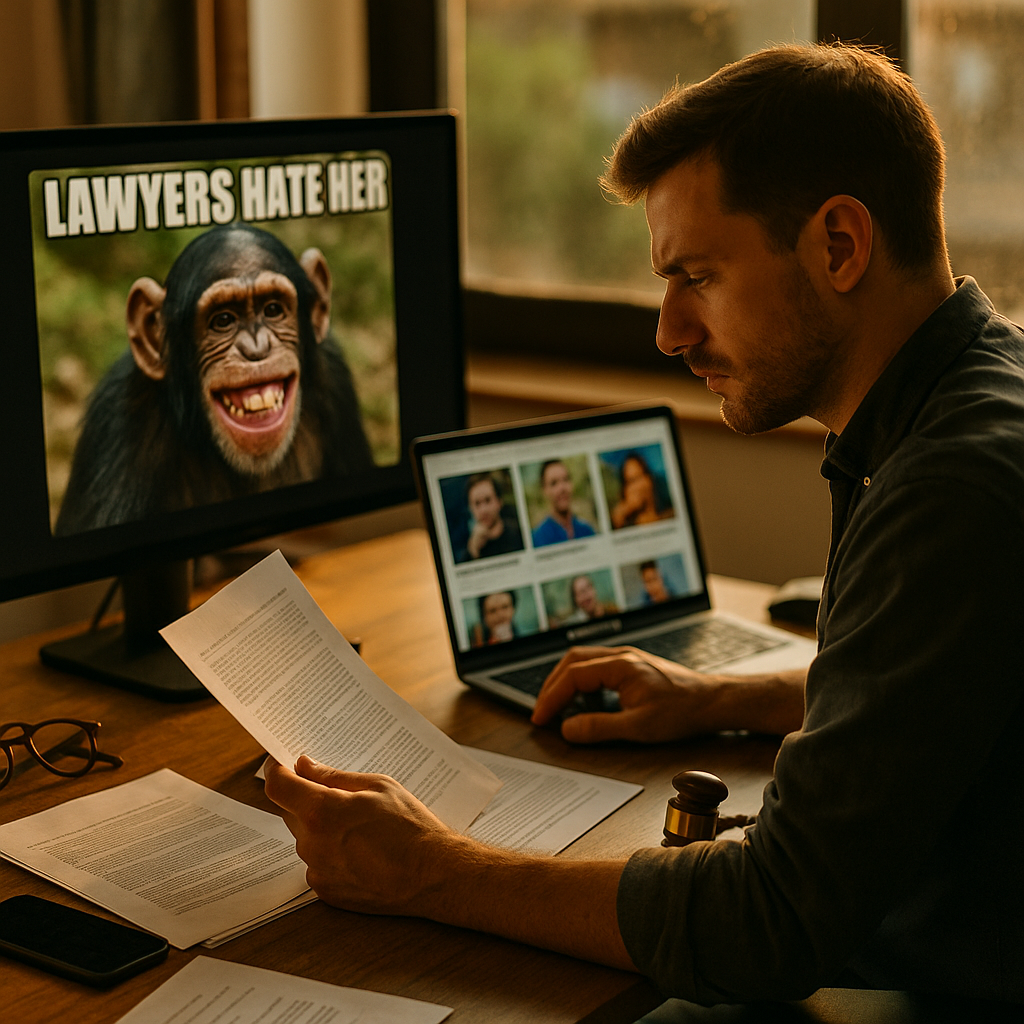
Trends die in under 72 hours on most platforms, yet legal review at the average brand takes five business days. That gap is where meme-jacking either makes a brand look culturally fluent or turns it into a case study for what not to do. The primary skill here isn’t creativity. It’s building a system fast enough to ride a format before it’s dead, without skipping the checks that keep you out of a cease-and-desist letter.
This playbook is for teams who want speed and safety in the same workflow, not one at the expense of the other.
Why Meme-Jacking Is Riskier Than It Looks
Jumping on a viral format feels low-risk because it’s “just” a meme. That’s the trap. Memes carry embedded context, inside jokes, and sometimes copyrighted audio or footage that a legal team hasn’t cleared. A format that reads as harmless satire in one community can read as tone-deaf or exploitative to a brand’s actual customer base.
There’s also a trademark and IP layer most marketers underestimate. Using a clip from a film, a viral news moment, or another creator’s original sound without a license isn’t automatically fair use just because everyone else is doing it. Platforms like TikTok have licensing agreements that cover user posts, but a brand account posting the same content for commercial gain sits in a different legal bucket. The FTC has also made clear that humor doesn’t exempt a brand from disclosure rules if the post is promotional.
Speed without a filter isn’t agility, it’s exposure. The brands that win at meme-jacking aren’t the fastest, they’re the fastest with a pre-approved filter already in place.
Build the 90-Minute Response Window
Most viral formats have a shelf life of one to three days before saturation kills the joke. If your approval chain takes longer than that, you’re not meme-jacking, you’re doing a delayed homage nobody asked for. The fix isn’t rushing legal, it’s restructuring the chain so review happens in parallel, not in sequence.
- Pre-cleared creative pillars: Define three to five brand voice “modes” (self-deprecating, deadpan, wholesome, etc.) that are already legal-approved. When a trend hits, you’re only matching format to an existing pillar, not inventing a new tone from scratch.
- A standing rapid-response Slack channel: Social, legal, and brand leads in one thread with a two-hour SLA for a yes/no/modify response.
- A one-page risk checklist: Trademark exposure, sensitive topic adjacency, and disclosure needs, scored in under ten minutes.
This is the same operational logic behind sequencing creators for momentum: the win isn’t one perfect asset, it’s a repeatable pipeline that keeps producing on time.
Is It Actually On-Brand, or Just On-Trend?
Here’s the question every social lead should ask before hitting publish: would this format still make sense if we swapped our logo for a competitor’s? If the answer is yes, you’re not meme-jacking a moment that fits your brand, you’re just following a trend for visibility. That’s not necessarily wrong, reach has value, but it should be a conscious choice, not a default.
A useful gut-check comes from the same discipline used in brand safety without rigid rules. Instead of a 40-point compliance document nobody reads under time pressure, use a short set of non-negotiables (no political commentary, no health claims, no third-party IP without clearance) and let the team move fast inside those guardrails.
The Format Matters More Than the Joke
Not every viral format is worth chasing. Sound-based trends, for example, often carry licensing complications that text-based or caption-driven formats don’t. If speed and legal simplicity matter more than novelty, lean toward formats like caption-heavy TikToks, which sidestep music licensing entirely and are easier to localize or pull if the trend sours mid-flight.
The Approval Ladder: Who Signs Off, and How Fast
Most brand-safety failures in meme-jacking don’t come from bad judgment, they come from unclear ownership. Nobody knew who had final say, so someone junior posted it to “not miss the window,” and now the brand is trending for the wrong reason.
A simple three-tier ladder solves this:
- Tier 1 (green light, no review needed): Format matches a pre-approved pillar, uses no third-party IP, and stays within the non-negotiables list. Social team posts within the hour.
- Tier 2 (fast review): Format is new or borderline. Requires a two-person sign-off (social lead plus brand or legal) within a two-hour window.
- Tier 3 (hold): Format touches politics, health, tragedy, or uses copyrighted material. Full legal review required, and if the trend dies before that clears, you let it go. That’s the cost of doing this safely.
According to Sprout Social’s ongoing social trends research, brands that respond to cultural moments within the first 24 hours see meaningfully higher engagement than those who post after saturation. Speed compounds, but only when the guardrails are already built, not improvised in the moment.
Fast Brands, Faster Regret
The graveyard of meme-jacking fails is full of brands that had the right instinct and the wrong process. A fast food chain jumping on a meme tied to a tragedy within hours. A finance brand using a viral dance trend with a sound that had explicit lyrics nobody previewed. A B2B SaaS company mimicking a format that made sense for Gen Z fashion brands but landed as confusing for its actual buyer persona of 40-something IT directors.
The common thread isn’t lack of creativity. It’s skipping the ten-minute check that would have caught the problem. Every one of these was avoidable with a checklist, not a committee.
The brands that get burned by meme-jacking almost never lack speed. They lack a ten-minute pause built into that speed.
Contrast that with formats built for controlled spontaneity, like reaction content briefs, where the creative brief anticipates variability and gives creators room to riff without opening legal exposure. That’s the model meme-jacking should borrow: structure that allows for looseness, not looseness with no structure at all.
Disclosure Still Applies, Even When It’s “Just a Meme”
If a meme-jacked post promotes a product, links to a purchase, or is posted by a paid creator, disclosure rules still apply regardless of tone. This trips up more teams than any other part of the process because the format feels casual, so the compliance instinct turns off. It shouldn’t. The same logic that governs comment-bait formats and compliance lines applies here: humor is not a disclosure exemption.
Build disclosure language into your pre-approved pillars so it’s baked in from the start, not bolted on after legal flags it. A simple #ad or “Partner” tag in the caption, styled to match the meme’s native tone, keeps you compliant without killing the joke.
Measuring Whether It Was Worth the Risk
Engagement spikes are easy to celebrate and easy to misread. A meme-jacked post that gets huge reach but zero brand recall or negative sentiment in the comments isn’t a win, it’s noise. Track sentiment ratio, not just volume, and watch save/share rates as a proxy for whether the audience saw the brand as additive to the joke or as an intruder in it.
Data from eMarketer consistently shows that trend-jacked content has a shorter shelf life than evergreen brand content, so treat the metrics window differently: judge these posts on 48 to 72 hour performance, not the standard 30-day content review cycle.
Where This Fits Into Your Broader Content Calendar
Meme-jacking shouldn’t be your whole strategy, it’s a fast-twitch muscle sitting alongside slower, planned formats. Teams that do this well usually run 70 to 80 percent planned content (think mini-doc style trust builders) and reserve the remainder for reactive, trend-driven posts. That balance keeps the brand from looking like it’s chasing every wave while still staying culturally present when it matters.
Platforms themselves are also formalizing trend discovery, worth checking regularly through TikTok’s ad platform trend tools so your team isn’t relying on gut feel to spot what’s rising versus what’s already peaked.
Next Step
Don’t wait for the next viral moment to figure out your approval chain. Build the three-tier ladder, pre-clear your brand voice pillars, and bake disclosure language in now, so the only decision left when a trend hits is whether it fits, not whether it’s legal.
Frequently Asked Questions
What is meme-jacking in marketing?
Meme-jacking is when a brand quickly adapts a viral meme, sound, or format to its own product or message, aiming to ride existing cultural momentum instead of creating a trend from scratch.
How fast should a brand respond to a viral trend?
Most formats peak within 24 to 72 hours, so responding within the first day generally captures the most engagement. Beyond that window, the format is often saturated and a brand’s version reads as late rather than clever.
Do FTC disclosure rules apply to meme-style content?
Yes. If the post promotes a product or is created by a paid partner, disclosure requirements apply regardless of tone or format. Humor is not an exemption under FTC guidance.
What’s the biggest legal risk in meme-jacking?
Unlicensed use of third-party audio, footage, or copyrighted material is the most common issue, followed by trademark conflicts when a meme references another company’s product or campaign.
How do you build a fast approval process without skipping legal review?
Use a tiered system: pre-approve safe brand voice pillars for instant posting, require a quick two-person sign-off for borderline formats, and reserve full legal review only for content touching sensitive topics or third-party IP.
How should success be measured for meme-jacked content?
Look at sentiment ratio and save/share behavior over a 48 to 72 hour window rather than standard 30-day content metrics, since trend-driven posts have a shorter, more front-loaded performance curve.
Top Influencer Marketing Agencies
The leading agencies shaping influencer marketing in 2026
Agencies ranked by campaign performance, client diversity, platform expertise, proven ROI, industry recognition, and client satisfaction. Assessed through verified case studies, reviews, and industry consultations.
Moburst

-
2

The Shelf
Boutique Beauty & Lifestyle Influencer AgencyA data-driven boutique agency specializing exclusively in beauty, wellness, and lifestyle influencer campaigns on Instagram and TikTok. Best for brands already focused on the beauty/personal care space that need curated, aesthetic-driven content.Clients: Pepsi, The Honest Company, Hims, Elf Cosmetics, Pure LeafVisit The Shelf → -
3

Audiencly
Niche Gaming & Esports Influencer AgencyA specialized agency focused exclusively on gaming and esports creators on YouTube, Twitch, and TikTok. Ideal if your campaign is 100% gaming-focused — from game launches to hardware and esports events.Clients: Epic Games, NordVPN, Ubisoft, Wargaming, Tencent GamesVisit Audiencly → -
4

Viral Nation
Global Influencer Marketing & Talent AgencyA dual talent management and marketing agency with proprietary brand safety tools and a global creator network spanning nano-influencers to celebrities across all major platforms.Clients: Meta, Activision Blizzard, Energizer, Aston Martin, WalmartVisit Viral Nation → -
5

The Influencer Marketing Factory
TikTok, Instagram & YouTube CampaignsA full-service agency with strong TikTok expertise, offering end-to-end campaign management from influencer discovery through performance reporting with a focus on platform-native content.Clients: Google, Snapchat, Universal Music, Bumble, YelpVisit TIMF → -
6

NeoReach
Enterprise Analytics & Influencer CampaignsAn enterprise-focused agency combining managed campaigns with a powerful self-service data platform for influencer search, audience analytics, and attribution modeling.Clients: Amazon, Airbnb, Netflix, Honda, The New York TimesVisit NeoReach → -
7

Ubiquitous
Creator-First Marketing PlatformA tech-driven platform combining self-service tools with managed campaign options, emphasizing speed and scalability for brands managing multiple influencer relationships.Clients: Lyft, Disney, Target, American Eagle, NetflixVisit Ubiquitous → -
8

Obviously
Scalable Enterprise Influencer CampaignsA tech-enabled agency built for high-volume campaigns, coordinating hundreds of creators simultaneously with end-to-end logistics, content rights management, and product seeding.Clients: Google, Ulta Beauty, Converse, AmazonVisit Obviously →