


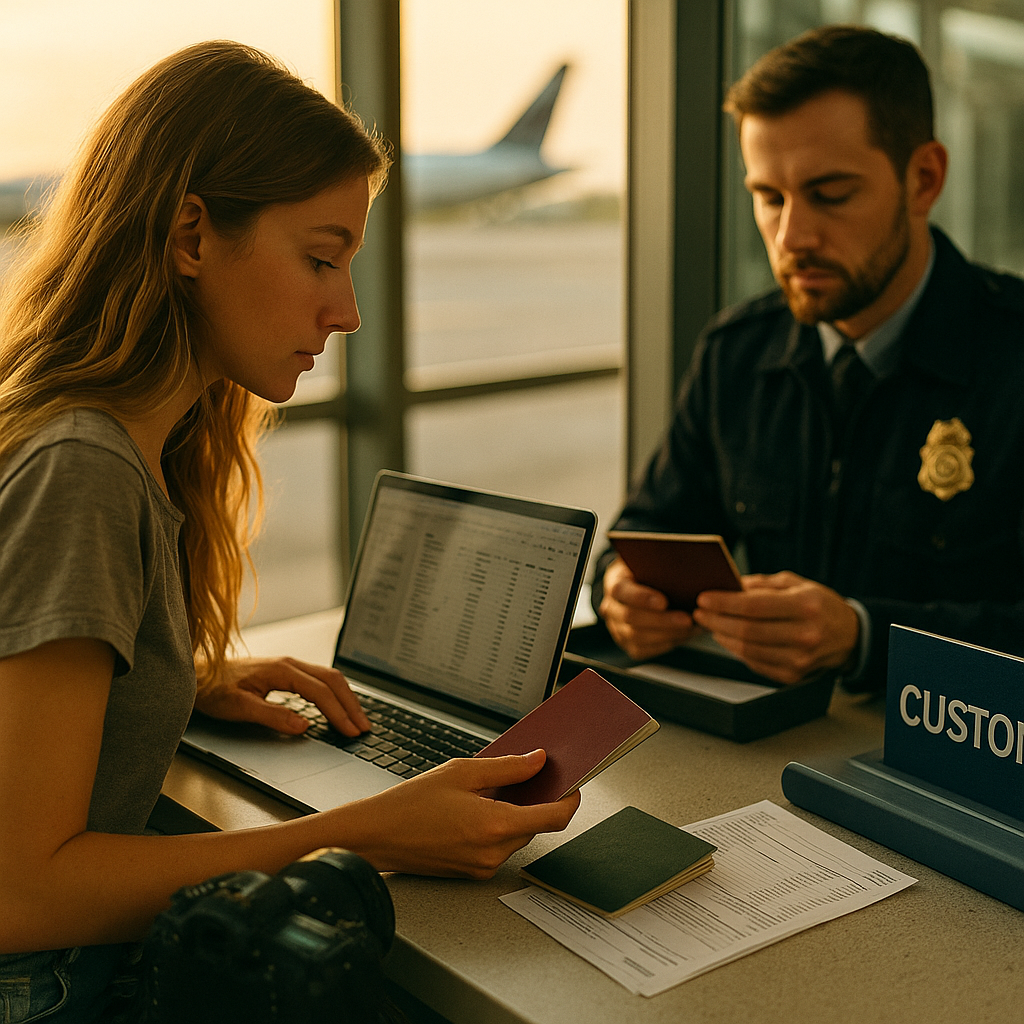
One misclassified creator on one international trip can cost a brand more than the entire campaign budget. Cross-border influencer trips look glamorous on Instagram Stories, but behind every villa shoot in Tulum or press junket in Milan sits a tangle of visa restrictions, labor law, and tax withholding rules that most marketing teams never think to check until an invoice from immigration counsel lands on their desk. If your influencer program crosses a border in 2026, compliance isn’t optional paperwork. It’s the line item that determines whether the trip actually generates ROI or turns into a liability nobody budgeted for.
Why This Suddenly Matters More
Brand trips used to mean a handful of macro influencers flown to a resort for three nights of content. Now they’re multi-market activations: a beauty brand flying 40 creators from six countries into Seoul for a product launch, or a travel brand running a creator residency across three EU cities in a single quarter. Scale changes the risk profile entirely. What was once a manageable gray area (creators technically “working” on tourist visas) becomes a pattern regulators can spot, especially as immigration and labor agencies increasingly coordinate with tax authorities on enforcement.
Add in the fact that creators now negotiate harder for usage rights, appearance fees, and exclusivity, and you’ve got contracts that look a lot more like employment agreements than they did five years ago. That distinction matters enormously once you cross a border.
The Visa Problem Nobody Budgets For
Here’s the uncomfortable truth: a tourist visa or visa waiver does not cover paid work, and content creation for a brand almost always counts as work in the eyes of immigration authorities. This applies even if the creator isn’t getting a direct cash fee, since many countries define “work” to include any activity performed for the benefit of a commercial entity, gifted product included.
Countries vary wildly in enforcement. The UK’s Permitted Paid Engagement visa route and specific creative worker categories exist precisely because authorities got tired of chasing influencers who filmed sponsored content on tourist entry. The US requires a B-1 visa or ESTA with explicit business purpose framing for creators attending brand events, and even that gets murky when “attending” shades into “performing paid content creation.” Japan, the UAE, and several EU member states have tightened short-term work permit categories specifically in response to influencer and creator economy activity.
A brand that flies ten creators into a country on tourist visas to film sponsored content isn’t taking a shortcut. It’s stacking ten separate immigration violations, any one of which can trigger an entry ban for the creator and a fine for the sponsoring entity.
The fix isn’t complicated, just tedious: map the specific activity (filming, live appearances, paid speaking, product demos) against each destination country’s short-term work visa requirements before you book flights. Build a two-week buffer into planning timelines for visa processing, because expedited options aren’t guaranteed and some consulates require in-person appointments that book out weeks in advance.
Who’s Actually Liable When Something Goes Wrong
Immigration violations typically attach to the individual creator, but labor authorities in many jurisdictions can also fine the “host entity,” meaning your brand or agency, for facilitating unauthorized work. That’s a direct financial exposure sitting on top of the reputational fallout of a creator getting detained or deported mid-campaign. Event organizers should treat visa compliance the same way they treat the venue and sweepstakes risk covered in our piece on IRL event risk management: as a legal checklist item, not a logistics afterthought.
Labor Law: The Part Everyone Skips
Labor classification questions don’t disappear just because the work happens abroad. In fact, they get more complicated. A creator who is correctly classified as an independent contractor at home might trigger local employment protections the moment they perform paid work inside another country’s borders, particularly in jurisdictions like France, Germany, and Spain where labor courts lean heavily toward worker protection regardless of contract language.
Some questions brands should be asking before every cross-border trip:
- Does the destination country require a local labor permit for short-term creative work, separate from the entry visa?
- Are there mandatory rest period, minimum wage, or working hour rules that apply to on-site content shoots, especially for trips involving minors or family creators?
- Could the trip’s structure (fixed schedule, brand-provided equipment, exclusivity during the trip) push a contractor relationship toward de facto employment under local tests?
- Who is responsible for local social security or insurance contributions if the engagement is reclassified?
This is where standardized documentation earns its keep. Brands that already use standardized base contracts for domestic creator work should build a cross-border addendum that flags jurisdiction-specific labor triggers rather than assuming one template covers every market. The same logic that protects brands from misclassification risk domestically, detailed in our breakdown of exclusive contract misclassification risk, applies with sharper teeth once a foreign labor authority is the one reviewing the paperwork.
Tax Withholding: Where the Real Money Leaks Out
This is the section finance teams wish marketing read first. Many countries require withholding tax on payments made to nonresident individuals performing services within their borders, even for a single event lasting a few days. The US, for instance, generally requires 30% withholding on payments to nonresident alien performers and entertainers unless a tax treaty reduces the rate and the creator has filed the appropriate forms in advance.
The catch: withholding obligations often fall on the payer, meaning your brand or agency, not the creator. Miss it, and you’re the one facing penalties and interest, not the influencer who cashed the check and went home. Treaty relief exists in many cases, but it requires proactive paperwork (think W-8BEN forms, certificates of residency, or advance rulings) filed before payment, not after.
Tax withholding on cross-border creator payments isn’t a rare edge case anymore. It’s a routine cost of doing international influencer marketing, and treating it as an afterthought is how six-figure penalty exposure happens.
Value-added tax (VAT) and goods and services tax (GST) rules add another layer. If a creator is invoicing your brand for services rendered inside an EU country, VAT registration and reverse-charge mechanisms may apply depending on where your entity is based. This is genuinely not a DIY problem. Loop in local tax counsel or a specialized global mobility firm before you finalize creator payment structures for any multi-country activation.
Building a Pre-Trip Compliance Checklist
Most of the risk in cross-border creator events gets baked in during the planning phase, long before anyone boards a plane. A practical operational checklist should include:
- Classify the activity type (filming, appearance, speaking, product demo) for every creator attending, since visa requirements differ by activity category in most jurisdictions.
- Confirm visa or work permit requirements at least six weeks ahead of travel, building in buffer for consulate delays.
- Run a labor classification check specific to the destination country, not just the creator’s home jurisdiction.
- Determine tax withholding obligations and treaty eligibility before finalizing payment amounts and timing.
- Update creator contracts with jurisdiction-specific addenda covering local compliance, insurance, and liability allocation.
- Document everything. Immigration and tax authorities respond far more favorably to brands who can show a good-faith compliance process than those who claim ignorance.
That documentation trail matters just as much as the compliance itself. The same audit-ready mindset brands apply to creator contract audits for revenue verification should extend to travel and immigration files, because regulators increasingly expect a paper trail, not just a policy statement.
What About Data and Payment Transfers?
Cross-border trips also generate cross-border data flows: passport copies, tax IDs, banking details, sometimes health information for insurance purposes. If any of that data moves through a CRM or payment platform touching EU-based creators, GDPR transfer rules apply regardless of where your brand is headquartered. Brands already navigating this for attribution data, as covered in our piece on GDPR data transfer compliance, should extend the same transfer impact assessment to event logistics vendors and payment processors handling creator personal data during international trips.
Small Trips Carry the Same Rules as Big Ones
It’s tempting to assume compliance only matters for large, splashy activations. It doesn’t. A single creator flown in for a weekend product seeding trip triggers the exact same visa and tax questions as a forty-person junket. Regulators don’t scale enforcement to campaign size, and neither should your compliance process. According to Statista data on the growing global creator economy, cross-border brand partnerships have expanded steadily as brands chase international audiences, which means the volume of small, easy-to-overlook trips is growing faster than most legal teams can track manually.
Practical takeaway: treat every international creator trip, regardless of headcount, as requiring the same three-part review (visa, labor, tax) before you confirm dates. Building this into a repeatable pre-trip template, reviewed by legal or a specialized mobility partner, turns compliance from a scramble into a standard operating procedure and protects both your brand and the creators you’re flying around the world.
Frequently Asked Questions
Do influencers need a work visa to film sponsored content abroad?
In most cases, yes. Tourist visas and visa waivers generally do not cover paid work or brand-sponsored content creation, even if no direct cash payment changes hands on-site. Immigration authorities in the US, UK, and much of the EU classify filming for a commercial brand as work requiring a specific permit or visa category.
Who is responsible for tax withholding on international creator payments?
The paying brand or agency typically bears responsibility for withholding tax on payments to nonresident creators performing services in another country. Failing to withhold correctly can result in penalties and interest assessed against the brand, not the creator, so it’s essential to confirm treaty eligibility and filing requirements before finalizing payment terms.
Can a creator be reclassified as an employee during a brand trip abroad?
Yes. Many countries apply stricter labor tests than the creator’s home jurisdiction, and factors like a fixed schedule, brand-provided equipment, and exclusivity during the trip can push an independent contractor relationship toward de facto employment under local law.
How far in advance should brands start visa planning for creator trips?
At least six weeks before departure is a safe baseline, though some countries require longer processing times or in-person consulate appointments. Building in buffer time protects against last-minute cancellations that can derail an entire activation.
Does VAT or GST apply to creator invoices for international events?
It can, depending on where the creator is based, where the brand entity is registered, and where the service is performed. Reverse-charge mechanisms and registration thresholds vary by jurisdiction, so this typically requires local tax counsel rather than a generalized policy.
The Bottom Line
Cross-border influencer trips generate genuine value, but only when the compliance work happens before the itinerary gets finalized, not after immigration or tax authorities come asking questions. Build the visa, labor, and tax review into your standard event planning template now, so your next international activation is remembered for the content it produced, not the fines it triggered.
Frequently Asked Questions
Do influencers need a work visa to film sponsored content abroad?
In most cases, yes. Tourist visas and visa waivers generally do not cover paid work or brand-sponsored content creation, even if no direct cash payment changes hands on-site. Immigration authorities in the US, UK, and much of the EU classify filming for a commercial brand as work requiring a specific permit or visa category.
Who is responsible for tax withholding on international creator payments?
The paying brand or agency typically bears responsibility for withholding tax on payments to nonresident creators performing services in another country. Failing to withhold correctly can result in penalties and interest assessed against the brand, not the creator, so it’s essential to confirm treaty eligibility and filing requirements before finalizing payment terms.
Can a creator be reclassified as an employee during a brand trip abroad?
Yes. Many countries apply stricter labor tests than the creator’s home jurisdiction, and factors like a fixed schedule, brand-provided equipment, and exclusivity during the trip can push an independent contractor relationship toward de facto employment under local law.
How far in advance should brands start visa planning for creator trips?
At least six weeks before departure is a safe baseline, though some countries require longer processing times or in-person consulate appointments. Building in buffer time protects against last-minute cancellations that can derail an entire activation.
Does VAT or GST apply to creator invoices for international events?
It can, depending on where the creator is based, where the brand entity is registered, and where the service is performed. Reverse-charge mechanisms and registration thresholds vary by jurisdiction, so this typically requires local tax counsel rather than a generalized policy.
Top Influencer Marketing Agencies
The leading agencies shaping influencer marketing in 2026
Agencies ranked by campaign performance, client diversity, platform expertise, proven ROI, industry recognition, and client satisfaction. Assessed through verified case studies, reviews, and industry consultations.
Moburst

-
2

The Shelf
Boutique Beauty & Lifestyle Influencer AgencyA data-driven boutique agency specializing exclusively in beauty, wellness, and lifestyle influencer campaigns on Instagram and TikTok. Best for brands already focused on the beauty/personal care space that need curated, aesthetic-driven content.Clients: Pepsi, The Honest Company, Hims, Elf Cosmetics, Pure LeafVisit The Shelf → -
3

Audiencly
Niche Gaming & Esports Influencer AgencyA specialized agency focused exclusively on gaming and esports creators on YouTube, Twitch, and TikTok. Ideal if your campaign is 100% gaming-focused — from game launches to hardware and esports events.Clients: Epic Games, NordVPN, Ubisoft, Wargaming, Tencent GamesVisit Audiencly → -
4

Viral Nation
Global Influencer Marketing & Talent AgencyA dual talent management and marketing agency with proprietary brand safety tools and a global creator network spanning nano-influencers to celebrities across all major platforms.Clients: Meta, Activision Blizzard, Energizer, Aston Martin, WalmartVisit Viral Nation → -
5

The Influencer Marketing Factory
TikTok, Instagram & YouTube CampaignsA full-service agency with strong TikTok expertise, offering end-to-end campaign management from influencer discovery through performance reporting with a focus on platform-native content.Clients: Google, Snapchat, Universal Music, Bumble, YelpVisit TIMF → -
6

NeoReach
Enterprise Analytics & Influencer CampaignsAn enterprise-focused agency combining managed campaigns with a powerful self-service data platform for influencer search, audience analytics, and attribution modeling.Clients: Amazon, Airbnb, Netflix, Honda, The New York TimesVisit NeoReach → -
7

Ubiquitous
Creator-First Marketing PlatformA tech-driven platform combining self-service tools with managed campaign options, emphasizing speed and scalability for brands managing multiple influencer relationships.Clients: Lyft, Disney, Target, American Eagle, NetflixVisit Ubiquitous → -
8

Obviously
Scalable Enterprise Influencer CampaignsA tech-enabled agency built for high-volume campaigns, coordinating hundreds of creators simultaneously with end-to-end logistics, content rights management, and product seeding.Clients: Google, Ulta Beauty, Converse, AmazonVisit Obviously →